men pants
CN → US| HS编码 | 关税税率 | 原产国 | 目的国 | 文档 |
|---|---|---|---|---|
| 6203424511 | 34.1% | CN | US | 官方文档 |
| 6103431520 | 45.7% | CN | US | 官方文档 |
| 6211335030 | 33.5% | CN | US | 官方文档 |
| 6211329040 | 25.6% | CN | US | 官方文档 |
| 6203439011 | 45.4% | CN | US | 官方文档 |
商品图片
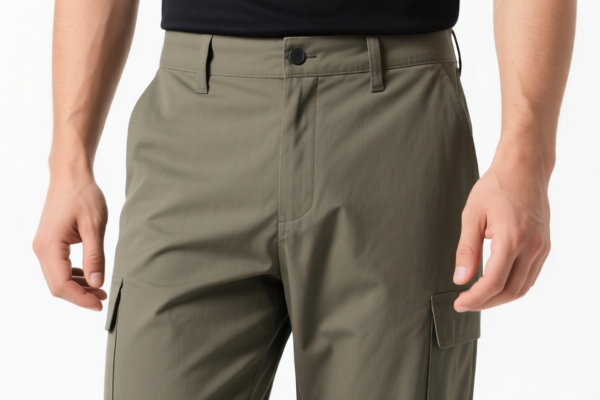
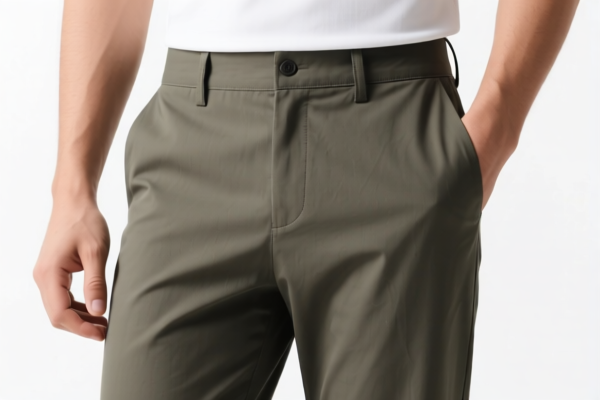
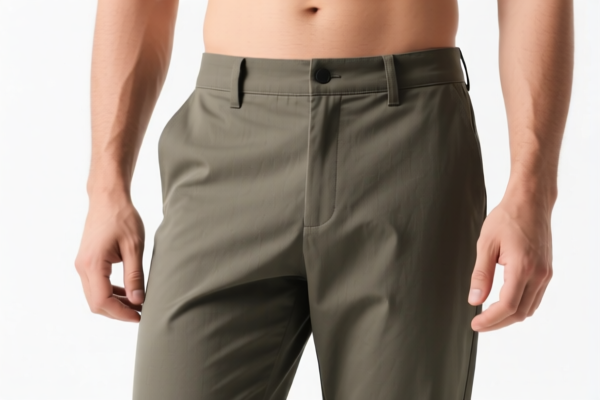

AI分析
👖 Men’s Pants (Trousers) – The Ultimate Guide to HS Classification & Tariff Breakdown
🌐 HS Code Reference & Customs Clearance Guide | 2026 Latest Tariff Analysis | Professional Customs Strategy
📌 I. Product Definition & Classification: Do You Really Understand "Men's Pants"?
Men's pants, in international trade, are not a single homogeneous category. They are strictly divided based on material composition (Cotton vs. Synthetic Fiber) and manufacturing method (Knitted vs. Woven). Misclassification can lead to massive tariff discrepancies (e.g., 25.6% vs. 45.7%).
1. Material Distinction: * Cotton (6203/6211 series): Natural fiber, breathable, classic style. Generally attracts lower base tariffs. * Synthetic Fiber (Polyester, Nylon, etc.) (6103/6211 series): Man-made, durable, often used in athletic or business casual wear. Generally attracts higher base tariffs.
2. Manufacturing Distinction (Knitted vs. Woven): * Knitted (Chapter 61): Made on knitting machines (like a sweater or jersey). Elastic, comfortable. → HS Code starts with 61... * Woven (Chapter 62): Made on looms (like dress shirts or suit pants). Structured, crisp. → HS Code starts with 62...
⚠️ Critical Distinction Point:
- If the fabric is knitted (jersey, sweatpant material) → Chapter 61
- If the fabric is woven (denim, twill, suit fabric) → Chapter 62
- Wrong classification = Wrong Tariff + Customs Delay!
📦 II. HS Code Classification Details (Based on Provided Data)
Below are the 5 specific HS Codes from your data, mapped to the product type "Men's Pants". Note that all these items are subject to significant additional tariffs if imported from China to the US (based on the provided "Total Tax" and "Tax Detail" structure).
| HS Code | Product Summary | Material | Key Feature | Total Tax Rate |
|---|---|---|---|---|
| 6203.42.45.11 | Men's Pants, Cotton | Cotton | Men's Trousers (Woven) | 34.1% |
| 6103.43.15.20 | Men's Pants, Synthetic | Synthetic Fiber | Men's Long Trousers (Knitted) | 45.7% |
| 6211.33.50.30 | Men's Pants, Synthetic | Synthetic Fiber | Men's Trousers (Woven - Other) | 33.5% |
| 6211.32.90.40 | Men's Pants, Cotton | Cotton | Men's Trousers (Woven - Other) | 25.6% |
| 6203.43.90.11 | Men's Pants, Synthetic | Synthetic Fiber | Men's Long/Ma/Short Pants (Woven) | 45.4% |
🔍 Key Insight:
- Lowest Tariff:6211.32.90.40(25.6%) – Cotton, Woven, "Other" Men's Pants.
- Highest Tariff:6103.43.15.20(45.7%) – Synthetic, Knitted, Men's Long Trousers.
- Why the difference? Synthetic fibers generally face higher base tariffs than cotton. Knitted garments (Ch 61) often have different duty structures than woven (Ch 62), but here the synthetic knitted item is the most expensive due to the combination of high base tariff + additional duties.
💰 III. 2026 Latest Tariff Rate Breakdown (Detailed Tax Clauses)
✅ Applicable Market: United States (US) (Inferred from "Section 122" and typical US-China trade context)
✅ Origin: China (CN) (Inferred from "Section 301" and "122" context)
✅ Effective Date: 2025/2026 (Current Trade Policy)
The Total Tax is composed of three layers:
🎯 1. Base Tariff (Most Favored Nation - MFN)
This is the standard WTO rate for the specific HS Code.
* Cotton Pants (Ch 62): Typically ranges from 8.1% to 16.6%.
* Synthetic Pants (Ch 61/62): Typically ranges from 16.0% to 28.2%.
* Example: 6103.43.15.20 has a high base of 28.2%.
🎯 2. Additional Tariff ("Section 301" / "7.5%")
This is the standard 25% Section 301 tariff on Chinese goods, but note the data shows 7.5%. This suggests either: * A partial phase-out or specific exemption list applies, OR * The data reflects a specific subset of goods under current trade negotiations. * Action: Always verify if your specific product is on the US Trade Representative (USTR) Exclusion List. If not, the full 25% may apply instead of 7.5%.
🎯 3. Section 122 Tariff ("10%")
- Clause: 122 Statute Tariff (19 U.S.C. § 1202 Note)
- Rate: 10%
- Context: This is a specific additional duty often applied to certain textiles and apparel imports from China under Section 301 of the Trade Act of 1974, or a specific "Section 122" provision related to national security or trade remedy actions.
- Impact: This is a fixed 10% added on top of the base and Section 301 rates.
📊 Tariff Calculation Example: 6103.43.15.20 (Men's Synthetic Knitted Pants)
| Component | Rate | Calculation (on $100 CIF Value) |
|---|---|---|
| Base Tariff | 28.2% | $28.20 |
| Additional Tariff | 7.5% | $7.50 |
| Section 122 Tariff | 10.0% | $10.00 |
| Total Tax | 45.7% | $45.70 |
📌 Critical Warning:
- No De Minimis Exemption: These tariffs are NOT eligible for the $800 de minimis exemption (Section 321) if the goods are considered "subject to Section 301/122 duties." Most textile/apparel imports from China are explicitly excluded from de minimis when these additional tariffs apply.
- Cumulative Effect: The taxes are cumulative. You do not pay 45.7% on the original value plus more; the 45.7% is the final effective rate applied to the CIF value.
🛠️ IV. Customs Clearance Practical Advice (Avoid Pitfalls)
✅ 1. Documentation Checklist (Mandatory)
| Document | Requirement | Reason |
|---|---|---|
| Commercial Invoice | Must specify Material Composition (e.g., "100% Cotton Woven") | Determines Base Tariff (Cotton vs. Synthetic) |
| Bill of Lading / Air Waybill | Clear description: "Men's Woven Trousers" | Must match HS Code description |
| Country of Origin Certificate | Must state "Made in China" | Triggers Additional Tariffs (7.5% + 10%) |
| Product Photos | Show fabric texture and label | Customs may inspect to verify Woven vs. Knitted |
| Labeling | Must include Fiber Content, Care Instructions, Country of Origin | FTC Requirement; Mislabeling can cause delays |
✅ 2. Declaration Tips (Key Mantras)
🔥 “Material First, Then Weave, Then Gender!”
| Scenario | Correct Declaration | Incorrect Declaration | Consequence |
|---|---|---|---|
| 100% Cotton, Woven | 6203.42.45.11 or 6211.32.90.40 |
6103.43.15.20 |
Overpaying ~20% tax! |
| Polyester, Knitted | 6103.43.15.20 |
6203.42.45.11 |
Under-declaring tax → Penalty + Seizure |
| Mixed Fabric | Declare % of each fiber | "Various Materials" | Highest tariff rate applies (Ad Valorem) |
| "Pants" vs. "Shorts" | Specify "Long Trousers" or "Shorts" | Vague "Bottom Wear" | Misclassification → Audit |
✅ 3. Special Considerations for "Section 122" & "Additional 7.5%"
- Verify Eligibility for Exemptions:
Some synthetic apparel items might have been removed from Section 301 lists in recent years. Check the latest USTR Exclusion List. If excluded, your tax could drop from 45.7% to 28.2% (Base only). - Transshipment Risks:
Do NOT reroute goods through Vietnam, Thailand, or Mexico without proper origin transformation. If the pants are still of Chinese origin, the 7.5% + 10% additional tariffs will still apply, and you risk penalties for false origin declaration. - Value Declaration:
Ensure the declared value includes freight and insurance (CIF). Tariffs are calculated on CIF value, not just the product cost.
🌍 V. Global Market Comparison (2026)
| Country/Region | Recommended HS Code | Base Tariff | Additional Tariffs (China Origin) | Total Effective Rate |
|---|---|---|---|---|
| 🇺🇸 USA | See Data Above (61xx/62xx) | 8% - 28% | +17.5% (7.5% + 10% Sec 122) | 25.6% - 45.7% |
| 🇨🇳 China | 6103.43.15 / 6203.42.45 | 10% - 15% | None | 10% - 15% |
| 🇪🇺 EU | 6103.43.00 / 6203.42.00 | 12% - 17% | None (Unless non-tariff barriers) | 12% - 17% |
| 🇬🇧 UK | 6103.43.00 / 6203.42.00 | 12% - 17% | None | 12% - 17% |
📌 Conclusion:
- The US market is the most expensive for Chinese-made men's pants due to the叠加 (stacking) of Base + Section 301 (or 7.5%) + Section 122 tariffs.
- Cotton Woven Pants (6211.32.90.40) offer the lowest tariff entry point (25.6%) in the US market among the provided options.
- Synthetic Knitted Pants (6103.43.15.20) are the most expensive (45.7%) and should be avoided if profit margins are tight.
📌 VI. Common Errors & Pitfalls (Blood Lessons)
❌ Error 1: Declaring "Cotton Pants" but the product is 95% Polyester
👉 Consequence: Customs reclassifies to Synthetic HS Code → Tax jumps from 25.6% to 45.7% + Fines.
❌ Error 2: Ignoring the "Section 122" 10% Tariff
👉 Consequence: Profit margin calculation is wrong → Unexpected $10/unit cost → Loss of competitiveness.
❌ Error 3: Assuming "De Minimis" ($800) applies
👉 Consequence: Package is seized or forced to pay full tariff at border → Delays and demurrage fees.
❌ Error 4: Mixing Knitted and Woven in one shipment without clear separation
👉 Consequence: Customs may apply the highest tariff rate to the entire shipment for audit purposes.
✅ Correct Practice:
"100% Cotton Men's Woven Trousers, Model XYZ, Made in China, CIF Value $100, HS Code 6211.32.90.40"
🎯 VII. Conclusion: Precise Classification Saves Money!
🎯 Remember the Mantra:
🔹 "Cotton is Cheaper, Synthetic is Steeper, Woven vs Knitted Changes the Game!"
🔹 "Section 122 adds 10%, Don't Forget It, Or Your Profit Will Rot!"
🔹 "Check the Exclusion List, Maybe You Qualify, Before You Pay the Price!"
📌 Pro Tip:
If you are importing Synthetic Pants and the tariff is 45.7%, consider:
1. Switching to Cotton variants (6211.32.90.40 at 25.6%).
2. Checking if your specific HS Code is on the USTR Exclusion List to remove the 7.5% + 10% surcharges.
3. Consulting a licensed customs broker to apply for a Prior Ruling to ensure the HS Code is 100% accurate.
📣 Act Now:
📞 Contact a Customs Broker + Provide Fabric Swatches + Verify USTR Exclusions
🚀 Clear Customs Smoothly, Maximize Profits, and Scale Your Business!
✨ Professional Clearance Starts with Accurate Classification!
💼 Every Percent of Tax Saved is Pure Profit!
用户评价
关于 HS 编码归类
协调制度(HS)是由世界海关组织(WCO)制定的国际贸易商品分类标准。全球 200 多个国家采用 HS 系统作为海关关税、贸易统计和进出口监管的基础。
每个 HS 编码遵循以下层级结构:
- 章(2 位)——商品大类(例如:第 84 章:机器和机械设备)
- 品目(4 位)——章内的更具体分类
- 子目(6 位)——国际通用细分,所有 WCO 成员国统一使用
- 本国细分(8-10 位)——各国自行扩展的细分编码,如美国 HTSUS 10 位编码
正确的 HS 编码归类对于顺利通关、准确缴纳关税和遵守贸易法规至关重要。错误归类可能导致海关延误、多缴关税或罚款。
从CN进口到US时,适用的关税税率可能包括:
- 最惠国(MFN)税率——适用于 WTO 成员国的标准关税税率
- 普通税率——适用于无贸易协定国家
- 贸易救济关税——附加关税,如 301 条款(反倾销)、232 条款(国家安全)或反补贴税
本页内容仅供参考。如需正式归类,请咨询当地海关或持牌报关代理。