mens shirts
CN → US| HS编码 | 关税税率 | 原产国 | 目的国 | 文档 |
|---|---|---|---|---|
| 6205202026 | 37.2% | CN | US | 官方文档 |
| 6205302030 | 0.0% | CN | US | 官方文档 |
| 6105202010 | 49.5% | CN | US | 官方文档 |
| 6203223050 | 0.0% | CN | US | 官方文档 |
| 6211335040 | 33.5% | CN | US | 官方文档 |
商品图片
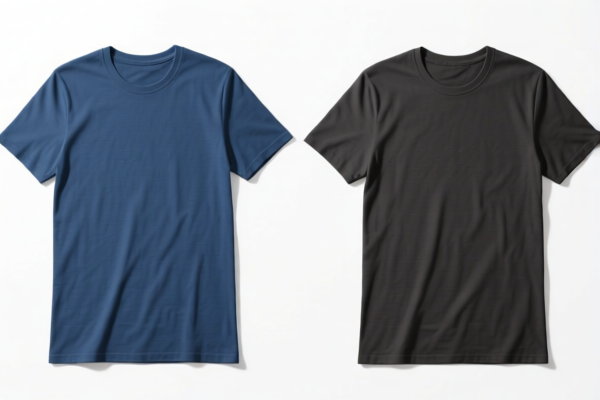
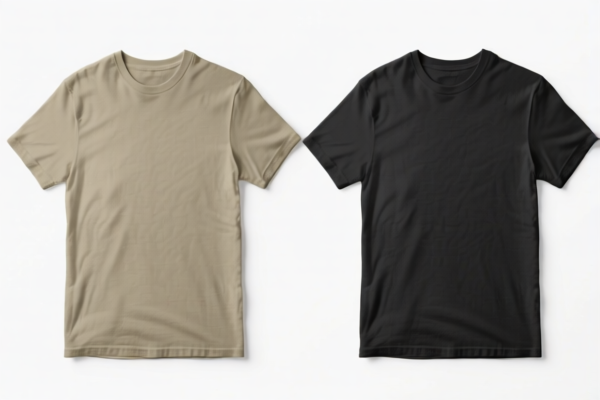
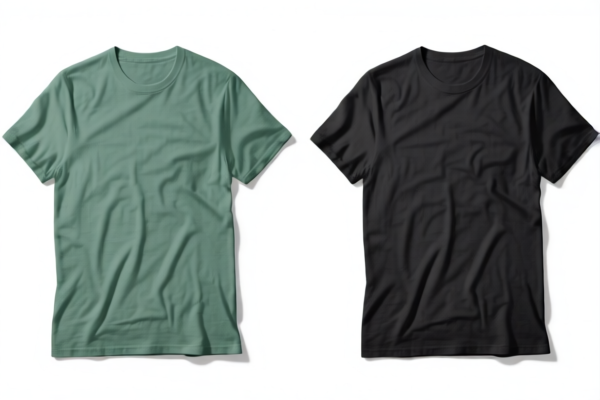

AI分析
👔 Men's Shirts (Dressed to Impress & Cleared to Pass)
🌐 HS Code Reference & Customs Clearance Guide | 2026 Latest Tariff Analysis | Professional Clearance Strategy
📌 I. Product Definition & Classification: Do You Really Understand "Men's Shirts"?
Men's shirts are a cornerstone of global apparel trade. However, in international customs, they are not a single homogeneous category. They are strictly divided based on fabric composition (Cotton vs. Synthetic/Other) and construction method (Knitted vs. Woven). Misclassification is the #1 cause of detention, penalties, and unexpected tariff bills.
Key Distinction Points:
Woven (Sewing): Fabric is cut and stitched. This is the standard "dress shirt" or "casual button-down." (Generally Chapter 62).
Knitted (Jersey/Tricot): Fabric is looped. Think T-shirts, polos, or lightweight summer shirts. (Generally Chapter 61).
Material:
* Cotton: Natural fiber.
* Man-Made/Synthetic:* Polyester, rayon, nylon, etc.
⚠️ Critical Warning:
- Cotton usually falls under specific HTS codes like6205.20or6105.20.
- Synthetic/Other materials fall under different codes like6205.30.
- Blends often follow the predominant fiber.
📦 II. HS Code Classification Matrix (2026 Latest Tariff Data)
Based on the provided data for Men's Shirts imported from China to the US, here is the precise breakdown:
| HS Code | Product Description | Inferred Material | Construction |
|---|---|---|---|
| 6205.20.20.26 | Men's Dress Shirts | Cotton | Woven |
| 6205.30.20.30 | Men's Dress Shirts | Synthetic/Other Fiber | Woven |
| 6105.20.20.10 | Men's Shirts | Cotton or Man-Made Fiber | Knitted (Inferred) |
| 6203.22.30.50 | Men's Suit Shirts (Ensemble) | Cotton | Woven (Part of Suit) |
| 6211.33.50.40 | Men's Shirts | Synthetic/Other Fiber | Woven (Other) |
🔍 Detailed Analysis:
-6205Series: Indicates Woven men's shirts.
-6105Series: Indicates Knitted men's shirts (T-shirts, Polos).
-6203.22: Specifically refers to shirts included in suits (ensemble).
-6211: Used for other articles of apparel, often when specific shirt codes don't fit (e.g., specific synthetic blends not covered under 6205).
💰 III. 2026 Tariff Rate Breakdown (Including Section 301 & 122 Measures)
✅ Applicable Country: United States (US)
✅ Origin: China (CN)
✅ Effective Time: Current (Post-2025 Policy)
🎯 1. 6205.20.20.26 – Men's Dress Shirts, Cotton, Woven
| Item | Content |
|---|---|
| Base Duty | 19.7% (Ad Valorem) |
| Section 301 / Additional Duty | 7.5% (Specific Trade Remedy) |
| Section 122 Tariff | 10% (Emergency Import Relief) |
| Total Effective Rate | 37.2% |
| Calculation Basis | CIF Value × 37.2% |
| De Minimis Exemption | ❌ NOT APPLICABLE (High rates deny de minimis for B2C) |
📌 Explanation:
- Cotton dress shirts face a significant tariff burden. The 10% Section 122 is a critical add-on that many importers overlook. It applies to emergency relief measures on specific textile imports.
- Total: 37.2% is a heavy load. Ensure your FOB/CIF pricing accounts for this.
🎯 2. 6205.30.20.30 – Men's Dress Shirts, Synthetic, Woven
| Item | Content |
|---|---|
| Base Duty | 29.1¢/kg + 25.9% (Hybrid Rate) |
| Section 301 / Additional Duty | 7.5% |
| Section 122 Tariff | 10% |
| Total Effective Rate | 29.1¢/kg + 43.4% (Ad Valorem) |
| Calculation Basis | (29.1 cents per kg) + (CIF Value × 43.4%) |
| De Minimis Exemption | ❌ NOT APPLICABLE |
📌 Explanation:
- Synthetic fibers often incur a Specific Duty (per kg) PLUS an Ad Valorem duty.
- Warning: If the shipment is low-weight but high-value, the Ad Valorem component dominates. If high-weight/low-value, the Per Kg cost adds up quickly.
- The Section 122 and Section 301 rates remain the same as cotton, but the base calculation is more complex.
🎯 3. 6105.20.20.10 – Men's Shirts, Knitted (Cotton/Synthetic)
| Item | Content |
|---|---|
| Base Duty | 32.0% |
| Section 301 / Additional Duty | 7.5% |
| Section 122 Tariff | 10% |
| Total Effective Rate | 49.5% |
| Calculation Basis | CIF Value × 49.5% |
| De Minimis Exemption | ❌ NOT APPLICABLE |
📌 Explanation:
- Knitted shirts (T-shirts/Polos) are taxed HIGHER (49.5%) than woven dress shirts (37.2%).
- This is a common pitfall! Many think "casual = cheaper," but customs tariffs often penalize knitted textiles more heavily due to volume and dumping concerns.
- Total: 49.5% is the highest rate in this dataset. Extreme caution advised.
🎯 4. 6203.22.30.50 – Men's Suit Shirts (Ensemble Component)
| Item | Content |
|---|---|
| Base Duty | Rate applicable if sold separately |
| Section 301 / Additional Duty | 7.5% |
| Section 122 Tariff | 10% |
| Total Effective Rate | Variable (See Base) + 17.5% |
| Calculation Basis | (Base Duty of Separate Garment) + (CIF × 17.5%) |
| De Minimis Exemption | ❌ NOT APPLICABLE |
📌 Explanation:
- This code is used when a shirt is part of a Suit Ensemble.
- The "Base Duty" is the rate the shirt would attract if imported alone.
- The 17.5% additional duty (7.5% + 10%) is added on top of that base.
- Strategy: If you are importing suits, this code is mandatory. Do not separate the shirt and bill it alone if it's part of a suit set, or you risk misdeclaration.
🎯 5. 6211.33.50.40 – Other Men's Shirts, Synthetic
| Item | Content |
|---|---|
| Base Duty | 16.0% |
| Section 301 / Additional Duty | 7.5% |
| Section 122 Tariff | 10% |
| Total Effective Rate | 33.5% |
| Calculation Basis | CIF Value × 33.5% |
| De Minimis Exemption | ❌ NOT APPLICABLE |
📌 Explanation:
- This is a "catch-all" for other synthetic shirts not fitting the standard "dress shirt" definition of 6205.
- Lowest Total Rate in the dataset (33.5%).
- If your product is a synthetic "casual shirt" that doesn't fit 6205, this might be the correct code, offering a 3.7% savings over cotton dress shirts and 16% savings over knitted shirts.
🛠️ IV. Customs Clearance Practical Advice (Avoiding Pitfalls)
✅ 1. Documentation Checklist (Non-Negotiable)
| Document | Requirement | Purpose |
|---|---|---|
| Commercial Invoice | Must specify "Woven" or "Knitted" and "100% Cotton" or "100% Polyester" | Customs uses this to verify HS Code accuracy. Vague descriptions like "Shirt" lead to audits. |
| Packing List | Itemize by SKU, Material, and Weight | Crucial for 6205.30 which has a per-kg duty component. |
| Bill of Lading | Match Invoice details exactly | Discrepancies cause delays. |
| Fiber Content Label | Photo of actual garment tag | Must match invoice. "Cotton" in invoice but "Poly" on tag = Seizure risk. |
| Country of Origin | China (if applicable) | Triggers Section 301 & 122 tariffs. |
✅ 2. Declaration Tips (Golden Rules)
🔥 Rule #1: Be Specific About Construction
- Woven: Use6205or6211.
- Knitted: Use6105.
- Error: Declaring a Knitted T-shirt as Woven6205→ Risk of Penalty for Misdeclaration.🔥 Rule #2: Material Truthfulness
- If it's a blend, declare the predominant fiber.
- Error: Declaring 60% Cotton / 40% Polyester as "Cotton" → Audits and Back Taxes.🔥 Rule #3: Ensemble vs. Separate
- If importing suits, declare the shirt under6203.22if it's part of the set.
- Error: Separating suit shirts from suits in the same shipment → Complexity and Potential Duty Miscalculation.
✅ 3. Special Scenarios
| Scenario | Recommendation |
|---|---|
| High-Volume Low-Value (e.g., Shein/Temu style) | BEWARE: Even with de minimis ($800), Section 122 and Section 301 often apply to Chinese apparel, denying de minimis exemption. Check current CBP rulings. |
| Synthetic vs. Cotton | Compare 6205.30 (29.1¢/kg + 43.4%) vs 6211.33 (33.5%). If weight is low, 6211.33 might be cheaper due to no per-kg fee. |
| Knitted Shirts (T-Shirts) | Factor in 49.5% duty. This is a major cost driver. Optimize fabric weight and value to manage costs. |
| Section 122 Applicability | Ensure your broker is applying the 10% Section 122 correctly. It is a specific emergency tariff that has been reinstated for certain textile categories. |
🌍 V. Global Market Comparison (Brief Overview)
| Market | HS Code (Example) | Est. Duty (China) | Notes |
|---|---|---|---|
| 🇺🇸 USA | 6205.20.20.26 |
37.2% | Includes 10% Sec 122 + 7.5% Sec 301. |
| 🇨🇳 China | 6205.20.20.26 |
~9% - 12% | Lower base duty, no US-style retaliatory tariffs. |
| 🇪🇺 EU | 6205.20.00 |
~12% - 16% | Generally stable, but subject to anti-dumping checks. |
| 🇬🇧 UK | 6205.20.00 |
~12% | Post-Brexit alignment with EU similar but separate. |
📌 Conclusion:
- US Market is the most expensive due to layered tariffs (Base + Sec 301 + Sec 122).
- Cost Optimization is critical. Consider sourcing non-china origins if possible, or optimize product design (e.g., synthetic vs. knitted) to lower the HS Code burden.
📌 VI. Common Errors & Pitfalls (Blood Lessons)
❌ Mistake 1: Declaring "Men's Shirt" without specifying "Woven" or "Knitted"
👉 Consequence: Customs will assign the highest possible duty or detain the shipment for clarification.
❌ Mistake 2: Ignoring the Per-Kg component in 6205.30.20.30
👉 Consequence: For lightweight, high-value synthetic shirts, the duty might be lower. For heavy blankets/shirts, it spikes. Failing to calculate Weight × 29.1¢ leads to budget shortfalls.
❌ Mistake 3: Assuming De Minimis ($800) applies to Chinese Apparel
👉 Consequence: It often does not. Section 122 and Section 301 measures frequently override de minimis for Chinese textiles. Assuming it applies can lead to unexpected bills at the border.
❌ Mistake 4: Mislabeling Fabric Content
👉 Consequence: If invoice says "Polyester" but tag says "Cotton," customs may seize the goods for fraud/misrepresentation.
✅ Correct Approach:
"Woven Men's Dress Shirt, 100% Cotton, HS 6205.20.20.26, Origin China, Total Duty 37.2%"
vs.
"Knitted Men's T-Shirt, 100% Cotton, HS 6105.20.20.10, Origin China, Total Duty 49.5%"
🎯 VII. Conclusion: Precision is Profit
🎯 Key Takeaways:
🔹 Knitted (6105) is the most taxed (49.5%).
🔹 Woven Cotton (6205.20) is mid-range (37.2%).
🔹 Woven Synthetic "Other" (6211.33) is the least taxed (33.5%) – if applicable.
🔹 Section 122 (10%) and Section 301 (7.5%) are MANDATORY for Chinese goods. Do not ignore them.
🔹 Weight matters for synthetic woven shirts (6205.30) due to the per-kg fee.
📌 Pro Tip:
Before shipping, request a Binding Tariff Ruling (Pre-Ruling) from CBP if your product is ambiguous (e.g., blends, unusual constructions). It provides legal certainty and protects you from retroactive duty assessments.
📣 Immediate Action:
📞 Verify Fabric & Construction with your supplier.
📋 Calculate Total Landed Cost using the exact rates above (Base + Sec 301 + Sec 122).
🚀 Avoid Surprises: A 10-15% misdeclaration error can wipe out your margin. Get it right the first time.
✨ Smart Classification, Smarter Profits!
💼 In Apparel, Every Percentage Point of Duty is a Battle Won or Lost!
用户评价
关于 HS 编码归类
协调制度(HS)是由世界海关组织(WCO)制定的国际贸易商品分类标准。全球 200 多个国家采用 HS 系统作为海关关税、贸易统计和进出口监管的基础。
每个 HS 编码遵循以下层级结构:
- 章(2 位)——商品大类(例如:第 84 章:机器和机械设备)
- 品目(4 位)——章内的更具体分类
- 子目(6 位)——国际通用细分,所有 WCO 成员国统一使用
- 本国细分(8-10 位)——各国自行扩展的细分编码,如美国 HTSUS 10 位编码
正确的 HS 编码归类对于顺利通关、准确缴纳关税和遵守贸易法规至关重要。错误归类可能导致海关延误、多缴关税或罚款。
从CN进口到US时,适用的关税税率可能包括:
- 最惠国(MFN)税率——适用于 WTO 成员国的标准关税税率
- 普通税率——适用于无贸易协定国家
- 贸易救济关税——附加关税,如 301 条款(反倾销)、232 条款(国家安全)或反补贴税
本页内容仅供参考。如需正式归类,请咨询当地海关或持牌报关代理。