metal sheet, iron sheet
CN → US| HS编码 | 关税税率 | 原产国 | 目的国 | 文档 |
|---|---|---|---|---|
| 7326901000 | 85.0% | CN | US | 官方文档 |
| 7212500000 | 35.0% | CN | US | 官方文档 |
| 7212600000 | 35.0% | CN | US | 官方文档 |
| 7208260060 | 35.0% | CN | US | 官方文档 |
| 7210120000 | 35.0% | CN | US | 官方文档 |
| 7210110000 | 35.0% | CN | US | 官方文档 |
商品图片
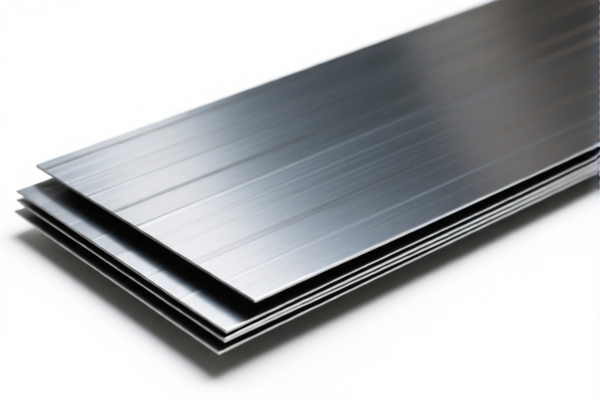
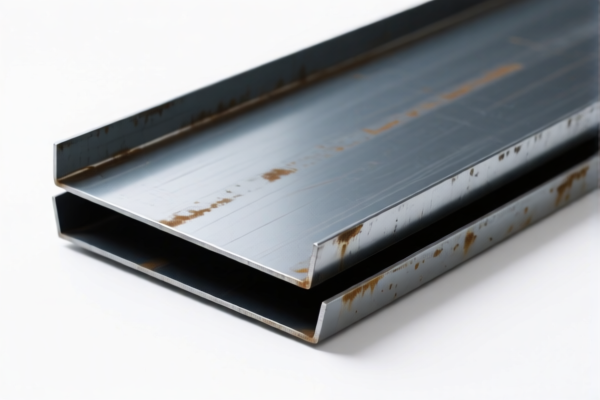
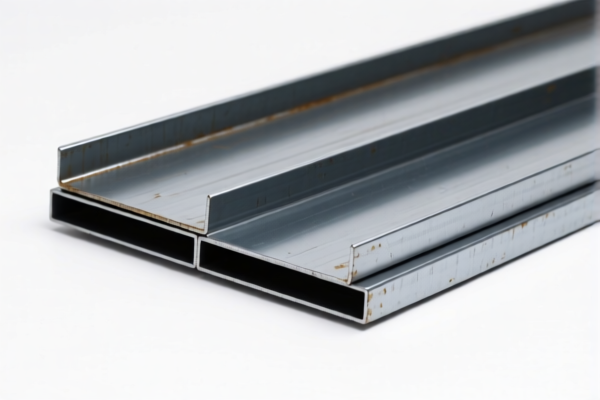
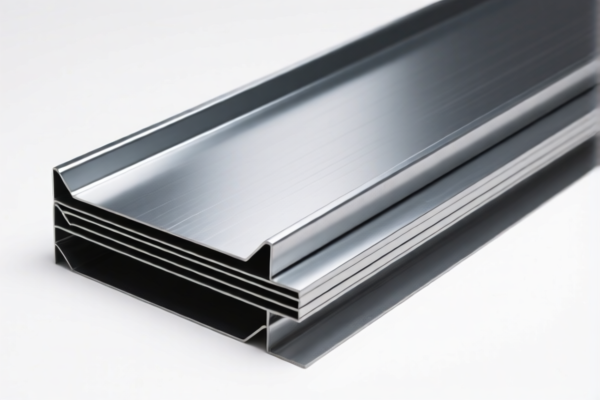
AI分析
🛡️ Iron Sheets & Metal Plates: The 50%–85% Tariff Minefield | 2026 US Customs Deep Dive
🌐 HS Code Classification & Tariff Strategy | Iron/Steel Products | Avoiding the 122-Section & 301-Section Traps
📌 One Product, Five Codes, Five Different Tax Rates
When you declare "Iron Sheet" (铁片) into the United States, do not assume a single HS Code applies. Under current US trade law (Section 232, Section 301, and Section 122), the physical form (rolled vs. cut) and processing stage dictate whether you pay 35% or a punishing 85%.
⚠️ Critical Warning:
The difference between "Flat-Rolled Product" (35% total) and "Article of Iron" (85% total) is often just a few millimeters of thickness or a specific processing step. Misclassification leads to immediate seizure or massive back-tariff liabilities.
📦 一、HS Code Classification Matrix (2026 Latest Data)
Below are the exact 5 HS Codes derived from the provided data for "Iron Sheets." Note the dramatic tax disparity.
| HS Code | Product Description (Chinese Summary) | Physical Form & Status | Total Tax Rate | Key Tax Components |
|---|---|---|---|---|
| 7326.90.10.00 | Iron Piece/Plate (Metal Product Category) Generic "Iron Piece" |
Cut/Finished metal articles; not specifically rolled plates | 85.0% 🚨 | Base 0% + Sec 301 (25%) + Sec 122 (50%) |
| 7212.50.00.00 | Iron Sheet (Flat-Rolled Product) | Cold-rolled flat products (coils/sheets) | 35.0% ✅ | Base 0% + Sec 301 (25%) + Sec 122 (10%) |
| 7212.60.00.00 | Iron Sheet (Coated/Plated) | Painted, varnished, or coated flat products | 35.0% ✅ | Base 0% + Sec 301 (25%) + Sec 122 (10%) |
| 7208.26.00.60 | Iron Sheet (Hot-Rolled, >100mm width) | Hot-rolled flat products, width > 600mm | 35.0% ✅ | Base 0% + Sec 301 (25%) + Sec 122 (10%) |
| 7210.12.00.00 | Iron Sheet (Tinplate/Thin Gauge) | Iron/steel coated with tin or other metals (thin) | 35.0% ✅ | Base 0% + Sec 301 (25%) + Sec 122 (10%) |
💰 二、Tax Structure Decoded: Why the Huge Difference?
To understand the tariff, you must break down the "Total Tax" column. It is not just one number; it is a stack of legal authorities.
🎯 Group A: The "35% Club" (7208, 7210, 7212 Series)
- Products: These are classified as "Flat-Rolled Products of Iron or Non-Alloy Steel" (Heading 7208–7212).
- Tax Breakdown:
- Base MFN Rate: 0% (Most Iron products have low base duties).
- Section 301 (Trade War): +25% (All Chinese iron/steel products).
- Section 122 (Steel/Aluminum/Steel/Copper Products): +10% (Specific tariff on steel/aluminum articles).
- Total: 0% + 25% + 10% = 35%.
- Why it’s cheaper: These are standard industrial raw materials (coils, sheets, plates) used for manufacturing. The US imposes a lower "penalty" tariff on raw/semi-finished forms.
🎯 Group B: The "85% Penalty" (7326.90.10.00)
- Products: Classified under "Articles of Iron or Steel" (Heading 7326). This is a "basket" category for finished or semi-finished metal parts that don’t fit elsewhere.
- Tax Breakdown:
- Base MFN Rate: 0%.
- Section 301 (Trade War): +25%.
- Section 122 (Steel/Aluminum/Steel/Copper Products): +50% ⚡
- Total: 0% + 25% + 50% = 85%.
- Why it’s expensive: This category captures "cut" or "formed" iron pieces. The US government applies a 50% punitive tariff here to discourage the import of basic metal fabrications from China.
🔍 Key Insight:
If your "Iron Sheet" is cut to a specific shape or is a finished article (not just a flat roll/sheet), it may slip into 7326.90.10.00, triggering the 50% Section 122 tax. Keep it as "Flat-Rolled" (72xx) if possible!
🛠️ 三、Customs Clearance Strategy & Risk Mitigation
✅ 1. Documentation & Description Precision
Your commercial invoice MUST clearly distinguish between "Flat-Rolled" and "Article of Iron."
| Item | Recommended Description | Avoid |
|---|---|---|
| Product Name | "Hot-Rolled Steel Sheet, Coils, Width > 600mm" | "Iron Metal Pieces" or "Cut Iron Plates" |
| Material | "Non-Alloy Steel, Hot-Rolled" | "Generic Iron" |
| Form | "In Coils / In Flat Sheets" | "Finished Parts" or "Irregular Shapes" |
| Processing | "Uncoated" or "Varnish Coated" | "Painted Furniture Parts" (triggers 7326) |
✅ 2. Classification Defense (The "Form" Argument)
To argue for 7208/7210/7212 (35%) instead of 7326 (85%):
- Flatness: Ensure the product is flat and uniform. If it’s bent, stamped, or cut into non-rectangular shapes, Customs may classify it as an "Article" (7326).
- Width & Thickness:
- 7208: Hot-rolled, > 600mm wide.
- 7210: Coated (tin, lead, zinc) or thin gauge.
- 7212: Cold-rolled or painted.
- Exclusion from 7326: Cite Chapter 72 Notes which exclude articles of heading 73 from Chapter 72. If your product fits a Chapter 72 heading (7208–7212), it must go there, not 7326.
✅ 3. Special Section 122 Nuances
- Section 122 (50% vs 10%):
- The 50% rate applies to specific steel/aluminum articles under 7326.
- The 10% rate applies to steel/aluminum products under 72xx (flat-rolled).
- Action: Provide mill test certificates showing the product is a standard flat-rolled product, not a fabricated article.
🌍 四、Global Comparison (Why US is the Worst)
| Region | HS Code Range | Total Tariff (Approx.) | Notes |
|---|---|---|---|
| 🇺🇸 USA | 72xx / 7326 | 35% – 85% | Highest barrier. Section 122 + 301 stack. |
| 🇨🇳 China | 72xx | 0–5% | Low import duty for raw materials. |
| 🇪🇺 EU | 72xx | 0% (Mostly) | No anti-dumping on standard iron sheets (varies by coating). |
| 🇲🇽 Mexico | 72xx | 0% (USMCA) | If processed in Mexico, can enter US duty-free. |
📌 Conclusion:
The US is the most expensive market for iron sheets due to layered tariffs.
📌 五、Common Errors & Pitfalls
❌ Error 1: Declaring "Cut Iron Sheets" as "Hot-Rolled Steel" (7208)
👉 Risk: If the sheets are cut to specific lengths/shapes, Customs may reclassify as 7326.90.10.00 → Tax jumps from 35% to 85%.
👉 Fix: Declare as "Cut-to-Length" only if they retain their flat-rolled character; otherwise, accept the 85% or redesign packaging.
❌ Error 2: Ignoring "Section 122"
👉 Risk: Assuming only 25% (Section 301) applies.
👉 Fix: Always calculate Base + 301 + 122. For 7326, it’s 75% before base duty.
❌ Error 3: Vague Description "Iron Piece"
👉 Risk: Customs officer uses their discretion, often defaulting to the highest duty category.
👉 Fix: Use precise technical terms: "Cold-Rolled Steel Sheet, 2mm thickness, 1220mm width."
🎯 六、Final Recommendation
- Verify Form: Are your "Iron Sheets" flat, uniform, and in coils/large sheets? Aim for 7208–7212 (35%).
- Avoid Fabrication: Do not pre-cut or stamp complex shapes if you want to avoid the 85% rate.
- Pre-Ruling: If importing large volumes, apply for a CBP Ruling to confirm your specific product falls under 72xx and not 7326.
- Cost Buffer: Prepare cash flow for 35% minimum. If misclassified, you face 85%.
💡 Pro Tip:
"Flat is 35, Cut is 85. Keep it flat!"
By maintaining the "flat-rolled" identity, you save 50% on tariffs.
✨ Smart Trade, Precise Classification!
💼 Don’t let an HS Code difference cost you half your profit!
用户评价
关于 HS 编码归类
协调制度(HS)是由世界海关组织(WCO)制定的国际贸易商品分类标准。全球 200 多个国家采用 HS 系统作为海关关税、贸易统计和进出口监管的基础。
每个 HS 编码遵循以下层级结构:
- 章(2 位)——商品大类(例如:第 84 章:机器和机械设备)
- 品目(4 位)——章内的更具体分类
- 子目(6 位)——国际通用细分,所有 WCO 成员国统一使用
- 本国细分(8-10 位)——各国自行扩展的细分编码,如美国 HTSUS 10 位编码
正确的 HS 编码归类对于顺利通关、准确缴纳关税和遵守贸易法规至关重要。错误归类可能导致海关延误、多缴关税或罚款。
从CN进口到US时,适用的关税税率可能包括:
- 最惠国(MFN)税率——适用于 WTO 成员国的标准关税税率
- 普通税率——适用于无贸易协定国家
- 贸易救济关税——附加关税,如 301 条款(反倾销)、232 条款(国家安全)或反补贴税
本页内容仅供参考。如需正式归类,请咨询当地海关或持牌报关代理。