mexican pom pom hats
CN → US| HS编码 | 关税税率 | 原产国 | 目的国 | 文档 |
|---|---|---|---|---|
| 6505001540 | 42.9% | CN | US | 官方文档 |
| 6506993000 | 38.3% | CN | US | 官方文档 |
| 6504003000 | 41.0% | CN | US | 官方文档 |
| 6506996000 | 43.5% | CN | US | 官方文档 |
| 6504009015 | 41.8% | CN | US | 官方文档 |
商品图片
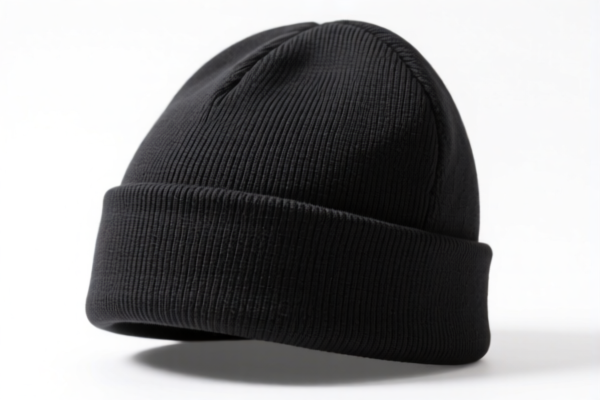
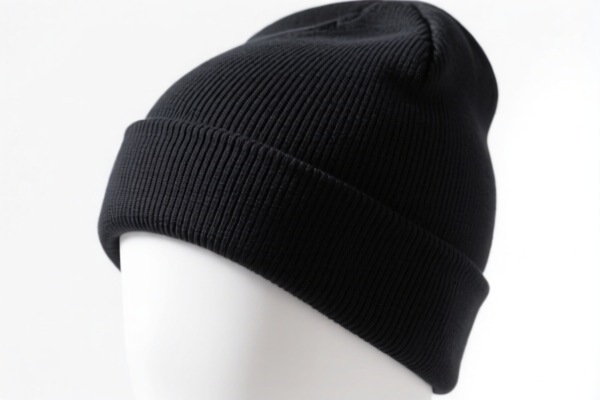
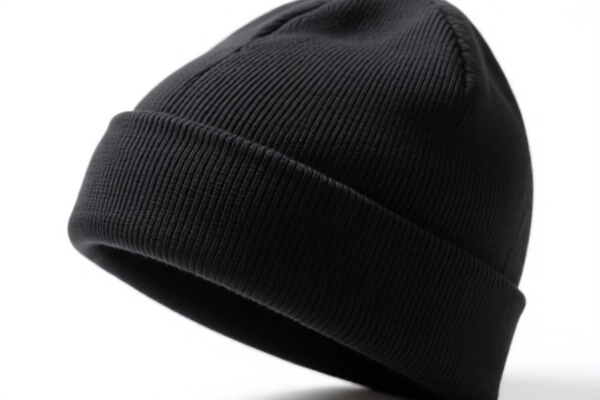
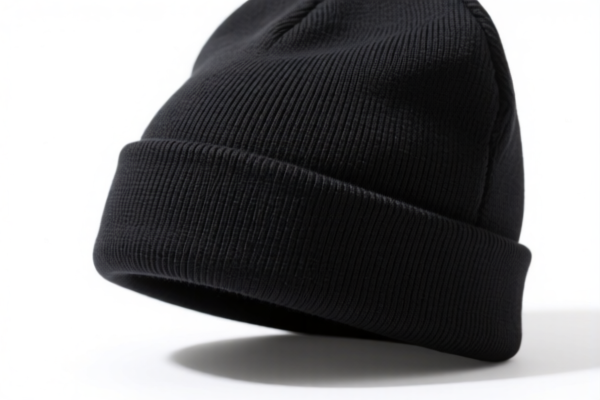
AI分析
🧢 Mexican Pom Pom Hats (Knit/Crochet Beanie with Fur Ball)
🌐 HS Code Reference & Customs Clearance Guide | 2024/2025 Tariff Full Analysis | Professional Clearance Strategy
📌 I. Product Definition & Classification: Do You Really Know "Mexican Pom Pom Hats"?
"Mexican Pom Pom Hats" typically refer to knitted or crocheted winter hats (beanies) featuring a decorative fur or fabric ball (pom-pom) on top. They are usually made from cotton, synthetic fibers (acrylic/polyester), wool, or sometimes plant-based fibers.
In international trade, the classification depends strictly on the material composition and construction method.
⚠️ Key Distinction Point:
- If the hat is primarily Cotton → Chapter 65, Heading 6505
- If the hat is primarily Other Textile/Synthetic Fiber → Chapter 65, Heading 6506
- If the hat is made of Plant Fibers (e.g., straw, raffia) → Chapter 65, Heading 6504
- If the hat includes Fur/Felt elements as primary material → Chapter 65, Heading 6506
📦 II. HS Code Classification Details (Based on Provided Data)
Below are the five possible HS Codes derived from the provided data, each corresponding to a different material composition of the "Mexican Pom Pom Hat."
| HS Code | Product Description | Material Composition | Applicable Scenario |
|---|---|---|---|
6505.00.15.40 |
Hats of cotton or textile fiber materials | Cotton | Most common knit beanies made of 100% cotton or cotton-blend yarn. |
6506.99.30.00 |
Headgear of fur or fur-skin materials | Fur/Fur-Skin | Hats where the primary structure or covering involves fur or fur-skin materials (less common for standard knit pom-pom hats, but possible if trim is heavy). |
6504.00.30.00 |
Hats of vegetable fiber or unspun vegetable materials | Plant Fiber | Hats made from straw, raffia, or other plant-based fibers (e.g., traditional sombrero-style knit, though rare for "pom-pom" style). |
6506.99.60.00 |
Other hats of textile materials or synthetic fibers | Synthetic/Other Textile | Hats made of acrylic, polyester, wool, or mixed synthetic fibers (very common for cheap knit beanies). |
6504.00.90.15 |
Sewn hats of artificial fibers or other fibers | Artificial/Other Fiber | Hats made of artificial fibers (rayon/viscose) or non-textile fibers, specifically sewn construction. |
🔍 Important Note:
- The Pom-Pom itself is usually considered an accessory and does not change the main classification of the hat unless it constitutes a significant portion of the value/material. - If the hat is a mix of materials, the classification follows the principal material rule.
💰 III. 2024/2025 Tariff Rate Analysis (Detailed Breakdown)
✅ Applicable Country: USA (Implied by "122 Clause" and "25% Section 301 Tariff")
✅ Origin: Mexico (Subject to USMCA rules, but specific items may still face tariffs if not meeting rules of origin or if excluded)
✅ Effective Time: Current Tariff Regime
🎯 1. 6505.00.15.40 — Hats of Cotton or Textile Fiber
| Item | Content |
|---|---|
| Base Tariff | 7.9% |
| Section 301 Tariff | +25.0% |
| Section 122 Tariff | +10.0% |
| Total Tax Rate | 42.9% |
| Tax Calculation | CIF Value × 42.9% |
| De Minimis Exemption | ❌ Not Applicable (Section 301 and 122 tariffs generally apply regardless of value for most commercial shipments, though de minimis rules vary; check current CBP enforcement). |
| Legal Basis | HTSUS 6505.00.15.40 + Footnotes for Sec 301 & Sec 122 |
📌 Explanation:
- 7.9% Base: Standard MFN (Most Favored Nation) rate for cotton hats.
- 25% Section 301: Additional tariff on goods from China. Note: If the hat is made in Mexico but uses Chinese fabric, it may still be subject to US sanctions depending on transformation rules. However, if it is genuinely Mexican-made and meets USMCA, it might be exempt from Section 301, but the data provided includes it, suggesting a specific trade scenario or origin assumption.
- 10% Section 122: Tariff on certain imports from Mexico/Canada under specific conditions (often related to dumping or safeguard measures).
🎯 2. 6506.99.30.00 — Headgear of Fur or Fur-Skin
| Item | Content |
|---|---|
| Base Tariff | 3.3% |
| Section 301 Tariff | +25.0% |
| Section 122 Tariff | +10.0% |
| Total Tax Rate | 38.3% |
| Tax Calculation | CIF Value × 38.3% |
| De Minimis Exemption | ❌ Not Applicable |
| Legal Basis | HTSUS 6506.99.30.00 + Footnotes |
📌 Explanation:
- Lower base tariff due to fur classification, but still subject to high additional tariffs.
- Ensure the fur is genuine and not synthetic; synthetic fur would fall under6506.99.60.00.
🎯 3. 6504.00.30.00 — Hats of Vegetable Fiber
| Item | Content |
|---|---|
| Base Tariff | 6.0% |
| Section 301 Tariff | +25.0% |
| Section 122 Tariff | +10.0% |
| Total Tax Rate | 41.0% |
| Tax Calculation | CIF Value × 41.0% |
| De Minimis Exemption | ❌ Not Applicable |
| Legal Basis | HTSUS 6504.00.30.00 + Footnotes |
📌 Explanation:
- Typically applies to straw hats or raffia items. If your "Mexican Hat" is a knit wool/acrylic hat, this code is incorrect.
🎯 4. 6506.99.60.00 — Other Hats of Textile/Synthetic Fibers
| Item | Content |
|---|---|
| Base Tariff | 8.5% |
| Section 301 Tariff | +25.0% |
| Section 122 Tariff | +10.0% |
| Total Tax Rate | 43.5% |
| Tax Calculation | CIF Value × 43.5% |
| De Minimis Exemption | ❌ Not Applicable |
| Legal Basis | HTSUS 6506.99.60.00 + Footnotes |
📌 Explanation:
- Highest Total Tax Rate among the options.
- Applies to acrylic, polyester, or mixed synthetic fiber hats. This is a common classification for mass-produced knit beanies.
🎯 5. 6504.00.90.15 — Sewn Hats of Artificial/Other Fibers
| Item | Content |
|---|---|
| Base Tariff | 6.8% |
| Section 301 Tariff | +25.0% |
| Section 122 Tariff | +10.0% |
| Total Tax Rate | 41.8% |
| Tax Calculation | CIF Value × 41.8% |
| De Minimis Exemption | ❌ Not Applicable |
| Legal Basis | HTSUS 6504.00.90.15 + Footnotes |
📌 Explanation:
- Specific to "sewn" construction and artificial fibers. Ensure the manufacturing process matches "sewn" rather than "knitted" or "crocheted."
🛠️ IV. Customs Clearance Practical Advice (Avoid Pitfalls)
✅ 1. Preparation Checklist (All Documents Required)
| Document | Required | Notes |
|---|---|---|
| ✅ Product Description | ✔️ | Clearly state: "Knitted Hat, Cotton/Artificial Fiber, with Pom-Pom Trim." |
| ✅ Material Composition | ✔️ | Provide exact % of Cotton, Acrylic, Wool, etc. Crucial for HS Code selection. |
| ✅ Photos | ✔️ | Show the pom-pom material (fur vs. fabric) and the hat body material. |
| ✅ Commercial Invoice | ✔️ | Must match the HS Code selected. Do not use generic terms like "Accessory." |
| ✅ Packing List | ✔️ | Include quantity, weight, and country of origin. |
| ✅ USMCA Certificate (if applicable) | ✔️ | If made in Mexico, provide proof of origin to claim 0% base tariff (if eligible). |
✅ 2. Declaration Tips
🔥 “Material Defines Code, Pom-Pom is Accessory!”
| Scenario | Correct Declaration | Incorrect Practice |
|---|---|---|
| Cotton Knit Hat | 6505.00.15.40 |
Misclassifying as synthetic → Higher tax (43.5%) |
| Acrylic Knit Hat | 6506.99.60.00 |
Misclassifying as cotton → Audit risk |
| Fur Pom-Pom on Wool Hat | 6506.99.30.00 (if fur is primary) |
Ignoring fur component → Potential reclassification |
| Straw Hat with Pom-Pom | 6504.00.30.00 |
Misclassifying as textile → Delayed clearance |
✅ 3. Special Considerations
| Situation | Advice |
|---|---|
| Section 301 Tariff | If the product is originating in Mexico and meets USMCA rules, it may be exempt from Section 301 tariffs. However, if Chinese materials are used, verify transformation rules. |
| Section 122 Tariff | This tariff is often tied to specific safeguard measures. Check if your product is currently subject to Section 122 restrictions. |
| De Minimis (Section 321) | Most shipments under $800 may qualify for de minimis entry, but tariffs still apply if the item is not exempt. Ensure proper documentation even for small packages. |
🌍 V. Global Market Clearance Comparison (2024/2025)
| Country/Region | Recommended HS Code | Base Tariff | Key Certification | Notes |
|---|---|---|---|---|
| 🇺🇸 USA | Varies by Material (see above) | 3.3% - 8.5% | No specific cert required for hats | High additional tariffs (Sec 301/122) if applicable. |
| 🇨🇦 Canada | 6505.90.90.00 | 0% - 12% | CE marking not required | USMCA allows duty-free if originating. |
| 🇲🇽 Mexico | 6505.00.00.99 | 0% - 20% | NOM certification for children's items | Import duties vary based on origin. |
| 🇪🇺 EU | 6505.90.00.00 | 4% - 12% | CE, REACH compliance | Stricter chemical regulations for dyes/fibers. |
📌 Conclusion:
- The USA imposes the highest effective tariffs due to additional clauses.
- Mexican-origin goods should leverage USMCA benefits where possible to reduce base tariffs.
- Always verify Section 122 applicability as these measures can change.
📌 VI. Common Errors & Pitfalls (Lessons Learned)
❌ Error 1: Classifying all "Pom Pom Hats" under one code regardless of material.
👉 Consequence: Incorrect duty calculation, potential penalties.
❌ Error 2: Ignoring the material of the Pom-Pom itself.
👉 Consequence: If the pom-pom is fur and the hat is synthetic, customs may reclassify the entire item under fur heading if the fur is deemed substantial.
❌ Error 3: Not providing material breakdown on the invoice.
👉 Consequence: Customs may assign the highest applicable tariff rate due to lack of information.
❌ Error 4: Assuming USMCA automatically exempts all Section 301/122 tariffs.
👉 Consequence: Some safeguards and 301 tariffs may still apply depending on the specific rule of origin and product type.
✅ Correct Approach:
“Knitted Hat, 100% Acrylic, with Artificial Fur Pom-Pom, Model XYZ, Made in Mexico.”
🎯 VII. Conclusion: Professional Classification Saves Money!
🎯 Key Takeaway:
🔹 Cotton Hats: ~42.9% Total Tax
🔹 Synthetic Hats: ~43.5% Total Tax
🔹 Fur Hats: ~38.3% Total Tax
🔹 Plant Fiber Hats: ~41.0% Total Tax📌 Remember:
- Material is King: Always declare the correct fiber content.
- Origin Matters: Use USMCA benefits if applicable to lower base tariffs.
- Document Everything: Clear descriptions prevent delays and audits.
📣 Immediate Action:
📞 Consult a licensed customs broker to verify Section 122 and Section 301 applicability for your specific supply chain.
🚀 Accurate Classification = Lower Costs + Faster Clearance!
✨ Professional Customs Clearance Starts with Precise Classification!
💼 Every Percent of Duty Saved is Pure Profit!
用户评价
关于 HS 编码归类
协调制度(HS)是由世界海关组织(WCO)制定的国际贸易商品分类标准。全球 200 多个国家采用 HS 系统作为海关关税、贸易统计和进出口监管的基础。
每个 HS 编码遵循以下层级结构:
- 章(2 位)——商品大类(例如:第 84 章:机器和机械设备)
- 品目(4 位)——章内的更具体分类
- 子目(6 位)——国际通用细分,所有 WCO 成员国统一使用
- 本国细分(8-10 位)——各国自行扩展的细分编码,如美国 HTSUS 10 位编码
正确的 HS 编码归类对于顺利通关、准确缴纳关税和遵守贸易法规至关重要。错误归类可能导致海关延误、多缴关税或罚款。
从CN进口到US时,适用的关税税率可能包括:
- 最惠国(MFN)税率——适用于 WTO 成员国的标准关税税率
- 普通税率——适用于无贸易协定国家
- 贸易救济关税——附加关税,如 301 条款(反倾销)、232 条款(国家安全)或反补贴税
本页内容仅供参考。如需正式归类,请咨询当地海关或持牌报关代理。