milo cereal
CN → US| HS编码 | 关税税率 | 原产国 | 目的国 | 文档 |
|---|---|---|---|---|
| 1806205000 | 21.8% | CN | US | 官方文档 |
| 1806101500 | 0.0% | CN | US | 官方文档 |
| 2106909998 | 16.4% | CN | US | 官方文档 |
| 1904100040 | 18.6% | CN | US | 官方文档 |
| 1904100080 | 18.6% | CN | US | 官方文档 |
商品图片
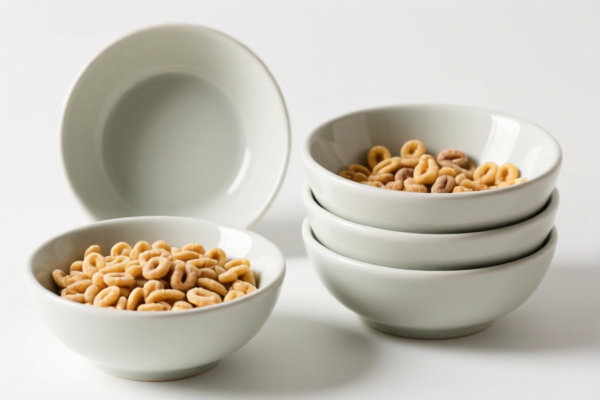
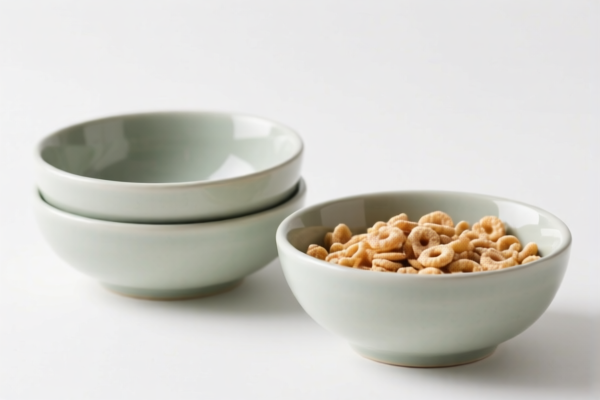
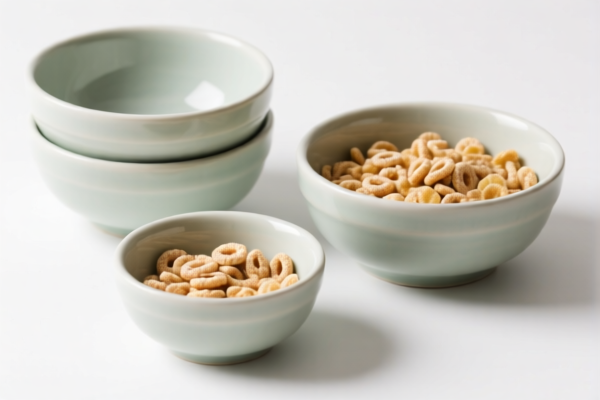
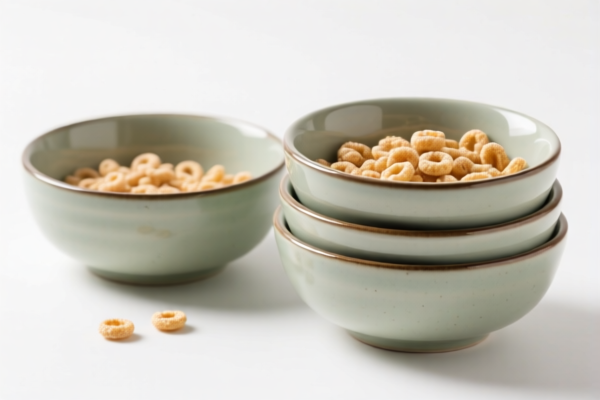
AI分析
🥣 Milo Cereal: HS Code Classification & US Customs Clearance Guide
🌐 HS Code Reference & Customs Clearance Guide | 2026 Latest Tariff Analysis | Professional Transit Strategy
📌 One, Product Definition & Classification: What Exactly is "Milo Cereal"?
Milo, globally recognized by Nestlé, is a popular chocolate malt drink powder. However, when specifically labeled as "Milo Cereal" or "Milo Cereal Bars/Grain Snacks," the product shifts from a pure beverage mix to a prepared grain-based snack or ready-to-eat breakfast cereal.
In international trade, the classification depends heavily on the primary ingredient (cocoa vs. grain/malt) and the processing method (puffed, baked, or simple mixture).
⚠️ Key Distinction:
- If the product is primarily a chocolate/malt drink powder meant to be mixed with water/milk → It is a Cocoa Preparation (Chapter 18) or Food Preparation (Chapter 21).
- If the product is puffed grains, baked cereal bars, or ready-to-eat flakes containing Milo flavor → It falls under Prepared Cereals (Chapter 19) or Other Food Preparations (Chapter 21).
📦 Two, HS Code Classification Details (Based on Provided Data)
The following HS Codes are derived specifically from the provided data context, analyzing the product as either a cocoa-based preparation or a grain-based cereal.
| HS Code | Product Description | Applicability Scenario | Key Material/Feature |
|---|---|---|---|
1806.20.50.00 |
Other preparations of cocoa (Granular/Powder form) | Milo drink powder/mix where cocoa is the dominant flavor profile | Cocoa-based, granular/powder form |
1806.10.15.00 |
Cocoa powder, with added sugar or other sweetening matter | Milo powder specifically classified as sweetened cocoa powder | Cocoa powder + sugar, sweetened |
2106.90.99.98 |
Other food preparations (Not elsewhere specified) | Milo-based mixes that are not pure cocoa or pure grain; general food prep | General food preparation, malt/grain mix |
1904.10.00.40 |
Puffed or roasted cereals (Not further prepared) | Milo-flavored puffed rice/wheat snacks or cereals | Puffed/roasted grain, contains sweeteners |
1904.10.00.80 |
Other puffed or roasted cereals (Not elsewhere specified) | Milo cereal bars or other grain-based snacks without specific cocoa classification | Grain-based, puffed/baked, "Other" category |
🔍 Critical Note:
- If the product is sold as a drink mix (powder),1806.20.50.00is the most common fit for "Milo" due to its cocoa nature.
- If the product is a solid cereal bar or puffed snack,1904.10.00.40or1904.10.00.80is appropriate.
- Misclassification between Chapter 18 (Cocoa) and Chapter 19 (Cereals) can lead to significant tariff differences and customs delays.
💰 Three, 2026 Latest Tariff Rate Breakdown (Including Additional Duties)
✅ Applicable Country: United States (US)
✅ Origin: China (CN) (Assumed based on "Section 301" and "122" references in data)
✅ Effective Time: Current US Trade Policy (Post-2025 adjustments)
🎯 1. HS Code 1806.20.50.00 — Cocoa Preparations (Granular/Powder)
| Item | Content |
|---|---|
| Basic Tariff | 4.3% |
| Section 301 Tariff | +7.5% |
| Section 122 Tariff | +10% |
| Total Tax Rate | 21.8% |
| Calculation Method | Ad Valorem (Percentage of CIF Value) |
| De Minimis Exemption | ❌ Not Eligible (High tariff rates usually deny de minimis for Section 301 goods) |
| Legal Basis | Section 301 (7.5%) + Section 122 (10%) + Basic Rate (4.3%) |
📌 Explanation:
- This is the standard classification for Milo drink powder.
- The 21.8% total rate is significant and must be factored into landed cost calculations.
- Section 122 refers to specific trade remedies often applied to certain Chinese imports.
🎯 2. HS Code 1806.10.15.00 — Sweetened Cocoa Powder
| Item | Content |
|---|---|
| Basic Tariff | 21.7¢/kg (Specific Duty) |
| Section 301 Tariff | 0.0% (Note: Data shows 0.0% for this specific subheading in the context provided, but check latest updates) |
| Section 122 Tariff | +10% |
| Total Tax Rate | 21.7¢/kg + 10% |
| Calculation Method | Mixed: Specific Duty (per kg) + Ad Valorem (10% on CIF) |
| De Minimis Exemption | ❌ Not Eligible |
| Legal Basis | Section 122 (10%) + Specific Duty (21.7¢/kg) |
📌 Explanation:
- This code applies if the product is strictly defined as sweetened cocoa powder rather than a "preparation."
- The specific duty (21.7¢/kg) is fixed per weight, while the 10% Section 122 is added on the value.
- Note: Verify if Section 301 applies; some cocoa preparations may have different footnotes.
🎯 3. HS Code 2106.90.99.98 — Other Food Preparations
| Item | Content |
|---|---|
| Basic Tariff | 6.4% |
| Section 301 Tariff | 0.0% |
| Section 122 Tariff | +10% |
| Total Tax Rate | 16.4% |
| Calculation Method | Ad Valorem (Percentage of CIF Value) |
| De Minimis Exemption | ❌ Not Eligible |
| Legal Basis | Section 122 (10%) + Basic Rate (6.4%) |
📌 Explanation:
- Used when the product is a composite food preparation that doesn't fit strictly into Chapter 18 (Cocoa) or Chapter 19 (Cereals).
- 16.4% is lower than the cocoa-specific codes, making it potentially cost-effective if the product structure allows.
- Common for malt-based mixes with low cocoa content.
🎯 4. HS Code 1904.10.00.40 — Puffed/Roasted Cereals (With Sweeteners)
| Item | Content |
|---|---|
| Basic Tariff | 1.1% |
| Section 301 Tariff | +7.5% |
| Section 122 Tariff | +10% |
| Total Tax Rate | 18.6% |
| Calculation Method | Ad Valorem (Percentage of CIF Value) |
| De Minimis Exemption | ❌ Not Eligible |
| Legal Basis | Section 301 (7.5%) + Section 122 (10%) + Basic Rate (1.1%) |
📌 Explanation:
- Applicable for Milo-flavored puffed rice or wheat snacks.
- The 1.1% basic rate is very low, but the 17.5% in additional duties (7.5% + 10%) bring the total to 18.6%.
- Ensure the product is genuinely puffed or roasted and not just a baked bar.
🎯 5. HS Code 1904.10.00.80 — Other Puffed/Roasted Cereals
| Item | Content |
|---|---|
| Basic Tariff | 1.1% |
| Section 301 Tariff | +7.5% |
| Section 122 Tariff | +10% |
| Total Tax Rate | 18.6% |
| Calculation Method | Ad Valorem (Percentage of CIF Value) |
| De Minimis Exemption | ❌ Not Eligible |
| Legal Basis | Section 301 (7.5%) + Section 122 (10%) + Basic Rate (1.1%) |
📌 Explanation:
- Similar to1904.10.00.40but for other types of puffed/roasted grain preparations not specifically listed.
- Also totals 18.6%.
- Use this for cereal bars or granola-style Milo products if1904.10.00.40does not fit.
🛠️ Four, Customs Clearance Practical Advice (Pitfall Avoidance)
✅ 1. Documentation Checklist (Must-Haves)
| Document | Required | Notes |
|---|---|---|
| ✅ Product Specification Sheet | ✔️ | Must clearly state: Ingredients, Cocoa % vs. Grain %, Processing Method (Puffed/Baked/Mixed) |
| ✅ Product Photos | ✔️ | Show packaging, ingredient list, and product form (Powder/Bar/Flake) |
| ✅ Commercial Invoice | ✔️ | Accurate description: "Milo Chocolate Malt Drink Powder" or "Milo Puffed Cereal Bars" |
| ✅ Certificate of Origin | ✔️ | Essential for proving CN origin to apply/add Section 301/122 duties |
| ✅ Nutritional Facts Panel | ✔️ | Helps customs verify if it's a "Food Prep" or "Cocoa Powder" |
✅ 2. Classification Strategy (Key Tips)
🔥 "Form Defines Code: Powder is Cocoa, Bar is Cereal!"
| Product Form | Recommended HS Code | Why? |
|---|---|---|
| Drink Powder | 1806.20.50.00 |
Primary cocoa content, granular/powder form |
| Sweetened Cocoa Powder | 1806.10.15.00 |
Pure cocoa powder with sugar, not a "preparation" |
| Malt/Grain Mix (Non-Cocoa dominant) | 2106.90.99.98 |
General food preparation, composite mix |
| Puffed Snack/Breakfast Cereal | 1904.10.00.40 or .80 |
Grain-based, puffed/roasted, ready-to-eat |
📌 Warning:
- Do not declare a cereal bar as cocoa powder (1806.xx) to try to lower taxes. Customs will reject based on physical form.
- Do not declare drink powder as cereal (1904.xx). It may face rejection for misclassification.
✅ 3. Special Scenarios
| Scenario | Advice |
|---|---|
| Private Label Milo | Ensure the ingredient list matches the claimed HS Code. If it has >20% cocoa, 1806 is safer. |
| Milo Bars | Clearly state "Puffed Rice with Cocoa Coating" to justify 1904 if applicable, or 1806 if cocoa is primary. |
| Small Quantity Samples | Even small shipments are subject to Section 301 and Section 122 duties. No de minimis exemption. |
🌍 Five, Global Market Comparison (2026)
| Market | Recommended HS Code | Estimated Total Duty (CN Origin) | Notes |
|---|---|---|---|
| 🇺🇸 USA | 1806.20.50.00 |
21.8% | High due to Section 301 + 122 |
| 🇪🇺 EU | 1806.20.00 |
~9-10% | No Section 301, but standard customs duties apply |
| 🇬🇧 UK | 1806.20.00 |
~9-10% | Similar to EU post-Brexit |
| 🇨🇳 China | 1806.20.50.00 |
~12-15% | Import duties vary, but lower than US add-ons |
| 🇦🇺 Australia | 1806.20.00 |
~5% | Free Trade Agreement (CHAFTA) may apply |
📌 Conclusion:
- The USA is the most expensive market for Milo products due to Section 301 and Section 122 duties.
- Consider supply chain diversification if targeting the US market heavily.
📌 Six, Common Errors & Pitfalls (Lessons Learned)
❌ Error 1: Declaring Milo Cereal Bars as Cocoa Powder (1806.10.15.00) to avoid higher taxes.
👉 Consequence: Customs inspection reveals solid form → Misclassification penalty + Back Taxes.
❌ Error 2: Ignoring Section 122 in the calculation.
👉 Consequence: Underpayment by 10% → Customs seizure or lien.
❌ Error 3: Using vague descriptions like "Chocolate Drink."
👉 Consequence: Customs assigns a random code → Delays and potential higher duty.
❌ Error 4: Assuming de minimis ($800) applies.
👉 Consequence: Section 301 goods are NOT eligible for de minimis → Full duties charged.
✅ Correct Approach:
"Milo Chocolate Malt Drink Powder, Cocoa-Based, 500g Pack"
HS Code:1806.20.50.00
Duty: 21.8% (4.3% Base + 7.5% Sec 301 + 10% Sec 122)
🎯 Seven, Conclusion: Accurate Classification Saves Money!
🎯 Remember the Rule:
🔹 "Powder = Cocoa (1806), Bar/Cereal = Grain (1904)"
🔹 "USA = High Duty (21.8%), EU/UK = Moderate (9-10%)"
🔹 "No De Minimis for Section 301 Goods!"
📌 Pro Tip:
If your Milo product is sourced from Vietnam or Thailand (not China), you may avoid Section 301 duties, reducing the total rate significantly.
✅ Recommendation: Apply for an Advance Ruling from US Customs (CBP) to confirm the correct HS Code before shipping.
📣 Act Now:
📞 Contact a licensed customs broker + Provide product samples + Verify Section 301 applicability
🚀 Ensure smooth clearance, avoid penalties, and maximize profit margins!
✨ Professional Customs Clearance Starts with Accurate Classification!
💼 Every percentage point matters in international trade!
用户评价
关于 HS 编码归类
协调制度(HS)是由世界海关组织(WCO)制定的国际贸易商品分类标准。全球 200 多个国家采用 HS 系统作为海关关税、贸易统计和进出口监管的基础。
每个 HS 编码遵循以下层级结构:
- 章(2 位)——商品大类(例如:第 84 章:机器和机械设备)
- 品目(4 位)——章内的更具体分类
- 子目(6 位)——国际通用细分,所有 WCO 成员国统一使用
- 本国细分(8-10 位)——各国自行扩展的细分编码,如美国 HTSUS 10 位编码
正确的 HS 编码归类对于顺利通关、准确缴纳关税和遵守贸易法规至关重要。错误归类可能导致海关延误、多缴关税或罚款。
从CN进口到US时,适用的关税税率可能包括:
- 最惠国(MFN)税率——适用于 WTO 成员国的标准关税税率
- 普通税率——适用于无贸易协定国家
- 贸易救济关税——附加关税,如 301 条款(反倾销)、232 条款(国家安全)或反补贴税
本页内容仅供参考。如需正式归类,请咨询当地海关或持牌报关代理。