milo grain
CN → US| HS编码 | 关税税率 | 原产国 | 目的国 | 文档 |
|---|---|---|---|---|
| 2302400110 | 35.0% | CN | US | 官方文档 |
| 2302400190 | 35.0% | CN | US | 官方文档 |
| 1007900000 | 0.0% | CN | US | 官方文档 |
| 1007100000 | 0.0% | CN | US | 官方文档 |
商品图片
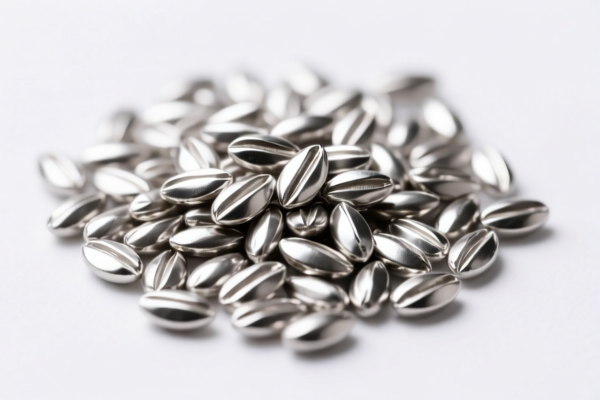
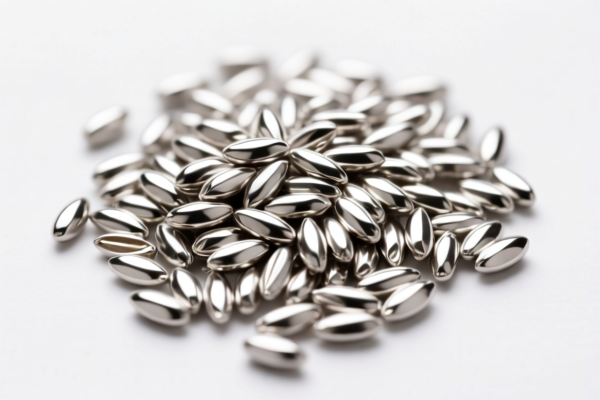
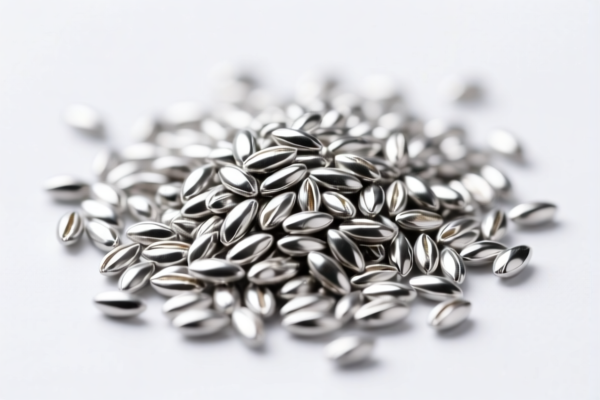
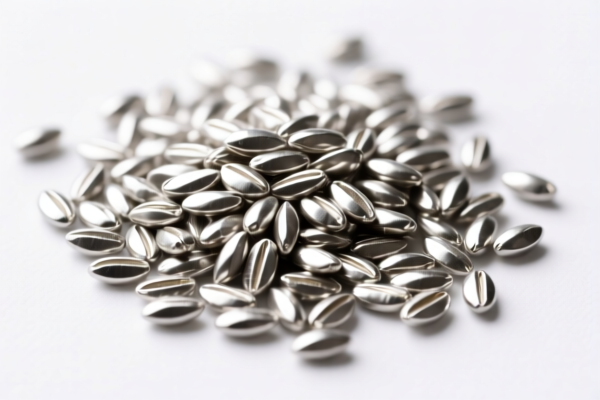
AI分析
🌾 Milo Grain (Grain Sorghum)
Scientific Name: Sorghum bicolor
Common Trade Name: Grain Sorghum, Milo
🌐 HS Code Reference & Customs Clearance Guide | 2026 Latest Tariff Analysis | Professional Level Compliance Strategy
📌 I. Product Definition & Classification: What Exactly is "Milo Grain"?
In international trade, Milo is another common name for Grain Sorghum. It is a cereal grain primarily used for animal feed, food production (flour, syrup), and increasingly for ethanol fuel. Unlike sorghum grown specifically for seed propagation or syrup, "Grain Sorghum" refers to the mature grain harvested for bulk consumption or processing.
To ensure accurate customs clearance, it is critical to distinguish between Commercial Grain and Seed Sorghum, as they carry vastly different tariff liabilities.
⚠️ Key Distinction Point:
- If the sorghum is intended for planting/generation propagation → Classified as Seed (HS 1007.10).
- If the sorghum is intended for feed, food, or industrial use → Classified as Other/Commercial Grain (HS 1007.90).
- If the sorghum is processed into by-products like bran or residues → Classified under Chapter 23 (HS 2302.40).
📦 II. HS Code Classification Details (2026 Latest Tariff Authority)
Based on the provided data, here is the precise classification for Milo Grain and its by-products:
| HS Code | Product Description | Application Scenario | Status |
|---|---|---|---|
1007.90.00.00 |
Grain sorghum: Other | Bulk grain sorghum intended for feed, food, or processing. | ✅ Primary Classification for Commercial Milo |
1007.10.00.00 |
Grain sorghum: Seed | Sorghum seeds specifically certified and sold for planting purposes. | ✅ For Seed Only |
2302.40.01.10 |
Bran & residues (Chopped/Crushed) | By-products from milling grain sorghum, processed for animal feed. | ✅ For Processed By-Products |
2302.40.01.90 |
Bran & residues (Other) | Other residues from milling grain sorghum not specifically chopped/crushed. | ✅ For Other By-Products |
🔍 Critical Reminder:
- Most imported "Milo" for livestock feed falls under 1007.90.00.00.
- Do NOT misclassify commercial grain as "Seed" to avoid tariffs; customs will inspect germination rates or documentation.
- If you are importing sorghum bran (waste from milling), you must use Chapter 23 codes, not Chapter 10.
💰 III. 2026 Latest Tariff Rate Breakdown (Including Surcharges & Policy Add-ons)
✅ Applicable Country: United States (US)
✅ Origin: China (CN) (Note: Specific country of origin affects applicability of "Surtax", but base rates apply universally. The data provided implies specific surtaxes are active.)
✅ Effective Time: Current Regulations
🎯 1. 1007.90.00.00 —— Grain Sorghum: Other (Commercial Milo)
| Item | Content |
|---|---|
| Base Tariff | 0.22¢/kg (Specific Duty) |
| Surtax (Section 301) | +25.0% (Ad Valorem) |
| Total Tax Impact | 0.22¢/kg + 25.0% |
| Tax Calculation | Specific Duty (per kg) + Ad Valorem Duty (25% of CIF Value) |
| Exemption Available? | ❌ No |
📌 Explanation:
- This is the standard code for commercial-grade Milo.
- You pay a small specific fee (0.22 cents per kilogram) PLUS a heavy 25% ad valorem tax on the total value.
- This results in a high effective tariff rate, significantly impacting profit margins for feed suppliers.
🎯 2. 1007.10.00.00 —— Grain Sorghum: Seed
| Item | Content |
|---|---|
| Base Tariff | 0.0% |
| Surtax (Section 301) | 0.0% |
| Total Tax Impact | 0.0% |
| Tax Calculation | Free of duty |
| Exemption Available? | ✅ Yes (0% Rate) |
📌 Explanation:
- Seed Sorghum is currently duty-free.
- ⚠️ Warning: This is a zero-tariff category, but it is strictly regulated. Importers must provide proof that the goods are "Seed" (e.g., germination certificates, labeling). Misdeclaring commercial grain as seed is considered fraud.
🎯 3. & 4. Chapter 23 Codes (2302.40.01.10 & 2302.40.01.90) —— Bran & Residues
| HS Code | Description | Total Tax |
|---|---|---|
2302.40.01.10 |
Bran, sharps, residues: Of other cereals; Chopped, crushed, or ground | 25.0% |
2302.40.01.90 |
Bran, sharps, residues: Of other cereals; Other | 25.0% |
📌 Explanation:
- If you are importing sorghum by-products (not whole grain), the tax is 25.0% (Ad Valorem).
- There is no specific duty (¢/kg) for these residues, only the percentage-based surtax.
🛠️ IV. Customs Clearance Practical Advice (Battle-Tested Pitfall Guide)
✅ 1. Document Checklist (Non-negotiable)
| Document | Required? | Notes |
|---|---|---|
| ✅ Commercial Invoice | ✔️ | Must clearly state "Grain Sorghum" or "Seed Sorghum" based on HS code. |
| ✅ Phytosanitary Certificate | ✔️ | Mandatory for all grain imports to prevent pest introduction. |
| ✅ Bill of Lading (B/L) | ✔️ | Must match invoice description exactly. |
| ✅ Certificate of Origin | ✔️ | To verify source country for surtax determination. |
| ✅ Germination Certificate | ⚠️ | ONLY if claiming HS 1007.10.00.00 (Seed). Not needed for 1007.90. |
| ✅ Feeding Stuff License | ⚠️ | Some jurisdictions require importers of animal feed to be licensed. |
✅ 2. Classification Strategy (Crucial Tips)
🔥 "Know Your Intent: Seed is Free, Grain is Taxed!"
| Scenario | Correct HS Code | Duty Rate | Why? |
|---|---|---|---|
| Bulk Milo for Cattle Feed | 1007.90.00.00 |
0.22¢/kg + 25% | It is "Other" grain, not for planting. |
| Milo sold to Farmers for planting | 1007.10.00.00 |
0.0% | It is legally defined as "Seed". |
| Milo Bran/Waste from milling | 2302.40.01.10/90 |
25.0% | It is a by-product (Chapter 23), not whole grain. |
📌 Critical Warning:
- Do not attempt to classify commercial grain as "Seed" to save 25%. Customs brokers and CBP officers are trained to check for:
- Packaging size (Seed is usually smaller packs; Grain is bulk).
- Labeling ("For Planting Only").
- Germination Test Results.
- Consequence of Misclassification: Back taxes, fines, and potential seizure of goods.
✅ 3. Special Circumstances Handling
| Situation | Handling Advice |
|---|---|
| Mixed Shipment (Seed + Grain) | Declare separately! Do not mix them in one line item. If mixed, CBP may apply the higher duty rate to the entire shipment. |
| Transshipment | Ensure phytosanitary certificates are not expired during transit. Grain is sensitive to moisture and pests. |
| USDA Inspection | Expect a physical inspection at the port of entry. Have your PI (Plant Inspector) appointment ready. |
🌍 V. Global Market Comparison (2026 Overview)
| Market | Recommended HS Code | Estimated Duty | Notes |
|---|---|---|---|
| 🇺🇸 USA | 1007.90.00.00 |
0.22¢/kg + 25% | High tariff barrier for commercial grain. |
| 🇨🇳 China | 1007.90 | ~0% - 5% | Often lower tariffs, but subject to quota restrictions. |
| 🇪🇺 EU | 1007.90 | Variable | May require specific food safety standards (EFSA). |
| 🇲🇽 Mexico | 1007.90 | Preferential | Often 0% under USMCA if originating in North America. |
📌 Conclusion:
- The USA imposes the highest barrier (25% surtax) on commercial Milo.
- Seed Sorghum remains duty-free globally in many major trade partners, highlighting its strategic importance for agriculture.
📌 VI. Common Errors & Pitfalls (Lessons from Blood & Tears)
❌ Error 1: Classifying bulk feed grain as "Seed" (1007.10)
👉 Consequence: CBP rejects the entry, demands 25% duty + penalties, delays shipment by weeks.
❌ Error 2: Ignoring the Specific Duty (0.22¢/kg)
👉 Consequence: Underestimating landed cost. If you import 10,000 kg, that’s $22 extra in specific duty alone, on top of the 25% ad valorem.
❌ Error 3: Missing Phytosanitary Certificate
👉 Consequence: Cargo held at port, potential fumigation costs, or return shipment.
✅ Correct Approach:
"Grain Sorghum, for feed use, bulk, Phytosanitary Cert #12345, Origin: USA"
Use HS Code:1007.90.00.00
🎯 VII. Conclusion: Precision Classification Saves Money!
🎯 Remember the Mantra:
🔹 "Seed is Free, Grain is Expensive."
🔹 "Check the Label: Planting or Eating?"
🔹 "Don't Ignore the 25% Surtax on Chapter 10, Grain."
📌 Pro Tip:
If you are a farmer importing seeds, ensure your supplier provides a Seed Certification Label. If you are a feed mill importing grain, budget for the 25% surtax + specific duty.
Always request a Pre-Ruling (Advance Ruling) from CBP if your product is on the borderline between Seed and Grain.
📣 Take Action Now:
📞 Consult a Licensed Customs Broker
📄 Prepare Phytosanitary Certificates in Advance
📊 Calculate Landed Cost with 25% Surtax Included
✨ Professional Customs Clearance Starts with Accurate Classification!
💼 Your Profit Margin Depends on Your HS Code!
用户评价
关于 HS 编码归类
协调制度(HS)是由世界海关组织(WCO)制定的国际贸易商品分类标准。全球 200 多个国家采用 HS 系统作为海关关税、贸易统计和进出口监管的基础。
每个 HS 编码遵循以下层级结构:
- 章(2 位)——商品大类(例如:第 84 章:机器和机械设备)
- 品目(4 位)——章内的更具体分类
- 子目(6 位)——国际通用细分,所有 WCO 成员国统一使用
- 本国细分(8-10 位)——各国自行扩展的细分编码,如美国 HTSUS 10 位编码
正确的 HS 编码归类对于顺利通关、准确缴纳关税和遵守贸易法规至关重要。错误归类可能导致海关延误、多缴关税或罚款。
从CN进口到US时,适用的关税税率可能包括:
- 最惠国(MFN)税率——适用于 WTO 成员国的标准关税税率
- 普通税率——适用于无贸易协定国家
- 贸易救济关税——附加关税,如 301 条款(反倾销)、232 条款(国家安全)或反补贴税
本页内容仅供参考。如需正式归类,请咨询当地海关或持牌报关代理。