mini amplifier
CN → US| HS编码 | 关税税率 | 原产国 | 目的国 | 文档 |
|---|---|---|---|---|
| 9013802000 | 16.6% | CN | US | 官方文档 |
| 8543709810 | 37.6% | CN | US | 官方文档 |
| 9013809100 | 22.0% | CN | US | 官方文档 |
| 8518402000 | 35.0% | CN | US | 官方文档 |
| 8518500000 | 35.0% | CN | US | 官方文档 |
商品图片
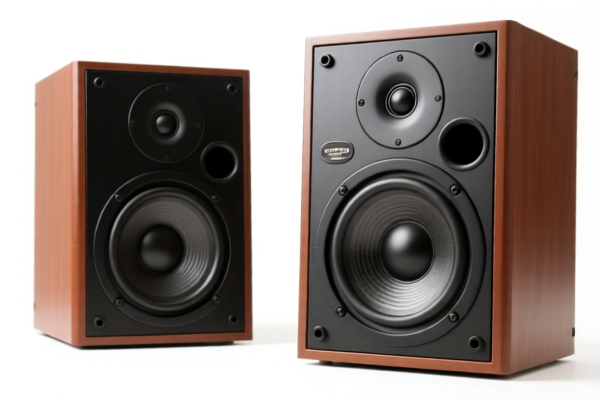
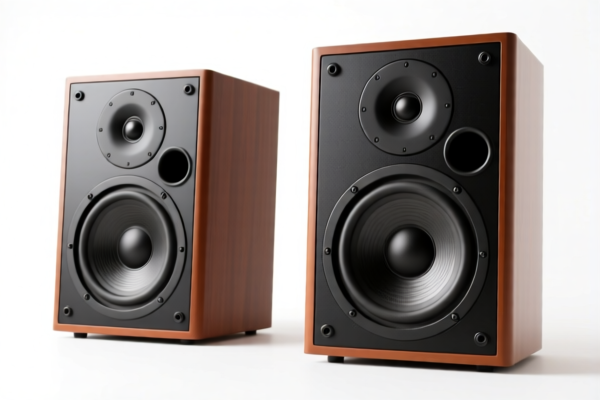
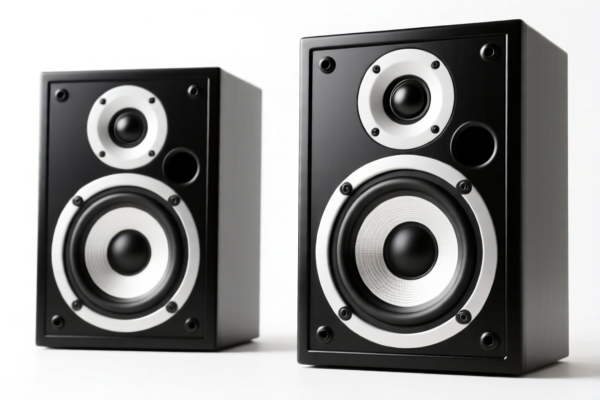
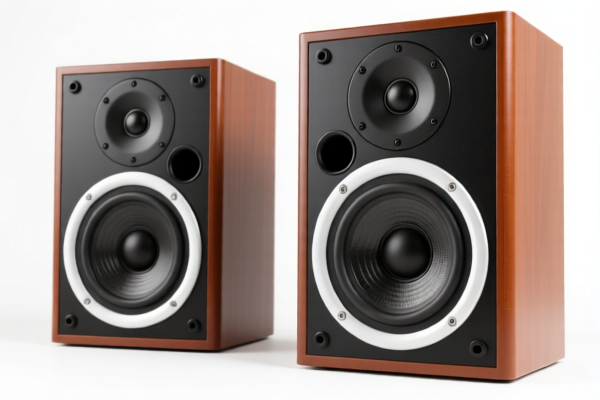
AI分析
🔊 Mini Amplifier (Mini Amplifiers)
🌐 HS Code Reference & Customs Clearance Guide | 2026 Latest Tariff Analysis | Strategic Clearance Strategy
📌 I. Product Definition & Classification: What Exactly is a "Mini Amplifier"?
A Mini Amplifier is a compact electronic device designed to increase the amplitude of a signal. In international trade, its classification is highly controversial and depends entirely on its underlying technology and primary function.
It is generally divided into two main categories:
- Audio/Electrical Amplifiers: Devices that amplify electrical audio signals for speakers/headphones (e.g., portable Bluetooth amps, guitar amps). These fall under Chapter 85.
- Optical Instruments: Devices that use light-based technology for sensing or measurement (e.g., certain laser range finders or optical sensors mistakenly called "amplifiers" due to signal boosting optics). These fall under Chapter 90.
⚠️ Critical Distinction Point:
- If the device processes electrical audio signals →归入 8518.xx.xx.xx (Audio Equipment)
- If the device is a portable optical instrument → 归入 9013.xx.xx.xx (Optical Appliances)
- Misclassification Risk: Calling it an "optical device" to lower taxes when it is actually electrical will lead to severe penalties and potential seizure.
📦 II. HS Code Classification Details (2026 Latest Tariff Authority Comparison)
Based on the provided data, here are the five possible HS Codes for a "Mini Amplifier," ranging from low-cost optical misclassification to high-cost electrical classification.
| HS Code | Product Description | Applicable Scenario | Tax Burden |
|---|---|---|---|
9013.80.20.00 |
Mini amplifier classified as Optical Instrument | Handheld/small optical devices; Note: Technically questionable for standard audio amps | 🟢 Lowest (16.6%) |
9013.80.91.00 |
Mini amplifier classified as Other Optical Equipment | Falls under general optical equipment category; Alternative optical classification | 🟡 Medium (22.0%) |
8518.40.20.00 |
Mini amplifier classified as Electric Audio Amplifier | Standard electrical amplifiers for audio purposes | 🔴 High (35.0%) |
8518.50.00.00 |
Mini amplifier classified as Electro-acoustic Amplifier Set | Groups of electro-acoustic equipment; Similar tax to 8518.40 | 🔴 High (35.0%) |
8543.70.98.10 |
Mini amplifier classified as Signal Amplifier (General) | Electronic signal processing devices; Highest penalty due to Section 301 | 🔴🔴 Highest (37.6%) |
🔍 Key Insight:
- The Optical Classifications (9013) offer the lowest tariffs (16.6% - 22.0%) but require proving the device is an optical instrument, which is rare for consumer audio amps.
- The Electrical Classifications (8518/8543) are likely the correct legal classification for audio amplifiers but carry significantly higher tariffs (35.0% - 37.6%).
-8543.70.98.10incurs the highest total tax (37.6%) due to the specific combination of Base + Section 301 + 122 Clause tariffs.
💰 III. 2026 Latest Tariff Rate Breakdown (Detailed Tax Clauses)
✅ Applicable Country: United States (US)
✅ Origin: China (CN)
✅ Effective Time: Current 2025-2026 Trade Restrictions
🎯 1. 9013.80.20.00 — Optical Instrument (Lowest Cost Option)
| Item | Detail |
|---|---|
| Base Tariff | 6.6% |
| Additional Tariff (Section 301) | 0.0% |
| Section 122 Clause Tariff | 10.0% |
| Total Tax Rate | 16.6% |
| Tax Calculation | CIF Value × 16.6% |
| Legal Basis | Chapter 90 (Optical Instruments) |
📌 Explanation:
- This classification assumes the device is a handheld optical appliance.
- Risk: If U.S. Customs (CBP) determines the device is actually an audio amplifier, this classification is illegal. You may face back-taxes, fines, and audits.
- Strategy: Only use if you can legally prove the "amplification" is optical/laser-based, not electrical/audio.
🎯 2. 9013.80.91.00 — Other Optical Equipment (Medium Cost Option)
| Item | Detail |
|---|---|
| Base Tariff | 4.5% |
| Additional Tariff (Section 301) | 7.5% |
| Section 122 Clause Tariff | 10.0% |
| Total Tax Rate | 22.0% |
| Tax Calculation | CIF Value × 22.0% |
| Legal Basis | Chapter 90 (Other Optical Devices) |
📌 Explanation:
- Another optical classification, but with a higher Section 301 add-on (7.5% vs 0.0% in 9013.80.20.00).
- Still significantly cheaper than electrical classifications, but high risk for audio products.
🎯 3. 8518.40.20.00 — Electric Audio Amplifier (Standard Legal Option)
| Item | Detail |
|---|---|
| Base Tariff | 0.0% |
| Additional Tariff (Section 301) | 25.0% |
| Section 122 Clause Tariff | 10.0% |
| Total Tax Rate | 35.0% |
| Tax Calculation | CIF Value × 35.0% |
| Legal Basis | Chapter 85 (Electrical Machinery; Section 301 List) |
📌 Explanation:
- Base Tariff is 0%, but Section 301 tariffs apply heavily (25%).
- This is the most likely correct classification for standard portable audio amps (e.g., Bose SoundLink, JBL Clip style products).
- No Base Tax, but the 25% + 10% penalty is steep.
🎯 4. 8518.50.00.00 — Electro-acoustic Amplifier Set (Standard Legal Option)
| Item | Detail |
|---|---|
| Base Tariff | 0.0% |
| Additional Tariff (Section 301) | 25.0% |
| Section 122 Clause Tariff | 10.0% |
| Total Tax Rate | 35.0% |
| Tax Calculation | CIF Value × 35.0% |
| Legal Basis | Chapter 85 (Electrical Machinery) |
📌 Explanation:
- Identical tax rate to8518.40.20.00.
- Use this if the product is sold as a set (e.g., amp + speaker system) rather than a standalone amplifier unit.
🎯 5. 8543.70.98.10 — Signal Amplifier (Highest Cost Option)
| Item | Detail |
|---|---|
| Base Tariff | 2.6% |
| Additional Tariff (Section 301) | 25.0% |
| Section 122 Clause Tariff | 10.0% |
| Total Tax Rate | 37.6% |
| Tax Calculation | CIF Value × 37.6% |
| Legal Basis | Chapter 85 (Other Electrical Machinery) |
📌 Explanation:
- This is the most expensive classification.
- Applies if the device is considered a "general purpose electronic signal amplifier" rather than an audio-specific device.
- Recommendation: Avoid this code unless no other audio-specific code fits.
🛠️ IV. Customs Clearance Practical Advice (Pitfall Avoidance Guide)
✅ 1. Documentation Checklist (Essential)
| Document | Required | Description |
|---|---|---|
| ✅ Product Spec Sheet | ✔️ | Must clearly state: Input/Output Voltage, Frequency Response, Power Rating. |
| ✅ Circuit Diagram | ✔️ | Crucial for CBP to determine if it's Audio (8518) or Signal (8543) or Optical (9013). |
| ✅ Product Photos | ✔️ | Show ports (RCA, 3.5mm, USB) to prove audio function. |
| ✅ Commercial Invoice | ✔️ | Description: "Portable Battery-Powered Audio Amplifier, Model XYZ." |
| ✅ FCC ID | ✔️ | Mandatory for electronic devices sold in the US. No FCC ID = No Clearance. |
✅ 2. Classification Strategy (Key Rules)
🔥 “Correct Code Saves Money, Wrong Code Costs Fines!”
| Scenario | Recommended HS Code | Reason |
|---|---|---|
| Standard Portable Audio Amp (e.g., for Bluetooth Speaker) | 8518.40.20.00 or 8518.50.00.00 |
Legally correct as Audio Equipment. Tax 35%. |
| Device with Laser/Sensor Function | 9013.80.20.00 |
Only if it genuinely uses optical amplification. Tax 16.6%. |
| General Electronic Signal Booster (Non-Audio) | 8543.70.98.10 |
For industrial RF/Signal amplifiers. Tax 37.6%. |
| Misclassified Audio Amp as Optical | DO NOT USE 9013 |
High audit risk. CBP checks for audio ports/circuits. |
✅ 3. Special Handling Tips
| Situation | Advice |
|---|---|
| OEM Private Label | Ensure the spec sheet matches the HS code. If you claim "Optical" but have RCA jacks, you will be flagged. |
| Hybrid Devices (e.g., DAC + Amp) | Classify as 8543.70 or 8518 depending on primary function. Do not split shipment. |
| Low-Value Shipments | Even if under $800 (De Minimis), Section 301 tariffs may still apply depending on current CBP enforcement policies. Check current rules. |
| Pre-Ruling Request | Strongly Recommended. Submit a Binding Tariff Information (BTI) or Ruling Request to CBP before shipping to lock in the correct HS Code and avoid post-clearance audits. |
🌍 V. Global Market Comparison (2026 Overview)
| Country/Region | Recommended HS Code | Est. Tariff (China Origin) | Notes |
|---|---|---|---|
| 🇺🇸 USA | 8518.40.20.00 |
35.0% | High Section 301 + 122 Clause. |
| 🇺🇸 USA (Optical Misclass) | 9013.80.20.00 |
16.6% | High Risk. Only for true optical devices. |
| 🇨🇳 China | 8518.40.00.00 |
~10-13% | Lower base tariffs. No Section 301. |
| 🇪🇺 EU | 8518.21 / 8518.40 |
0-1.7% | No Section 301. CE Marking required. |
| 🇬🇧 UK | 8518.40.00.00 |
4% | Post-Brexit tariff structure. |
📌 Conclusion:
- The US market is the most expensive due to additional punitive tariffs.
- Do not attempt to misclassify audio amplifiers as optical instruments (9013) solely for tax savings. The risk of audit, penalty, and product seizure is too high.
- Best Legal Path: Use8518.40.20.00(35.0% total tax) for standard audio amplifiers.
📌 VI. Common Mistakes & Pitfalls (Lessons Learned)
❌ Mistake 1: Using HS Code 9013 for a Bluetooth Speaker Amplifier
👉 Consequence: CBP rejects the entry. Demand for back-taxes (35% vs 16.6%) + penalties.
👉 Lesson: Audio = Chapter 85, Not Chapter 90.
❌ Mistake 2: Ignoring the Section 122 Clause
👉 Consequence: Underpaying duties. The 10% additional tax applies regardless of the base code for many Chinese electronics.
👉 Lesson: Always calculate Total Tax = Base + Sec 301 + Sec 122.
❌ Mistake 3: Using 8543.70.98.10 when 8518 applies
👉 Consequence: Overpaying taxes (37.6% vs 35.0%).
👉 Lesson: If it’s for audio, use 8518. It’s cheaper and more accurate.
✅ Correct Declaration Example:
"Portable Battery-Powered Audio Amplifier, Model XYZ, Input: 5V DC, Output: 3.5mm Jack, FCC ID: ABC123456, HS Code: 8518.40.20.00"
🎯 VII. Conclusion: Professional Classification, Cost Efficiency!
🎯 Remember the Golden Rule:
🔹 "Audio is 8518, Optical is 9013. Don't mix them up!"
🔹 "In the US, expect 35% total tax for audio amps. Don't risk audits with optical codes!"
🔹 "Always apply for a CBP Ruling before shipping large volumes!"
📌 Pro Tip:
If your volume is high, consider supply chain diversification (e.g., assembly in Vietnam or Mexico) to potentially qualify for Section 301 exclusions or lower origin-based tariffs, though policies change frequently. Verify with a customs broker.
📣 Immediate Action:
📞 Contact a Licensed US Customs Broker
📄 Prepare Technical Data Sheet + FCC ID
📝 Request a CBP Binding Ruling for your specific Mini Amplifier model🚀 Clear your goods smoothly, avoid penalties, and protect your margins!
✨ Professional Clearance Starts with Accurate Classification!
💼 Every percentage point of duty counts!
用户评价
关于 HS 编码归类
协调制度(HS)是由世界海关组织(WCO)制定的国际贸易商品分类标准。全球 200 多个国家采用 HS 系统作为海关关税、贸易统计和进出口监管的基础。
每个 HS 编码遵循以下层级结构:
- 章(2 位)——商品大类(例如:第 84 章:机器和机械设备)
- 品目(4 位)——章内的更具体分类
- 子目(6 位)——国际通用细分,所有 WCO 成员国统一使用
- 本国细分(8-10 位)——各国自行扩展的细分编码,如美国 HTSUS 10 位编码
正确的 HS 编码归类对于顺利通关、准确缴纳关税和遵守贸易法规至关重要。错误归类可能导致海关延误、多缴关税或罚款。
从CN进口到US时,适用的关税税率可能包括:
- 最惠国(MFN)税率——适用于 WTO 成员国的标准关税税率
- 普通税率——适用于无贸易协定国家
- 贸易救济关税——附加关税,如 301 条款(反倾销)、232 条款(国家安全)或反补贴税
本页内容仅供参考。如需正式归类,请咨询当地海关或持牌报关代理。