miscellaneous storage box
CN → US| HS编码 | 关税税率 | 原产国 | 目的国 | 文档 |
|---|---|---|---|---|
| 4420908000 | 38.2% | CN | US | 官方文档 |
| 4202929315 | 52.6% | CN | US | 官方文档 |
| 3926901000 | 20.9% | CN | US | 官方文档 |
| 4202926010 | 41.3% | CN | US | 官方文档 |
| 3926909989 | 22.8% | CN | US | 官方文档 |
商品图片
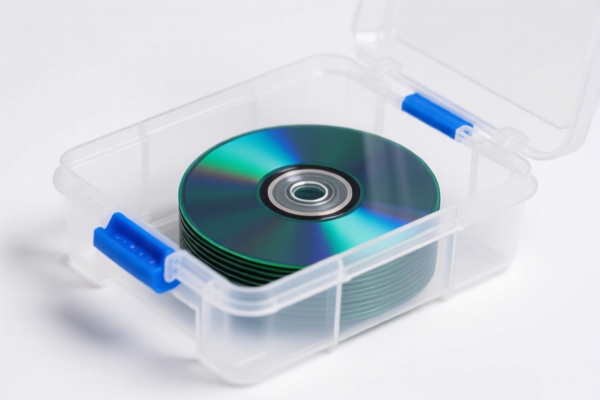

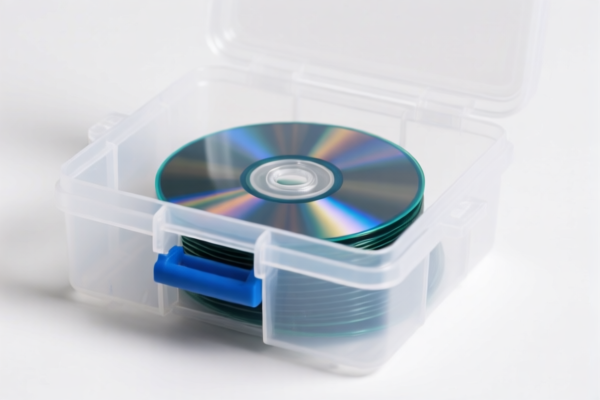

AI分析
📦 Miscellaneous Storage Box: The Ultimate HS Code & Duty Clearance Guide (2026)
🌐 HS Code Reference & Customs Clearance Strategy | 2026 Latest Tariff Breakdown | Professional Compliance Protocol
📌 1. Product Definition & Classification Logic
A "Miscellaneous Storage Box" is a generic term that lacks specific material or functional definition in trade. In international customs, material composition and intended use dictate the HS Code. Misclassification leads to severe duty penalties.
Based on the provided data, the classification depends entirely on the primary surface material or structural nature:
⚠️ Key Classification Distinction:
- Wooden Structure → Jewelry/Tablet-style boxes (Chapter 44)
- Textile/Non-woven Surface → General Containers (Chapter 42)
- Plastic Material → Other Plastic Articles (Chapter 39)
- Hybrid/Mixed (Plastic/Textile) Jewelry Box → Specific Container Class (Chapter 42)
📂 2. HS Code Classification Matrix (2026 Authority Mapping)
| HS Code | Material/Type | Customs Summary | Primary Classification Logic |
|---|---|---|---|
4420.90.80.00 |
Wood | Jewelry, cutlery, or similar wooden boxes | Chapter 44: Articles of wood; specifically designed for valuables (jewelry/cutlery). |
4202.92.93.15 |
Textile/Non-woven | Container with textile outer surface | Chapter 42: Articles of leather/fabric; general storage containers. |
3926.90.10.00 |
Plastic | Plastic container (Other) | Chapter 39: Plastics and articles thereof; specific plastic container sub-category. |
4202.92.60.10 |
Plastic/Textile Hybrid | Jewelry box-like container (Plastic/Textile inferred) | Chapter 42: Containers resembling jewelry boxes, but made of plastic/textile mix. |
3926.90.99.89 |
Plastic | Other plastic articles (Residual Category) | Chapter 39: Plastic articles not specified elsewhere; catch-all for plastic storage. |
🔍 Critical Note:
- If the box is wood, even if used for pens, it likely falls under4420.90.80.00due to the "jewelry/cutlery" or similar refined wooden article classification.
- If the box is plastic, you must choose between3926.90.10.00(specific plastic container) and3926.90.99.89(other plastic articles) based on specific plastic type details not provided here, but both are subject to lower base duties than textile/wood.
- Textile-based boxes incur the highest base duties (17.6%).
💰 3. 2026 Duty Rate Breakdown (Detailed Tax Components)
✅ Target Market: United States (US)
✅ Origin: China (CN) (Implied by 122 Clause & 301 Tariffs)
✅ Effective Date: Current 2026 Tariff Structure
🎯 1. 4420.90.80.00 – Wooden Jewelry/Storage Boxes
| Component | Rate | Explanation |
|---|---|---|
| Base Duty | 3.2% | Standard Most Favored Nation (MFN) rate for wooden articles. |
| Section 301 Tariff | 25.0% | Additional tariff on Chinese goods under Trade Act Section 301. |
| Section 122 Tariff | 10.0% | Additional tariff under Section 122 (Import Restrictions). |
| Total Tax Rate | 38.2% | Sum of all applicable duties. |
📌 Analysis:
- Wood-based storage boxes face a moderate-high total tax burden.
- The 25% Section 301 duty is the dominant cost driver.
- Compliance Tip: Ensure the wood is not exotic/restricted species (CITES) to avoid delays.
🎯 2. 4202.92.93.15 – Textile-Surface Storage Containers
| Component | Rate | Explanation |
|---|---|---|
| Base Duty | 17.6% | Highest base rate among the options due to textile classification. |
| Section 301 Tariff | 25.0% | Additional tariff on Chinese goods. |
| Section 122 Tariff | 10.0% | Additional tariff under Section 122. |
| Total Tax Rate | 52.6% | Highest total tax rate in the dataset. |
📌 Analysis:
- This is the most expensive classification due to the high base duty (17.6%) plus 35% in additional tariffs.
- Risk: High duty volume may trigger scrutiny on "textile content" verification.
- Strategy: If possible, avoid textile-heavy outer layers if a plastic alternative exists to save 14.4% in taxes.
🎯 3. 3926.90.10.00 – Plastic Containers
| Component | Rate | Explanation |
|---|---|---|
| Base Duty | 3.4% | Low base rate for plastic articles. |
| Section 301 Tariff | 7.5% | Reduced Section 301 rate for this specific sub-category (historically lower than 25%). |
| Section 122 Tariff | 10.0% | Additional tariff under Section 122. |
| Total Tax Rate | 20.9% | Lowest total tax rate in the dataset. |
📌 Analysis:
- Cost-Effective Choice. Plastic containers benefit from a significantly lower Section 301 duty (7.5% vs. 25%).
- Total savings: ~17.3% compared to wood and ~31.7% compared to textile.
- Compliance Tip: Verify plastic type (PET, PP, ABS) to ensure correct sub-heading.
🎯 4. 4202.92.60.10 – Hybrid Plastic/Textile Jewelry Boxes
| Component | Rate | Explanation |
|---|---|---|
| Base Duty | 6.3% | Moderate base rate for hybrid jewelry boxes. |
| Section 301 Tariff | 25.0% | Full Section 301 tariff applies. |
| Section 122 Tariff | 10.0% | Additional tariff under Section 122. |
| Total Tax Rate | 41.3% | High tax burden, similar to wood. |
📌 Analysis:
- Despite having some plastic, the jewelry box classification in Chapter 42 attracts the full 25% Section 301 duty.
- Not recommended if pure plastic (3926.90.10.00) is viable, as it saves 20.4% in taxes.
🎯 5. 3926.90.99.89 – Other Plastic Articles
| Component | Rate | Explanation |
|---|---|---|
| Base Duty | 5.3% | Slightly higher base than 3926.90.10.00 but still low. |
| Section 301 Tariff | 7.5% | Same reduced Section 301 rate as other plastic containers. |
| Section 122 Tariff | 10.0% | Additional tariff under Section 122. |
| Total Tax Rate | 22.8% | Second Lowest Total Tax Rate. |
📌 Analysis:
- Very close to3926.90.10.00in cost efficiency.
- Use this if the plastic box does not fit the specific "container" definition of3926.90.10.00(e.g., decorative vs. functional storage).
🛠️ 4. Customs Clearance Practical Advice
✅ 1. Pre-Shipment Documentation Checklist
| Document | Requirement | Reason |
|---|---|---|
| Product Photographs | Clear images of material texture (wood grain, fabric weave, plastic shine). | Customs verifies material to prevent misclassification. |
| Bill of Materials (BOM) | Specify % of wood, plastic, textile, metal. | Critical for determining "principal material" for HS Code. |
| Intended Use Declaration | "Storage for cosmetics," "Office supply organizer," etc. | Helps justify Chapter 39 (Plastic) vs. Chapter 42 (Textile). |
| Commercial Invoice | Must list HS Code explicitly. | Discrepancy between invoice and declaration leads to holds. |
✅ 2. Optimization Strategies (Cost Saving)
| Strategy | Action | Impact |
|---|---|---|
| Material Shift | Switch from Textile (4202.92.93.15) to Plastic (3926.90.10.00). |
Save 31.7% in total duties. |
| Design Change | Avoid "Jewelry Box" shape if made of wood/plastic hybrid. | Avoids 4202.92.60.10 (41.3%) or 4420.90.80.00 (38.2%) in favor of plain plastic containers. |
| Sub-Heading Precision | Verify if the plastic box fits 3926.90.10.00 (7.5% 301) vs 3926.90.99.89 (7.5% 301). |
Both are low, but 3926.90.10.00 has a lower base duty (3.4% vs 5.3%). |
💡 Pro Tip:
If the box is primarily plastic but has a fabric liner, declare as Plastic (3926) rather than Textile (4202). The outer surface material usually drives classification for containers, and plastic attracts lower Section 301 duties (7.5%) compared to textile (25%).
✅ 3. Common Pitfalls & Avoidance
| Pitfall | Consequence | Solution |
|---|---|---|
| Vague Description | "Storage Box" on invoice. | Use "Plastic Storage Container, 5L, PP Material, HS 3926.90.10.00". |
| Mixed Material Confusion | Claiming wood but having plastic hinges/latches. | Declare based on principal material that gives essential character. |
| Under-declaring Value | Low value to avoid tax. | Triggers anti-dumping or fraud scrutiny. Declare accurate CIF value. |
| Ignoring Section 122 | Assuming only 301 duty applies. | Always include 122 Clause (10%) for China-origin goods in current 2026 rules. |
🌍 5. Global Market Comparison (2026 Snapshot)
| Market | Preferred HS Code | Total Duty (Approx.) | Key Requirement |
|---|---|---|---|
| 🇺🇸 USA | 3926.90.10.00 (Plastic) |
20.9% | Section 301 (7.5%) + 122 (10%) + Base (3.4%). |
| 🇺🇸 USA | 4202.92.93.15 (Textile) |
52.6% | High Base (17.6%) + 301 (25%) + 122 (10%). |
| 🇪🇺 EU | 4202.92 / 3926.90 |
6-10% | No Section 301/122. VAT applies separately. |
| 🇨🇳 China | 4420.90 / 4202.92 |
5-15% | Import duties vary by specific sub-heading. |
📌 Conclusion:
- USA Market is Highly Sensitive to Material. Plastic is significantly cheaper than Textile or Wood due to lower Section 301 rates.
- EU/Asia Markets are more neutral on material type, focusing on functional classification.
📌 6. Final Recommendations & Checklist
✅ Do:
1. Specify Material Clearly in product descriptions (e.g., "PP Plastic Storage Bin" vs. "Fabric Storage Cube").
2. Use Plastic (3926) for cost optimization if aesthetic allows.
3. Include Section 122 Tariff in all Landed Cost Calculations for US imports.
❌ Don't:
1. Misdeclare Textile as Plastic – Customs inspections will reveal fabric, leading to fines and retroactive 52.6% duty.
2. Ignore Section 122 – Forgetting the 10% add-on can cause cash flow issues.
3. Assume "Jewelry Box" Classification is Cheaper – 4202.92.60.10 (41.3%) is more expensive than 3926.90.10.00 (20.9%).
🎯 7. Summary Table: Duty Efficiency Ranking
| Rank | HS Code | Material | Total Duty | Cost Efficiency |
|---|---|---|---|---|
| 🥇 1 | 3926.90.10.00 |
Plastic | 20.9% | Best Value |
| 🥈 2 | 3926.90.99.89 |
Plastic | 22.8% | High Value |
| 🥉 3 | 4420.90.80.00 |
Wood | 38.2% | Moderate |
| 4 | 4202.92.60.10 |
Hybrid | 41.3% | Low |
| 5 | 4202.92.93.15 |
Textile | 52.6% | Avoid (Highest Cost) |
📣 Action Item:
📞 Verify Material Composition with your supplier.
🚀 Select3926.90.10.00if plastic is feasible to save ~30% in taxes.
📄 Prepare Detailed Specs to prove plastic/non-textile nature to CBP.
✨ Smart Classification = Profit Protection!
💼 Every 1% in duty saved is pure margin earned.
用户评价
关于 HS 编码归类
协调制度(HS)是由世界海关组织(WCO)制定的国际贸易商品分类标准。全球 200 多个国家采用 HS 系统作为海关关税、贸易统计和进出口监管的基础。
每个 HS 编码遵循以下层级结构:
- 章(2 位)——商品大类(例如:第 84 章:机器和机械设备)
- 品目(4 位)——章内的更具体分类
- 子目(6 位)——国际通用细分,所有 WCO 成员国统一使用
- 本国细分(8-10 位)——各国自行扩展的细分编码,如美国 HTSUS 10 位编码
正确的 HS 编码归类对于顺利通关、准确缴纳关税和遵守贸易法规至关重要。错误归类可能导致海关延误、多缴关税或罚款。
从CN进口到US时,适用的关税税率可能包括:
- 最惠国(MFN)税率——适用于 WTO 成员国的标准关税税率
- 普通税率——适用于无贸易协定国家
- 贸易救济关税——附加关税,如 301 条款(反倾销)、232 条款(国家安全)或反补贴税
本页内容仅供参考。如需正式归类,请咨询当地海关或持牌报关代理。