modified acrylic fiber
CN → US商品图片
AI分析
🧵 Modified Acrylic Fiber (Synthetic Fibers, Artificial)
🌐 HS Code Reference & Customs Clearance Guide | 2026 Latest Tariff Analysis | Professional-Grade Clearance Strategy
📌 I. Product Definition & Classification: Do You Really Understand "Modified Acrylic Fiber"?
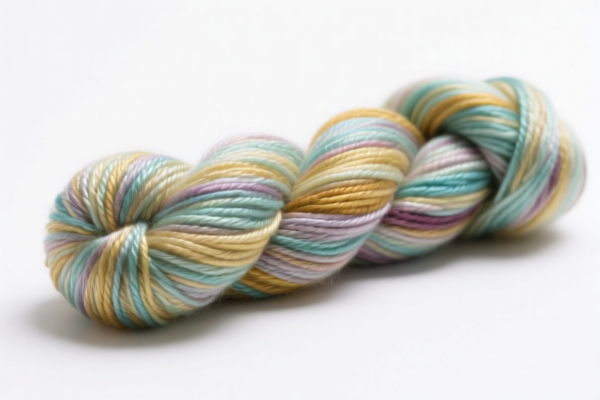
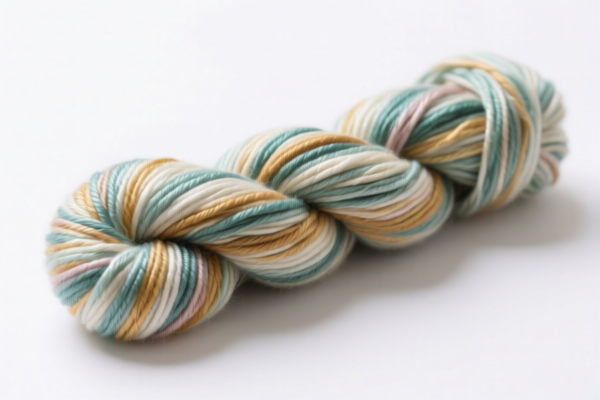
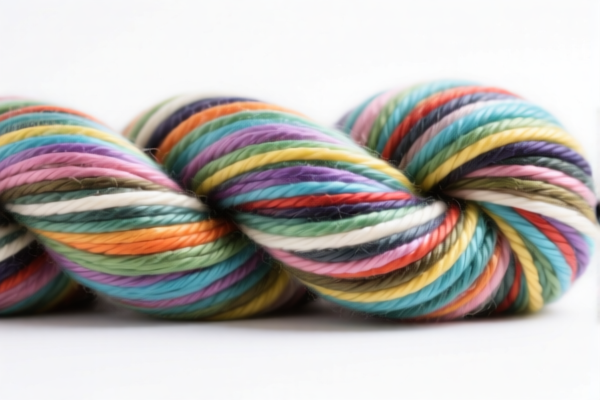
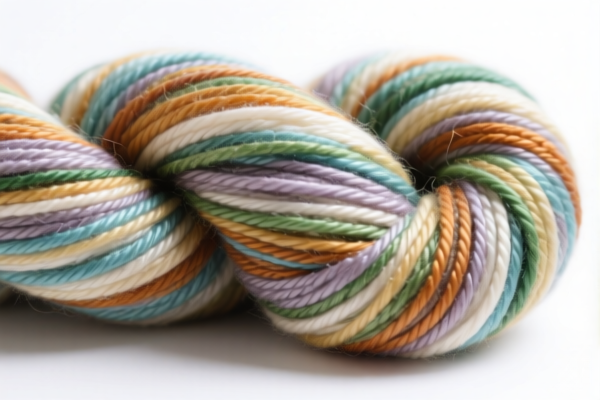
Modified Acrylic Fiber refers to acrylic fibers that have been chemically or physically modified during or after polymerization to improve specific properties such as dyeability, moisture absorption, flame retardancy, or softness. Unlike standard acrylic fibers, these modifications allow for better compatibility with natural fibers (like wool or cotton) and enhanced performance in textiles.
In international trade, it is crucial to distinguish between: 1. Fiber State: Raw fibers, staples, or tow (unspun). 2. Yarn State: Spun into yarns (single or multiple). 3. Fabric State: Knitted or woven fabrics.
⚠️ Key Distinction Point:
- If the product is unspun fiber (staple, tow, or filament) → Classified under Chapter 55 (Synthetic Fibers).
- If the product is spun yarn → Classified under Chapter 54/55 (Yarn of synthetic fibers).
- If the product is fabric → Classified under Chapter 60/61 (Knitted/Woven Fabrics).🔍 Critical Note for This Entry:
The term "Modified Acrylic Fiber" typically refers to the fiber form (staple or tow). This guide focuses on the fiber classification (HS Code 5502/5503/5504) as per the primary input. If you have spun yarn or fabric, please refer to the respective chapters.
📦 II. HS Code Classification Details (2026 Latest Tariff Authority Comparison)
| HS Code | Product Description | Application Scenario | State of Product |
|---|---|---|---|
5502.00.00.00 |
Artificial filament tow | Pre-spinning stage, bulk processing | ✅ Tow (Parallel filaments) |
5503.20.90.00 |
Acrylic or modacrylic staple fibers, not carded or combed | Raw staple fiber, common for blending with wool/cotton | ✅ Staple Fiber (Unprocessed) |
5503.30.00.00 |
Acrylic or modacrylic staple fibers, carded or combed | Processed fiber ready for spinning | ✅ Staple Fiber (Carded/Combed) |
5504.90.00.00 |
Artificial filament yarn (single, not geared for retail sale) | Filament yarn, not yet spun into staple | ✅ Filament Yarn |
5402.69.90.00 |
Synthetic filament yarn (other) | If the acrylic is blended with other synthetics in filament form | ✅ Filament Yarn (Blended) |
🔍 Key Reminder:
- Acrylic fibers are primarily classified under Chapter 55.
- Modacrylic fibers (a copolymer with acrylonitrile ≥ 50% but modified for flame resistance, etc.) are also classified under Chapter 55, often under the same headings as acrylic unless specifically distinguished by local tariff notes.
- Do not confuse with Wool (Chapter 51): Even if blended, the fiber itself is classified by its material. If sold as a fiber product, it’s 5502/5503. If sold as a yarn/fabric, the composition determines the chapter.
💰 III. 2026 Latest Tariff Rate Breakdown (Including Surcharges & Policy Add-ons)
✅ Applicable Country: United States (US)
✅ Country of Origin: China (CN)
✅ Effective Date: From November 10, 2025 (including subsequent imports)
🎯 1. 5503.20.90.00 – Acrylic or Modacrylic Staple Fibers, Not Carded or Combed
| Item | Content |
|---|---|
| Base Tariff Rate | 6.5% (ad valorem) |
| USITC Additional Tariff | +25% (under USITC Footnote 9903.01.01) |
| IEEPA Additional Tariff | +10% (for Chinese/HK products, effective Nov 10, 2025) |
| Total Tariff Rate | 41.5% |
| Tax Calculation | CIF Value × 41.5% |
| De Minimis Eligibility | ❌ Not Eligible (deny_de_minimis) |
| Legal Basis Path | IEEPA:9903.01.25 → IEEPA:9903.01.24 → USITC:5503.20.90.00 → FOOTNOTE:9903.88.01 |
📌 Explanation:
- The 25% USITC surcharge is part of the Section 301 tariffs on Chinese goods.
- The 10% IEEPA surcharge is the new international emergency economic power act levy on Chinese synthetic fibers.
- Total 41.5% is a high tariff, significantly increasing import costs.
- No de minimis exemption: Small packages do not escape this tariff.
🎯 2. 5502.00.00.00 – Artificial Filament Tow
| Item | Content |
|---|---|
| Base Tariff Rate | 6.5% |
| USITC Additional Tariff | +25% |
| IEEPA Additional Tariff | +10% |
| Total Tariff Rate | 41.5% |
| Tax Calculation | CIF Value × 41.5% |
| De Minimis Eligibility | ❌ Not Eligible |
| Legal Basis Path | IEEPA:9903.01.25 → IEEPA:9903.01.24 → USITC:5502.00.00.00 → FOOTNOTE:9903.88.01 |
📌 Note:
- Tow (parallel filaments) is the precursor to staple fibers. Same tariff treatment applies.
- Essential for textile manufacturers importing raw materials for spinning.
🎯 3. 5503.30.00.00 – Acrylic/Modacrylic Staple Fibers, Carded or Combed
| Item | Content |
|---|---|
| Base Tariff Rate | 6.5% |
| USITC Additional Tariff | +25% |
| IEEPA Additional Tariff | +10% |
| Total Tariff Rate | 41.5% |
| Tax Calculation | CIF Value × 41.5% |
| De Minimis Eligibility | ❌ Not Eligible |
| Legal Basis Path | IEEPA:9903.01.25 → IEEPA:9903.01.24 → USITC:5503.30.00.00 → FOOTNOTE:9903.88.01 |
📌 Note:
- Carded/combed fibers are more processed but still face the same high tariffs.
- No additional duty for processing stage within Chapter 55.
🛠️ IV. Customs Clearance Practical Advice (实战避坑指南)
✅ 1. Documentation Checklist (All Required)
| Document | Required | Description |
|---|---|---|
| ✅ Product Specification Sheet | ✔️ | Must specify: Acrylic vs. Modacrylic, Denier, Length, Crimp, Density |
| ✅ Certificate of Origin (CO) | ✔️ | Essential for proving origin; if from Vietnam/Mexico, may qualify for lower tariffs |
| ✅ Commercial Invoice | ✔️ | Clearly state: "Acrylic Staple Fiber, Modified, Not Carded/Combed" |
| ✅ Packing List | ✔️ | Detail gross/net weight, bale size, and container load |
| ✅ Test Report | ✔️ | Lab report confirming chemical composition (Acrylonitrile content ≥ 85% for acrylic) |
| ✅ MSDS (Material Safety Data Sheet) | ✔️ | Required for chemical safety compliance |
✅ 2. Declaration Tips (Key Mnemonics)
🔥 "State Matters, Composition Matters, Origin Matters!"
| Scenario | Correct Declaration | Wrong Practice |
|---|---|---|
| Raw Staple Fiber | 5503.20.90.00 – "Acrylic Staple Fiber, Uncard/Uncombed" |
Misdeclare as "Textile Waste" → High penalty |
| Carded Fiber | 5503.30.00.00 – "Carded Acrylic Fiber" |
Misdeclare as "Uncard" → Underpayment risk |
| Filament Tow | 5502.00.00.00 – "Artificial Filament Tow" |
Misdeclare as "Staple" → Incorrect classification |
| Blended Fiber | Specify % composition (e.g., 70% Acrylic, 30% Wool) | Hide blend → Fraud risk |
✅ 3. Special Case Handling
| Scenario | Handling Advice |
|---|---|
| OEM Custom Fiber | Provide customer spec sheet + dyeability report |
| Flame-Retardant (Modacrylic) | Highlight "Modacrylic" in description; may require additional safety certs |
| Import for R&D | Apply for temporary admission or research exemption if eligible |
| Mixed Container | Separate acrylic fiber from other goods; do not co-load with prohibited items |
🌍 V. Global Market Clearance Comparison (2026 Latest)
| Country/Region | Recommended HS Code | Tariff (China Origin) | Certification Requirements | Notes |
|---|---|---|---|---|
| 🇺🇸 USA | 5503.20.90.00 |
41.5% | None specific | High tariff due to Section 301 + IEEPA |
| 🇨🇳 China | 5503.20.90.00 |
5% | None | Low tariff for domestic import |
| 🇪🇺 EU | 5503.20.90 |
6.5% | REACH Compliance | No additional surcharges |
| 🇦🇺 Australia | 5503.20.90 |
5% | None | Low tariff |
| 🇯🇵 Japan | 5503.20.90 |
6.0% | JIS Standards | Moderate tariff |
📌 Conclusion:
- USA imposes the highest tariffs (41.5%) on modified acrylic fibers from China.
- EU and Asia-Pacific regions are more favorable for tariff purposes.
- Supply Chain Strategy: Consider sourcing from Vietnam, Thailand, or Mexico to mitigate US tariffs (subject to free trade agreements or origin rules).
📌 VI. Common Mistakes & Pitfalls (Lessons Learned)
❌ Mistake 1: Declaring "Acrylic Fiber" as "Plastic Pellets"
👉 Consequence: Incorrect classification → Potential fraud charges, seizure, and heavy fines.
❌ Mistake 2: Ignoring the "Modified" aspect
👉 Consequence: If it’s modacrylic (flame-retardant), it may have different chemical testing requirements. Failure to disclose → Rejection at border.
❌ Mistake 3: Blending with Wool and Declaring as "Wool Fiber"
👉 Consequence: Acrylic fibers do not qualify for wool tariffs. Misdeclaration → Seizure, penalties, and loss of importer record.
✅ Correct Practice:
"Artificial Staple Fibers, Acrylic, Modified, Uncarded, Uncobmed, Denier 1.5D, Length 38mm, Lot No. XYZ, Made in China"
🎯 VII. Conclusion: Precision in Classification Saves Money!
🎯 Remember the Mnemonic:
🔹 "Fiber State Dictates Code, Origin Dictates Cost, Composition Dictates Certs!"
🔹 "Acrylic from China to USA = 41.5% Tax, Think Twice Before You Ship!"
📌 Pro Tip:
If your acrylic fiber is originally produced in Vietnam, Thailand, or Malaysia, you may be eligible for lower or zero tariffs under USMCA or other trade agreements.
Recommendation: Apply for an Advance Ruling from US CBP to confirm the correct HS Code and tariff rate before shipment.
📣 Take Action Now:
📞 Contact a Professional Customs Broker + Provide Product Specs + Apply for Advance Ruling
🚀 Ensure Smooth Clearance, Minimize Tariffs, Maximize Profit!
✨ Professional Clearance Starts with Accurate Classification!
💼 Your Every Cent Counts in Global Trade!
用户评价
关于 HS 编码归类
协调制度(HS)是由世界海关组织(WCO)制定的国际贸易商品分类标准。全球 200 多个国家采用 HS 系统作为海关关税、贸易统计和进出口监管的基础。
每个 HS 编码遵循以下层级结构:
- 章(2 位)——商品大类(例如:第 84 章:机器和机械设备)
- 品目(4 位)——章内的更具体分类
- 子目(6 位)——国际通用细分,所有 WCO 成员国统一使用
- 本国细分(8-10 位)——各国自行扩展的细分编码,如美国 HTSUS 10 位编码
正确的 HS 编码归类对于顺利通关、准确缴纳关税和遵守贸易法规至关重要。错误归类可能导致海关延误、多缴关税或罚款。
从CN进口到US时,适用的关税税率可能包括:
- 最惠国(MFN)税率——适用于 WTO 成员国的标准关税税率
- 普通税率——适用于无贸易协定国家
- 贸易救济关税——附加关税,如 301 条款(反倾销)、232 条款(国家安全)或反补贴税
本页内容仅供参考。如需正式归类,请咨询当地海关或持牌报关代理。