molded brown coal briquettes
CN → US| HS编码 | 关税税率 | 原产国 | 目的国 | 文档 |
|---|---|---|---|---|
| 2702200000 | 35.0% | CN | US | 官方文档 |
| 2702100000 | 35.0% | CN | US | 官方文档 |
| 2701190010 | 35.0% | CN | US | 官方文档 |
| 2701190050 | 35.0% | CN | US | 官方文档 |
| 2702200000 | 35.0% | CN | US | 官方文档 |
商品图片
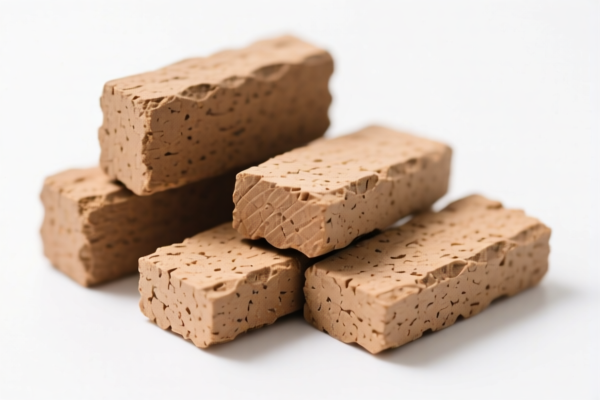
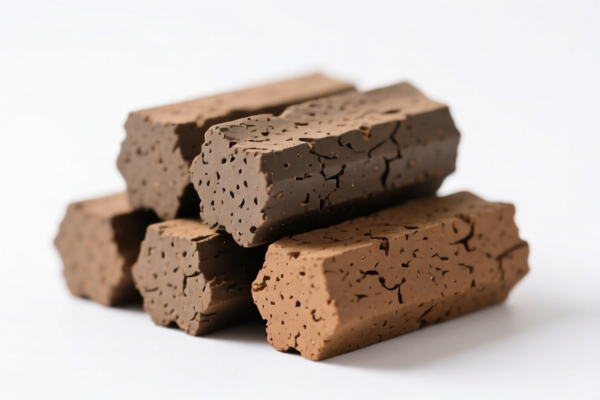
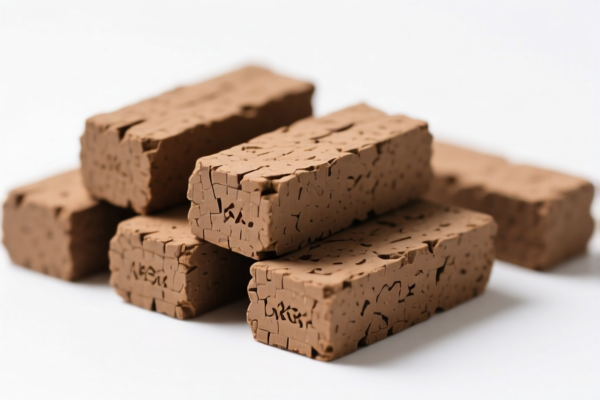
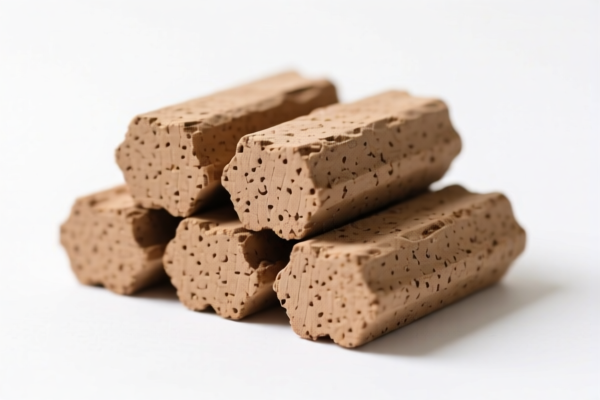
AI分析
🧱 Molded Brown Coal Briquettes (Agglomerated Lignite)
🌐 HS Code Reference & Customs Clearance Guide | 2026 Latest Tariff Analysis | Professional Entry Strategy
📌 I. Product Definition & Classification: What Exactly Are "Molded Brown Coal Briquettes"?
Molded Brown Coal Briquettes are solid fuel products derived from lignite (brown coal) that have been mechanically compressed or agglomerated into a specific shape. Unlike raw, mined lignite which is loose and dusty, briquettes are engineered for higher energy density, easier handling, and reduced emissions.
In international trade, the classification hinges on two critical factors: 1. The Material: It is Lignite (Brown Coal), distinct from Hard Coal or Anthracite. 2. The Form: It is "Agglomerated" or "Molded" (briquetted), not in its natural lump or powder state.
⚠️ Key Distinction:
- If the coal is natural lignite (lumps/powder, unprocessed) → It falls under 2702 (Lignite).
- If the coal is agglomerated (compressed into briquettes/pellets) → It may still fall under 2702.20 if defined as "Agglomerated Lignite," OR it might be misclassified under 2701 (Coal other than lignite) if the process is deemed to alter its fundamental chemical nature (though technically, agglomerated lignite often stays in 2702).
- Crucial Note: Some data sources incorrectly classify agglomerated lignite under 2701 (sub-positions for "Other Coal"). This is a common risk area.
📦 II. HS Code Classification Details (2026 Latest Tariff Authority Mapping)
Based on the provided dataset, here are the four distinct classification paths identified for Brown Coal, including both natural and agglomerated forms, along with the correct tax implications.
| HS Code | Product Description & Summary | Physical Form | Agglomerated? |
|---|---|---|---|
2702.20.00.00 |
Agglomerated Lignite: Brown coal blocks in an agglomerated state, fitting the definition of agglomerated brown coal. | Molded/Briquetted | ✅ Yes |
2702.10.00.00 |
Natural Lignite: Brown coal blocks in their natural state, fitting the classification description. | Natural Lumps | ❌ No |
2701.19.00.10 |
Sub-bituminous Coal: Brown coal is categorized as sub-bituminous coal; block form fits solid fuel characteristics. | Blocks/Lumps | ⚠️ Risk of Misclassification |
2701.19.00.50 |
Other Coal: Brown coal is of coal material, fitting the definition of "Other Coal" other than sub-bituminous. | Blocks/Lumps | ⚠️ Risk of Misclassification |
🔍 Critical Analysis:
-2702.20.00.00is the most accurate code for "Molded Brown Coal Briquettes" if the process is strictly defined as "agglomeration" of lignite.
-2702.10.00.00applies to natural lignite. If your briquettes are simply compressed natural lignite without chemical binding, they should be 2702.20.
-2701.19...codes are high-risk for brown coal. Brown coal is legally classified as Lignite (2702), not as "Other Coal" (2701) unless it has been significantly processed (e.g., carbonized into coke/briquettes with altered properties). Misclassifying agglomerated lignite as 2701 can lead to customs disputes because 2701 generally refers to Hard Coal and Sub-bituminous coal that is not Lignite.
💰 III. 2026 Latest Tariff Rate Breakdown (Including Surcharges & Policy Add-ons)
✅ Applicable Country: United States (US)
✅ Origin: China (CN) (Implied by tax structure)
✅ Effective Date: Ongoing under current trade policies
For ALL listed HS Codes in the dataset, the tax structure is identical due to the broad application of Section 301 and IEEPA tariffs on coal products.
🎯 1. General Tax Structure for Brown Coal (All HS Codes in Data)
| Item | Content |
|---|---|
| Basic Tariff | 0% (ad valorem) |
| Section 301 Additional Duty | +25% (USITC Footnote related to Chinese imports) |
| IEEPA Additional Duty (Section 122) | +10% (Targeting specific Chinese energy products) |
| Total Effective Tax Rate | 35.0% |
| Tax Calculation | CIF Value × 35% |
| De Minimis Exemption | ❌ NOT Eligible (Coal products are excluded from de minimis thresholds) |
| Legal Basis Path | IEEPA:9903.01.25 → USITC:2702.20.00.00 → SECTION 301: Footnote |
📌 Explanation:
- "Base Tariff 0%": Standard MFN (Most Favored Nation) rate for coal is 0%.
- "Section 301 Tariff 25%": This is the standard retaliatory/Section 301 tariff imposed on Chinese goods, including energy resources.
- "Section 122 Tariff 10%": This refers to tariffs imposed under Section 122 of the Trade Act of 1974, often used for national security or specific trade remedies.
- Total 35%: This is a significant cost burden. Importers must budget for a 35% tariff on top of the CIF value.
🛠️ IV. Customs Clearance Practical Advice (Battle-Tested Pitfall Avoidance)
✅ 1. Documentation Checklist (Non-Negotiable)
| Document | Required? | Notes |
|---|---|---|
| ✅ Commercial Invoice | ✔️ | Must clearly state: "Molded Brown Coal Briquettes" and HS Code. |
| ✅ Certificate of Origin (CO) | ✔️ | Essential to verify origin for tariff calculation. |
| ✅ Bill of Lading (B/L) | ✔️ | Ensure weight (net/gross) matches invoice. |
| ✅ Product Specifications | ✔️ | Detail the calorific value, moisture content, and ash content. |
| ✅ Processing Description | ✔️ | Explicitly state if the coal is "Agglomerated" or "Molded". This is critical to distinguish from raw lignite. |
| ✅ SDS (Safety Data Sheet) | ✔️ | Coal is a solid fuel; SDS is required for safety clearance. |
✅ 2. Classification Strategy (Key Tips)
🔥 "Define the Process: Natural vs. Agglomerated Dictates the Code!"
| Scenario | Recommended HS Code | Risk Level |
|---|---|---|
| Strictly Agglomerated Lignite | 2702.20.00.00 |
✅ Low (Most accurate for "Molded") |
| Raw Lignite Lumps | 2702.10.00.00 |
✅ Low |
| Brown Coal Misclassified as Hard Coal | 2701.19.00.10 / .50 |
❌ HIGH (Customs may reclassify and penalize) |
📌 Warning:
- Do not use2701codes unless the coal has been chemically altered or processed beyond simple agglomeration. Brown coal is Lignite (2702).
- If you use2701codes, you risk being flagged for misclassification, which can lead to audits, back-taxes, and penalties.
✅ 3. Special Circumstances Handling
| Situation | Handling Advice |
|---|---|
| High Moisture Content | Ensure the B/L and Invoice reflect the Net Weight after accounting for any agreed-upon moisture adjustments. |
| Dust Control | Provide proof of packaging (e.g., sealed bags) to show dust containment, which may ease port entry inspections. |
| Origin Verification | Since tariffs are high, ensure the Certificate of Origin is perfectly accurate. Any discrepancy can lead to denied entry or higher duties. |
🌍 V. Global Market Comparison (2026 Latest)
| Country/Region | Recommended HS Code | Tariff (China Origin) | Notes |
|---|---|---|---|
| 🇺🇸 USA | 2702.20.00.00 |
35% (0% + 25% + 10%) | High tariff burden. Requires precise classification. |
| 🇨🇳 China | 2702.20.00.00 |
0% | Import duty is 0%. |
| 🇪🇺 EU | 2702.20.00 |
0% (Most cases) | Check specific member state regulations. |
| 🇯🇵 Japan | 2702.20.00 |
5.6% | Standard MFN rate. |
📌 Conclusion:
- The USA is the only market in this dataset with significant附加 tariffs (35%).
- Cost Implication: For a $100,000 shipment of Molded Brown Coal Briquettes to the US, expect $35,000 in duties.
- Strategy: If possible, consider non-Chinese origin lignite to avoid Section 301 and IEEPA tariffs, but note that global lignite supply is limited.
📌 VI. Common Errors & Pitfalls (Blood Lessons)
❌ Error 1: Misclassifying Agglomerated Lignite as 2701 (Other Coal).
👉 Consequence: Customs may reject the entry, demand reclassification, and apply penalties for misdeclaration.
👉 Correct Code: 2702.20.00.00.
❌ Error 2: Failing to declare "Agglomerated" or "Molded" in the description.
👉 Consequence: Customs may classify as raw lignite (2702.10), leading to delays while they verify the product type.
👉 Correct Description: "Molded Brown Coal Briquettes (Agglomerated Lignite)".
❌ Error 3: Ignoring the 35% Total Tariff in Cost Calculations.
👉 Consequence: Profit margins wiped out by unexpected duty payments.
👉 Solution: Include 35% in your CIF/CIF+Duty pricing model.
✅ Correct Practice:
"Agglomerated Lignite Briquettes, Molded, High Calorific Value, 0% Moisture (Adjusted), HS 2702.20.00.00, Origin: China"
🎯 VII. Conclusion: Precise Classification, Lower Risk, Clearer Costs
🎯 Remember the Mantra:
🔹 "Lignite is 2702, Agglomerated is .20.00. Don't use 2701 unless it's Hard Coal!"
🔹 "35% Tax in the US is Non-Negotiable. Plan Your Budget!"
📌 Pro Tip:
- If you are importing Molded Brown Coal Briquettes into the US, ensure your supplier provides a detailed technical specification sheet that confirms the product is Lignite and Agglomerated. This documentation will protect you against customs audits and potential misclassification fines.
📣 Immediate Action:
📞 Contact a licensed customs broker to verify the exact physical form of your briquettes.
📝 Prepare all origin and product specification documents before shipping.
🚀 Clear Customs Smoothly, Avoid Penalties, Protect Your Margins!
✨ Professional Customs Clearance Starts with Accurate Classification!
💼 Every Percent of Tariff Counts – Know Your Code!
用户评价
关于 HS 编码归类
协调制度(HS)是由世界海关组织(WCO)制定的国际贸易商品分类标准。全球 200 多个国家采用 HS 系统作为海关关税、贸易统计和进出口监管的基础。
每个 HS 编码遵循以下层级结构:
- 章(2 位)——商品大类(例如:第 84 章:机器和机械设备)
- 品目(4 位)——章内的更具体分类
- 子目(6 位)——国际通用细分,所有 WCO 成员国统一使用
- 本国细分(8-10 位)——各国自行扩展的细分编码,如美国 HTSUS 10 位编码
正确的 HS 编码归类对于顺利通关、准确缴纳关税和遵守贸易法规至关重要。错误归类可能导致海关延误、多缴关税或罚款。
从CN进口到US时,适用的关税税率可能包括:
- 最惠国(MFN)税率——适用于 WTO 成员国的标准关税税率
- 普通税率——适用于无贸易协定国家
- 贸易救济关税——附加关税,如 301 条款(反倾销)、232 条款(国家安全)或反补贴税
本页内容仅供参考。如需正式归类,请咨询当地海关或持牌报关代理。