mousse mold
CN → US| HS编码 | 关税税率 | 原产国 | 目的国 | 文档 |
|---|---|---|---|---|
| 3926909910 | 22.8% | CN | US | 官方文档 |
| 3926909989 | 22.8% | CN | US | 官方文档 |
商品图片
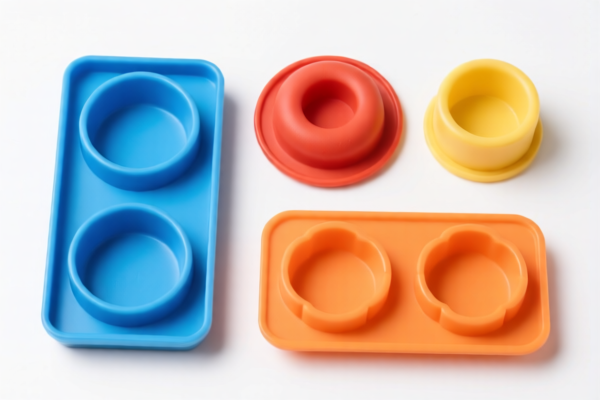
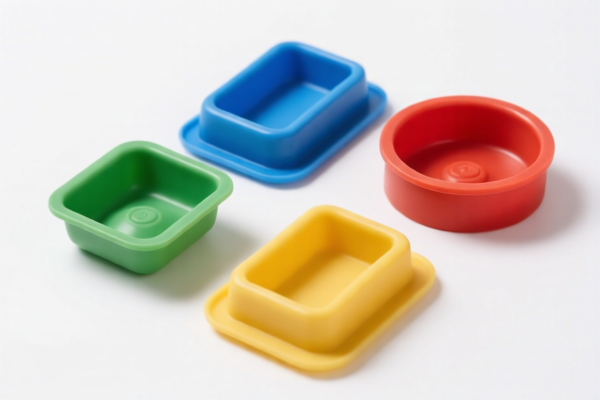
AI分析
🍰 Mousse Mold (Silicone/Plastic Kitchenware)
🌐 HS Code Reference & Customs Clearance Guide | 2026 Latest Tariff Analysis | Professional Clearance Strategy
📌 I. Product Definition & Classification: Do You Really Understand "Mousse Molds"?
Mousse molds are essential tools in modern baking, pastry arts, and food processing. In international trade, they fall under Chapter 39 (Plastics and Articles Thereof). The key distinction lies in the intended use and material composition:
- Laboratory Ware: If the mold is designed for scientific, medical, or chemical testing (e.g., high-precision calibration, non-food contact), it falls under "Laboratory Ware."
- General Plastic Articles: If the mold is designed for food preparation, cooking, or general household use, it is classified as a "General Plastic Article."
⚠️ Key Distinction Point:
- If made of plastic/silicone for scientific/lab testing → Classified under "Laboratory Ware" (3926.90.99.10)
- If made of plastic/silicone for kitchen/baking/household use → Classified under "Other Other" (3926.90.99.89)
📦 II. HS Code Classification Details (2026 Latest Tariff Authority Comparison)
| HS Code | Product Description | Applicable Scenario | Material Type | Food Contact? |
|---|---|---|---|---|
3926.90.99.10 |
Other articles of plastics: Other Laboratory Ware | Scientific molds, medical sample holders, lab testing kits | Plastic/Silicone | ❌ No (Non-food) |
3926.90.99.89 |
Other articles of plastics: Other Other | Mousse molds, cake pans, baking trays, kitchen gadgets | Plastic/Silicone | ✅ Yes (Food-grade) |
🔍 Important Reminder:
- Most consumer-grade mousse molds (silicone or plastic) used in bakeries or homes are NOT laboratory ware. They must be classified under3926.90.99.89.
- Misclassifying a kitchen mold as "Laboratory Ware" (3926.90.99.10) is a common error that can lead to customs delays or penalties.
💰 III. 2026 Latest Tariff Rate Details (Including Surtaxes & Policy Additions)
✅ Applicable Country: United States (US)
✅ Origin: China (CN)
✅ Effective Date: Current rates apply (Based on provided data)
🎯 1. 3926.90.99.10 —— Laboratory Ware (Plastic)
| Item | Content |
|---|---|
| Base Tariff Rate | 0.0% |
| Section 301 Surtax | 0.0% |
| Total Tax Rate | 0.0% |
| Tax Calculation | CIF Value × 0.0% = $0 |
| De Minimis Eligibility | ✅ Yes (Low risk, low value) |
| Legal Basis Path | USITC:3926.90.99.10 → Footnote: No surtax applicable |
📌 Explanation:
- "Laboratory Ware" under this code currently enjoys a 0% total tariff from the US.
- This makes it highly attractive for importers who can prove the item is strictly for scientific or medical use.
- ⚠️ Risk: Customs may challenge this classification if the item looks like kitchenware. You must provide evidence (e.g., product manuals stating "For Laboratory Use Only").
🎯 2. 3926.90.99.89 —— Other Other (General Plastic Articles / Kitchen Molds)
| Item | Content |
|---|---|
| Base Tariff Rate | 5.3% |
| Section 301 Surtax | 7.5% |
| Total Tax Rate | 12.8% |
| Tax Calculation | CIF Value × 12.8% |
| De Minimis Eligibility | ✅ Yes (But subject to tax if value exceeds threshold) |
| Legal Basis Path | USITC:3926.90.99.89 → Section 301: 7.5% Surtax |
📌 Note:
- This is the correct classification for 99% of mousse molds used in baking.
- The 12.8% total duty includes the base rate (5.3%) and the US-China trade surtax (7.5%).
- This rate is significant for high-volume imports. Cost calculations must include this 12.8% overhead.
🛠️ IV. Customs Clearance Practical Advice (Real-World Pitfall Guide)
✅ 1. Required Documentation Checklist (Non-Negotiable)
| Document | Required? | Explanation |
|---|---|---|
| ✅ Product Specification Sheet | ✔️ | Must clearly state "For Kitchen Use" or "For Laboratory Use" |
| ✅ Material Safety Data Sheet (MSDS) | ✔️ | Proves food-grade silicone/plastic if claiming kitchen use |
| ✅ Product Photos (Labeled) | ✔️ | Show molds with food samples or lab context |
| ✅ Commercial Invoice | ✔️ | Description must match HS Code (e.g., "Silicone Mousse Mold for Baking") |
| ✅ Certificate of Origin (CO) | ✔️ | To prove origin for surtax calculation |
| ✅ Packing List | ✔️ | Detail weight, quantity, and packaging |
✅ 2. Declaration Strategy (Key Mantra)
🔥 “Kitchen Molds = 12.8%, Lab Molds = 0% – But Prove It!”
| Scenario | Correct Declaration | Wrong Practice |
|---|---|---|
| Silicone Mousse Mold for Baking | 3926.90.99.89 (12.8%) |
Claiming 3926.90.99.10 to save tax → Audit Risk |
| Plastic Mold for Chemical Testing | 3926.90.99.10 (0.0%) |
Calling it "Mold for Kitchen" → Wrong Classification |
| Mixed Order (Kitchen + Lab) | Split by use | Lump sum → Customs Rejection |
✅ 3. Special Situations Handling
| Situation | Handling Advice |
|---|---|
| OEM Custom Molds | Provide design specs. If intended for a lab, include "Laboratory Use" in contract. |
| Food-Grade Silicone | Provide FDA/LFGB compliance certificates to support kitchen use classification. |
| Multi-Purpose Molds | If a mold can be used for both, customs will likely default to 3926.90.99.89 (Kitchen) unless lab use is exclusive and documented. |
| Small Sample Shipments | Even for de minimis shipments, ensure the description is accurate to avoid future audits. |
🌍 V. Global Market Comparison (2026 Latest)
| Country/Region | Recommended HS Code | Tariff Rate | Certification Required | Notes |
|---|---|---|---|---|
| 🇺🇸 USA | 3926.90.99.89 |
12.8% | FDA (if food contact) | High surtax due to trade war |
| 🇨🇳 China | 3926.90.99.89 |
~5-7% | GB Standards | Lower import duty for domestic use |
| 🇪🇺 EU | 3926.90.99 |
~4-6% | LFGB/Food Contact | No Section 301 surtax |
| 🇦🇺 Australia | 3926.90.99 |
~5% | AS/NZS Standards | Competitive rate |
| 🇯🇵 Japan | 3926.90.99 |
~3-5% | JIS Standards | Low duty, strict food safety |
📌 Conclusion:
- USA is the only major market with a 7.5% surtax on these items.
- EU and Asia offer lower tariffs (~4-6%), making them more cost-effective if sourcing from China.
- Compliance is key: FDA (USA), LFGB (EU) are critical for food-contact items.
📌 VI. Common Errors & Pitfalls (Lessons Learned)
❌ Error 1: Classifying a kitchen mousse mold as 3926.90.99.10 (Lab Ware)
👉 Consequence: Customs rejects declaration, imposes 12.8% tax + penalties + delays.
❌ Error 2: Not providing food-contact compliance (FDA/LFGB) for kitchen molds
👉 Consequence: Item seized at border for violating food safety laws.
❌ Error 3: Vague description ("Plastic Mold")
👉 Consequence: Customs assigns highest possible duty or delays for further inspection.
❌ Error 4: Ignoring the 7.5% Section 301 Surtax
👉 Consequence: Profit margin wiped out due to unexpected 12.8% total duty.
✅ Correct Practice:
“Food-Grade Silicone Mousse Mold, Round, 500ml, FDA Compliant, Model XYZ”
🎯 VII. Conclusion: Smart Classification Saves Money!
🎯 Remember the Mantra:
🔹 “Lab Ware = 0%, Kitchen Ware = 12.8% – Know Your Product!”
🔹 “HS Code Determines Duty, Compliance Prevents Seizure!”
📌 Pro Tip:
If your mousse molds are food-grade, ensure your supplier provides FDA/LFGB certificates. For US imports, budget for the 12.8% total duty. If you are importing in large volumes, consider supply chain diversification to non-Section 301 countries (e.g., Vietnam, Thailand) to mitigate the 7.5% surtax.
📣 Immediate Action:
📞 Verify Product Use Case (Kitchen vs. Lab)
📄 Gather Food-Contact Compliance Certificates
🚀 Calculate Landed Cost Including 12.8% Duty for US Market
✨ Professional Customs Clearance Starts with Accurate Classification!
💼 Every Percent Counts in Your Profit Margin!
用户评价
关于 HS 编码归类
协调制度(HS)是由世界海关组织(WCO)制定的国际贸易商品分类标准。全球 200 多个国家采用 HS 系统作为海关关税、贸易统计和进出口监管的基础。
每个 HS 编码遵循以下层级结构:
- 章(2 位)——商品大类(例如:第 84 章:机器和机械设备)
- 品目(4 位)——章内的更具体分类
- 子目(6 位)——国际通用细分,所有 WCO 成员国统一使用
- 本国细分(8-10 位)——各国自行扩展的细分编码,如美国 HTSUS 10 位编码
正确的 HS 编码归类对于顺利通关、准确缴纳关税和遵守贸易法规至关重要。错误归类可能导致海关延误、多缴关税或罚款。
从CN进口到US时,适用的关税税率可能包括:
- 最惠国(MFN)税率——适用于 WTO 成员国的标准关税税率
- 普通税率——适用于无贸易协定国家
- 贸易救济关税——附加关税,如 301 条款(反倾销)、232 条款(国家安全)或反补贴税
本页内容仅供参考。如需正式归类,请咨询当地海关或持牌报关代理。