movement base
CN → US| HS编码 | 关税税率 | 原产国 | 目的国 | 文档 |
|---|---|---|---|---|
| 6211335035 | 33.5% | CN | US | 官方文档 |
| 6211430550 | 33.5% | CN | US | 官方文档 |
| 7326190080 | 87.9% | CN | US | 官方文档 |
| 9401919090 | 35.0% | CN | US | 官方文档 |
| 7616995170 | 37.5% | CN | US | 官方文档 |
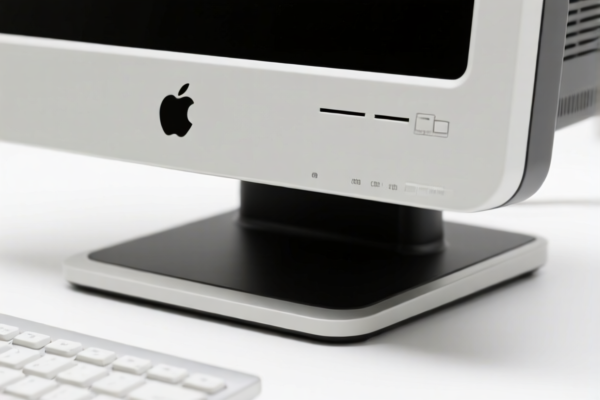
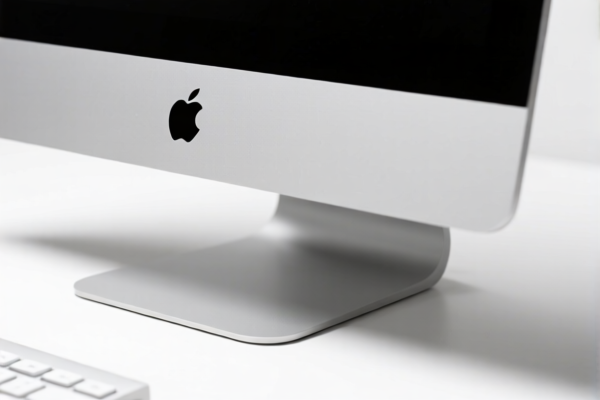
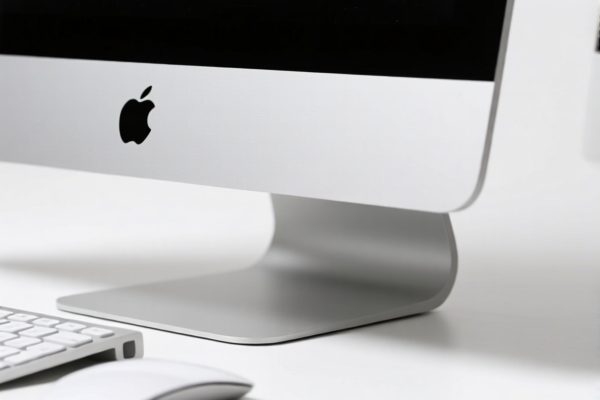
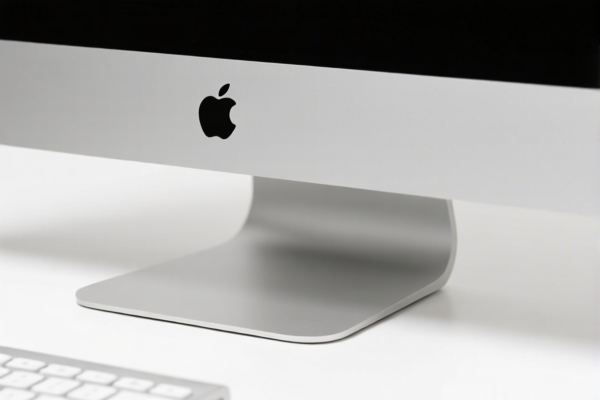
商品图片
AI分析
🏗️ "Movement Base" – HS Code Classification & Clearance Strategy (2026)
🌐 HS Code Reference & Clearance Guide | 2026 Latest Tariff Analysis | Professional Customs Strategy
📌 I. Product Definition & Classification: What Exactly is a "Movement Base"?
The term "Movement Base" is ambiguous in international trade and requires precise contextual interpretation. Depending on the material, function, and industry application, it can fall into several distinct HS Code categories. Below are the most likely classifications based on common industrial and consumer uses.
⚠️ Key Distinction:
- If it is a component of athletic apparel → It belongs to Chapter 62 (Clothing)
- If it is a structural base for seating (metal/aluminum) → It belongs to Chapter 73/76 (Metal Products) or Chapter 94 (Furniture Parts)
- If it is a mechanical part of a machine → It may fall under Chapter 84/85 (Machinery/Electrical)
- Note: The provided data focuses on the first three scenarios.
📦 II. HS Code Classification Matrix (2026 Authoritative Mapping)
| HS Code | Product Description | Material/Function | Tax Rate |
|---|---|---|---|
6211.33.50.35 |
Other men's/girls' sports suits or components (e.g., shoe soles/base) | Textile/Fabric, Athletic Use | 33.5% |
6211.43.05.50 |
Other women's/girls' sports suits or components | Textile/Fabric, Outdoor/Sport Use | 33.5% |
7326.19.00.80 |
Other articles of iron or steel, base for seating | Steel, Structural/Metal Base | 87.9% |
9401.91.90.90 |
Parts of seats, other | Any Material, Furniture Component | 35.0% |
7616.99.51.70 |
Other articles of aluminum | Aluminum, Light-Weight Base | 37.5% |
🔍 Critical Note:
- "Movement Base" is NOT a standard HS term. You must declare the specific material and intended use.
- Misclassification can lead to severe penalties, especially for metal products subject to Section 301 and Section 232 tariffs.
💰 III. 2026 Tariff Rate Breakdown (Including Additional Duties)
✅ Applicable Country: United States (US)
✅ Origin: China (CN)
✅ Effective Date: 2025–2026 (Post-trade war adjustments)
🎯 1. 6211.33.50.35 & 6211.43.05.50 – Athletic Apparel Components
| Item | Content |
|---|---|
| Base Duty | 16.0% |
| Section 301 Tariff | 7.5% |
| Section 122 Tariff | 10.0% |
| Total Tax Rate | 33.5% |
| De Minimis Exemption | ❌ Not Eligible (Deny De Minimis for China-origin apparel) |
| Legal Basis | USITC:6211.33.50.35 → Section 301:7.5% → Section 122:10% |
📌 Explanation:
- These codes cover sports suits, jackets, or components made of textile materials.
- If "Movement Base" refers to a shoe sole or part of a tracksuit, it falls here.
- High tariff due to textile protection policies.
🎯 2. 7326.19.00.80 – Steel-Based Movement Base
| Item | Content |
|---|---|
| Base Duty | 2.9% |
| Section 301 Tariff | 25.0% |
| Section 232 Tariff (Steel) | 50.0% |
| Section 122 Tariff | 10.0% |
| Total Tax Rate | 87.9% |
| De Minimis Exemption | ❌ Not Eligible |
| Legal Basis | USITC:7326.19.00.80 → Section 232:50% → Section 301:25% → Section 122:10% |
📌 Explanation:
- This is the highest tariff scenario.
- Applies if the base is made of steel and is considered a structural article.
- Section 232 (Steel/Aluminum) imposes an additional 50% on top of other duties.
- Avoid this classification if possible due to extreme cost.
🎯 3. 9401.91.90.90 – Parts of Seats
| Item | Content |
|---|---|
| Base Duty | 0.0% |
| Section 301 Tariff | 25.0% |
| Section 122 Tariff | 10.0% |
| Total Tax Rate | 35.0% |
| De Minimis Exemption | ❌ Not Eligible |
| Legal Basis | USITC:9401.91.90.90 → Section 301:25% → Section 122:10% |
📌 Explanation:
- If the "Movement Base" is a part of a chair, sofa, or office seat, it falls under Chapter 94.
- Lower base duty (0%), but still subject to Section 301 (25%) and Section 122 (10%).
- Best option for furniture-related bases.
🎯 4. 7616.99.51.70 – Aluminum-Based Movement Base
| Item | Content |
|---|---|
| Base Duty | 2.5% |
| Section 301 Tariff | 25.0% |
| Section 122 Tariff | 10.0% |
| Total Tax Rate | 37.5% |
| De Minimis Exemption | ❌ Not Eligible |
| Legal Basis | USITC:7616.99.51.70 → Section 301:25% → Section 122:10% |
📌 Explanation:
- If the base is made of aluminum, it falls under Chapter 76.
- No Section 232 tariff applies to aluminum in this specific subheading (unlike steel), resulting in a lower total rate (37.5%) compared to steel (87.9%).
- Ideal for lightweight, high-end applications.
🛠️ IV. Customs Clearance Practical Advice (Avoiding Pitfalls)
✅ 1. Documentation Checklist (Non-Negotiable)
| Document | Required | Notes |
|---|---|---|
| Product Specification Sheet | ✔️ | Must specify material (Steel/Aluminum/Textile) and function |
| Photos (Clear & Detailed) | ✔️ | Show base, connectors, and any branding |
| Commercial Invoice | ✔️ | Clearly state "Movement Base – [Material] – For [Use]" |
| Packing List | ✔️ | Include dimensions, weight, and quantity |
| Certificate of Origin (CO) | ✔️ | If non-China origin, may qualify for lower rates |
| Third-Party Test Reports | ✔️ | If applicable (e.g., tensile strength, material composition) |
✅ 2. Declaration Best Practices (Golden Rules)
🔥 "Material First, Function Second, Avoid Ambiguity!"
| Scenario | Correct Declaration | Incorrect Declaration |
|---|---|---|
| Steel base for a chair | 7326.19.00.80 – Steel Base for Seating |
"Movement Base" (Ambiguous) |
| Aluminum base for a display | 7616.99.51.70 – Aluminum Article |
"Base" (Too vague) |
| Textile base for sports suit | 6211.33.50.35 – Sports Suit Component |
"Base" (Misleading) |
| Seat part (wood/plastic) | 9401.91.90.90 – Parts of Seats |
"Movement Base" (Wrong Chapter) |
✅ 3. Special Cases & Mitigation Strategies
| Case | Strategy |
|---|---|
| Steel Base | Consider reclassifying as "Parts of Seats" (9401.91.90.90) if functionally a chair component → Saves 52.9% in duties! |
| Aluminum Base | Optimal for lightweight, high-value applications. Ensure no steel components are included. |
| Textile Base | Ensure it is clearly part of athletic wear, not industrial use. |
| Mixed Material | Declare based on principal material or essential character. Provide material composition breakdown. |
| De Minimis Attempt | ❌ Do not attempt. All listed HS codes are not eligible for de minimis exemption for China-origin goods. |
🌍 V. Global Market Comparison (2026)
| Market | Recommended HS Code | Total Duty | Key Certifications |
|---|---|---|---|
| 🇺🇸 USA | Depends on material | 33.5%–87.9% | None required, but CO helps |
| 🇨🇳 China | Same HS Code | 5%–10% | CCC (if applicable) |
| 🇪🇺 EU | Same HS Code | 0%–4.7% | CE, RoHS (if electronic) |
| 🇬🇧 UK | Same HS Code | 0%–5.0% | UKCA |
| 🇦🇺 Australia | Same HS Code | 5.0% | RCM |
📌 Key Insight:
- USA has the highest tariffs due to Section 301, 232, and 122.
- EU/UK/Australia have significantly lower duties for similar goods.
- Consider sourcing from non-China origins if shipping to the US to avoid punitive tariffs.
📌 VI. Common Mistakes & Red Flags (Learn from Others)
❌ Mistake 1: Declaring "Movement Base" without specifying material
👉 Result: Customs assigns highest possible rate or rejects shipment
❌ Mistake 2: Misclassifying a steel seat base as "furniture part" to avoid Section 232
👉 Result: Audit, penalties, and back-tariffs
❌ Mistake 3: Using "De Minimis" for shipments over $800
👉 Result: Shipment held, fines, and delays
❌ Mistake 4: Not providing material composition for mixed-material bases
👉 Result: Uncertainty, potential reclassification
✅ Correct Approach:
"Aluminum Movement Base for Display Stand, Model XYZ, Weight 2kg, Origin China"
🎯 VII. Conclusion: Precision Saves Money
🎯 Remember:
🔹 "Material Dictates Duty, Function Guides Classification!"
🔹 "Steel is Expensive, Aluminum is Smart, Textile is Standard!"
📌 Pro Tip:
If your "Movement Base" can be reclassified as a part of seating (9401.91.90.90), you can save up to 52.9% in tariffs compared to steel classification. Always consult a licensed customs broker for Advance Rulings before shipping.
📣 Take Action Now:
📞 Contact a Customs Broker + Provide Product Photos + Request HS Code Pre-Ruling
🚀 Ship Smart, Clear Smoothly, Profit Maximally!
✨ Precision in Classification is the Key to Global Trade Success!
💼 Every Dollar Saved Starts with the Right HS Code!
用户评价
关于 HS 编码归类
协调制度(HS)是由世界海关组织(WCO)制定的国际贸易商品分类标准。全球 200 多个国家采用 HS 系统作为海关关税、贸易统计和进出口监管的基础。
每个 HS 编码遵循以下层级结构:
- 章(2 位)——商品大类(例如:第 84 章:机器和机械设备)
- 品目(4 位)——章内的更具体分类
- 子目(6 位)——国际通用细分,所有 WCO 成员国统一使用
- 本国细分(8-10 位)——各国自行扩展的细分编码,如美国 HTSUS 10 位编码
正确的 HS 编码归类对于顺利通关、准确缴纳关税和遵守贸易法规至关重要。错误归类可能导致海关延误、多缴关税或罚款。
从CN进口到US时,适用的关税税率可能包括:
- 最惠国(MFN)税率——适用于 WTO 成员国的标准关税税率
- 普通税率——适用于无贸易协定国家
- 贸易救济关税——附加关税,如 301 条款(反倾销)、232 条款(国家安全)或反补贴税
本页内容仅供参考。如需正式归类,请咨询当地海关或持牌报关代理。