nail art stamping plate
CN → US| HS编码 | 关税税率 | 原产国 | 目的国 | 文档 |
|---|---|---|---|---|
| 7326190080 | 87.9% | CN | US | 官方文档 |
| 3926904800 | 13.4% | CN | US | 官方文档 |
| 7326190010 | 87.9% | CN | US | 官方文档 |
| 7616101000 | 40.7% | CN | US | 官方文档 |
| 3926909989 | 22.8% | CN | US | 官方文档 |
| 8204110060 | 44.0% | CN | US | 官方文档 |
商品图片
AI分析
💅 Nail Art Stamping Plates: The Ultimate Guide to HS Code Classification & Customs Clearance (2026 Update)
🌐 HS Code Reference & Customs Clearance Guide | 2026 Latest Tariff Rules | Professional Compliance Strategy
📌 Part 1: Product Definition & Classification – Do You Really Understand "Stamping Plates"?
A Nail Art Stamping Plate is a specialized tool used in manicure and nail artistry. It consists of a metal or plastic plate engraved with various designs (floral, geometric, abstract, etc.), used in conjunction with a stamper and scraper to transfer intricate patterns onto the nail surface.
In international trade, these products are often misclassified due to their ambiguous nature—sitting between "hardware/tools," "plastic accessories," and "beauty instruments."
⚠️ Key Distinction:
- If made of Metal (Steel/Aluminum): Often falls under Chapter 73 (Iron/Steel Articles) or Chapter 76 (Aluminum Articles).
- If made of Plastic: Falls under Chapter 39 (Plastics and Articles Thereof).
- If deemed Accessories/Tools: May fall under Chapter 82 (Articles of Base Metal) or Chapter 96 (Miscellaneous Manufactured Articles).
📦 Part 2: HS Code Classification Matrix (Based on Provided Data)
Based on the provided <DATA>, here is the breakdown of potential HS Codes, their logical justifications, and tax implications.
| HS Code | Material/Shape Inference | Category Logic | Total Tax Rate | Tax Detail Breakdown |
|---|---|---|---|---|
7326.19.00.80 |
Metal (Stainless Steel/Aluminum) Plate Shape |
"Other Articles of Iron/Steel" (Other) Matches material inference & plate form. |
87.9% | Base: 2.9% Additional: 25.0% Section 122 (Steel/Aluminum): 50% |
3926.90.48.00 |
Plastic | "Other Plastic Articles" Matches plastic material requirement; generic plastic plate. |
13.4% | Base: 3.4% Additional: 0.0% Section 122: 10% |
7326.19.00.10 |
Plastic or Metal Decorative Plate |
"Other Articles" (Non-Specific) Decorative board; no conflict in shape/material logic. |
87.9% | Base: 2.9% Additional: 25.0% Section 122 (Steel/Aluminum): 50% |
7616.10.10.00 |
Aluminum/Steel Plate Form |
"Other Aluminum/Steel Articles" Falls under "Other Aluminum Products" or general metal articles. |
40.7% | Base: 5.7% Additional: 25.0% Section 122: 10% |
3926.90.99.89 |
Plastic/Polymer | "Other Plastic Articles" (Unspecified) Not specifically listed elsewhere; generic polymer item. |
22.8% | Base: 5.3% Additional: 7.5% Section 122: 10% |
8204.11.00.60 |
Metal Stamping Plate (Tool) |
"Hand Tools/Accessories" "Metal" fits accessory character; "Stamping Plate" is a board-shaped tool part. |
44.0% | Base: 9.0% Additional: 25.0% Section 122: 10% |
💰 Part 3: Detailed Tax Analysis (2026 Tariff Structure)
✅ Context: The tax details provided in
<DATA>reflect a complex tariff structure involving Base Rates, Section 301/Trade War Surcharges, and Section 122 (Steel/Aluminum) Surcharges.
🎯 1. High-Tax Metal Routes: 7326.19.00.80 & 7326.19.00.10
Total Tax: 87.9%
- Base Tariff: 2.9%
- Section 301 Surcharge: 25.0% (Standard trade war tariff)
- Section 122 Surcharge: 50% (Specific to Steel/Aluminum products)
- Legal Logic:
7326.19.00.80: Explicitly infers metal material. The 50% Section 122 tax heavily penalizes steel/aluminum imports.7326.19.00.10: Infers "Plastic or Metal" but is categorized under the same high-tax metal heading due to the "Other" classification logic.
- ⚠️ Warning: These are extremely high cost entries. Misclassifying a cheap plastic plate as metal here will result in massive overpayment or penalties.
🎯 2. Moderate-Tax Aluminum Route: 7616.10.10.00
Total Tax: 40.7%
- Base Tariff: 5.7%
- Section 301 Surcharge: 25.0%
- Section 122 Surcharge: 10% (Lower than steel/aluminum general category, specific to this subheading)
- Legal Logic: Specific to "Other Aluminum Articles." If the plate is purely aluminum, this may be a more favorable route than the general steel heading (
7326).
🎯 3. Low-Tax Plastic Routes: 3926.90.48.00 & 3926.90.99.89
Total Tax: 13.4% - 22.8%
3926.90.48.00(13.4%):- Base: 3.4%
- Section 301: 0.0%
- Section 122: 10%
- Best Case: If the product is plastic, this is the lowest cost option.
3926.90.99.89(22.8%):- Base: 5.3%
- Section 301: 7.5%
- Section 122: 10%
- Generic Plastic: For plastic items not specifically listed in other 3926 subheadings.
🎯 4. Tool/Accessory Route: 8204.11.00.60
Total Tax: 44.0%
- Base Tariff: 9.0%
- Section 301 Surcharge: 25.0%
- Section 122 Surcharge: 10%
- Legal Logic: Classifies the stamping plate as a "tool accessory" or "base metal article" rather than a raw material plate. Suitable if the plate is viewed as a functional tool part rather than a decorative sheet.
🛠️ Part 4: Customs Clearance Practical Advice
✅ 1. Critical Declaration Materials
| Document | Required? | Purpose |
|---|---|---|
| Product Description | ✅ Yes | Must clearly state material: "Nail Art Stamping Plate, Made of [Metal/Plastic]" |
| Material Certificate | ✅ Yes | Proves if it is Stainless Steel, Aluminum, or PVC/Acrylic. Crucial for avoiding 87.9% tax. |
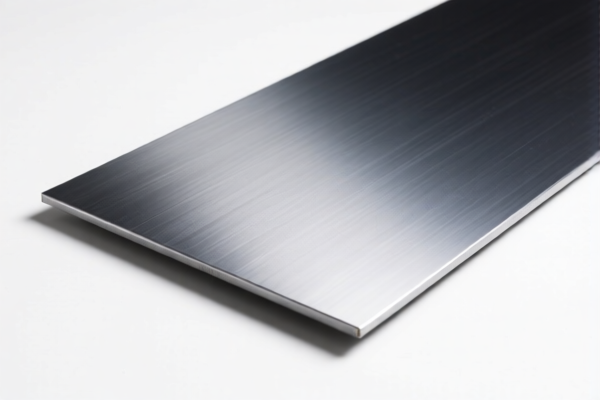
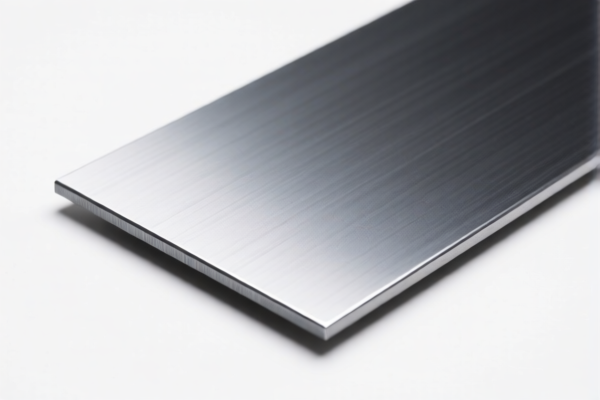
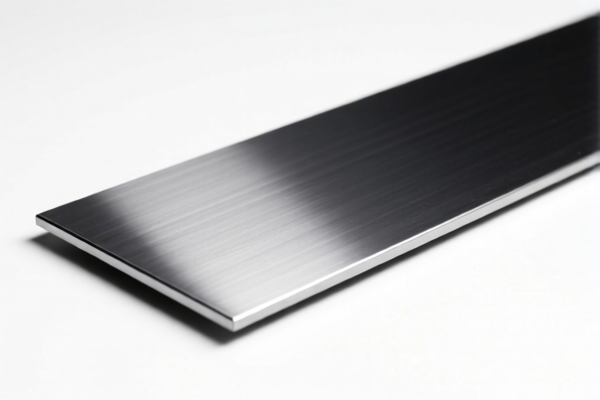
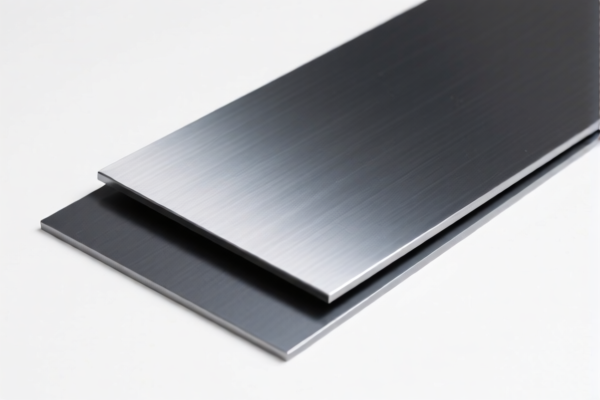
| Photos | ✅ Yes | Show the engraved designs and material surface (brushed metal vs. glossy plastic). |
| Commercial Invoice | ✅ Yes | List unit price and total value accurately. |
✅ 2. Classification Strategy (The "Save Money" Guide)
| Scenario | Recommended HS Code | Tax Rate | Action |
|---|---|---|---|
| Plastic Plate | 3926.90.48.00 |
13.4% | Best Choice! Declare explicitly as "Plastic." Avoid "Metal" descriptions. |
| Aluminum Plate | 7616.10.10.00 |
40.7% | Declare as "Aluminum Art Plate." Do NOT use 7326 (Steel) codes. |
| Steel Plate | 7326.19.00.80 |
87.9% | High Cost. Only use if unavoidable. Consider switching suppliers to plastic/aluminum. |
| Mixed Material | Check Main Material | Varies | If >50% metal, likely 7326 or 8204. If plastic dominant, 3926. |
🔍 Key Tip:
The difference between 13.4% and 87.9% is $0.745 per dollar of value.
Misclassification Risk: If you declare a plastic plate as "Metal Tool" (8204), you pay 44%. If you declare a metal plate as "Plastic," Customs may audit, penalize, and charge back-taxes + fines. Always match the physical material.
✅ 3. Section 122 & Trade War Awareness
- Section 122 (Steel/Aluminum Tariffs): Applies heavily to metal products.
- Steel/Aluminum plates face up to 50% extra on top of base tariffs.
- Plastic plates face only 10% (if any).
- Section 301: Applies to all Chinese-origin goods listed in
<DATA>(25% for metal, 0-7.5% for plastic).
Strategy:
If you are importing from China, Plastic (3926) is significantly more tariff-efficient than Metal (7326/7616). Consider sourcing plastic plates or using aluminum if design constraints allow.
🌍 Part 5: Global Market Comparison (Contextual)
| Market | Typical HS Code | Est. Duty (China Origin) | Notes |
|---|---|---|---|
| 🇺🇸 USA | 3926.90 or 7326 |
13.4% - 87.9% | Based on provided data. High surcharges apply. |
| 🇪🇺 EU | 8205.59 or 3926 |
0% - 6% | Lower base duties. No Section 122/301 equivalents. |
| 🇨🇳 China | 8205.59 |
1% - 3% | Low domestic/import duty for re-export hubs. |
📌 Conclusion:
The US market (as per<DATA>) is extremely sensitive to material classification.
Plastic = Low Tax.
Metal = High Tax.
Ensure your product description and material certificates are 100% accurate to avoid audits and penalties.
📌 Part 6: Common Mistakes & Pitfalls
❌ Mistake 1: Declaring "Stamping Plate" without specifying material.
👉 Result: Customs may default to the highest duty rate (Metal/87.9%) or detain goods for classification verification.
✅ Fix: Always specify "Plastic Stamping Plate" or "Stainless Steel Stamping Plate."
❌ Mistake 2: Using 7326 for Aluminum Plates.
👉 Result: 7326 is for Iron/Steel. Aluminum belongs in 7616. Misuse leads to classification errors.
✅ Fix: Use 7616.10.10.00 for Aluminum.
❌ Mistake 3: Ignoring Section 122.
👉 Result: Underestimating costs by 50% for metal products.
✅ Fix: Include Section 122 (50%) in your landed cost calculation for metal plates.
🎯 Part 7: Final Recommendations
🎯 Memory Hook:
🔹 "Plastic is Low (13%), Metal is High (88%)."
🔹 "Check Material First, Then Choose HS."
🔹 "Section 122 Hurts Metal, Plastic is Safe."
📌 Action Plan:
1. Identify Material: Is your plate Plastic, Aluminum, or Steel?
2. Select HS Code:
* Plastic → 3926.90.48.00 (13.4%)
* Aluminum → 7616.10.10.00 (40.7%)
* Steel → 7326.19.00.80 (87.9%)
3. Document: Provide material certificates to prove classification.
4. Calculate: Include all surcharges (Base + 301 + 122) in your profit margin analysis.
📣 Immediate Action:
📞 Consult with a customs broker if your product contains mixed materials.
📄 Pre-clearance: Submit a Binding Tariff Information (BTI) or Advance Ruling request if importing large volumes.
🚀 Cost Optimization: Switch to Plastic Plates if possible to save 74.5% in duties compared to Steel Plates.
✨ Professional Clearance Starts with Accurate Classification!
💼 Don't Let a 75% Tax Difference Erase Your Profit!
用户评价
关于 HS 编码归类
协调制度(HS)是由世界海关组织(WCO)制定的国际贸易商品分类标准。全球 200 多个国家采用 HS 系统作为海关关税、贸易统计和进出口监管的基础。
每个 HS 编码遵循以下层级结构:
- 章(2 位)——商品大类(例如:第 84 章:机器和机械设备)
- 品目(4 位)——章内的更具体分类
- 子目(6 位)——国际通用细分,所有 WCO 成员国统一使用
- 本国细分(8-10 位)——各国自行扩展的细分编码,如美国 HTSUS 10 位编码
正确的 HS 编码归类对于顺利通关、准确缴纳关税和遵守贸易法规至关重要。错误归类可能导致海关延误、多缴关税或罚款。
从CN进口到US时,适用的关税税率可能包括:
- 最惠国(MFN)税率——适用于 WTO 成员国的标准关税税率
- 普通税率——适用于无贸易协定国家
- 贸易救济关税——附加关税,如 301 条款(反倾销)、232 条款(国家安全)或反补贴税
本页内容仅供参考。如需正式归类,请咨询当地海关或持牌报关代理。