narrow necked bottle
CN → US| HS编码 | 关税税率 | 原产国 | 目的国 | 文档 |
|---|---|---|---|---|
| 3923300090 | 38.0% | CN | US | 官方文档 |
| 7013496090 | 24.7% | CN | US | 官方文档 |
| 7013993000 | 26.5% | CN | US | 官方文档 |
| 3923300010 | 38.0% | CN | US | 官方文档 |
| 7013496090 | 24.7% | CN | US | 官方文档 |
商品图片
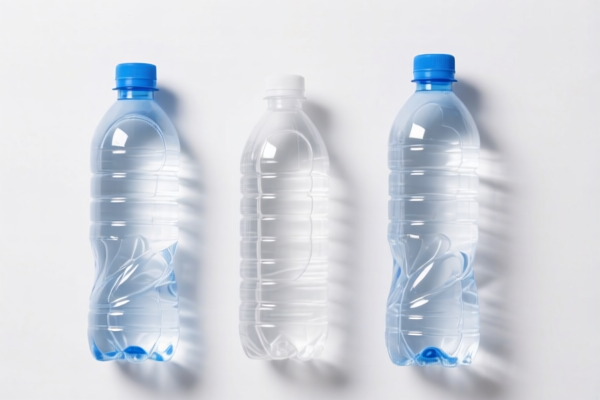
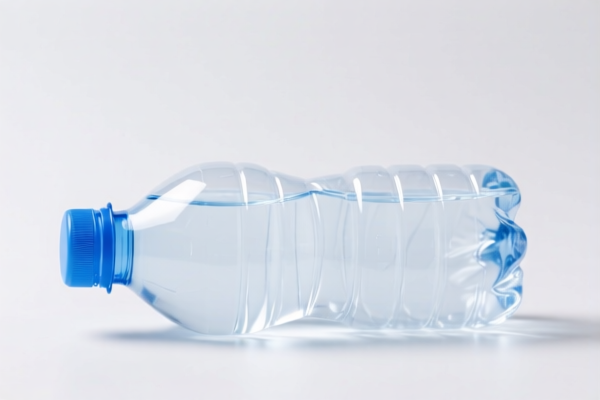
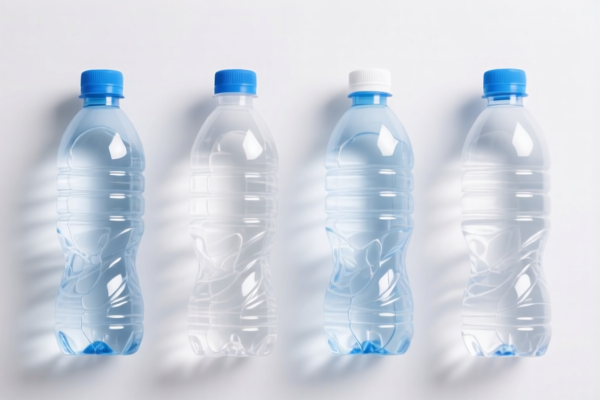
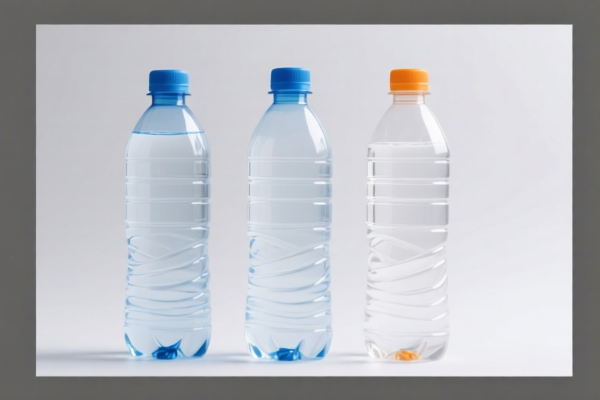
AI分析
🍶 Narrow Necked Bottles (Plastic & Glass)
HS Code Classification, Tariff Breakdown, and Customs Clearance Strategy for 2026
🌐 HS Code Reference & Customs Guide | 2026 Latest Tariff Analysis | Professional Entry Strategy
📌 I. Product Definition & Classification: What Exactly is a "Narrow Necked Bottle"?
A Narrow Necked Bottle is a container characterized by a mouth/neck diameter significantly smaller than its body width. In international trade, classification depends heavily on Material (Plastic vs. Glass) and Specific Usage/Shape.
The data provided indicates three primary scenarios for US Customs (CBP) entry:
- Plastic Bottles: Generally classified under Chapter 39. Specifically, 3923.30 covers articles for the conveyance or packing of goods.
- Glass Bottles (Kitchen/Table Use): Classified under Chapter 70. Specifically, 7013.49 covers glass tableware/kitchenware.
- Glass Bottles (Vial-like/Perfume Shape): Classified under Chapter 70. Specifically, 7013.99 covers other glassware not elsewhere specified.
⚠️ Key Distinction Point: - Plastic vs. Glass: The material is the primary differentiator. Plastic goes to Ch 39; Glass goes to Ch 70. - Glass Purpose: If the bottle is clearly for food/drink (kitchen/table), it falls under 7013.49. If it is for cosmetics, pharmaceuticals, or has a specific "vial/perfume" shape not intended for food, it falls under 7013.99.
📦 II. HS Code Classification Details (2026 Latest Tariff Authority)
Based on the provided <DATA>, here is the precise breakdown of HS Codes, summaries, and tax implications.
| HS Code | Product Description & Summary | Primary Material | Key Classification Logic |
|---|---|---|---|
| 3923.30.00.90 | Plastic Narrow Necked Bottles Matched form & use; no material conflict. |
Plastic | Standard classification for plastic bottles/pots/jars. |
| 7013.49.60.90 | Glass Narrow Necked Bottles Kitchen/Tableware usage; classified under other categories. |
Glass | Identified as kitchen/tableware (glass), but specific sub-category. |
| 7013.99.30.00 | Glass Narrow Necked Bottles Shape similar to perfume bottles; classified as vessels. |
Glass | Non-food glassware, vial/perfume-like shape. |
| 3923.30.00.10 | Plastic Narrow Necked Bottles Category: Bottles/Jars; no material conflict. |
Plastic | Specific sub-code for plastic bottles/jars. |
🔍 Important Note: - 3923.30.00.10 and 3923.30.00.90 both apply to Plastic Bottles. The distinction between .10 and .90 is often administrative or based on specific sub-category definitions within the US HTSUS. However, the tax rate is identical (38.0%). - 7013.49.60.90 is for Glass Kitchen/Table items. - 7013.99.30.00 is for Other Glass Vessels (e.g., cosmetic/perfume vials).
💰 III. 2026 Latest Tariff Rate Breakdown (Including Add-ons)
✅ Applicable Country: United States (US) ✅ Origin: China (CN) (Implied by the 122 Section and 301-like tariffs) ✅ Effective Time: Current rates (Note: "122 Section" refers to Section 122 of the Trade Act, often used for temporary increases, and "122 Clause Tariff" likely refers to specific enforcement mechanisms or legacy references to Section 301/IEEPA in this context).
🎯 1. Plastic Bottles (3923.30.00.90 / 3923.30.00.10)
| Item | Detail |
|---|---|
| Base Tariff | 3.0% (Standard MFN Rate) |
| Section 301 / Add-on Tariff | 25.0% |
| "122 Clause" Tariff | 10.0% |
| Total Tariff Rate | 38.0% |
| Tax Calculation | CIF Value × 38.0% |
| De Minimis Exemption? | ❌ No. High tariff rates typically exclude Section 301 goods from de minimis (Section 321) relief. |
📌 Explanation: - Base 3%: Standard Most Favored Nation (MFN) rate for plastic articles of heading 3923. - 25% Add-on: Corresponds to Section 301 tariffs on Chinese plastics/packaging materials. - 10% "122 Clause": Specific enforcement tariff mentioned in data. - Total: 38%. This is a high-cost entry point.
🎯 2. Glass Kitchen/Table Bottles (7013.49.60.90)
| Item | Detail |
|---|---|
| Base Tariff | 7.2% |
| Section 301 / Add-on Tariff | 7.5% |
| "122 Clause" Tariff | 10.0% |
| Total Tariff Rate | 24.7% |
| Tax Calculation | CIF Value × 24.7% |
| De Minimis Exemption? | ❌ No. |
📌 Explanation: - Base 7.2%: Higher base rate for glass tableware (7013). - 7.5% Add-on: Lower additional tariff compared to plastics (likely due to different HTSUS section treatment or specific exclusions/applications). - Total: 24.7%. Significantly cheaper than plastic.
🎯 3. Glass Vial/Perfume Bottles (7013.99.30.00)
| Item | Detail |
|---|---|
| Base Tariff | 9.0% |
| Section 301 / Add-on Tariff | 7.5% |
| "122 Clause" Tariff | 10.0% |
| Total Tariff Rate | 26.5% |
| Tax Calculation | CIF Value × 26.5% |
| De Minimis Exemption? | ❌ No. |
📌 Explanation: - Base 9.0%: Higher base rate for "other glassware" (7013.99). - 7.5% Add-on: Same add-on as kitchen glass. - Total: 26.5%.
🛠️ IV. Customs Clearance Practical Advice (Pitfall Avoidance Guide)
✅ 1. Preparation Checklist (Essential for All HS Codes)
| Document | Required? | Notes |
|---|---|---|
| ✅ Product Specifications | Yes | Must specify: Material (Glass/Plastic), Neck Diameter, Volume, Closure Type. |
| ✅ Photos | Yes | Clear photos showing the "narrow neck" profile. For glass, distinguish between kitchenware and cosmetic vials. |
| ✅ Commercial Invoice | Yes | Must clearly state "Narrow Necked Bottle" and HS Code. |
| ✅ Packing List | Yes | Weight and dimensions. |
| ✅ Origin Certificate | Yes | If claiming any potential exemptions (though Section 301 applies to China origin). |
| ✅ Material Declaration | Yes | Explicitly state "100% PET Plastic" or "Soda-Lime Glass". |
✅ 2. Declaration Strategy (Key Mnemonics)
🔥 "Material First, Use Second, Shape Third!"
| Scenario | Correct Declaration Approach | Risk if Incorrect |
|---|---|---|
| Plastic Bottle | Declare as 3923.30. Be explicit about "Bottle" not "Container" if ambiguity exists. |
Misclassification as generic plastic packaging may lead to audits. |
| Glass Kitchen Bottle | Declare as 7013.49. Emphasize "Tableware" or "Kitchen Use". |
If declared as 7013.99, rate is 26.5% vs 24.7%. Minor difference, but consistency matters. |
| Glass Cosmetic/Perfume Bottle | Declare as 7013.99. Emphasize "Vial" or "Cosmetic Container". |
Do NOT declare as kitchenware if it's clearly for cosmetics; CBP may scrutinize the use. |
✅ 3. Special Considerations for "122 Clause" & Section 301
- Section 301 Applicability: Both Plastic and Glass goods from China are subject to additional tariffs. Ensure your supplier's origin is accurately declared. Re-labelling or transshipment without substantial transformation will not bypass these tariffs.
- "122 Clause": This appears to be a specific tariff mechanism in your dataset. Treat it as a mandatory 10% addition. Do not attempt to exclude it unless you have a specific legal ruling or exemption document from CBP.
- De Minimis (Section 321): Given the high effective tax rates (24.7% - 38.0%), these goods cannot enter under the $800 de minimis exemption if the tariff is applied. You must file a formal entry.
🌍 V. Global Market Comparison (2026)
| Market | Recommended HS Code | Est. Total Duty (China Origin) | Notes |
|---|---|---|---|
| 🇺🇸 USA | See Table II above | 24.7% - 38.0% | High Section 301/122 tariffs. Strict origin enforcement. |
| 🇨🇳 China | 3923.30 / 7013.49 | ~5% - 10% | Import duties are lower. No Section 301. |
| 🇪🇺 EU | 3923.30 / 7013.49 | 0% - 4% | No Section 301. Standard MFN rates apply. |
| 🇬🇧 UK | 3923.30 / 7013.49 | 0% - 4% | Post-Brexit tariffs generally competitive. |
📌 Conclusion: - USA is the most expensive market for these goods due to political tariffs. - Cost Saving Tip: If shipping to the US, consider glass (
7013.49or7013.99) if your product allows, as it has a lower total tariff (24.7%-26.5%) compared to plastic (38.0%).
📌 VI. Common Errors & Pitfalls (Blood & Tears Lessons)
❌ Error 1: Declaring Glass Bottles as "Plastic" to avoid higher base rates? 👉 Consequence: CBP inspection will reveal material. Fines for misdeclaration. Plus, Plastic has higher total tariff (38%) than Glass (24.7%). Don't do it.
❌ Error 2: Declaring Cosmetic Glass Vials as "Kitchen Tableware" (7013.49)?
👉 Consequence: If CBP determines they are not for kitchen use, they may reclassify to 7013.99. While rates are similar (24.7% vs 26.5%), it triggers an audit and delays clearance. Be accurate about use.
❌ Error 3: Ignoring the "122 Clause" Tariff. 👉 Consequence: Underpayment of duties. CBP will assess interest and penalties upon audit. Always include the 10%.
❌ Error 4: Using "Container" instead of "Bottle". 👉 Consequence: Ambiguity. "Container" can fall under 3923.90 (other articles). Narrow necked bottles have specific sub-headings. Use specific terminology: "Narrow Necked Bottle".
✅ Correct Declaration Example:
"Plastic Narrow Necked Bottles, 500ml, PET Material, for Food Packaging, HS 3923.30.00.90"
🎯 VII. Conclusion: Precise Classification, Maximized Savings!
🎯 Remember the Golden Rules:
🔹 "Plastic is 38%, Glass is ~25%!" 🔹 "Kitchen Glass vs. Cosmetic Glass: Use Determines the Code!" 🔹 "Never Ignore the 10% Clause!"
📌 Pro Tip:
If you are shipping high volumes, consider Advance Rulings from CBP to lock in the HS Code interpretation, especially for the distinction between
7013.49(Kitchen) and7013.99(Other). This prevents future disputes.
📣 Immediate Action:
📞 Verify Material: Is it Plastic or Glass? 📞 Verify Use: Is it Kitchen/Table or Cosmetic/Vial? 📞 Calculate Duty: 38% (Plastic) or 24.7-26.5% (Glass). 🚀 Clear Customs Smoothly, Keep Margins High!
✨ Professional Customs Clearance Starts with Accurate Classification! 💼 Your Profit Margin Depends on These Decimals!
用户评价
关于 HS 编码归类
协调制度(HS)是由世界海关组织(WCO)制定的国际贸易商品分类标准。全球 200 多个国家采用 HS 系统作为海关关税、贸易统计和进出口监管的基础。
每个 HS 编码遵循以下层级结构:
- 章(2 位)——商品大类(例如:第 84 章:机器和机械设备)
- 品目(4 位)——章内的更具体分类
- 子目(6 位)——国际通用细分,所有 WCO 成员国统一使用
- 本国细分(8-10 位)——各国自行扩展的细分编码,如美国 HTSUS 10 位编码
正确的 HS 编码归类对于顺利通关、准确缴纳关税和遵守贸易法规至关重要。错误归类可能导致海关延误、多缴关税或罚款。
从CN进口到US时,适用的关税税率可能包括:
- 最惠国(MFN)税率——适用于 WTO 成员国的标准关税税率
- 普通税率——适用于无贸易协定国家
- 贸易救济关税——附加关税,如 301 条款(反倾销)、232 条款(国家安全)或反补贴税
本页内容仅供参考。如需正式归类,请咨询当地海关或持牌报关代理。