natural
CN → US| HS编码 | 关税税率 | 原产国 | 目的国 | 文档 |
|---|---|---|---|---|
| 2530908015 | 10.0% | CN | US | 官方文档 |
| 1211908990 | 35.0% | CN | US | 官方文档 |
| 1211908931 | 35.0% | CN | US | 官方文档 |
| 2530908050 | 10.0% | CN | US | 官方文档 |
商品图片
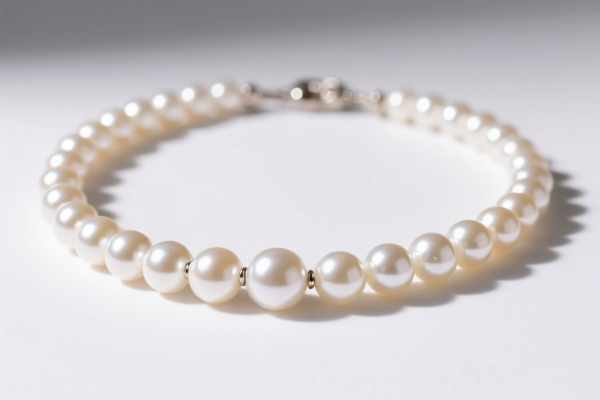
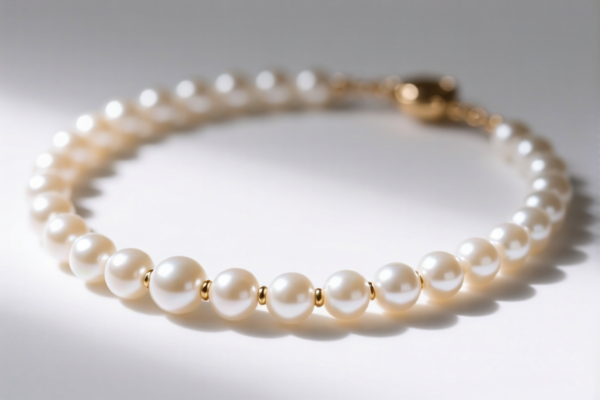
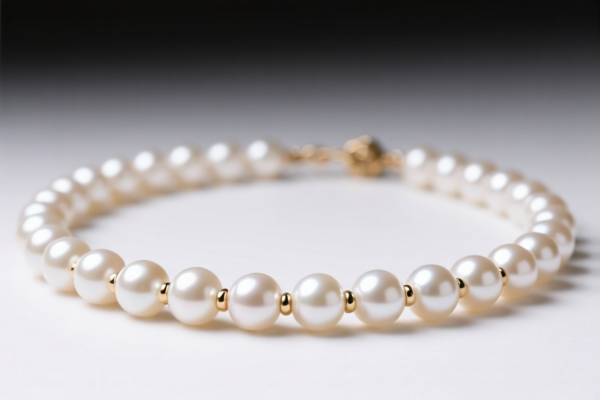
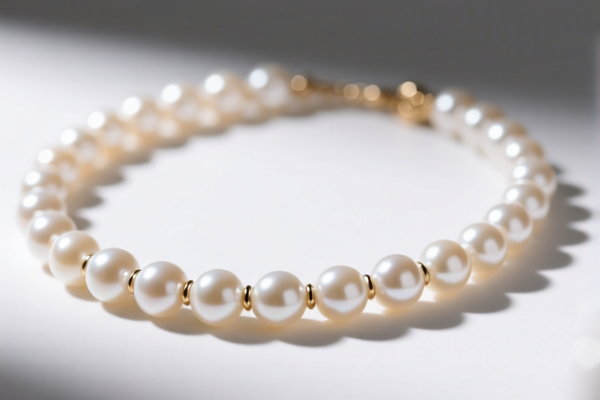
AI分析
🌿 Natural Materials: HS Code Classification & U.S. Customs Clearance Guide 2026
🌐 HS Code Reference & Customs Clearance Strategy | 2026 Latest Tariff Analysis | Expert-Level Logistics Protocol
📌 I. Product Definition & Classification: Do You Truly Understand “Natural” Materials?
The term "Natural Materials" is a generic descriptor in international trade, lacking specific technical or chemical definitions. In U.S. Customs and Border Protection (CBP) terminology, it typically falls into two broad categories based on its origin:
- Mineral/Natural Inorganic Substances: Earth-derived, non-processed, or minimally processed minerals, stones, or inorganic matter.
- Plant/Organic Substances: Botanical items, including seeds, fruits, roots, leaves, or other parts of plants, often used for medicinal, culinary, or decorative purposes.
⚠️ Critical Distinction Point:
- If the material is inorganic (e.g., sand, gravel, specific stones, minerals) → It falls under Chapter 25 (Mineral Products).
- If the material is organic/plant-based (e.g., herbs, seeds, dried fruits, roots) → It falls under Chapter 12 (Oil Seeds; Miscellaneous Grains, Roots, etc.).
- Ambiguity Risk: If the exact nature is unclear, CBP may apply "catch-all" provisions or reject the entry for insufficient documentation.
📦 II. HS Code Classification Details (2026 Latest Harmonized Tariff Schedule)
Based on the provided data, "Natural Materials" are classified into four specific HS Codes depending on their inferred nature. Below is the detailed breakdown:
| HS Code | Product Description | Applicable Scenario | Key Attributes |
|---|---|---|---|
2530.90.80.15 |
Other mineral substances, not elsewhere specified or included. | Inorganic natural materials, unspecified minerals. | Inorganic; Non-specific mineral. |
1211.90.89.90 |
Plants and parts of plants (including seeds and fruits), used primarily in perfumery, pharmacy, or for insecticidal, fungicidal, etc., purposes, fresh or dried. | Plant/organic matter; Other plant parts. | Organic; Plant-based; Specific use implied. |
1211.90.89.31 |
Plants and parts of plants (including seeds and fruits), used primarily in perfumery, pharmacy, or for insecticidal, fungicidal, etc., purposes, fresh or dried. | Plant/organic matter; Seeds, fruits, or natural forms. | Organic; Plant-based; Natural form (seed/fruit). |
2530.90.80.50 |
Other mineral substances, not elsewhere specified or included. | Inorganic natural materials; "Catch-all" mineral category. | Inorganic; Unlisted mineral substance. |
🔍 Key Insight:
- Mineral Categories (2530.90.80.xx): These are for inorganic natural materials. The distinction between.15and.50is often subtle and relies on specific CBP interpretations of "other mineral substances." Both carry a 10% total tax rate.
- Plant Categories (1211.90.89.xx): These are for organic/plant materials. The distinction between.90and.31depends on whether the item is a general "plant part" or specifically a "seed/fruit/natural form." Both carry a 35% total tax rate.
- ⚠️ Warning: Misclassifying a plant material as a mineral (or vice versa) can lead to severe penalties, back-taxes, and shipment holds.
💰 III. 2026 U.S. Tariff Rate Breakdown (Detailed Tax Analysis)
✅ Applicable Country: United States (US)
✅ Origin: China (CN) (Implied by "122 Tariff" and current trade policies)
✅ Effective Date: 2025–2026 Period
🎯 1. Mineral-Based Classifications (HS Codes: 2530.90.80.15 & 2530.90.80.50)
| Item | Detail |
|---|---|
| Base Tariff | 0.0% (Ad Valorem) |
| Section 301 / 122 Tariff | 10% (Specific surcharge for "Other Mineral Substances") |
| Total Tax Rate | 10.0% |
| Tax Calculation | CIF Value × 10% |
| Legal Basis | HTSUS 2530.90.80.xx; Section 122 Tariff Provisions |
📌 Explanation:
- These HS Codes are favored for lower cost entry compared to plant-based materials.
- The 10% tariff is applied via the "122 Tariff" mechanism, which is distinct from the 25% Section 301 tariff.
- Note: Ensure the material is truly inorganic/mineral. If it contains organic matter, CBP may reclassify it under Chapter 12, increasing the tax burden.
🎯 2. Plant-Based Classifications (HS Codes: 1211.90.89.90 & 1211.90.89.31)
| Item | Detail |
|---|---|
| Base Tariff | 0.0% (Ad Valorem) |
| Section 301 / 122 Tariff | 25% (Standard Section 301 Surcharge) |
| Additional 122 Tariff | 10% (Specific surcharge for this subcategory) |
| Total Tax Rate | 35.0% |
| Tax Calculation | CIF Value × 35% |
| Legal Basis | HTSUS 1211.90.89.xx; Section 301 & 122 Tariff Provisions |
📌 Explanation:
- These HS Codes carry a significantly higher tax burden (35%).
- The 25% is the standard Section 301 tariff on many Chinese-origin goods.
- The 10% is an additional surcharge specific to certain plant-based classifications.
- Critical: Only use these codes if the material is certifiably plant/organic. Misuse can result in audits and penalties.
🛠️ IV. Customs Clearance Practical Advice (Avoiding Pitfalls)
✅ 1. Required Documentation Checklist
| Document | Mandatory? | Purpose |
|---|---|---|
| ✅ Material Safety Data Sheet (MSDS) | ✔️ | Proves whether the material is organic or inorganic. |
| ✅ Certificate of Origin (CO) | ✔️ | Establishes country of origin (e.g., China, Vietnam). |
| ✅ Product Specification Sheet | ✔️ | Detailed description: chemical composition, botanical name, or mineral name. |
| ✅ Phytosanitary Certificate | ✔️ | CRITICAL for Plant-Based Codes (1211); issued by the exporting country's agriculture department. |
| ✅ Commercial Invoice | ✔️ | Must clearly state "Natural [Plant/Mineral] Material" and match HS Code. |
| ✅ Packing List | ✔️ | Details quantity, weight, and packaging. |
✅ 2. Declaration Tips (Key Mnemonics)
🔥 "Nature Defines Code, Tax Follows Truth!"
| Scenario | Correct Declaration | Incorrect Declaration |
|---|---|---|
| Inorganic Stone/Sand | 2530.90.80.15 or .50 |
Misdeclare as 1211 → 35% Tax + Penalty |
| Dried Herbs/Seeds | 1211.90.89.31 or .90 |
Misdeclare as 2530 → 10% Tax (but risk of 35% back-tax + seizure) |
| Ambiguous "Natural" Item | Provide Laboratory Analysis | Vague description "Natural Stuff" → Customs Hold |
| Packaging | Label as "Natural Mineral" or "Dried Botanical" | Generic "Natural Material" → Rejection |
✅ 3. Special Considerations
| Situation | Handling Advice |
|---|---|
| Mixed Materials | If the product contains both plant and mineral components, CBP may apply the higher tariff rate (35%) or require separation. |
| Phytosanitary Risk | Plant-based materials (1211) are subject to APHIS (Animal and Plant Health Inspection Service) checks. Ensure no pests or prohibited species. |
| Prohibited Items | Some "natural" materials (e.g., certain woods, animal parts) may be banned under CITES or ESA. Verify before shipping. |
| Pre-Ruling Request | If uncertain, apply for a CBP Pre-Ruling to confirm the correct HS Code and tariff rate. |
🌍 V. Global Market Comparison (2026 Overview)
| Market | Recommended HS Code | Tariff (China Origin) | Key Certification | Notes |
|---|---|---|---|---|
| 🇺🇸 USA | 2530.90.80.xx (Mineral) |
10% | None specific | Lowest tax for inorganic. |
| 🇺🇸 USA | 1211.90.89.xx (Plant) |
35% | Phytosanitary Cert. | High tax; strict biosecurity. |
| 🇨🇳 China | 2530 / 1211 |
0% - 10% | N/A | Different tariff structure. |
| 🇪🇺 EU | 2530 / 1211 |
0% - 5% | CE (if applicable) | No Section 301 tariffs. |
📌 Conclusion:
- USA is the most complex market due to the dual tariff structure (Base + 301/122).
- Mineral classification (2530) is cost-effective (10%) but requires proof of inorganic nature.
- Plant classification (1211) is expensive (35%) and requires strict phytosanitary compliance.
📌 VI. Common Mistakes & Pitfalls (Lessons Learned)
❌ Mistake 1: Using "Natural" as a generic description without specifying Plant vs. Mineral.
👉 Consequence: CBP delays entry for clarification, leading to storage fees.
❌ Mistake 2: Misclassifying plant-based items as minerals to save taxes.
👉 Consequence: 35% back-tax + penalties + potential seizure for false declaration.
❌ Mistake 3: Forgetting the Phytosanitary Certificate for plant-based materials.
👉 Consequence: Shipment destroyed or returned by APHIS.
❌ Mistake 4: Assuming all "minerals" qualify for 2530.90.80.15.
👉 Consequence: If the material is processed or mixed, it may fall under a different chapter (e.g., Chapter 38 for chemicals).
✅ Best Practice:
"Know Your Material: Inorganic =
2530(10%); Organic =1211(35%)."
"Always provide Lab Reports and Certificates."
🎯 VII. Final Recommendations: Optimize Your Clearance
🎯 Key Takeaways:
1. Determine Nature First: Is it Plant or Mineral?
2. Choose Wisely:
- Mineral: HS 2530.90.80.15 or .50 → 10% Tax.
- Plant: HS 1211.90.89.31 or .90 → 35% Tax.
3. Document Everything: MSDS, Phytosanitary Cert, CO.
4. Apply for Pre-Ruling: If unsure, get CBP’s official opinion.
📌 Pro Tip:
If your natural material is not from China (e.g., from Vietnam, Thailand, or Europe), check for FTA (Free Trade Agreement) benefits. Some plants may qualify for 0% tariffs under specific agreements, even if Section 301 applies to China.
📣 Immediate Action:
📞 Consult a Licensed Customs Broker
📄 Submit Detailed Product Specs
🚀 Ensure Compliance Before Shipment
✨ Accurate Classification Saves Money and Time!
💼 Your Natural Material, Declared Right, Cleared Fast!
用户评价
关于 HS 编码归类
协调制度(HS)是由世界海关组织(WCO)制定的国际贸易商品分类标准。全球 200 多个国家采用 HS 系统作为海关关税、贸易统计和进出口监管的基础。
每个 HS 编码遵循以下层级结构:
- 章(2 位)——商品大类(例如:第 84 章:机器和机械设备)
- 品目(4 位)——章内的更具体分类
- 子目(6 位)——国际通用细分,所有 WCO 成员国统一使用
- 本国细分(8-10 位)——各国自行扩展的细分编码,如美国 HTSUS 10 位编码
正确的 HS 编码归类对于顺利通关、准确缴纳关税和遵守贸易法规至关重要。错误归类可能导致海关延误、多缴关税或罚款。
从CN进口到US时,适用的关税税率可能包括:
- 最惠国(MFN)税率——适用于 WTO 成员国的标准关税税率
- 普通税率——适用于无贸易协定国家
- 贸易救济关税——附加关税,如 301 条款(反倾销)、232 条款(国家安全)或反补贴税
本页内容仅供参考。如需正式归类,请咨询当地海关或持牌报关代理。