new aircraft tires
CN → US| HS编码 | 关税税率 | 原产国 | 目的国 | 文档 |
|---|---|---|---|---|
| 4012130050 | 35.0% | CN | US | 官方文档 |
| 4011300010 | 35.0% | CN | US | 官方文档 |
| 4011300050 | 35.0% | CN | US | 官方文档 |
| 4012130010 | 35.0% | CN | US | 官方文档 |
| 4011300010 | 35.0% | CN | US | 官方文档 |
商品图片
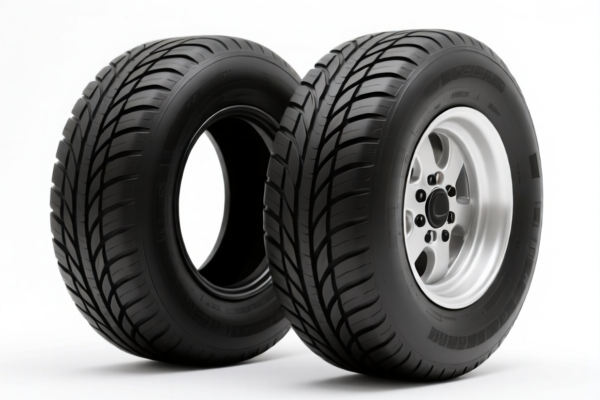
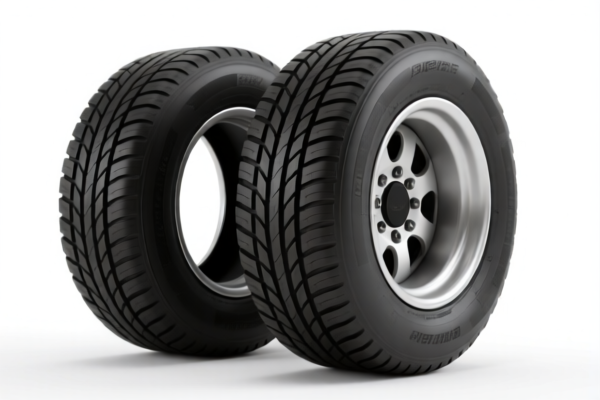
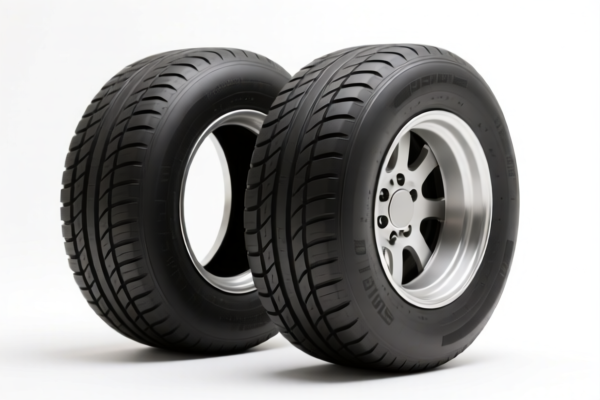
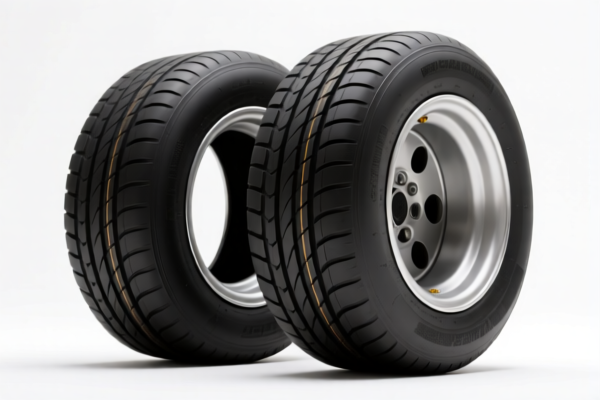
AI分析
🛩️ Aircraft Tires & Retreads (Aviation Rubber Tires)
🌐 HS Code Reference & Customs Clearance Guide | 2026 Latest Tariff Breakdown | Professional Aviation Logistics Strategy
📌 I. Product Definition & Classification: Do You Truly Understand "Aircraft Tires"?
Aircraft tires are highly specialized safety-critical components designed to withstand immense pressure, heat, and weight during takeoff and landing. In international trade, they are strictly categorized by their state (New vs. Retreaded) and application (Civil vs. General Aviation).
New Pneumatic Rubber Tires (4011.30): Brand new, manufactured rubber tires designed specifically for aircraft use.
Retreaded Tires (4012.13): Previously used aircraft tires that have been recapped or retreaded with new rubber, restoring them to a usable condition.
⚠️ Key Distinction Point:
- If the tire is newly manufactured and intended for aviation use → Classify under 4011.30.xx.xx
- If the tire is refurbished/retreaded for aviation use → Classify under 4012.13.xx.xx
- Note: Both categories attract heavy tariffs due to trade policies. Misclassification can lead to severe penalties.
📦 II. HS Code Classification Matrix (2026 Latest Tariff Authoritative Comparison)
Based on the provided data, here are the specific HS Codes for "New Aircraft Tires" and related aviation rubber products:
| HS Code | Product Description | Application Scope | State of Goods |
|---|---|---|---|
4011.30.00.10 |
Pneumatic rubber tires, of a kind used on aircraft | Civil Aircraft Use | ✅ New (Pneumatic) |
4011.30.00.50 |
Pneumatic rubber tires, of a kind used on aircraft | Aircraft Use (General) | ✅ New (Pneumatic) |
4012.13.00.10 |
Retreaded pneumatic rubber tires | Aircraft Use | ✅ Retreaded |
4012.13.00.50 |
Retreaded pneumatic rubber tires | Aircraft Use | ✅ Retreaded |
🔍 Crucial Note on "New Aircraft Tires":
- The user input was "New aircraft tires".
- Therefore, the primary applicable codes are4011.30.00.10and4011.30.00.50.
- These codes cover both Civil Aircraft (10) and general Aircraft (50) applications.
- Do NOT use4012.13codes unless the tires are explicitly retreaded/refurbished.
💰 III. 2026 Latest Tariff Rate Detailed Breakdown (Including Surcharges & Policy Add-ons)
✅ Applicable Region: United States (US)
✅ Country of Origin: China (CN) (Inferred from "Section 122" and "301" context in data)
✅ Effective Date: Current Trade Policy Enforced
All listed HS Codes share the identical tariff structure in the provided data.
🎯 1. 4011.30.00.10 & 4011.30.00.50 —— New Pneumatic Rubber Tires for Aircraft
| Item | Content |
|---|---|
| Base Tariff | 0.0% (Ad Valorem) |
| Section 301 Surcharge | +25.0% (USITC Footnote related to China-origin goods) |
| Section 122 Surcharge | +10.0% (Specific trade remedy/add-on tariff) |
| Total Tariff Rate | 35.0% |
| Tax Calculation | CIF Value × 35% |
| De Minimis Eligibility | ❌ Not Applicable (High-value aviation components do not qualify for low-value exemptions) |
| Legal Basis Path | USITC:4011.30.00.10/50 → Section 301: 25% → Section 122: 10% |
📌 Explanation:
- "Base Tariff 0%": The standard Most Favored Nation (MFN) rate for aircraft tires is often 0% or very low, reflecting the specialized nature of the good.
- "Section 301 Surcharge 25%": This is the significant Trump-era trade war tariff applied to many Chinese-manufactured goods, including rubber products.
- "Section 122 Surcharge 10%": A specific additional tariff provision.
- Total 35%: This is a high-cost entry barrier. Importers must budget for a 35% duty on the declared value.
🎯 2. 4012.13.00.10 & 4012.13.00.50 —— Retreaded Aircraft Tires
| Item | Content |
|---|---|
| Base Tariff | 0.0% |
| Section 301 Surcharge | +25.0% |
| Section 122 Surcharge | +10.0% |
| Total Tariff Rate | 35.0% |
| Tax Calculation | CIF Value × 35% |
| De Minimis Eligibility | ❌ Not Applicable |
| Legal Basis Path | USITC:4012.13.00.10/50 → Section 301: 25% → Section 122: 10% |
📌 Note:
- Even though retreaded tires are often considered "used" or "refurbished," they are still subject to the same heavy trade restrictions if originating from the targeted country.
- Retreading is cost-effective for operations, but the import tax remains the same as new tires.
🛠️ IV. Customs Clearance Practical Advice (Battle-Tested Pitfall Avoidance Guide)
✅ 1. Documentation Checklist (Non-negotiable)
| Document | Mandatory? | Purpose |
|---|---|---|
| ✅ Commercial Invoice | ✔️ | Must explicitly state "New Pneumatic Rubber Tires for Aircraft" or "Retreaded..." |
| ✅ Packing List | ✔️ | Detail tire size, load index, ply rating, and quantity |
| ✅ Manufacturer’s Certificate | ✔️ | Proves origin and manufacturing standard (e.g., ISO, FAA/EASA compliance) |
| ✅ FAA/EASA Approval Docs | ✔️ | Critical for Aviation Parts. Proves the tire is airworthy and certified for aircraft use. |
| ✅ Bill of Lading (B/L) | ✔️ | Standard shipping document |
| ✅ Insurance Certificate | ✔️ | For CIF valuation |
✅ 2. Declaration Tips (Key Mantra)
🔥 "Specify New/Retreaded, Cite FAA Cert, Avoid Mislabeling!"
| Scenario | Correct Declaration | Consequence of Error |
|---|---|---|
| New Aircraft Tires | 4011.30.00.10 (Civil) or 4011.30.00.50 (General) |
If mislabeled as auto tires → Risk of seizure + 35% tax + fines |
| Retreaded Tires | 4012.13.00.10 or 4012.13.00.50 |
If mislabeled as new → Fraud accusation + 35% tax + penalty |
| Mixed Shipments | Separate lines for New vs. Retreaded | Mixing leads to delays, audits, and potential denial of entry |
| OEM Parts | Include OEM Part Number | Helps customs verify airworthiness certificates |
✅ 3. Special Handling for Aviation Logistics
| Situation | Recommendation |
|---|---|
| Airworthiness Certificates | Ensure Form 8130-3 (FAA) or EASA Form 1 is available. Customs may inspect for compliance with aviation safety standards, not just tariff codes. |
| Pressure Tests | New tires must be pressure-tested. Provide test reports to avoid rejection for "defective goods." |
| Storage Conditions | Declare proper storage conditions (cool, dry) to ensure tires haven’t degraded before import. |
| Returnable Containers | If tires are shipped in specialized crates, declare them separately if possible to avoid over-taxing packaging. |
🌍 V. Global Market Comparison (2026 Update)
| Country/Region | Recommended HS Code | Tariff Rate (China Origin) | Key Requirements | Notes |
|---|---|---|---|---|
| 🇺🇸 USA | 4011.30.00.10/50 |
35.0% | FAA/EASA Cert, Section 301/122 Compliance | High tariff; strict aviation safety checks |
| 🇨🇳 China | 4011.30.00.10 |
~10-15% (Varies) | CCC/CAAC Approval | Lower tariffs, but complex approval process |
| 🇪🇺 EU | 4011.30.00 |
0% (if EASA compliant) | EASA Part-21 Compliance | No Section 301, but strict safety regs |
| 🇬🇧 UK | 4011.30.00 |
0-5% | UKCA Marking | Post-Brexit rules apply |
| 🇦🇪 UAE | 4011.30.00 |
5% | GSO Certification | Growing aviation hub, competitive |
📌 Conclusion:
- The USA imposes the highest effective tariff (35%) due to combined Section 301 and Section 122 measures.
- Aviation Safety Certification (FAA/EASA) is more critical than tariff codes for market access in most regions.
- Consider supply chain diversification (e.g., tires made in Vietnam or EU) to mitigate 35% US tariffs if feasible.
📌 VI. Common Mistakes & Pitfalls (Blood Lessons)
❌ Mistake 1: Classifying aircraft tires under automotive codes (e.g., 4011.10 for car tires)
👉 Consequence: Customs will reclassify, applying the correct 35% rate + penalties + interest.
❌ Mistake 2: Failing to distinguish between "New" and "Retreaded"
👉 Consequence: Incorrect HS Code selection leads to audit flags. Retreaded tires have different regulatory tracking needs.
❌ Mistake 3: Ignoring FAA/EASA Documentation
👉 Consequence: Even if tariffs are paid, goods may be held or destroyed if they lack airworthiness certification.
❌ Mistake 4: Undervaluing the CIF Price
👉 Consequence: Tariff evasion accusations. Use actual transaction value + insurance + freight.
✅ Correct Practice:
"New Pneumatic Rubber Tires, Model XYZ, FAA-PMA Approved, for Civil Aircraft Use, Origin: China"
🎯 VII. Conclusion: Precision in Classification, Safety in Compliance
🎯 Remember the Mantra:
🔹 "New is 4011, Retread is 4012, 35% Tax is the Price, FAA Cert is the Key!"
🔹 "HS Code determines Duty, Certification determines Entry, Never Mix New with Used!"
📌 Pro Tip:
If you are importing Retreaded Tires, ensure the retreading process was done in a TAA-compliant country if you are a US government contractor, as this affects Buy American Act compliance. For commercial imports, focus on cost vs. tax efficiency.
📣 Immediate Action Required:
📞 Consult with a licensed customs broker before shipping.
📄 Request FAA 8130-3 forms from the supplier.
💰 Budget for 35% total duties on all aircraft tire imports from China to the US.
🚀 Clear, compliant, and cost-effective aviation logistics start with accurate HS classification!
✨ Professional Clearance, Starting with Precise Classification!
💼 Every Percent Matters in Aviation Logistics!
用户评价
关于 HS 编码归类
协调制度(HS)是由世界海关组织(WCO)制定的国际贸易商品分类标准。全球 200 多个国家采用 HS 系统作为海关关税、贸易统计和进出口监管的基础。
每个 HS 编码遵循以下层级结构:
- 章(2 位)——商品大类(例如:第 84 章:机器和机械设备)
- 品目(4 位)——章内的更具体分类
- 子目(6 位)——国际通用细分,所有 WCO 成员国统一使用
- 本国细分(8-10 位)——各国自行扩展的细分编码,如美国 HTSUS 10 位编码
正确的 HS 编码归类对于顺利通关、准确缴纳关税和遵守贸易法规至关重要。错误归类可能导致海关延误、多缴关税或罚款。
从CN进口到US时,适用的关税税率可能包括:
- 最惠国(MFN)税率——适用于 WTO 成员国的标准关税税率
- 普通税率——适用于无贸易协定国家
- 贸易救济关税——附加关税,如 301 条款(反倾销)、232 条款(国家安全)或反补贴税
本页内容仅供参考。如需正式归类,请咨询当地海关或持牌报关代理。