non coniferous wood sulfate unbleached pulp
CN → US| HS编码 | 关税税率 | 原产国 | 目的国 | 文档 |
|---|---|---|---|---|
| 4706920100 | 35.0% | CN | US | 官方文档 |
| 4706200000 | 35.0% | CN | US | 官方文档 |
| 4703190000 | 35.0% | CN | US | 官方文档 |
| 4703110000 | 35.0% | CN | US | 官方文档 |
| 4805924030 | 35.0% | CN | US | 官方文档 |
商品图片
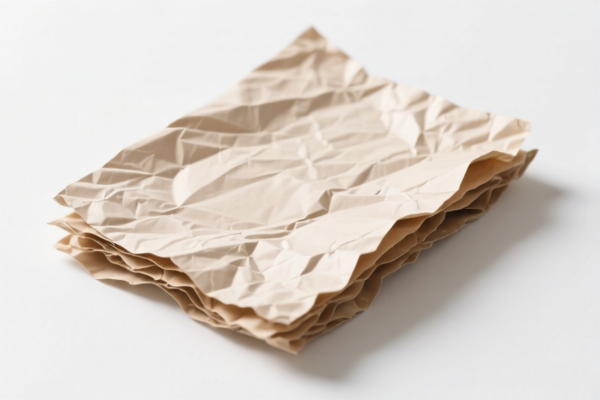
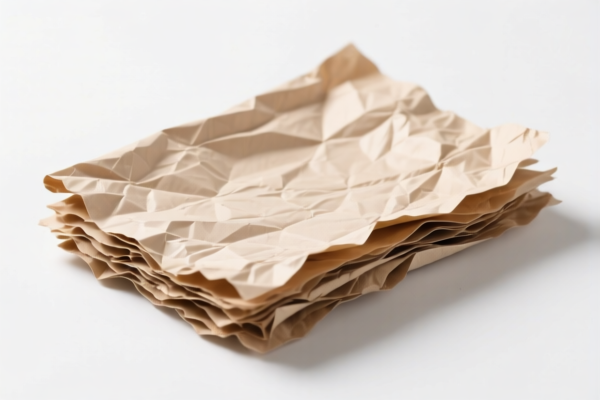
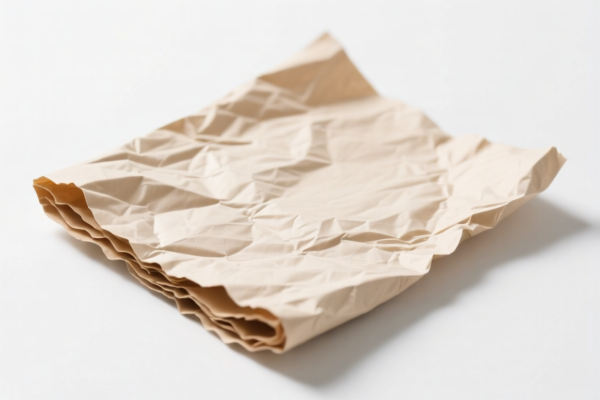
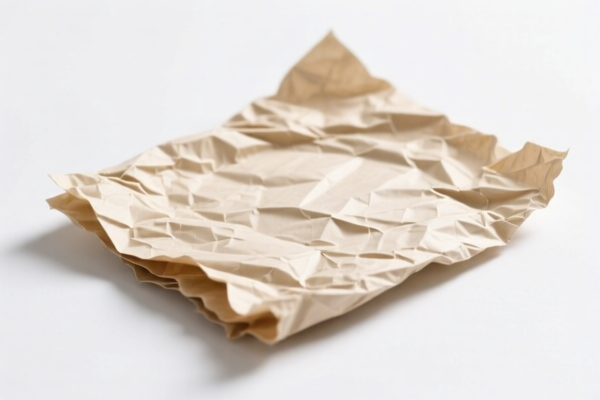
AI分析
🪵 Non-Coniferous Wood Sulfate Unbleached Pulp (Chemical Pulp)
🌐 HS Code Classification & Customs Clearance Guide | 2026 Latest Tariff Analysis | Professional Strategy for Chemical Wood Pulp
📌 I. Product Definition & Classification: Do You Really Understand "Wood Sulfate Pulp"?
Non-coniferous wood sulfate unbleached pulp is a critical raw material in the paper and packaging industry. In international trade, it falls under Chapter 47 (Wood pulp and other fibrous cellulosic fibers). It is primarily used for cardboard, packaging materials, and lower-grade paper products.
Key Classification Criteria: * Material: Cellulosic fiber derived from non-coniferous trees (hardwoods like eucalyptus, poplar, birch). * Method: Sulfate process (Kraft method), implying chemical breakdown of lignin. * State: Unbleached (natural brown color, no bleaching process applied). * Form: Packaging grade, fibrous pulp (not dissolved pulp).
⚠️ Critical Distinction:
- Is it Chemical Pulp (lignin removed) → Goes to 4703 or 4706.
- Is it Mechanical Pulp (lignin retained) → Goes to 4705 or 4707.
- Is it Recycled/Refused Pulp → Goes to 4706 or 4707.
The provided data suggests a mix of interpretations ranging from high-grade chemical pulp to lower-grade recycled or mixed pulp.
📦 II. HS Code Classification Details (2026 Latest Tariff Authority Comparison)
Based on the provided <DATA>, here are the matched HS codes and their logical justifications. Note that while the core attributes are similar, the specific sub-headings differ based on whether the pulp is considered "primary chemical pulp" or "secondary/recycled/mixed pulp."
| HS Code | Product Description | Classification Logic & Match Basis |
|---|---|---|
4703.19.00.00 |
Unbleached chemical wood pulp, non-coniferous, non-dissolving | Perfect Match. Matches "Non-coniferous," "Unbleached," and "Chemical (Sulfate)." Assumes standard chemical pulp definition. |
4703.11.00.00 |
Unbleached chemical wood pulp, non-coniferous, dissolving grade | Partial Match. Matches material and form. The "dissolving" aspect is inferred or assumed, but the core chemical wood pulp attribute fits. |
4706.92.01.00 |
Sulfate wood pulp, cellulose material, packaging grade | Logical Match. Focuses on the Sulfate method and Packaging use. Interprets it as a specific cellulose product form. |
4706.20.00.00 |
Wood pulp (cellulose), packaging grade (primary form) | Broad Match. Matches "Wood pulp," "Cellulose," and "Packaging." Less specific on the chemical process but fits the general category. |
4805.92.40.30 |
Chemical sulfate wood pulp <80%, linerboard | Alternative Match. Interprets "Non-coniferous sulfate" as potentially having <80% sulfate content (mixed/mechanical blend) for linerboard/packaging use. |
🔍 Key Takeaway:
- The most standard chemical pulp classification is 4703.
- The most practical/packaging-focused classification is 4706 or 4805.
- 4703 is typically for pure chemical pulp. 4706/4805 may apply if the pulp is considered a secondary product, mixed grade, or specifically for packaging board.
💰 III. 2026 Latest Tariff Rate Breakdown (Including Additional Taxes & Policy Add-ons)
✅ Applicable Country: United States (US)
✅ Origin: China (CN)
✅ Effective Date: November 10, 2025 (and subsequent imports)
✅ Total Tax Rate: 35.0% for all listed HS Codes
🎯 Tax Structure Breakdown (Applies to All 5 HS Codes)
| Tax Component | Rate | Legal Basis / Description |
|---|---|---|
| Base Tariff | 0.0% | Standard Most Favored Nation (MFN) rate for most wood pulp imports. |
| Section 301 Tariff (USITC) | +25.0% | Additional tariff on Chinese goods under Trade Act of 1974, Section 301. |
| Section 122 Tariff (IEEPA) | +10.0% | Additional tariff under International Emergency Economic Powers Act, targeting specific Chinese categories. |
| Total Effective Rate | 35.0% | Sum of 0% + 25% + 10% |
📌 Explanation:
- Base Rate (0%): Wood pulp is often duty-free under normal trade agreements.
- Section 301 (25%): This is the major cost driver. It applies to most Chinese-manufactured goods, including industrial raw materials like pulp.
- Section 122 (10%): A newer or specific addition for certain chemical/pulp categories, bringing the total to 35%.
- No De Minimis: These items are NOT eligible for the $800 de minimis exemption. Full duties apply.⚠️ Cost Impact Example:
For a shipment worth $100,000 CIF:
- Base Duty: $0
- Section 301: $25,000
- Section 122: $10,000
- Total Tax: $35,000 (35%)
🛠️ IV. Customs Clearance Practical Advice (Real-World Pitfall Avoidance)
✅ 1. Documentation Checklist (Non-Negotiable)
| Document | Required? | Notes |
|---|---|---|
| Product Specification Sheet | ✅ Yes | Must specify: Type (Sulfate/Kraft), Origin (Non-coniferous), Bleach status (Unbleached), Usage (Packaging). |
| Certificate of Origin (CO) | ✅ Yes | Must confirm China origin to apply/confirm tariff rates. |
| Bill of Lading / Invoice | ✅ Yes | Clear description: "Non-Coniferous Wood Sulfate Unbleached Pulp." |
| MSDS (Material Safety Data Sheet) | ✅ Yes | Required for chemical products. |
| Packaging Details | ✅ Yes | Palletized, wrapped, baled? Must show packaging grade. |
✅ 2. Classification Strategy & Tips
🔥 Golden Rule: "Be Precise About 'Chemical' vs. 'Mixed'."
| Scenario | Recommended HS Code | Reasoning |
|---|---|---|
| Pure Chemical Pulp (High lignin removal) | 4703.19.00.00 |
Best fit for standard unbleached kraft pulp. |
| Packaging-Grade Pulp (Lower grade, mixed) | 4706.92.01.00 or 4706.20.00.00 |
If the pulp is specifically labeled for packaging or is a secondary product. |
| Linerboard-Ready Pulp (<80% sulfate) | 4805.92.40.30 |
If the pulp is a blend or specifically for linerboard with lower sulfate content. |
📌 Warning:
- Do NOT misclassify as "Recycled Paper" (Chapter 4707) unless it is actually recycled.
- Do NOT classify as "Dissolving Pulp" (4703.11) unless explicitly sold for dissolving purposes.
- Accuracy matters: Misclassification can lead to audits, back-taxes, and penalties.
✅ 3. Special Handling Notes
| Situation | Recommendation |
|---|---|
| Bulk Shipment | Ensure bales are intact. Provide bale weights and counts. |
| Mixed Origins | If pulp from China and other countries is mixed, separate shipments or declare per country. |
| Pre-Clearance | Strongly recommend applying for an Advance Ruling from CBP to confirm the HS Code and tariff liability before shipment. |
| Tariff Engineering | Explore if any part of the process can be done outside China to potentially avoid the 35% tax (e.g., if processed/transformed in Vietnam/Mexico, but this is complex for pulp). |
🌍 V. Global Market Comparison (2026)
| Country/Region | Recommended HS Code | Tariff (China Origin) | Key Requirements |
|---|---|---|---|
| 🇺🇸 USA | 4703.19.00.00 or 4706.92.01.00 |
35% | CO, MSDS, Precise Description |
| 🇨🇳 China | 4703.19.00.00 |
0% (Import Duty) | Standard Import Docs |
| 🇪🇺 EU | 4703.19.00.00 |
0% (Most WCO Rates) | CE/REACH Compliance (if applicable) |
| 🇮🇳 India | 4703.19.00.00 |
~5-10% | BIS Certification, CO |
| 🇧🇷 Brazil | 4703.19.00.00 |
~12% | ANVISA/IBAMA Approval |
📌 Conclusion:
- The USA is the most expensive market for this product due to the 35% combined tariff.
- China, EU, and many other regions have low or zero base duties, making them more cost-effective if sourcing from China.
- Strategic Tip: If targeting the US market, consider sourcing pulp from non-China origins (e.g., Brazil, Canada, Finland) to avoid the 35% tariff, if supply chain allows.
📌 VI. Common Mistakes & Pitfalls (Lessons Learned)
❌ Mistake 1: Calling it "Recycled Pulp"
👉 Consequence: Wrong HS Code, potential fraud allegations, heavy penalties.
❌ Mistake 2: Omitting "Unbleached" in the description
👉 Consequence: Ambiguity, customs may classify based on highest duty or reject the entry.
❌ Mistake 3: Ignoring Section 122 (10%) Tariff
👉 Consequence: Underpayment, back-taxes, and interest.
❌ Mistake 4: Assuming De Minimis Applies
👉 Consequence: Seizure of goods, as pulp is not eligible for $800 exemption.
✅ Best Practice:
Use the exact phrase: "Non-Coniferous Wood Sulfate Unbleached Chemical Pulp, Packaging Grade, Origin: China."
🎯 VII. Conclusion: Professional Classification Saves Money!
🎯 Remember:
🔹 "Chemical Pulp = 4703" (if pure)
🔹 "Packaging/Secondary Pulp = 4706" (if mixed/secondary)
🔹 "USA Tariff = 35%" (Non-negotiable for China origin)
🔹 "No De Minimis" (Full duties apply)
📌 Pro Tip:
If your pulp is not from China (e.g., from Canada, Brazil, or Sweden), the 35% US tariff may not apply. Always verify the Country of Origin on the Bill of Lading and CO.
📣 Immediate Action:
📞 Consult a Licensed Customs Broker
📄 Request an Advance Ruling from CBP
🌍 Evaluate Sourcing Options (China vs. Non-China)
✨ Precision in Classification, Precision in Profit!
💼 Every percentage point of duty counts!
用户评价
关于 HS 编码归类
协调制度(HS)是由世界海关组织(WCO)制定的国际贸易商品分类标准。全球 200 多个国家采用 HS 系统作为海关关税、贸易统计和进出口监管的基础。
每个 HS 编码遵循以下层级结构:
- 章(2 位)——商品大类(例如:第 84 章:机器和机械设备)
- 品目(4 位)——章内的更具体分类
- 子目(6 位)——国际通用细分,所有 WCO 成员国统一使用
- 本国细分(8-10 位)——各国自行扩展的细分编码,如美国 HTSUS 10 位编码
正确的 HS 编码归类对于顺利通关、准确缴纳关税和遵守贸易法规至关重要。错误归类可能导致海关延误、多缴关税或罚款。
从CN进口到US时,适用的关税税率可能包括:
- 最惠国(MFN)税率——适用于 WTO 成员国的标准关税税率
- 普通税率——适用于无贸易协定国家
- 贸易救济关税——附加关税,如 301 条款(反倾销)、232 条款(国家安全)或反补贴税
本页内容仅供参考。如需正式归类,请咨询当地海关或持牌报关代理。