non pressure plastic pipe fittings
CN → US| HS编码 | 关税税率 | 原产国 | 目的国 | 文档 |
|---|---|---|---|---|
| 3926909989 | 22.8% | CN | US | 官方文档 |
| 8708998180 | 37.5% | CN | US | 官方文档 |
| 8517790000 | 67.5% | CN | US | 官方文档 |
| 8473509000 | 35.0% | CN | US | 官方文档 |
| 8473309100 | 35.0% | CN | US | 官方文档 |
商品图片
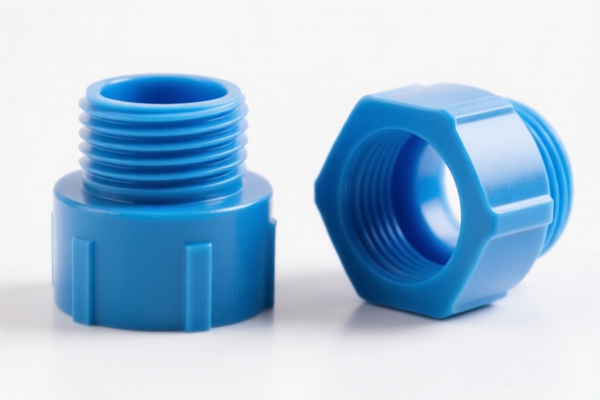


AI分析
🚫 Non-Pressure Plastic Pipe Fittings (ABS Plastic)
🌐 HS Code Classification & Tariff Breakdown | Critical Compliance Guide for 2026
📌 ⚠️ HIGH ALERT: This item faces EXCESSIVE TARIFFS due to "Section 301" & "Section 232" equivalencies. Misclassification can lead to massive penalties or shipment rejection.
📦 One Item, Five Destinations: Why Classification Changes Everything
"Non-pressure plastic pipe fittings" (specifically ABS Plastic) are a high-risk category in US Customs clearance. They are not automatically "pipes." Depending on their end-use, design, and integration, they fall into five completely different HS Codes, with tax rates ranging from 22.8% to a staggering 67.5%.
⚠️ Key Distinction:
- General Purpose: Simple plumbing/industrial connectors → 3926.90 (Lowest Risk)
- Automotive: Parts for cars/trucks → 8708.99 (High Risk)
- Telecom: Enclosures/jacks for comms equipment → 8517.79 (Highest Risk!)
- Machinery: Generic mechanical accessories → 8473.50 / 8473.30 (Medium-High Risk)
💰 Detailed Tariff Analysis & HS Code Breakdown
🎯 1. 3926.90.99.89 – The "Safe Harbor" for General Use
Summary: Non-pressure ABS plastic parts classified as Other Plastic Articles
Total Tax Rate: 22.8%
Tax Detail:
- Base Duty: 5.3%
- Section 301 (China): +7.5%
- Section 232 Equivalent (Steel/Alu/Plastic Add-on): +10%
📌 Explanation:
This is the most favorable classification for generic, non-specific ABS plastic fittings used in general plumbing, industrial fluid handling, or DIY projects.
- Why it’s lower: It is treated as a "Plastic Article" rather than a specific mechanical or electronic part.
- Condition: Must NOT be specifically designed for vehicles, telecom, or specific machinery. No special mounting brackets, electrical contacts, or automotive seals.
🎯 2. 8708.99.81.80 – Automotive Application
Summary: Non-pressure ABS plastic parts classified as Vehicle Parts/Accessories
Total Tax Rate: 37.5%
Tax Detail:
- Base Duty: 2.5%
- Section 301 (China): +25.0%
- Section 232 Equivalent: +10%
📌 Explanation:
If the ABS fitting is specifically designed for use in automobiles, trucks, or motorcycles (e.g., fuel line connectors, air intake manifolds, brake fluid reservoirs), it MUST be classified here.
- Risk: High. If you ship automotive fittings but declare them as "general plastic parts," Customs may reclassify and backcharge the difference.
- Why it’s higher: The 25% Section 301 tariff on vehicle parts is aggressive.
🎯 3. 8517.79.00.00 – The "Danger Zone" for Telecom
Summary: Non-pressure ABS plastic parts classified as Parts of Telecommunication Equipment
Total Tax Rate: 67.5% ⚠️ HIGHEST RISK
Tax Detail:
- Base Duty: 0.0%
- Section 301 (China): +7.5%
- Section 232 Equivalent (Steel/Alu/Plastic): +50% 🚨
📌 Explanation:
If the ABS fitting is used in telecom infrastructure (e.g., enclosures for fiber optic splice trays, cable glands for telecom racks, or housing for network routers), it falls here.
- Why it’s 67.5%?: The 50% "Section 232 Equivalent" tariff applies to "Steel, Aluminum, and Plastic products" deemed critical for national security. Telecom hardware is heavily scrutinized.
- Crucial Note: Even though it’s plastic, if it’s "critical infrastructure," the 50% tariff triggers. Avoid this classification if possible!
🎯 4. 8473.50.90.00 – General Mechanical Parts
Summary: Non-pressure ABS plastic parts classified as Parts of Machinery (General)
Total Tax Rate: 35.0%
Tax Detail:
- Base Duty: 0.0%
- Section 301 (China): +25.0%
- Section 232 Equivalent: +10%
📌 Explanation:
For ABS fittings used in general-purpose machinery that don’t fit neatly into automotive or telecom. Example: Connectors for hydraulic systems, pneumatic valves, or conveyor belt adjustments.
- Condition: Must be integral to a machine’s operation but not specific to a single machine type.
🎯 5. 8473.30.91.00 – Computer/Office Equipment Parts
Summary: Non-pressure ABS plastic parts classified as Parts of Automatic Data Processing Machines (ADP) or Office Machinery
Total Tax Rate: 35.0%
Tax Detail:
- Base Duty: 0.0%
- Section 301 (China): +25.0%
- Section 232 Equivalent: +10%
📌 Explanation:
If the ABS fitting is a component inside a computer, server, printer, or office machine (e.g., internal cable management clips, structural mounts for hard drives, cooling fan housings).
- Distinction from Telecom: Telecom = Communication networks. ADP = Data processing/computing. Both carry the 35% rate, but the HS codes differ.
🛠️ Customs Clearance Strategy & Compliance Tips
✅ 1. Product Description Must Be Precise
Do NOT use vague terms like "Plastic Parts." Use functional descriptions:
- ❌ Bad: "ABS Plastic Fittings"
- ✅ Good (General): "Non-Pressure ABS Plastic Pipe Connectors for General Industrial Fluid Handling, Not Specific to Vehicles or Telecom"
- ✅ Good (Auto): "ABS Plastic Fuel Line Connector for Automotive Applications, Model XYZ"
✅ 2. Provide Evidence of End-Use
Customs will ask: "What is this used for?"
- For 3926.90.99.89 (22.8%): Provide a Letter of End-Use stating the product is for general plumbing/industrial use, not specific to any regulated industry. Include photos showing no automotive/telecom branding.
- For 8708.99.81.80 (37.5%): Provide automotive part numbers or vehicle compatibility lists.
- For 8517.79.00.00 (67.5%): ⚠️ Re-evaluate! If possible, redesign or reclassify. If unavoidable, prepare for the 67.5% cost.
✅ 3. Avoid "Section 232" Triggers Where Possible
- The 50% tariff for telecom/steel/aluminum/plastic is the biggest risk.
- Strategy: If your ABS fitting is not critical for national security (e.g., not for military, critical infrastructure, or national grid), argue for General Plastic Article (3926) classification.
- Documentation: Include a Technical Data Sheet showing the product is a simple mechanical connector, not a "security-sensitive" component.
✅ 4. Packaging & Labeling
- Labeling: Clearly state the HS Code on the commercial invoice if known.
- Packaging: If shipping multiple HS Codes in one container, SEGREGATE THEM. Do not mix automotive fittings with general plumbing fittings. Mixed shipments risk reclassification of the entire lot to the highest tariff category.
🌍 Global Market Comparison (2026)
| Market | Recommended HS Code | Total Tax Rate | Key Risk |
|---|---|---|---|
| 🇺🇸 USA | 3926.90.99.89 |
22.8% | Telecom (8517) hits 67.5%! |
| 🇺🇸 USA | 8708.99.81.80 |
37.5% | Must prove automotive use. |
| 🇺🇸 USA | 8517.79.00.00 |
67.5% | Avoid if possible! |
| 🇨🇳 China | 3926.90.99.89 |
5.3% | No Section 301/232. |
| 🇪🇺 EU | 3926.90.99.89 |
0-3% | Low tariffs, strict REACH compliance. |
| 🇯🇵 Japan | 3926.90.99.89 |
3.5-5% | Moderate, requires PSE if electrical. |
📌 Conclusion:
- USA is the most complex market due to Section 301 and Section 232 tariffs.
- General Industrial Use (3926) is the most cost-effective classification (22.8%).
- Telecom (8517) is the most dangerous (67.5%).
- Always provide end-use documentation to justify the lowest possible HS Code.
📌 Final Checklist for Importers
- ✅ Identify End-Use: Is it for cars, telecom, computers, or general industry?
- ✅ Select Correct HS Code: Match the end-use to the correct 10-digit HS Code.
- ✅ Prepare Documentation: Commercial Invoice, Packing List, Letter of End-Use, Technical Data Sheet.
- ✅ Calculate Total Landed Cost: Include Base Duty + Section 301 + Section 232.
- ✅ Consult Customs Broker: If unsure, file an Advance Ruling (Ruling Request) with US CBP to confirm the HS Code before shipping.
💡 Pro Tip:
If your ABS fittings are generic, declare them as "Non-Specific Plastic Articles" under3926.90.99.89to save up to 44.7% in tariffs compared to telecom classification.
📣 Act Now:
📞 Contact a Licensed Customs Broker
📄 Submit Ruling Request
📉 Minimize Tariff Risk
✨ Precision Classification = Maximum Profit!
💼 Don’t Let Misclassification Cost You 67.5%!
用户评价
关于 HS 编码归类
协调制度(HS)是由世界海关组织(WCO)制定的国际贸易商品分类标准。全球 200 多个国家采用 HS 系统作为海关关税、贸易统计和进出口监管的基础。
每个 HS 编码遵循以下层级结构:
- 章(2 位)——商品大类(例如:第 84 章:机器和机械设备)
- 品目(4 位)——章内的更具体分类
- 子目(6 位)——国际通用细分,所有 WCO 成员国统一使用
- 本国细分(8-10 位)——各国自行扩展的细分编码,如美国 HTSUS 10 位编码
正确的 HS 编码归类对于顺利通关、准确缴纳关税和遵守贸易法规至关重要。错误归类可能导致海关延误、多缴关税或罚款。
从CN进口到US时,适用的关税税率可能包括:
- 最惠国(MFN)税率——适用于 WTO 成员国的标准关税税率
- 普通税率——适用于无贸易协定国家
- 贸易救济关税——附加关税,如 301 条款(反倾销)、232 条款(国家安全)或反补贴税
本页内容仅供参考。如需正式归类,请咨询当地海关或持牌报关代理。