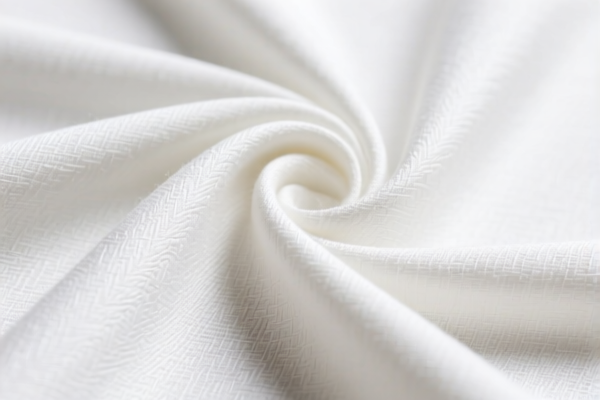
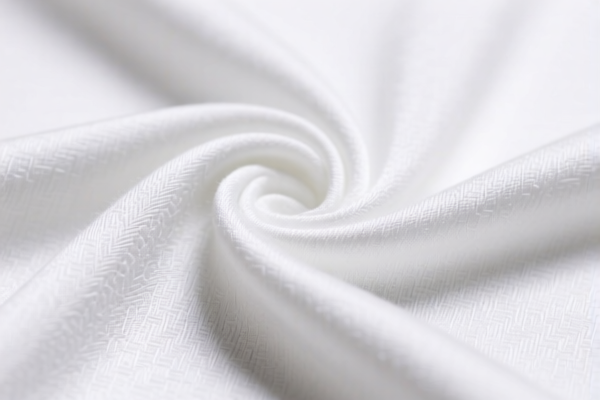
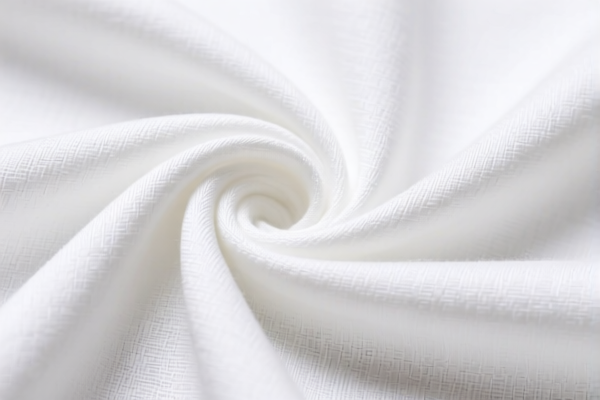
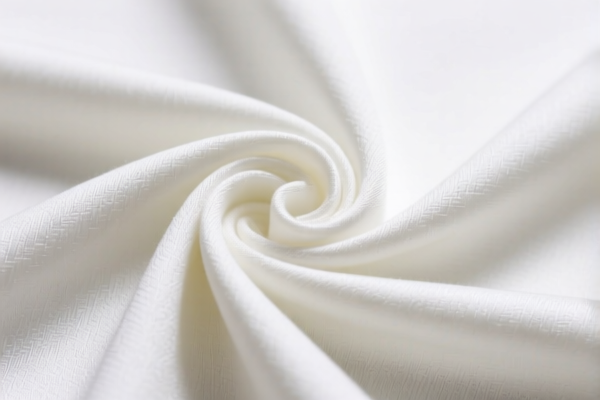
nylon/polyamide filament bleached woven fabric for lining
CN → US| HS编码 | 关税税率 | 原产国 | 目的国 | 文档 |
|---|---|---|---|---|
| 6006310020 | 45.0% | CN | US | 官方文档 |
| 5407710015 | 49.9% | CN | US | 官方文档 |
| 5407410030 | 48.6% | CN | US | 官方文档 |
| 5513130090 | 49.9% | CN | US | 官方文档 |
| 5512110090 | 24.0% | CN | US | 官方文档 |
商品图片
AI分析
🧵 Nylon/Polyamide Filament Bleached Woven Fabric for Lining (Lining Fabrics)
🌐 HS Code Reference & Customs Clearance Guide | 2026 Latest Tariff Analysis | Strategic Clearance Strategy
📌 I. Product Definition & Classification: Do You Really Understand "Lining Fabric"?
Nylon (Polyamide) filament bleached woven fabrics, primarily used as linings for clothing, bags, and industrial applications, are high-value synthetic textiles. In international trade, they are strictly classified based on material composition, state of processing (bleached) and structure (filament vs. staple).
Synthetic Filament Yarns (Nylon/Polyamide): Made from continuous long strands (filaments), offering smoothness and strength.
Bleached State: The fabric has been chemically whitened, distinguishing it from dyed, printed, or unbleached fabrics.
⚠️ Key Distinction Point:
- If it is Nylon/Polyamide Filament: It falls under Chapters 54 or 60.
- If it is Polyester (PET): Although similar in use, it belongs to a different chemical family (Chapters 55), resulting in different HS codes and tax rates.
- Bleached vs. Dyed: Bleached fabrics generally have specific HS sub-headings (e.g., .41, .31) that differ from unbleached (.40) or dyed (.30).
📦 II. HS Code Classification Details (2026 Latest Tariff Authoritative Comparison)
| HS Code | Product Description | Applicable Scenario | Tax Rate Total |
|---|---|---|---|
6006.31.00.20 |
Nylon/Polyamide Synthetic Fiber Filament, Bleached Fabric | Knitted fabric (if knitted), or specific filament bleached woven/tricot meeting material/state requirements. | 45.0% |
5407.71.00.15 |
Nylon/Polyamide Synthetic Fiber Filament, Bleached Woven Fabric | Lightweight woven characteristics match. Common high-end lining. | 49.9% |
5407.41.00.30 |
Nylon/Polyamide Synthetic Fiber Filament, Bleached Woven Fabric | Standard filament bleached woven, fits material and form requirements. | 48.6% |
5513.13.00.90 |
Polyester Short Fiber Bleached Woven Fabric | Material differs (Polyester vs Nylon), but form/use similar. Alternative Category. | 49.9% |
5512.11.00.90 |
Polyester Short Fiber Bleached Woven Fabric | Similar form/use, belongs to "Other" categories. Alternative Category. | 24.0% |
🔍 Key Reminder:
- Nylon vs. Polyester: Ensure your material is truly Nylon/Polyamide (Chapter 54/60) and not Polyester (Chapter 55). Using a Polyester HS code for Nylon goods will lead to misdeclaration. - Woven vs. Knitted:5407and6006often cover Woven and Knitted respectively. Verify if your lining is woven (most linings are woven) or knitted (tricot). - Tax Burden: Nylon linings face significantly higher tariffs (~45-50%) compared to some Polyester alternatives (~24-50% depending on subtype).
💰 III. 2026 Latest Tariff Rate Details (Including Additional Taxes & Policy Surcharges)
✅ Applicable Country: United States (US)
✅ Country of Origin: China (CN)
✅ Effective Date: From November 10, 2025 (Including subsequent imports)
🎯 1. 5407.71.00.15 —— Nylon/Polyamide Synthetic Fiber Filament, Bleached Woven Fabric (Lightweight)
| Item | Content |
|---|---|
| Basic Duty Rate | 14.9% |
| Section 301 Additional Duty | +25.0% |
| Section 122 Duty | +10.0% |
| Total Tax Rate | 49.9% |
| Tax Calculation | CIF Value × 49.9% |
| De Minimis Exemption Eligible? | ❌ No (deny_de_minimis) |
| Legal Basis Path | USITC:5407.71.00.15 → Section 301 Footnote → Section 122 Rule |
📌 Explanation:
- "Basic Duty 14.9%": Standard Most Favored Nation (MFN) rate for nylon woven fabrics. - "Section 301 Additional 25%": The standard punitive tariff on Chinese textiles. - "Section 122 Duty 10%": Specific surcharge applied to certain textile/apparel categories. - Total 49.9%: This is a very high cost factor. Profit margins must absorb this, or prices must be adjusted.
🎯 2. 5407.41.00.30 —— Nylon/Polyamide Synthetic Fiber Filament, Bleached Woven Fabric (Standard)
| Item | Content |
|---|---|
| Basic Duty Rate | 13.6% |
| Section 301 Additional Duty | +25.0% |
| Section 122 Duty | +10.0% |
| Total Tax Rate | 48.6% |
| Tax Calculation | CIF Value × 48.6% |
| De Minimis Exemption Eligible? | ❌ No |
| Legal Basis Path | USITC:5407.41.00.30 → Section 301 Footnote → Section 122 Rule |
📌 Note:
- Slightly lower basic rate (13.6%) than the lightweight variant (14.9%), but still subject to the same 35% surcharges. - Suitable for standard-weight linings, jackets, and upholstery.
🎯 3. 6006.31.00.20 —— Nylon/Polyamide Filament, Bleached Fabric (Knitted/Tricot Specific)
| Item | Content |
|---|---|
| Basic Duty Rate | 10.0% |
| Section 301 Additional Duty | +25.0% |
| Section 122 Duty | +10.0% |
| Total Tax Rate | 45.0% |
| Tax Calculation | CIF Value × 45.0% |
| De Minimis Exemption Eligible? | ❌ No |
| Legal Basis Path | USITC:6006.31.00.20 → Section 301 Footnote → Section 122 Rule |
📌 Distinction:
- If your "woven" description actually includes tricot knit (common for linings), it might fall here. - Lowest Total Rate (45%) among Nylon options, but strict material verification is needed.
🆚 Alternative Comparison: Polyester (If Material Can Be Changed)
🎯 4. 5512.11.00.90 —— Polyester Short Fiber Bleached Woven Fabric (Alternative)
| Item | Content |
|---|---|
| Basic Duty Rate | 12.0% |
| Section 301 Additional Duty | +2.0% |
| Section 122 Duty | +10.0% |
| Total Tax Rate | 24.0% |
| Tax Calculation | CIF Value × 24.0% |
| De Minimis Exemption Eligible? | ❌ No |
📌 Critical Insight:
- If the product can be substituted with Polyester (PET) instead of Nylon, the total tax drops from ~49% to 24%. - Section 301 on Polyester is only 2%, not 25%. This is a massive cost saving opportunity if design allows.
🛠️ IV. Customs Clearance Practical Advice (Battle-Tested Pitfall Avoidance)
✅ 1. Documentation Checklist (Non-Negotiable)
| Document | Must Provide | Explanation |
|---|---|---|
| ✅ Product Spec Sheet | ✔️ | Must clearly state "Nylon/Polyamide Filament", "Bleached", "Woven/Knitted". |
| ✅ Fabric Composition Label | ✔️ | Proof of % Nylon/Polyamide. Must not list "Polyester" if importing Nylon. |
| ✅ Fabric Test Report | ✔️ | ASTM/ISO test showing filament yarn structure (not staple fiber). |
| ✅ Commercial Invoice | ✔️ | Description: "Nylon Filament Bleached Woven Fabric for Lining". Avoid vague terms like "Textile". |
| ✅ Packing List | ✔️ | Weight and dimensions must match invoice. |
| ✅ Country of Origin Certificate | ✔️ | Essential for Section 301/122 duty application. |
✅ 2. Declaration Tips (Key Mantra)
🔥 "Material Right, State Clear, Tax Cut in Half!"
| Scenario | Correct Declaration | Wrong Practice |
|---|---|---|
| Nylon Filament | 5407.71.00.15 or 5407.41.00.30 |
Mislabeling as "Cotton" → 20%+ penalty |
| Nylon Filament | 5407... |
Using Polyester HS Code 5512... → Customs Seizure/Fine |
| Bleached Fabric | Explicitly state "Bleached" | Just "Woven Fabric" → Ambiguity, potential re-classification to unbleached (.40) |
| Filament vs Staple | Specify "Filament Yarn" | Just "Nylon Fabric" → Could be classified as Staple Fiber (5513/5512) → Different Tax! |
✅ 3. Special Situations Handling
| Situation | Handling Advice |
|---|---|
| OEM Lining for Major Brands | Provide brand authorization letter + design specs to prove "for lining" use. |
| Hybrid Fabric (Nylon + Elastane) | Still classified under Nylon if Nylon is principal material. Declare % Elastane (e.g., Nylon 90%/Spandex 10%). |
| Lightweight vs Standard | Verify GSM (Grams per Square Meter). Lighter weights may fall under 5407.71 vs heavier under 5407.41. Wrong GSM = Wrong HS. |
| Sample Shipments | No de minimis exemption. Pay full 45-50% tax. Use Air Freight carefully due to high duty impact on low-value samples. |
🌍 V. Global Market Customs Comparison (2026 Latest)
| Country/Region | Recommended HS Code | Total Tariff (China Origin) | Certification Requirements | Notes |
|---|---|---|---|---|
| 🇺🇸 USA | 5407.71.00.15 / 5407.41.00.30 |
48.6% - 49.9% | No special certs for fabric | High Section 301/122 duties. |
| 🇨🇳 China | 5407.71.00.15 / 5407.41.00.30 |
Varies (Import Duty ~5-10%) | None | Domestic use only. |
| 🇪🇺 EU | 5407.41 / 5407.71 |
6.5% - 7.5% | REACH (Chemical Compliance) | No Section 301. Cheaper than US. |
| 🇬🇧 UK | 5407.41 / 5407.71 |
6.5% - 7.5% | UK REACH | Post-Brexit rules apply. |
| 🇦🇺 Australia | 5407.41 / 5407.71 |
5% - 10% | No special certs | Free Trade Agreement with China (if RCEP utilized correctly). |
📌 Conclusion:
- USA is the most expensive market for Nylon linings due to Section 301 (25%) + Section 122 (10%). - EU/UK are more cost-effective for duty, but require strict REACH chemical compliance documentation.
📌 VI. Common Mistakes & Pitfall Guide (Blood-Tea Lessons)
❌ Mistake 1: Confusing Filament with Staple Fiber
👉 Consequence: Misclassification to 5513 (Polyester Staple) or 5512. If declared as Staple but is Filament → Penalty. If declared as Filament but is Staple → Tax Evasion.
❌ Mistake 2: Ignoring the "Bleached" state
👉 Consequence: Bleached fabrics have different 8-digit codes. Misdeclaring as "Unbleached" or "Dyed" leads to duty underpayment → Audit & Back Taxes.
❌ Mistake 3: Using Polyester HS Code for Nylon Goods
👉 Consequence: 5512.11.00.90 (24% total) vs 5407.71.00.15 (49.9% total). If Customs discovers you used the lower tax code for Nylon, you face heavy fines for fraud.
❌ Mistake 4: Vague Description "Lining Fabric"
👉 Consequence: Customs may classify under a higher duty or general "Other Textile" category.
✅ Correct Description: "Nylon Filament Bleached Woven Fabric, 100% PA, for Garment Lining, GSM 30, Unprinted"
🎯 VII. Conclusion: Precise Declaration, Cost Control, Efficient Clearance!
🎯 Remember the Mantra:
🔹 "Nylon is Expensive in US (49%), Polyester is Cheaper (24%), Check Material First!"
🔹 "Bleached vs Unbleached Matters, Filament vs Staple is Critical!"
🔹 "Section 301 + 122 = High Cost, Plan Ahead!"
📌 Pro Tip:
If your lining material can be changed to Polyester (PET), consider switching to 5512.11.00.90 to save ~26% in total tariffs for US imports.
For Nylon, ensure GSM and Filament Denier are accurately declared to hit the correct 5407 sub-code.
📣 Immediate Action:
📞 Confirm Material Composition (Nylon vs Polyester)
📝 Prepare Detailed Specs (Bleached, Filament, Woven)
💡 Consult Customs Broker for Section 122 Applicability on your specific fabric type.
✨ Professional Customs Clearance Starts with Accurate Classification!
💼 Your Profit Margin Depends on This 0.1mm Difference in Fabric Structure!
用户评价
关于 HS 编码归类
协调制度(HS)是由世界海关组织(WCO)制定的国际贸易商品分类标准。全球 200 多个国家采用 HS 系统作为海关关税、贸易统计和进出口监管的基础。
每个 HS 编码遵循以下层级结构:
- 章(2 位)——商品大类(例如:第 84 章:机器和机械设备)
- 品目(4 位)——章内的更具体分类
- 子目(6 位)——国际通用细分,所有 WCO 成员国统一使用
- 本国细分(8-10 位)——各国自行扩展的细分编码,如美国 HTSUS 10 位编码
正确的 HS 编码归类对于顺利通关、准确缴纳关税和遵守贸易法规至关重要。错误归类可能导致海关延误、多缴关税或罚款。
从CN进口到US时,适用的关税税率可能包括:
- 最惠国(MFN)税率——适用于 WTO 成员国的标准关税税率
- 普通税率——适用于无贸易协定国家
- 贸易救济关税——附加关税,如 301 条款(反倾销)、232 条款(国家安全)或反补贴税
本页内容仅供参考。如需正式归类,请咨询当地海关或持牌报关代理。