oil absorbing wiping paper
CN → US| HS编码 | 关税税率 | 原产国 | 目的国 | 文档 |
|---|---|---|---|---|
| 4823908680 | 35.0% | CN | US | 官方文档 |
| 4818200040 | 35.0% | CN | US | 官方文档 |
| 3921904010 | 39.2% | CN | US | 官方文档 |
| 3921904090 | 39.2% | CN | US | 官方文档 |
| 4823908000 | 35.0% | CN | US | 官方文档 |
商品图片
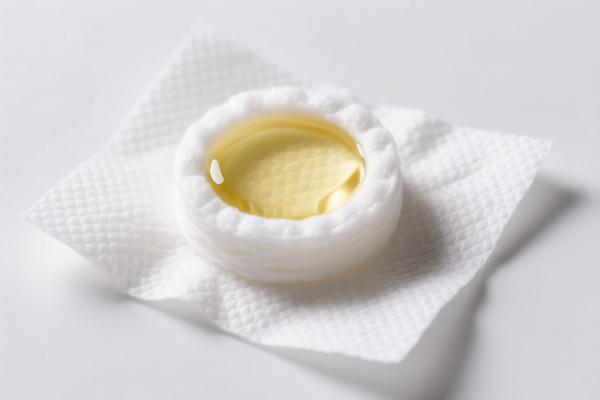
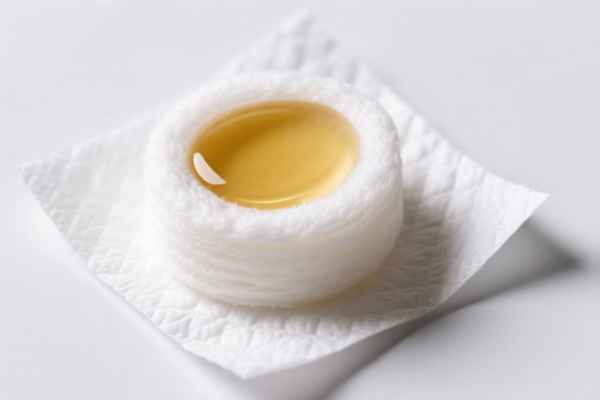
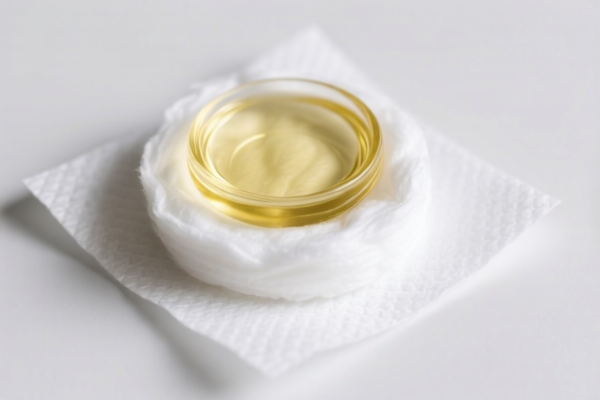
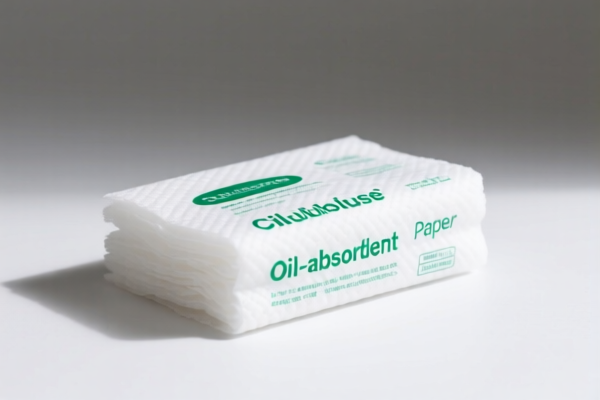
AI分析
🧻 Oil-Absorbing Wiping Paper (Oil Blotting Sheets / Absorbent Papers)
🌐 HS Code Reference & Customs Clearance Guide | 2026 Latest Tariff Analysis | Professional通关 Strategy
📌 I. Product Definition & Classification: What Exactly is "Oil-Absorbing Paper"?
Oil-absorbing wiping paper is a functional material primarily used for cosmetics (facial oil control), industrial machinery (maintenance/cleaning), or laboratory settings. In international trade, it is not classified as a single uniform product. Its HS Code depends entirely on its material composition and structure.
⚠️ Critical Distinction Points:
- Pure Paper-Based: If made entirely of paper fibers without plastic coatings → Classified under Chapter 48 (Paper/Paperboard).
- Plastic-Coated/Composite: If the paper is laminated with plastic film, or contains a significant plastic structure → Classified under Chapter 39 (Plastics).
- Cosmetic vs. Industrial: The use does not change the HS code here; the material does.
📦 II. HS Code Classification Details (2026 Latest Tariff Authority Comparison)
| HS Code | Product Description | Applicable Scenario | Material Composition |
|---|---|---|---|
4823.90.86.80 |
Absorbent paper articles, classified as paper products | General paper oil blotting sheets, simple paper texture | ✅ 100% Paper |
4818.20.00.40 |
Facial cleansing paper oil sheets | Cosmetics use, facial oil control, thin tissue-like paper | ✅ 100% Paper (Cosmetic grade) |
3921.90.40.10 |
Paper-reinforced oil-absorbing paper, containing paper-plastic composite structure | Industrial or heavy-duty sheets with plastic reinforcement layer | ✅ Paper + Plastic Composite |
3921.90.40.90 |
Oil-absorbing paper containing plastic coating or film | Coated paper, waterproof oil-absorbing sheets | ✅ Paper + Plastic Coating |
4823.90.80.00 |
Functional paper oil-absorbing paper for oil absorption | Other functional paper uses, not specifically facial or reinforced | ✅ 100% Paper (Other) |
🔍 Key Reminder:
- Pure Paper: Always Chapter 48 (48xx). Lower base tariff (often 0%).
- Plastic Composite/Coated: Always Chapter 39 (39xx). Higher base tariff (4.2%).
- Misclassification Risk: Declaring a plastic-coated sheet as "pure paper" to save on base tariffs will lead to heavy penalties and re-inspection.
💰 III. 2026 Latest Tariff Rate Breakdown (Including Surcharges & Policy Add-ons)
✅ Applicable Country: United States (US)
✅ Origin: China (CN)
✅ Effective Date: From November 10, 2025 (including subsequent imports)
🎯 1. 4823.90.86.80 & 4818.20.00.40 & 4823.90.80.00 —— Pure Paper-Based Oil Sheets
These codes fall under Chapter 48 (Paper). They are subject to the standard "China-specific" surcharges.
| Item | Content |
|---|---|
| Base Tariff | 0.0% (ad valorem) |
| USITC Additional Tariff | +25.0% (Section 301 Tariffs) |
| Section 122 Tariff | +10.0% (Specific trade measures) |
| Total Tax Rate | 35.0% |
| Tax Calculation | CIF Value × 35.0% |
| De Minimis Exemption | ❌ Not Eligible (Deny De Minimis) |
| Legal Basis Path | Section 301 → Section 122 → Chapter 48 |
📌 Explanation:
- Base 0%: Paper products generally have low base tariffs.
- 25% + 10%: The total surcharge is 35%. This is a high tax burden for simple paper products.
- Note: Even though the base is 0%, the effective tax rate is still significant due to US trade policies against China.
🎯 2. 3921.90.40.10 & 3921.90.40.90 —— Plastic-Coated/Composite Oil Sheets
These codes fall under Chapter 39 (Plastics). They incur a base tariff plus the same surcharges.
| Item | Content |
|---|---|
| Base Tariff | 4.2% (ad valorem) |
| USITC Additional Tariff | +25.0% (Section 301 Tariffs) |
| Section 122 Tariff | +10.0% (Specific trade measures) |
| Total Tax Rate | 39.2% |
| Tax Calculation | CIF Value × 39.2% |
| De Minimis Exemption | ❌ Not Eligible (Deny De Minimis) |
| Legal Basis Path | Section 301 → Section 122 → Chapter 39 |
📌 Explanation:
- Base 4.2%: Plastic-containing products have a higher base duty.
- 25% + 10%: Same surcharges as pure paper.
- Total 39.2%: This is 4.2% higher than pure paper due to the base tariff.
- Strategy Tip: If your product is not strictly required to have plastic for function, consider redesigning as pure paper to save the 4.2% base duty.
🛠️ IV. Customs Clearance Practical Advice (Real-World Pitfall Avoidance)
✅ 1. Preparation Checklist (Essential Documents)
| Document | Required? | Description |
|---|---|---|
| ✅ Product Spec Sheet | ✔️ | Must specify: Material (100% paper vs. paper-plastic composite), GSM (weight), absorption capacity, size. |
| ✅ Material Composition Statement | ✔️ | Explicitly state the % of paper vs. plastic. Critical for Chapter 48 vs. 39 distinction. |
| ✅ Product Photos | ✔️ | Close-up of texture, cross-section (if composite), and packaging label. |
| ✅ Commercial Invoice | ✔️ | Clearly state: "Oil Absorbing Paper" or "Facial Oil Blotting Sheets". Avoid vague terms like "Wipes". |
| ✅ Packing List | ✔️ | Detail net/gross weight. Ensure consistency with invoice. |
| ✅ Origin Certificate | ✔️ | Proof of China origin (triggers the 35-39% tax). |
✅ 2. Declaration Tips (Key Mantra)
🔥 "Material Defines Chapter, Plastic Adds Base, Section 301 is 25, Section 122 is 10!"
| Scenario | Correct Declaration | Error to Avoid |
|---|---|---|
| Pure Facial Tissue | 4818.20.00.40 |
Misdeclare as plastic wipe → 39.2% instead of 35% |
| Industrial Oil Paper | 4823.90.86.80 |
Misdeclare as "textile" → Wrong chapter, audit risk |
| Plastic-Coated Sheet | 3921.90.40.90 |
Misdeclare as pure paper → Fraud allegation, huge penalty |
| Composite Reinforced | 3921.90.40.10 |
Under-declare plastic content → Base tariff risk |
✅ 3. Special Situations
| Situation | Handling Advice |
|---|---|
| Cosmetic Packaging | If sold in a small tin/box, the primary character determines classification. The paper itself is classified, but the box is packaging. Do not mix codes in one line item unless instructed by customs broker. |
| Imported with Dispenser | If the paper comes with a plastic dispenser, the dispenser may be classified separately (e.g., 3926.90), but the paper must still be classified correctly. Declaring the whole unit as one HS code is risky unless it's a "set" for retail sale. |
| Sample Shipments | Even samples are subject to de minimis exemption waiver for China-origin goods. Taxes still apply. |
🌍 V. Global Market Comparison (2026 Latest)
| Country/Region | Recommended HS Code | Tariff Rate (China Origin) | Notes |
|---|---|---|---|
| 🇺🇸 USA | 4823.90.86.80 / 3921.90.40.90 |
35.0% (Paper) / 39.2% (Plastic) | High tariffs due to Section 301 + Section 122. |
| 🇨🇳 China | 4823.90.86.80 / 3921.90.40.90 |
0% - 4.2% (Import Duty) | No Section 301/122. Low cost if importing into China. |
| 🇪🇺 EU | 4823.90.86.80 / 3921.90.40.90 |
0% - 4.2% (Import Duty) | No retaliatory tariffs against China for these items. |
| 🇬🇧 UK | 4823.90.86.80 / 3921.90.40.90 |
0% - 4.2% (Import Duty) | Post-Brexit rules apply, but generally no high surcharges. |
| 🇯🇵 Japan | 4823.90.86.80 / 3921.90.40.90 |
1.5% - 3.0% | Low base tariff, no major political surcharges. |
📌 Conclusion:
- USA is the most expensive market for these products due to the 35-39% effective tax rate.
- EU, UK, Japan offer significantly lower duties (<5%).
- Strategy: If targeting the US, ensure accurate material declaration to avoid fines, but consider supply chain diversification (e.g., sourcing from Vietnam/Mexico) to avoid Section 301/122 tariffs if possible.
📌 VI. Common Errors & Pitfall Guide (Lessons Learned)
❌ Error 1: Declaring "Plastic-Coated Oil Paper" as 4818.20.00.40 (Pure Paper)
👉 Consequence: You save 4.2% base tariff, but Customs will detect the plastic layer during inspection. Result: Back taxes + 25% penalty + detention.
❌ Error 2: Using vague terms like "Beauty Wipes" without specifying material
👉 Consequence: Customs may assign the highest possible duty rate or detain for inspection. Result: Delays and storage fees.
❌ Error 3: Ignoring Section 122 Tariff (10%)
👉 Consequence: Many brokers forget this specific surcharge. Result: Underpayment by 10%, leading to audits later.
❌ Error 4: Assuming De Minimis ($800) applies
👉 Consequence: It does not apply to China-origin goods subject to Section 301/122. Result: Taxes still collected on small shipments.
✅ Correct Practice:
"Facial Oil Absorbing Sheets, 100% Paper, 50 GSM, White, 50 Sheets/Box, For Cosmetics Use, HS: 4818.20.00.40"
🎯 VII. Conclusion: Precise Declaration Saves Money!
🎯 Remember the Mantra:
🔹 "Paper is 35%, Plastic is 39%, Section 301 is 25%, Section 122 is 10%!"
🔹 "Don't guess the material, declare it right, or pay the penalty!"
🔹 "US Market is High Tax, Check your Supply Chain!"
📌 Pro Tip:
If your oil-absorbing paper contains only 1% plastic, it may still be classified under Chapter 39. Check with your broker to see if a pure paper alternative exists that meets your functional needs. Saving 4.2% on base duty is worth the redesign effort.
📣 Immediate Action:
📞 Consult a licensed US customs broker.
📤 Provide material composition tests if requested.
🚀 Plan for the 35-39% cost in your pricing strategy for the US market.
✨ Professional Clearance Starts with Accurate Classification!
💼 Every cent of duty should be calculated, not guessed!
用户评价
关于 HS 编码归类
协调制度(HS)是由世界海关组织(WCO)制定的国际贸易商品分类标准。全球 200 多个国家采用 HS 系统作为海关关税、贸易统计和进出口监管的基础。
每个 HS 编码遵循以下层级结构:
- 章(2 位)——商品大类(例如:第 84 章:机器和机械设备)
- 品目(4 位)——章内的更具体分类
- 子目(6 位)——国际通用细分,所有 WCO 成员国统一使用
- 本国细分(8-10 位)——各国自行扩展的细分编码,如美国 HTSUS 10 位编码
正确的 HS 编码归类对于顺利通关、准确缴纳关税和遵守贸易法规至关重要。错误归类可能导致海关延误、多缴关税或罚款。
从CN进口到US时,适用的关税税率可能包括:
- 最惠国(MFN)税率——适用于 WTO 成员国的标准关税税率
- 普通税率——适用于无贸易协定国家
- 贸易救济关税——附加关税,如 301 条款(反倾销)、232 条款(国家安全)或反补贴税
本页内容仅供参考。如需正式归类,请咨询当地海关或持牌报关代理。