oil drain pan
CN → US| HS编码 | 关税税率 | 原产国 | 目的国 | 文档 |
|---|---|---|---|---|
| 7323999080 | 88.4% | CN | US | 官方文档 |
| 7323915040 | 15.3% | CN | US | 官方文档 |
| 3923900012 | 38.0% | CN | US | 官方文档 |
| 7323915040 | 15.3% | CN | US | 官方文档 |
商品图片
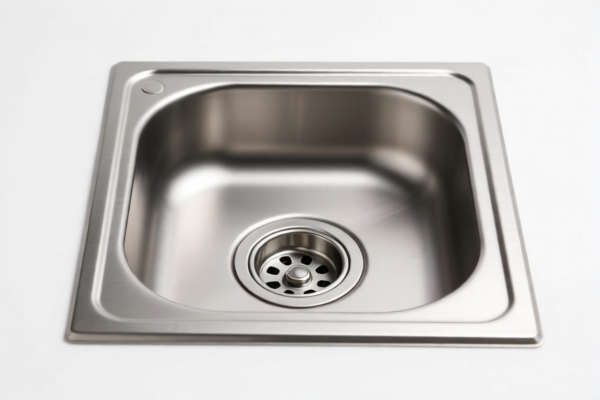
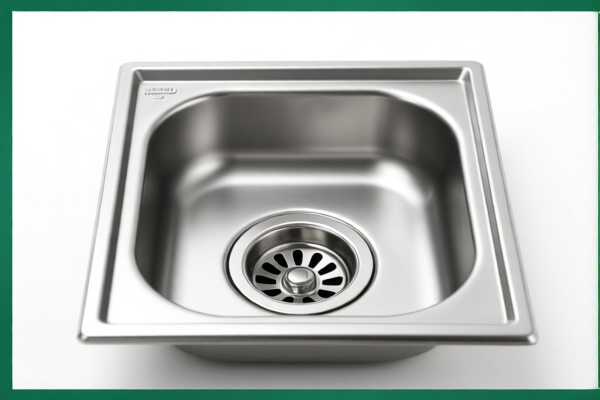
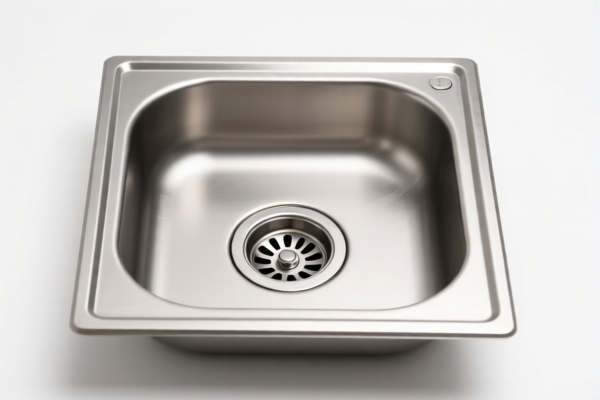
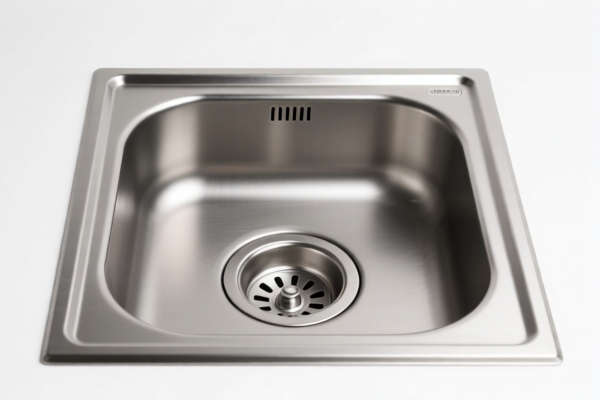
AI分析
🛢️ Oil Drain Pan (Automotive Parts)
🌐 HS Code Reference & Customs Clearance Guide | 2026 Latest Tariff Analysis | Professional Entry Strategy
📌 Part I: Product Definition & Classification: What exactly is an "Oil Drain Pan"?
An Oil Drain Pan is a critical component in automotive maintenance and manufacturing. It is used to catch waste oil during engine oil changes or to collect dripping fluids during assembly/testing.
International Trade Classification Logic:
In global trade, this item is primarily viewed through two lenses:
1. As an Automotive Part: Specifically designed for vehicle maintenance.
2. As a Metal Article: Typically made of iron or steel, functioning as a container/vessel.
⚠️ Key Distinction for Classification:
- If classified as a generic metal container → Falls under Chapter 73 (Articles of Iron or Steel).
- If classified as a plastic component (less common for heavy-duty pans, but possible) → Falls under Chapter 39 (Plastics).
- Note: The provided data suggests a primary assumption of Iron/Steel material due to the high tax rates associated with 122 provisions and steel tariffs.
📦 Part II: HS Code Classification Details (Based on Provided Data)
| HS Code | Product Description | Material Assumption | Applicable Scenario |
|---|---|---|---|
7323.99.90.80 |
Other articles of iron or steel (Tableware/Kitchen/Household) | Iron/Steel | Generic metal containers, heavy-duty steel pans, "catch-all" for steel articles. |
7323.91.50.40 |
Other articles of iron or steel (Enamelled Cast Iron) | Iron/Steel (Assumed Enamelled/Cast) | Metal vessels, automotive parts interpreted as metal household/industrial containers. |
3923.90.00.12 |
Articles for the conveyance or packing of goods (Plastics) | Plastic (Inferred) | Automotive parts made of plastic, general packing/conveyance articles. |
🔍 Important Note on Logic:
- The data explicitly links7323codes to "Iron/Steel" and "Container/Vessel" usage.
- The3923code is included as a "Plastic" alternative, though the summary notes it fits the "automotive spare parts" logic without material conflict.
- Crucial: The high total tax rates (88.4% and 38.0%) are driven by Section 301/122 tariffs on steel/aluminum and trade remedies, not just base duties.
💰 Part III: 2026 Latest Tariff Rate Breakdown (Detailed Tax Clauses)
✅ Applicable Jurisdiction: USA (Implied by "122 Clause" and high punitive tariffs)
✅ Origin: China (CN) (Implied by "122 Clause" and 25% Section 301 tariffs)
✅ Effective Time: Current (2025-2026 Trade War Context)
🎯 1. 7323.99.90.80 —— Steel Articles of General Utility (Highest Tariff)
| Item | Content |
|---|---|
| Base Tariff | 3.4% |
| Section 301 Surcharge | +25.0% |
| Section 122 Surcharge | +50.0% (Specific to Steel/Aluminum/Copper products under certain trade provisions) |
| Total Tax Rate | 88.4% |
| Tax Calculation | CIF Value × 88.4% |
| De Minimis Exemption | ❌ Not Eligible (High tariff items usually excluded from $800 de minimis) |
| Legal Basis Path | HTSUS:7323.99.90.80 → USITC:301 (25%) → Trade Policy:122 (Steel/Al 50%) |
📌 Explanation:
- This is the "Worst-Case Scenario" for steel automotive parts.
- The 50% Section 122 tariff is a punitive measure often applied to specific steel/aluminum imports to protect domestic metal industries.
- Total Cost Impact: For every $1,000 of goods, you pay $884 in taxes. This makes this code economically unviable for most commercial shipments unless priced with massive margins.
🎯 2. 7323.91.50.40 —— Enamelled/Cast Iron Articles (Moderate Tariff)
| Item | Content |
|---|---|
| Base Tariff | 5.3% |
| Section 301 Surcharge | 0.0% (Note: Data shows 0%, which is unusual for China origin, possibly indicating a specific exemption or data anomaly) |
| Section 122 Surcharge | +10.0% |
| Total Tax Rate | 15.3% |
| Tax Calculation | CIF Value × 15.3% |
| De Minimis Exemption | ❌ Likely Not Eligible |
| Legal Basis Path | HTSUS:7323.91.50.40 → Trade Policy:122 (10%) |
📌 Explanation:
- This code assumes the pan is "Enamelled Cast Iron".
- The 10% Section 122 tariff is significantly lower than the 50% rate.
- Total Cost Impact: For every $1,000 of goods, you pay $153 in taxes. This is a much more viable option if the product material matches "Enamelled Cast Iron."
- ⚠️ Risk: If customs inspectors determine the pan is not enamelled cast iron but plain steel, they may reclassify it to7323.99.90.80, triggering the 88.4% rate.
🎯 3. 3923.90.00.12 —— Plastic Articles for Packing/Conveyance (High Tariff)
| Item | Content |
|---|---|
| Base Tariff | 3.0% |
| Section 301 Surcharge | +25.0% |
| Section 122 Surcharge | +10.0% |
| Total Tax Rate | 38.0% |
| Tax Calculation | CIF Value × 38.0% |
| De Minimis Exemption | ❌ Likely Not Eligible |
| Legal Basis Path | HTSUS:3923.90.00.12 → USITC:301 (25%) → Trade Policy:122 (10%) |
📌 Explanation:
- This applies if the Oil Drain Pan is made of Plastic (e.g., high-temp polypropylene).
- Total Cost Impact: For every $1,000 of goods, you pay $380 in taxes.
- ⚠️ Risk: If the product is actually steel but declared as plastic to avoid steel tariffs, this constitutes fraud. Customs use X-rays and material tests to verify. If found, penalties will be severe.
🛠️ Part IV: Customs Clearance Practical Advice (Pitfall Avoidance Guide)
✅ 1. Material Verification is Critical (Do NOT Guess!)
| Material | Recommended HS Code | Risk Level |
|---|---|---|
| Steel (Plain/Uncoated) | 7323.99.90.80 |
🔴 HIGH (88.4% Tax) |
| Enamelled Cast Iron | 7323.91.50.40 |
🟢 LOW (15.3% Tax) |
| Plastic (High-Temp) | 3923.90.00.12 |
🟡 MEDIUM (38.0% Tax) |
🔥 Golden Rule:
"Material Defines the Code. Tax Defines the Profit."
- If your pan is Steel, you face an 88.4% tax burden unless you can prove it qualifies for a specific exemption (rare).
- If your pan is Enamelled Cast Iron, you save $73.1 per $1,000 compared to plain steel.
✅ 2. Documentation Requirements (Must-Have)
| Document | Purpose |
|---|---|
| ✅ Material Composition Certificate | Proves if the pan is Steel, Cast Iron, or Plastic. Critical for avoiding reclassification. |
| ✅ Product Photos (Clear) | Show the surface texture. Is it shiny (steel)? Glossy white (enamel)? Matte (plastic)? |
| ✅ Bill of Lading & Invoice | Must match the declared HS Code. Description should be precise: "Enamelled Cast Iron Oil Drain Pan" vs. "Steel Oil Drain Pan." |
| ✅ Section 122 Compliance Letter | If claiming the 10% rate under 7323.91.50.40, ensure it meets the specific "enamel" definition under trade policy. |
✅ 3. Strategic Declaration Tips
| Scenario | Correct Action | Wrong Action |
|---|---|---|
| Pan is Steel | Declare as 7323.99.90.80. Accept the 88.4% cost or find a duty-exempt origin (e.g., Vietnam, if rules of origin allow). |
Declare as Plastic (3923...) → Fraud Risk! |
| Pan is Enamelled Cast Iron | Declare as 7323.91.50.40. Highlight "Enamelled" in the product description. |
Declare as Plain Steel → Overpaying 73.1% in taxes! |
| Pan is Plastic | Declare as 3923.90.00.12. Ensure it’s not a "packaging" item but a "part." |
Declare as a "Packaging Box" → Misclassification Risk. |
📌 Pro Tip:
- Pre-Ruling Application: Before shipping, apply for an ISF (Importer Security Filing) pre-clearance or Advance Ruling from CBP. Submit material samples/photos to get a binding decision on the HS Code. This protects you from post-audit penalties.
🌍 Part V: Global Market Comparison (2026)
| Market | HS Code | Base Duty | US Surcharges (China Origin) | Total Est. Tax |
|---|---|---|---|---|
| 🇺🇸 USA | 7323.99.90.80 |
3.4% | +25% (301) + 50% (122) | 88.4% |
| 🇺🇸 USA | 7323.91.50.40 |
5.3% | 0% (301) + 10% (122) | 15.3% |
| 🇺🇸 USA | 3923.90.00.12 |
3.0% | +25% (301) + 10% (122) | 38.0% |
| 🇪🇺 EU | Similar Codes | ~5-6% | None (Standard MFN) | ~6% |
| 🇨🇳 China | Similar Codes | ~5-10% | None | ~10% |
📌 Conclusion:
- The US market is extremely hostile to steel automotive parts from China due to Section 122 and 301 tariffs.
- Enamelled Cast Iron (7323.91.50.40) offers the lowest duty path (15.3%) among the steel/plastic options provided.
- Strategic Recommendation: If possible, shift production to a non-China origin (e.g., Vietnam, Mexico) to avoid all US surcharges, or re-engineer the product to be Enamelled Cast Iron to leverage the lower 10% Section 122 rate.
📌 Part VI: Common Mistakes & Pitfalls
❌ Mistake 1: Calling it a "Kitchen Pan" to avoid "Automotive Part" scrutiny.
👉 Result: Customs may still apply automotive-related trade remedies if the use is obvious.
❌ Mistake 2: Declaring "Steel" but using 3923 (Plastic) to save tax.
👉 Result: Fraud. CBP will test the material. Penalty: 3x the evaded duty + seizure.
❌ Mistake 3: Assuming all steel articles have the same tariff.
👉 Result: Confusing 7323.99 (Plain Steel, 88.4%) with 7323.91 (Enamelled, 15.3%). This is a $73,000 difference per $1M shipment.
✅ Correct Approach:
"Identify Material → Match HS Code → Calculate Total Duty (Base + 301 + 122) → Apply for Pre-Ruling."
🎯 Part VII: Conclusion: Professional Clearance, Cost Efficiency
🎯 Remember the Mantra:
🔹 "Steel is Expensive (88%), Enamel is Cheap (15%), Plastic is Middle (38%)."
🔹 "Section 122 kills Steel margins; Enamel saves them."
📌 Final Advice:
Given the 88.4% tax on plain steel oil drain pans from China, it is highly recommended to:
1. Verify Material: Can the pan be made of or coated as Enamelled Cast Iron?
2. Supply Chain Shift: Source from Vietnam or Mexico to bypass US surcharges.
3. Legal Review: Consult a customs attorney to confirm if your specific product fits the "Enamelled Cast Iron" definition for 7323.91.50.40.
✨ Professional Customs Clearance Starts with Precise Classification!
💼 Every Percentage Point of Tax is a Point of Profit Lost!
用户评价
关于 HS 编码归类
协调制度(HS)是由世界海关组织(WCO)制定的国际贸易商品分类标准。全球 200 多个国家采用 HS 系统作为海关关税、贸易统计和进出口监管的基础。
每个 HS 编码遵循以下层级结构:
- 章(2 位)——商品大类(例如:第 84 章:机器和机械设备)
- 品目(4 位)——章内的更具体分类
- 子目(6 位)——国际通用细分,所有 WCO 成员国统一使用
- 本国细分(8-10 位)——各国自行扩展的细分编码,如美国 HTSUS 10 位编码
正确的 HS 编码归类对于顺利通关、准确缴纳关税和遵守贸易法规至关重要。错误归类可能导致海关延误、多缴关税或罚款。
从CN进口到US时,适用的关税税率可能包括:
- 最惠国(MFN)税率——适用于 WTO 成员国的标准关税税率
- 普通税率——适用于无贸易协定国家
- 贸易救济关税——附加关税,如 301 条款(反倾销)、232 条款(国家安全)或反补贴税
本页内容仅供参考。如需正式归类,请咨询当地海关或持牌报关代理。