oil proof plastic apron
CN → US| HS编码 | 关税税率 | 原产国 | 目的国 | 文档 |
|---|---|---|---|---|
| 6210203000 | 13.8% | CN | US | 官方文档 |
| 6210207000 | 13.3% | CN | US | 官方文档 |
| 3926209010 | 40.0% | CN | US | 官方文档 |
商品图片
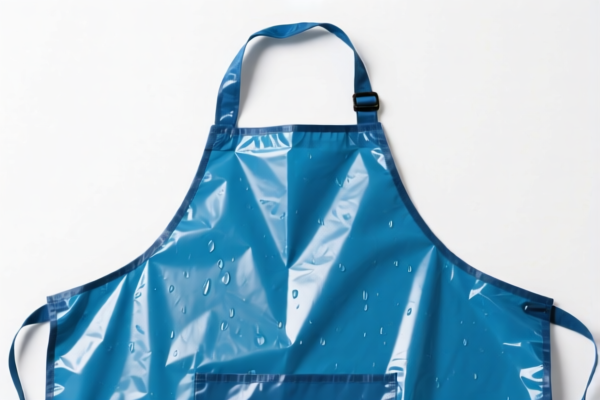
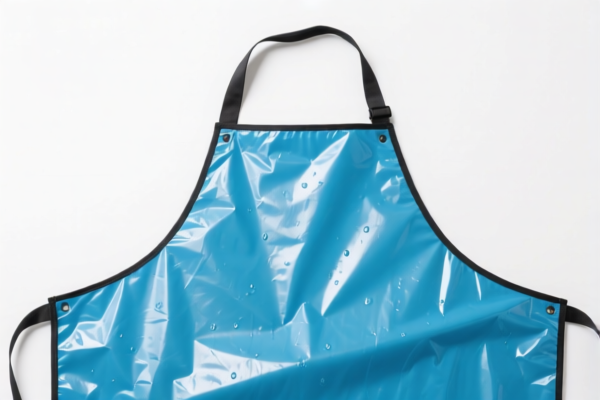
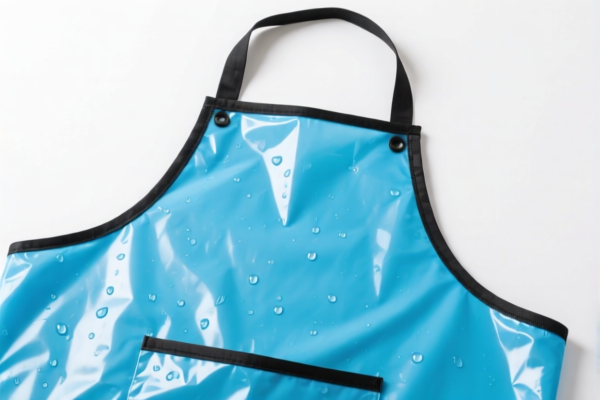

AI分析
🧼 Plastic Apron (Oil-Proof) | 🇨🇳 Export to 🇺🇸
🌐 HS Code Reference & Customs Clearance Guide | 2026 Latest Tariff Analysis | Strategic Compliance Strategy
📌 I. Product Definition & Classification: What Exactly Is an "Oil-Proof Plastic Apron"?
An oil-proof plastic apron is a protective garment primarily used in food processing, catering, healthcare, and industrial cleaning to protect clothing from oil, grease, and liquid splashes. In international trade, its classification depends heavily on its manufacturing process and material composition.
Although colloquially called "aprons" (garments), if the material is treated via specific processes (immersion, coating, covering, or laminating), customs authorities may classify them under Plastic Articles rather than Garments. This distinction drastically affects the tariff rate.
⚠️ Key Distinction Point:
- If the plastic is merely cut and sewn into shape without significant coating/laminating processes → Considered Garment → Lower Tax.
- If the plastic is coated, laminated, or immersed to create the barrier → Considered Plastic Article → Higher Tax (due to Section 301/122 tariffs).
📦 II. HS Code Classification Details (Based on Provided Data)
| HS Code | Product Description | Application Scenario | Material Characteristics |
|---|---|---|---|
6210.20.30.00 |
Plastic Apron (Oil-Proof), classified as Apparel | Casual protection, low-cost disposable aprons | Made of plastic, categorized as garment |
6210.20.70.00 |
Plastic Apron (Oil-Proof), Coated/Laminated | Industrial/Food-grade protection, durable aprons | Material meets characteristics of rubber/plastic immersion, coating, covering, or laminating |
3926.20.90.10 |
Plastic Apron (Oil-Proof), classified as Plastic Article | Heavy-duty industrial use, rigid plastic wear | Explicitly includes "Plastic" material and "Apron" purpose, categorized as plastic goods |
🔍 Critical Reminder:
- The difference between6210(Garments) and3926(Plastic Articles) lies in the production process.
- If the apron is made by lamination or coating of plastic sheets, it often falls under6210.20.70.00or even3926.20.90.10depending on strict interpretation.
- Misclassification Risk: Declaring a heavily coated apron as6210.20.30.00to save taxes can lead to audits and penalties.
💰 III. 2026 Latest Tariff Rate Breakdown (US Market - China Origin)
✅ Applicable Country: United States (US)
✅ Country of Origin: China (CN)
✅ Effective Date: Current 2026 Tariff Structure
🎯 1. 6210.20.30.00 —— Plastic Apron (Garment Classification)
| Item | Content |
|---|---|
| Base Tariff | 3.8% |
| Section 301 / Additional Tariff | 0.0% |
| "Section 122" Tariff (Trade Remedy) | +10% |
| Total Tax Rate | 13.8% |
| Tax Calculation | CIF Value × 13.8% |
| De Minimis Exemption Eligible? | ✅ Yes (If value ≤ $800 per shipment, subject to current policy) |
| Legal Basis Path | HTSUS:6210.20.30.00 → 122:10% |
📌 Explanation:
- This is the most favorable classification for simple plastic aprons.
- The "122 Tariff" refers to specific trade remedy measures against Chinese goods, currently applied at 10%.
- No additional Section 301 tariffs are listed for this specific subheading in the provided data.
🎯 2. 6210.20.70.00 —— Plastic Apron (Coated/Laminated Garment)
| Item | Content |
|---|---|
| Base Tariff | 3.3% |
| Section 301 / Additional Tariff | 0.0% |
| "Section 122" Tariff (Trade Remedy) | +10% |
| Total Tax Rate | 13.3% |
| Tax Calculation | CIF Value × 13.3% |
| De Minimis Exemption Eligible? | ✅ Yes (If value ≤ $800 per shipment) |
| Legal Basis Path | HTSUS:6210.20.70.00 → 122:10% |
📌 Note:
- Slightly lower base tariff (3.3%) compared to6210.20.30.00.
- Applies to aprons where the plastic layer is integrated via coating, lamination, or immersion.
- Despite being "more processed," it is still classified under Chapter 62 (Articles of Apparel), avoiding the higher "Plastic Article" tax.
🎯 3. 3926.20.90.10 —— Plastic Apron (Plastic Article Classification)
| Item | Content |
|---|---|
| Base Tariff | 5.0% |
| Section 301 / Additional Tariff | +25.0% |
| "Section 122" Tariff (Trade Remedy) | +10% |
| Total Tax Rate | 40.0% |
| Tax Calculation | CIF Value × 40.0% |
| De Minimis Exemption Eligible? | ❌ No (deny_de_minimis) |
| Legal Basis Path | HTSUS:3926.20.90.10 → IEEPA:25% → 122:10% |
📌 Warning:
- This is the highest tax bracket.
- The 25% tariff comes from Section 301 (Trade Action against China).
- The 10% comes from Section 122 (or similar trade remedy).
- De Minimis ($800 rule) does NOT apply here, meaning even small shipments are subject to full customs duties.
- Misclassifying a6210apron as3926results in no penalty, but under-declaring (calling a3926item a6210item) is high-risk.
🛠️ IV. Customs Clearance Practical Advice (Avoid Pitfalls)
✅ 1. Document Checklist (Essential for Smooth Clearance)
| Document | Required | Purpose |
|---|---|---|
| ✅ Product Specification Sheet | ✔️ | Details material type (PVC, PE, etc.), thickness, and processing method (cut vs. laminated). |
| ✅ Technical Diagrams | ✔️ | Shows how layers are bonded (if laminated/coated). Crucial for 6210.20.70.00 vs 3926 distinction. |
| ✅ Product Photos | ✔️ | Clear images of the apron, label, and packaging. |
| ✅ Commercial Invoice | ✔️ | Must match the HS code description precisely. |
| ✅ Packing List | ✔️ | Confirms quantity and weight. |
✅ 2. Declaration Strategy (Key Rules)
🔥 "Process Defines Code: Coated = Garment, Solid = Article"
| Scenario | Correct Declaration | Incorrect Action | Risk |
|---|---|---|---|
| Simple cut-and-sewn plastic sheet | 6210.20.30.00 (13.8%) |
Declare as 3926 |
Overpay taxes (26.2% diff) |
| Laminated/Coated plastic apron | 6210.20.70.00 (13.3%) |
Declare as 3926 |
Overpay taxes (26.7% diff) |
| Thick/Rigid Plastic Apron | 3926.20.90.10 (40.0%) |
Declare as 6210 |
Customs Penalty, Seizure, De Minimis Revoked |
📌 Tip:
- For e-commerce shipments under $800 (De Minimis), avoid3926.20.90.10entirely if possible, as it is not eligible for duty-free entry.
- Aim for6210classifications to leverage lower tax rates and potential de minimis benefits.
✅ 3. Special Situations
| Situation | Handling Suggestion |
|---|---|
| Multi-layer Aprons | If inner fabric + outer plastic layer → Still likely 6210 if bonded. Provide bond test reports. |
| Reusable vs. Disposable | "Reusable" does not automatically mean 3926. Focus on manufacturing process (lamination). |
| Branded Items | Ensure brand names on labels do not contradict the generic description in the invoice. |
🌍 V. Global Market Comparison (2026 Latest)
| Country/Region | Recommended HS Code | Tariff (China Origin) | Certification | Notes |
|---|---|---|---|---|
| 🇺🇸 USA | 6210.20.70.00 |
13.3% | No special certs | Best balance of cost and compliance |
| 🇨🇳 China | 6210.20.70.00 |
~5-10% | GB Standards | Domestic trade, lower friction |
| 🇪🇺 EU | 6210.20 |
0-4% (depending on subtype) | CE (if medical) | Generally low tariffs for non-technical aprons |
| 🇦🇺 Australia | 6210.20 |
5% | GTSR | Standard import duties apply |
📌 Conclusion:
- The USA is the most complex market due to Section 122 and potential Section 301 implications.
- EU and Asia are more straightforward, with lower overall duty burdens.
- Strategic Recommendation: For US exports, ensure your product documentation supports6210.20.70.00(Laminated/Coated) or6210.20.30.00(Simple) to avoid the 40%3926trap.
📌 VI. Common Mistakes & Pitfalls (Lessons Learned)
❌ Mistake 1: Calling a laminated apron "Plastic Garment" but declaring it under 3926.
👉 Result: Overpaying 26.7% in taxes unnecessarily.
👉 Fix: Provide proof of lamination/coating to qualify for 6210.20.70.00.
❌ Mistake 2: Declaring a simple cut plastic apron under 6210.20.70.00 when it's actually 6210.20.30.00.
👉 Result: Slight overpayment (0.5%), but minor.
👉 Fix: Be accurate. Even small savings add up at scale.
❌ Mistake 3: Ignoring the De Minimis status of 3926.20.90.10.
👉 Result: A $500 shipment gets taxed at 40% ($200) instead of $0.
👉 Fix: If exporting small batches, ensure classification is under 6210.
✅ Correct Practice:
"Plastic Coated Apron, Oil-Proof, Laminated PVC Layer on Polyester Backing, Model XYZ, Non-Medical Use"
🎯 VII. Conclusion: Precise Classification, Maximized Profit!
🎯 Remember the Mantra:
🔹 "Coated = Garment (13.3%), Solid = Plastic (40%)!"
🔹 "Don't let 'Plastic' in the name fool you into the 40% tax trap!"
🔹 "De Minimis is your friend, but only if the HS Code allows it!"
📌 Pro Tip:
If your plastic apron is made via lamination or coating, insist on classification under 6210.20.70.00.
This saves you 26.7% in tariffs compared to 3926.20.90.10 and keeps your shipment eligible for potential De Minimis benefits.
📣 Action Required:
📞 Consult your customs broker with product tech sheets.
📄 Request an Advance Ruling from US CBP if shipping high volumes.
🚀 Optimize your supply chain to maximize margin through smart classification.
✨ Smart Customs, Higher Profits!
💼 Every percent saved in duty is pure profit added to your bottom line!
用户评价
关于 HS 编码归类
协调制度(HS)是由世界海关组织(WCO)制定的国际贸易商品分类标准。全球 200 多个国家采用 HS 系统作为海关关税、贸易统计和进出口监管的基础。
每个 HS 编码遵循以下层级结构:
- 章(2 位)——商品大类(例如:第 84 章:机器和机械设备)
- 品目(4 位)——章内的更具体分类
- 子目(6 位)——国际通用细分,所有 WCO 成员国统一使用
- 本国细分(8-10 位)——各国自行扩展的细分编码,如美国 HTSUS 10 位编码
正确的 HS 编码归类对于顺利通关、准确缴纳关税和遵守贸易法规至关重要。错误归类可能导致海关延误、多缴关税或罚款。
从CN进口到US时,适用的关税税率可能包括:
- 最惠国(MFN)税率——适用于 WTO 成员国的标准关税税率
- 普通税率——适用于无贸易协定国家
- 贸易救济关税——附加关税,如 301 条款(反倾销)、232 条款(国家安全)或反补贴税
本页内容仅供参考。如需正式归类,请咨询当地海关或持牌报关代理。