other unprocessed coniferous logs
CN → US| HS编码 | 关税税率 | 原产国 | 目的国 | 文档 |
|---|---|---|---|---|
| 4403260165 | 35.0% | CN | US | 官方文档 |
| 4403260108 | 35.0% | CN | US | 官方文档 |
| 4403240104 | 35.0% | CN | US | 官方文档 |
| 4403260108 | 35.0% | CN | US | 官方文档 |
| 4407190055 | 35.0% | CN | US | 官方文档 |
商品图片
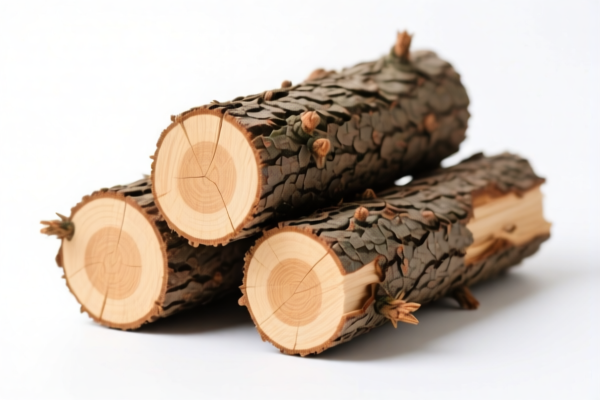
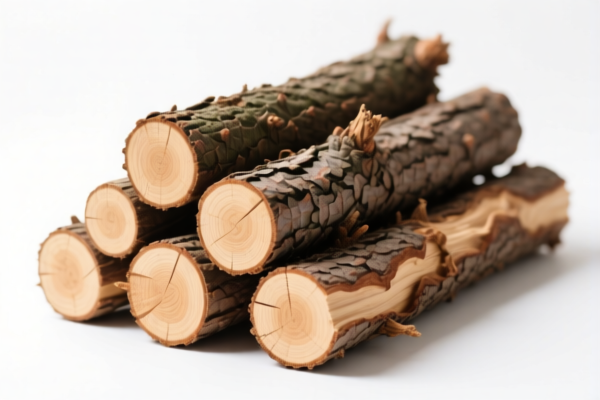
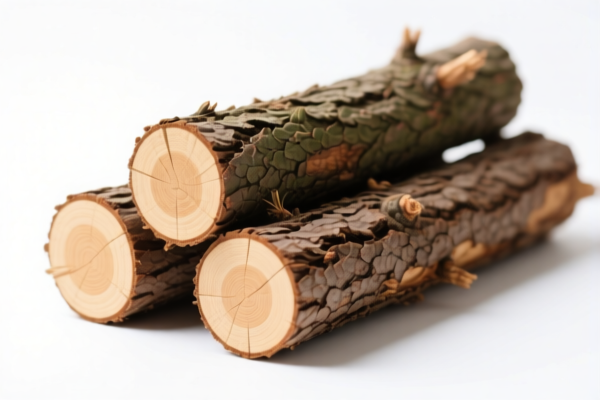
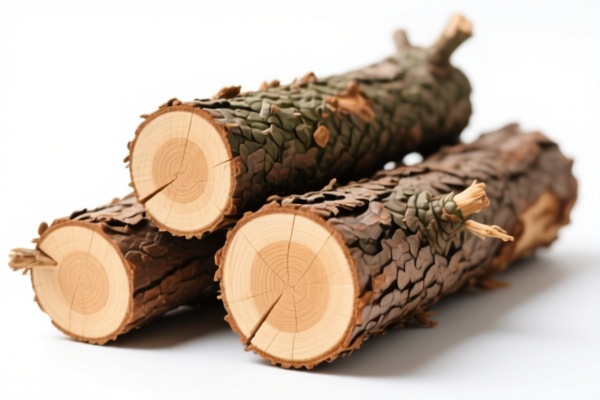
AI分析
🌲 Other Unprocessed Coniferous Logs (Raw Timber)
🌐 HS Code Reference & Customs Clearance Guide | 2026 Latest Tariff Analysis | Professional Import Strategy
📌 I. Product Definition: What Exactly Are "Other Unprocessed Coniferous Logs"?
"Other Unprocessed Coniferous Logs" refers to raw timber from coniferous trees (such as pine, spruce, fir, larch, cedar, and cypress) that has been felled, stripped of bark and sapwood (if necessary for transport), and has not undergone any further manufacturing processes like sawing, chipping, or chemically treating. These are the foundational raw materials for the woodworking, construction, and paper industries.
In international trade, classification is critical because form matters. A log is distinct from a plank, a beam, or a chip. Misclassification can lead to severe penalties, as coniferous timber from certain origins faces significant trade barriers.
⚠️ Key Distinction:
- Logs (4403): Unprocessed or simply rounded, debarked, or roughly squared at both ends.
- Sawn Wood (4407): Processed into planks, boards, or beams.
- Wood Chips (4401): Mechanically reduced to small fragments.If your product is a raw tree trunk with bark or minimal processing, it likely falls under 4403.
📦 II. HS Code Classification Details (2026 Latest Tariff Data)
Based on the provided data, the classification focuses on Coniferous Wood, Unprocessed State, and Log Form.
| HS Code | Product Description | Key Attributes | Specific Use/Context |
|---|---|---|---|
4403.26.01.65 |
Other Unprocessed Coniferous Logs | Coniferous material, Log morphology | General category for unprocessed logs not fitting other specific subheadings |
4403.26.01.08 |
Other Unprocessed Coniferous Logs | Coniferous material, Log morphology | "Other" category; no material conflict; applies to standard coniferous logs |
4403.24.01.04 |
Bulk Unprocessed Coniferous Timber | Coniferous material, Rough/Unprocessed form | Specifically for bulk shipments where logs are stacked/racked but not further processed |
4403.26.01.08 |
Bulk Unprocessed Coniferous Timber | Coniferous material, Log morphology | Matches the "log" definition for bulk coniferous shipments |
4407.19.00.55 |
Other Unprocessed Coniferous Wood for Shipbuilding | Coniferous material, Shipbuilding use | Specific end-use classification for shipbuilding timber |
🔍 Important Note:
- The HS codes4403.26.01.65and4403.26.01.08are very similar, often differing by specific sub-country or minor formatting rules in the 10-digit national tariff schedule.
-4403.24.01.04explicitly mentions "Bulk," which may affect packaging declaration.
-4407.19.00.55is a special case for Shipbuilding. Even though it says "Unprocessed," it falls under Chapter 44 Section II (Sawn Wood), which is unusual for "logs." This suggests it might be processed slightly to meet shipbuilding specifications but still considered "unprocessed" in a general trade sense. Verify with customs if this fits your product.
💰 III. 2026 Latest Tariff Rate Breakdown (Including Additional Duties)
✅ Applicable Country: United States (US)
✅ Country of Origin: China (CN)
✅ Effective Date: Ongoing (Since 2025/2026 trade policies)
All listed HS codes share the same tariff structure due to their origin and material type.
🎯 1. General Tariff Structure for Coniferous Logs (4403.26.01.65, 4403.26.01.08, 4403.24.01.04)
| Item | Content |
|---|---|
| Base Tariff Rate | 0.0% (Ad Valorem) |
| Section 301 Additional Duty | +25.0% |
| Section 122 Duty (IEEPA) | +10.0% |
| Total Effective Tax Rate | 35.0% |
| Tax Calculation | CIF Value × 35% |
| De Minimis Exemption | ❌ NOT Eligible (Deny de minimis) |
| Legal Basis Path | Section 301: 9903.88.01 → IEEPA: 9903.01.25 → USITC: 4403.xx.xx.xx |
📌 Explanation:
- "Base Tariff 0%": The standard Most Favored Nation (MFN) rate for wood logs is often low or zero.
- "Additional Duty 25%": This is the Section 301 tariff imposed on Chinese goods. Wood products are frequently targeted.
- "122-Clause Duty 10%": This refers to the IEEPA (International Emergency Economic Powers Act) duty, often applied to specific raw materials or goods from China.
- Total 35%: This is a high barrier. Importers must factor this into their landed cost.
🎯 2. Special Case: Shipbuilding Timber (4407.19.00.55)
| Item | Content |
|---|---|
| Base Tariff Rate | 0.0% |
| Section 301 Additional Duty | +25.0% |
| Section 122 Duty (IEEPA) | +10.0% |
| Total Effective Tax Rate | 35.0% |
| Tax Calculation | CIF Value × 35% |
| De Minimis Exemption | ❌ NOT Eligible |
📌 Note: Even though it’s for shipbuilding, the 35% total tax applies. Do not assume special exemptions without official confirmation.
🛠️ IV. Customs Clearance Practical Advice (Pitfall Avoidance Guide)
✅ 1. Required Documentation Checklist
| Document | Mandatory? | Purpose |
|---|---|---|
| ✅ Commercial Invoice | ✔️ | Must clearly state: "Unprocessed Coniferous Logs," Species (e.g., Pine, Spruce), Volume, Origin. |
| ✅ Packing List | ✔️ | Detail number of logs, dimensions, and packing method (bulk, bundled, etc.). |
| ✅ Phytosanitary Certificate | ✔️ | Critical! Issued by the exporting country’s plant protection agency. Must confirm no pests/diseases. |
| ✅ Fumigation Certificate | ✔️ | Proof that wood has been treated (e.g., Methyl Bromide or Heat Treatment) to meet ISPM 15 standards. |
| ✅ Bill of Lading (B/L) | ✔️ | Show "Freight Prepaid" or "Collect," and correct freight terms. |
| ✅ Certificate of Origin | ✔️ | To verify origin (China) and apply correct tariff rates. |
| ✅ Wood Species Declaration | ✔️ | Specify genus/species (e.g., Pinus sylvestris). Coniferous vs. Non-Coniferous changes the HS code. |
✅ 2. Declaration Tips (Key Mnemonics)
🔥 "Raw Logs, No Bark, Phytosanitary Key!"
| Scenario | Correct Declaration | Wrong Practice |
|---|---|---|
| Standard Logs | 4403.26.01.08 or .65 |
Declaring as "Sawn Wood" → Wrong HS, wrong tax |
| Bulk Logs | 4403.24.01.04 |
Ignoring "Bulk" status → Possible inspection delay |
| Shipbuilding Timber | 4407.19.00.55 |
Declaring as general logs → May miss specific regulatory requirements |
| Non-Coniferous (e.g., Oak) | NOT 4403 | Using 4403 for hardwood → Rejection + Penalty |
📌 Critical Warning:
- Coniferous vs. Non-Coniferous: Ensure the wood is truly coniferous (softwood). If it’s hardwood (e.g., Oak, Maple), it falls under different HS codes (e.g.,4403.41,4403.94).
- Bark Status: Logs with bark are more likely to be classified as4403.26(with bark) vs.4403.24(without bark or roughly squared). Check your product’s exact state.
✅ 3. Special Cases & Handling
| Situation | Handling Advice |
|---|---|
| Pest Infestation Found | Immediate rejection or re-export. Fumigation certificate must be valid and match the batch. |
| Incorrect Species Declaration | If you declare "Pine" but it’s "Spruce," customs may reclassify or penalize. Be precise. |
| Mixed Shipments | If a container has logs from multiple species, each species must be listed separately in the invoice. |
| Shipbuilding Specifics | For 4407.19.00.55, ensure the wood meets shipbuilding grade standards (straight grain, no knots). Provide a grade certificate if possible. |
🌍 V. Global Customs Comparison (2026 Latest)
| Country/Region | Recommended HS Code | Tariff (China Origin) | Certification Requirements | Notes |
|---|---|---|---|---|
| 🇺🇸 USA | 4403.26.01.08 |
35% (0% + 25% + 10%) | Phytosanitary + Fumigation | High tariff barrier; strict wood pest controls |
| 🇨🇳 China | 4403.26.01.08 |
0% - 5% (Varies) | Phytosanitary | Import of coniferous logs may be restricted for ecological reasons |
| 🇪🇺 EU | 4403.26 |
0% - 10% | Timber Regulation (EUTR) | Requires Due Diligence Statement; no 301 tariffs |
| 🇯🇵 Japan | 4403.26 |
0% - 5% | Phytosanitary | Strict on wood-boring insects |
| 🇰🇷 South Korea | 4403.26 |
0% - 5% | Phytosanitary | Similar to Japan |
📌 Conclusion:
- USA imposes the highest total tax (35%) due to Section 301 and IEEPA duties.
- EU requires due diligence but no punitive tariffs.
- Asia (Japan, Korea) focuses on phytosanitary compliance.
📌 VI. Common Mistakes & Pitfalls (Lessons Learned)
❌ Mistake 1: Declaring "Wood Planks" when it’s "Logs"
👉 Consequence: HS code error → 35% tariff vs. lower rate for processed wood → Penalties + Back Taxes
❌ Mistake 2: Missing Fumigation Certificate
👉 Consequence: Goods detained, fumigated at importer’s expense, or destroyed
❌ Mistake 3: Ignoring Species Specifics
👉 Consequence: If declared as "Coniferous" but found to be "Non-Coniferous," HS code changes → Audit Risk
❌ Mistake 4: Assuming De Minimis Applies
👉 Consequence: Small shipments of logs are NOT exempt. All 35% tax applies.
✅ Correct Practice:
"Coniferous Logs, Pine Species, Debarked, Fumigated, Certificate No. XYZ, Origin: China"
🎯 VII. Conclusion: Professional Declaration, Cost Control, Smooth Clearance
🎯 Remember the Motto:
🔹 "Logs are Raw, Tax is High (35%), Phytosanitary is Key!"
🔹 "HS Code Determines Life, Tariff Determines Profit, Declaration Determines Speed!"
📌 Pro Tip:
If your logs are for Shipbuilding (4407.19.00.55), ensure you have a Letter of Guarantee from the shipyard. This may help in case of disputes over classification, but the 35% tax still applies.
For bulk logs (4403.24.01.04), ensure the packing list clearly states "Bulk" to avoid misclassification as "packaged timber."
📣 Immediate Action:
📞 Contact your customs broker + Provide Phytosanitary Certificate + Verify HS Code with USITC
🚀 Ensure your coniferous logs clear US customs smoothly, avoid 35% surprises, and maintain supply chain efficiency!
✨ Professional Customs Clearance Starts with Accurate Classification!
💼 Your Landed Cost Includes 35% Tax – Plan Accordingly!
用户评价
关于 HS 编码归类
协调制度(HS)是由世界海关组织(WCO)制定的国际贸易商品分类标准。全球 200 多个国家采用 HS 系统作为海关关税、贸易统计和进出口监管的基础。
每个 HS 编码遵循以下层级结构:
- 章(2 位)——商品大类(例如:第 84 章:机器和机械设备)
- 品目(4 位)——章内的更具体分类
- 子目(6 位)——国际通用细分,所有 WCO 成员国统一使用
- 本国细分(8-10 位)——各国自行扩展的细分编码,如美国 HTSUS 10 位编码
正确的 HS 编码归类对于顺利通关、准确缴纳关税和遵守贸易法规至关重要。错误归类可能导致海关延误、多缴关税或罚款。
从CN进口到US时,适用的关税税率可能包括:
- 最惠国(MFN)税率——适用于 WTO 成员国的标准关税税率
- 普通税率——适用于无贸易协定国家
- 贸易救济关税——附加关税,如 301 条款(反倾销)、232 条款(国家安全)或反补贴税
本页内容仅供参考。如需正式归类,请咨询当地海关或持牌报关代理。