palm leaf woven storage basket
CN → US| HS编码 | 关税税率 | 原产国 | 目的国 | 文档 |
|---|---|---|---|---|
| 4602191600 | 40.0% | CN | US | 官方文档 |
| 1404909090 | 35.0% | CN | US | 官方文档 |
| 1404904000 | 37.3% | CN | US | 官方文档 |
| 4602191400 | 35.0% | CN | US | 官方文档 |
| 4601922000 | 41.6% | CN | US | 官方文档 |
商品图片
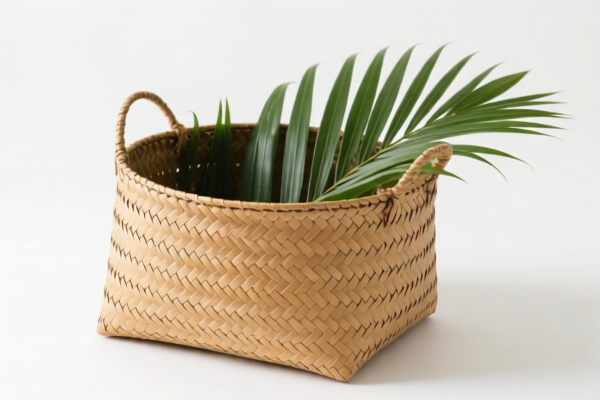
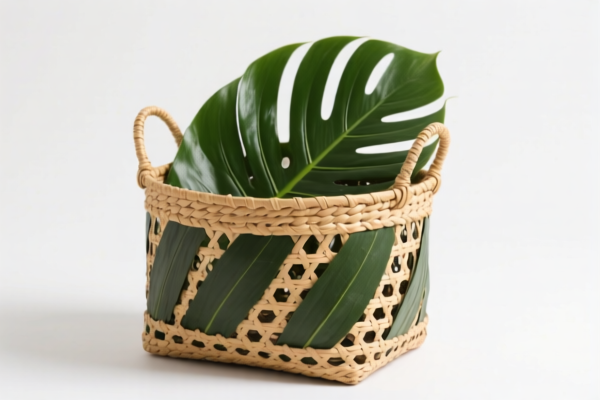
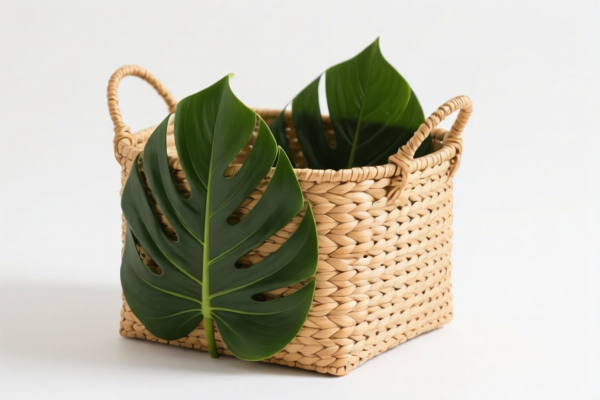
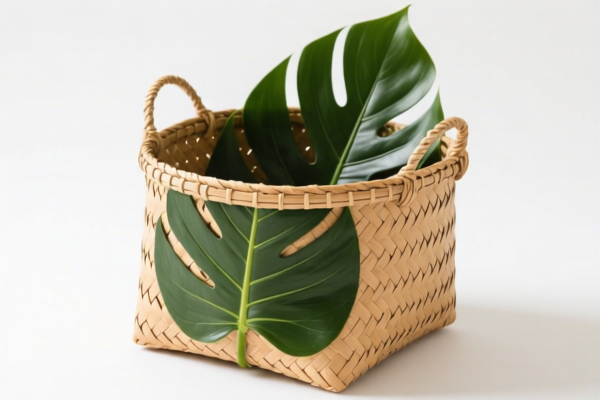
AI分析
🌿 Palm Leaf Woven Storage Basket: HS Code Classification & Customs Clearance Guide (2024/2025)
🌐 HS Code Reference & Customs Strategy | Detailed Tax Breakdown | Professional Clearance Protocol
📌 I. Product Definition: What is a "Palm Leaf Woven Storage Basket"?
A Palm Leaf Woven Storage Basket is a container made from natural palm leaves, woven into a basket shape for storage purposes. In international trade, the classification of this product depends heavily on: 1. Material: Is it classified as "plaiting materials" (Chapter 14) or "woven articles" (Chapter 46)? 2. Form: Is it considered a simple basket (Chapter 46) or an unprocessed plant product (Chapter 14)? 3. Processing Level: Has it undergone significant manufacturing to become a finished good, or is it just cut and woven plant material?
⚠️ Critical Distinction: - Chapter 46 (Woven Materials): Applies if the palm leaves are processed into plaits or woven into a structured article like a basket. - Chapter 14 (Plaiting Materials/Other Plant Products): Applies if the item is considered primarily as raw or semi-processed plant material, or if it does not fit the specific definition of a "basket" in Chapter 46.
📦 II. HS Code Classification Matrix (Based on Provided Data)
Below are the 5 possible HS Codes for this product, along with their tax implications. These codes represent different interpretations by customs officials regarding the material and form.
| HS Code | Summary Description | Total Tax Rate | Tax Detail Breakdown |
|---|---|---|---|
| 4602.19.16.00 | Palm Leaf Basket: Classified as a basket made of palm leaves. Fits the "Baskets & Bags" category. | 40.0% | Base: 5.0% + Section 301: 25.0% + Section 122: 10.0% |
| 1404.90.90.90 | Other Plant Products: Classified as a general plant product (fallback category). | 35.0% | Base: 0.0% + Section 301: 25.0% + Section 122: 10.0% |
| 1404.90.40.00 | Plant Fibers/Other: Classified as other plant products/fibers. | 37.3% | Base: 2.3% + Section 301: 25.0% + Section 122: 10.0% |
| 4602.19.14.00 | Palm Leaf Basket (Alternative): Another classification for palm leaf baskets. | 35.0% | Base: 0.0% + Section 301: 25.0% + Section 122: 10.0% |
| 4601.92.20.00 | Woven Articles: Classified as woven articles of other plaiting materials. | 41.6% | Base: 6.6% + Section 301: 25.0% + Section 122: 10.0% |
🔍 Key Observation: - The highest tax rate is 41.6% (HS Code
4601.92.20.00). - The lowest tax rates are 35.0% (HS Codes1404.90.90.90and4602.19.14.00). - All codes include significant附加 tariffs: 25% (Section 301) and 10% (Section 122), indicating this product is likely imported from China to the US.
💰 III. Detailed Tax Rate Analysis
✅ Applicable Country: United States (US)
✅ Origin: China (CN)
✅ Tariff Structure: Base Duty + Section 301 Tariff + Section 122 Tariff
🎯 1. Best Case: 35.0% Total Duty
HS Codes: 1404.90.90.90 & 4602.19.14.00
| Item | Rate | Legal Basis |
|---|---|---|
| Base Duty | 0.0% | HTSUS Heading 1404 or 4602 (specific subheading) |
| Section 301 Tariff | +25.0% | USITC Footnote 9903.88.01 (China-specific) |
| Section 122 Tariff | +10.0% | IEEPA Executive Order (China-specific) |
| Total | 35.0% |
📌 Why this matters: Choosing
1404.90.90.90(as "other plant product") or4602.19.14.00(as a specific basket type) minimizes the base duty to 0%, reducing the total burden.
🎯 2. Middle Case: 37.3% Total Duty
HS Code: 1404.90.40.00
| Item | Rate | Legal Basis |
|---|---|---|
| Base Duty | 2.3% | HTSUS Heading 1404 (specific subheading for other plant products/fibers) |
| Section 301 Tariff | +25.0% | USITC Footnote 9903.88.01 |
| Section 122 Tariff | +10.0% | IEEPA Executive Order |
| Total | 37.3% |
📌 Why this matters: If customs views the product as "plant fibers" rather than a finished basket, a small base duty (2.3%) is added on top of the high附加 tariffs.
🎯 3. High Case: 40.0% – 41.6% Total Duty
HS Codes: 4602.19.16.00 & 4601.92.20.00
| Item | Rate | Legal Basis |
|---|---|---|
| Base Duty | 5.0% or 6.6% | HTSUS Heading 4602 (higher base for certain woven baskets) |
| Section 301 Tariff | +25.0% | USITC Footnote 9903.88.01 |
| Section 122 Tariff | +10.0% | IEEPA Executive Order |
| Total | 40.0% or 41.6% |
📌 Why this matters: These classifications treat the product as a more specific woven article, attracting higher base duties. The 41.6% rate is the most expensive scenario.
🛠️ IV. Customs Clearance Recommendations
✅ 1. Optimal Classification Strategy
To minimize costs, aim for HS Codes 1404.90.90.90 or 4602.19.14.00 (35.0% total duty).
| Strategy | Action |
|---|---|
| Material Description | Emphasize "Palm Leaf" and "Plant Product" in documentation. Avoid overly technical terms that imply complex weaving (which might push it to 4601.92.20.00). |
| Form Description | Describe as "Storage Container" or "Basket" but highlight its natural, unprocessed nature if possible to align with 1404.90.90.90. |
| Documentation | Ensure the commercial invoice clearly states: "Palm Leaf Woven Basket, Material: 100% Palm Leaves, Usage: Storage." |
✅ 2. Required Documents for Clearance
| Document | Purpose |
|---|---|
| Commercial Invoice | Must match the declared HS Code and value. |
| Packing List | Details quantity, weight, and dimensions. |
| Product Photos | Show the basket's structure, material texture, and any branding. |
| Certificate of Origin (CO) | Required to prove Chinese origin (and thus apply Section 301/122 tariffs correctly). |
| Material Declaration | Confirm no prohibited pests or soil contamination (USDA requirement). |
✅ 3. Common Pitfalls & Avoidance
❌ Pitfall 1: Misclassification as "Household Goods" (e.g., 7323.93) - Consequence: Wrong HS Code, potential fines, and delays. - Solution: Do not use generic codes. Stick to Chapter 14 or 46 as provided in the data.
❌ Pitfall 2: Ignoring Section 122 Tariff - Consequence: Underpayment of duties. Section 122 (10%) is currently applicable to Chinese goods. - Solution: Always include the 10% in cost calculations.
❌ Pitfall 3: Incorrect Base Duty Assumption
- Consequence: Paying 5-6.6% base duty when 0% might be available.
- Solution: Argue for 1404.90.90.90 if the basket is simple and primarily valued as a plant product.
🌍 V. Global Comparison (Contextual Note)
While the data provided is specific to US imports from China, here’s how it might differ elsewhere:
| Region | Typical Duty | Notes |
|---|---|---|
| USA (from China) | 35.0% - 41.6% | High due to 301 + 122 tariffs. |
| EU | ~2.5% - 4.5% | Lower base duty, no 301/122 equivalents. |
| China (Imported from US) | ~5% - 10% | Reciprocal tariffs may apply. |
📌 Conclusion: The US market is the most costly for this product due to political tariffs. Exporters should consider supply chain diversification (e.g., manufacturing in Vietnam or India) to avoid these specific Chinese-origin tariffs.
📌 VI. Final Checklist for Shippers
- [ ] Verify Material: Ensure the basket is 100% palm leaf or clearly state blend.
- [ ] Choose HS Code: Prefer
1404.90.90.90or4602.19.14.00for lowest duty (35%). - [ ] Calculate Landed Cost: Include 35% - 41.6% total duty in pricing.
- [ ] Prepare USDA Docs: Phytosanitary certificate is crucial for plant-based products.
- [ ] Consult Customs Broker: Confirm the latest status of Section 122 tariffs before shipment.
🎯 Pro Tip:
"Low Base Duty, High附加 Tariffs = 35% Sweet Spot" Avoid complex weaving classifications (
4601.92.20.00) that attract higher base duties. Opt for the "Other Plant Products" or specific Basket codes with 0% base duty to minimize total cost.
📣 Disclaimer: This guide is based on the provided data and general customs principles. Tariff rates and regulations change frequently. Always consult a licensed customs broker or check the latest HTSUS database before finalizing declarations.
✨ Clearance Success = Accurate HS Code + Complete Documentation ✨
用户评价
关于 HS 编码归类
协调制度(HS)是由世界海关组织(WCO)制定的国际贸易商品分类标准。全球 200 多个国家采用 HS 系统作为海关关税、贸易统计和进出口监管的基础。
每个 HS 编码遵循以下层级结构:
- 章(2 位)——商品大类(例如:第 84 章:机器和机械设备)
- 品目(4 位)——章内的更具体分类
- 子目(6 位)——国际通用细分,所有 WCO 成员国统一使用
- 本国细分(8-10 位)——各国自行扩展的细分编码,如美国 HTSUS 10 位编码
正确的 HS 编码归类对于顺利通关、准确缴纳关税和遵守贸易法规至关重要。错误归类可能导致海关延误、多缴关税或罚款。
从CN进口到US时,适用的关税税率可能包括:
- 最惠国(MFN)税率——适用于 WTO 成员国的标准关税税率
- 普通税率——适用于无贸易协定国家
- 贸易救济关税——附加关税,如 301 条款(反倾销)、232 条款(国家安全)或反补贴税
本页内容仅供参考。如需正式归类,请咨询当地海关或持牌报关代理。