paper jam
CN → US| HS编码 | 关税税率 | 原产国 | 目的国 | 文档 |
|---|---|---|---|---|
| 4911998000 | 17.5% | CN | US | 官方文档 |
| 4823903100 | 35.0% | CN | US | 官方文档 |
| 4823908680 | 35.0% | CN | US | 官方文档 |
| 4911914040 | 17.5% | CN | US | 官方文档 |
| 9504400000 | 10.0% | CN | US | 官方文档 |
商品图片
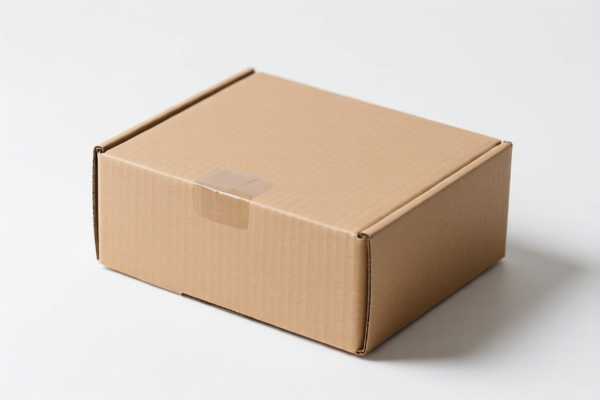
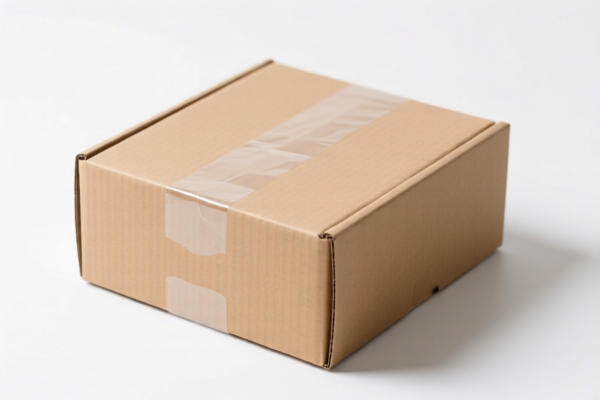
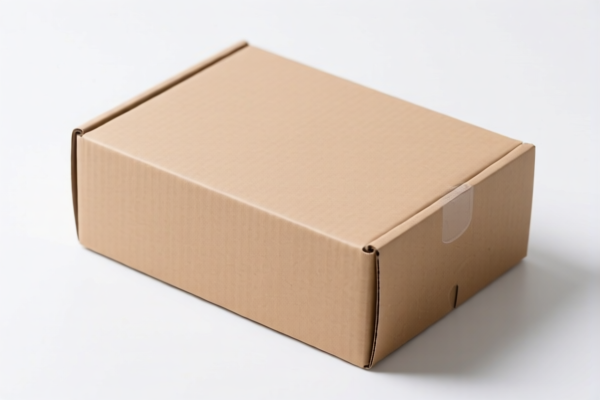
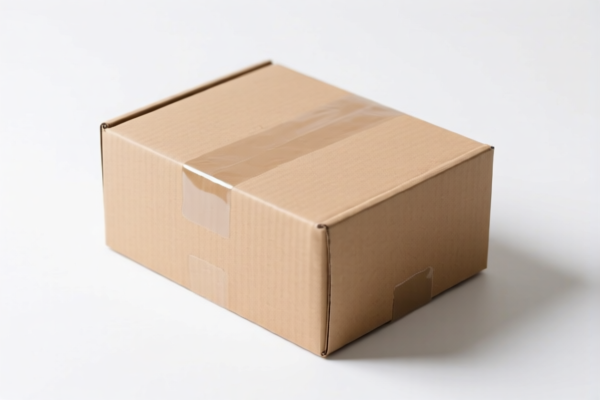
AI分析
📄 Paper Jam / Business Cards (Cardboard & Paper Products)
🌐 HS Code Reference & Customs Clearance Guide | 2026 Latest Tariff Analysis | Professional Strategy for Paper-Based Goods
📌 I. Product Definition & Classification: What Exactly is a "Paper Jam"?
In the context of international trade and HS Code classification, "Paper Jam" likely refers to printed paper cards, business cards, playing cards, or paper-based stationary items. The classification depends entirely on the material, finish, intended use, and specific characteristics of the product.
Internationally, paper products are broadly categorized into: 1. Printed Materials (Heading 49): Includes brochures, flyers, business cards, playing cards with printed designs, and other printed items. 2. Raw/Processed Paper Products (Heading 48): Includes plain paper, cardboard, paperboard, and cut-shaped paper items without significant printing or design.
⚠️ Key Distinction:
- If the item is a plain paper card or cut-to-shape paper product with minimal/no printing →归入 Chapter 48
- If the item is printed with text, images, or designs (e.g., business cards, playing cards) →归入 Chapter 49
- If the item is specifically designed for games or playing cards → May fall under Chapter 95
📦 II. HS Code Classification Details (2026 Latest Tariff Rules)
Based on the provided , here are the possible HS Codes and their corresponding tax implications for "Paper Jam" (interpreted as printed paper cards or paper-based items):
| HS Code | Product Description | Summary/Reasoning | Total Tax Rate |
|---|---|---|---|
4911.99.80.00 |
Other printed materials (paper-based) | Based on paper material attributes, fits printed category; cards are in printed form | 17.5% |
4823.90.31.00 |
Other articles of paper pulp, paper, or paperboard | Product name fits paper/cardboard material; falls under "other" catch-all category | 35.0% |
4823.90.86.80 |
Other cut paper products | Paper matches code; cards are classified as paper products cut into size/shape | 35.0% |
4911.91.40.40 |
Printed materials for graphic design | Cards fall under printed materials; made of paper, fits graphic design printed items | 17.5% |
9504.40.00.00 |
Playing cards and related game items | Inferred as paper/card-like objects, fits material and usage characteristics of playing cards | 10.0% |
🔍 Key Notes:
- Chapter 49 (Printed Items) generally has lower tariffs (17.5%) for standard printed cards.
- Chapter 48 (Paper Products) has higher tariffs (35.0%) for plain or cut paper items without significant printing.
- Chapter 95 (Games/Toys) has the lowest tariff (10.0%) if the item is specifically identified as playing cards.
💰 III. 2026 Latest Tariff Rate Breakdown (Including Additional Duties & Policy Surcharges)
✅ Applicable Country: United States (US)
✅ Origin: China (CN)
✅ Effective Date: November 10, 2025 (and subsequent imports)
🎯 1. 4911.99.80.00 – Other Printed Materials (Paper-Based)
| Item | Content |
|---|---|
| Base Duty Rate | 0% (ad valorem) |
| Section 301 Additional Duty | +7.5% |
| Section 122 Tariff (IEEPA) | +10% |
| Total Effective Rate | 17.5% |
| Tax Calculation | CIF Value × 17.5% |
| De Minimis Exemption Eligible? | ❌ No (deny_de_minimis) |
| Legal Basis Path | Section 301: 4911.99.80.00 → Section 122: 9903.01.24 → IEEPA: 9903.01.25 |
📌 Explanation:
- This code applies to printed paper cards (e.g., business cards, brochures, promotional cards) with no special game usage.
- 17.5% total tax is moderate but still significant for low-value items.
- No de minimis exemption applies, meaning even small shipments are taxed.
🎯 2. 4823.90.31.00 – Other Articles of Paper Pulp/Paper/Cardboard
| Item | Content |
|---|---|
| Base Duty Rate | 0% |
| Section 301 Additional Duty | +25% |
| Section 122 Tariff (IEEPA) | +10% |
| Total Effective Rate | 35.0% |
| Tax Calculation | CIF Value × 35.0% |
| De Minimis Exemption Eligible? | ❌ No |
| Legal Basis Path | Section 301: 4823.90.31.00 → Section 122: 9903.01.24 → IEEPA: 9903.01.25 |
📌 Explanation:
- This code applies to plain paper products or cut paper shapes with minimal or no printing.
- 35.0% total tax is high, reflecting the lower value-added nature of the product.
- Avoid this code if your product has significant printing, as it may lead to misclassification.
🎯 3. 4823.90.86.80 – Other Cut Paper Products
| Item | Content |
|---|---|
| Base Duty Rate | 0% |
| Section 301 Additional Duty | +25% |
| Section 122 Tariff (IEEPA) | +10% |
| Total Effective Rate | 35.0% |
| Tax Calculation | CIF Value × 35.0% |
| De Minimis Exemption Eligible? | ❌ No |
| Legal Basis Path | Section 301: 4823.90.86.80 → Section 122: 9903.01.24 → IEEPA: 9903.01.25 |
📌 Explanation:
- Similar to4823.90.31.00, this applies to paper products cut into specific shapes (e.g., die-cut cards, paper templates).
- 35.0% total tax is high; ensure your product is not overly printed to avoid misclassification.
🎯 4. 4911.91.40.40 – Printed Materials for Graphic Design
| Item | Content |
|---|---|
| Base Duty Rate | 0% |
| Section 301 Additional Duty | +7.5% |
| Section 122 Tariff (IEEPA) | +10% |
| Total Effective Rate | 17.5% |
| Tax Calculation | CIF Value × 17.5% |
| De Minimis Exemption Eligible? | ❌ No |
| Legal Basis Path | Section 301: 4911.91.40.40 → Section 122: 9903.01.24 → IEEPA: 9903.01.25 |
📌 Explanation:
- This code applies to printed cards with graphic design elements (e.g., business cards with logos, promotional cards).
- 17.5% total tax is favorable compared to plain paper products.
- Ensure the product is clearly printed and not just plain cut paper.
🎯 5. 9504.40.00.00 – Playing Cards and Related Game Items
| Item | Content |
|---|---|
| Base Duty Rate | 0% |
| Section 301 Additional Duty | 0% |
| Section 122 Tariff (IEEPA) | +10% |
| Total Effective Rate | 10.0% |
| Tax Calculation | CIF Value × 10.0% |
| De Minimis Exemption Eligible? | ❌ No |
| Legal Basis Path | Section 122: 9903.01.24 → IEEPA: 9903.01.25 → USITC: 9504.40.00.00 |
📌 Explanation:
- This code applies only if the product is specifically identified as playing cards or game cards.
- 10.0% total tax is the lowest rate among all options.
- Critical: If the product is not for gaming purposes, using this code is misclassification and may lead to penalties.
🛠️ IV. Customs Clearance Practical Advice (Avoid Pitfalls)
✅ 1. Required Documentation Checklist
| Document | Required | Notes |
|---|---|---|
| ✅ Product Specification Sheet | ✔️ | Include material, size, printing details, and intended use |
| ✅ Product Photos | ✔️ | Clear images showing front/back, edges, and any packaging |
| ✅ Commercial Invoice | ✔️ | Clearly state "Paper Cards" or "Playing Cards" based on use |
| ✅ Packing List | ✔️ | Detail quantity, weight, and dimensions |
| ✅ Declaration of Non-Game Use (if applicable) | ✔️ | If not playing cards, provide a letter stating "Not for Gaming Purposes" |
| ✅ Third-Party Certification (if applicable) | ✔️ | FSC, PEFC, or other eco-certifications for paper products |
✅ 2. Classification Strategy (Key Tips)
🔥 "Printed = Chapter 49, Plain = Chapter 48, Gaming = Chapter 95"
| Situation | Recommended HS Code | Tax Rate | Risk if Misclassified |
|---|---|---|---|
| Business cards, promotional cards with printing | 4911.99.80.00 or 4911.91.40.40 |
17.5% | Low if accurately described |
| Plain cut paper cards (no printing) | 4823.90.31.00 or 4823.90.86.80 |
35.0% | High tax burden |
| Playing cards, game cards | 9504.40.00.00 |
10.0% | Misclassification penalty if not for gaming |
| Mixed use (e.g., playing cards for marketing) | 9504.40.00.00 (if primarily for gaming) |
10.0% | Provide proof of gaming use |
✅ 3. Special Cases
| Situation | Handling Advice |
|---|---|
| OEM Custom Cards | Provide design files and order confirmation to prove printing and intended use |
| Playing Cards with Custom Prints | Still classifies under 9504.40.00.00 if used for gaming; declare as "Playing Cards" |
| Paper Templates or Craft Cards | Use 4823.90.86.80 if not printed or for gaming |
| Business Cards with Foil/Embossing | Still 4911.99.80.00 or 4911.91.40.40; enhanced printing does not change chapter |
🌍 V. Global Customs Clearance Comparison (2026 Latest)
| Country/Region | Recommended HS Code | Tariff | Certification Requirements | Notes |
|---|---|---|---|---|
| 🇺🇸 United States | 4911.99.80.00 or 9504.40.00.00 |
17.5% or 10% (China origin) | None standard | High additional tariffs apply |
| 🇨🇳 China | 4911.99.80.00 or 9504.40.00.00 |
5%~10% | CCC (if applicable) | Lower tariffs than US |
| 🇪🇺 European Union | 4911.99.00 or 9504.40.00 |
0%~6% | CE (if applicable) | No additional duties |
| 🇦🇺 Australia | 4911.99.00 or 9504.40.00 |
5% | RCM (if applicable) | Moderate tariffs |
| 🇯🇵 Japan | 4911.99.00 or 9504.40.00 |
0%~5% | PSE (if applicable) | Low tariffs |
📌 Conclusion:
- The United States imposes the highest effective tariffs on paper products from China, especially under Section 301 and Section 122.
- Chapter 95 (Playing Cards) offers the lowest tariff (10%), but only if the product is genuinely for gaming.
- Misclassification can lead to back taxes, penalties, and shipment delays.
📌 VI. Common Mistakes & Pitfalls (Lessons Learned)
❌ Mistake 1: Declaring playing cards as "paper cards" to avoid gaming classification
👉 Consequence: If discovered, HS Code corrected to 9504.40.00.00, but penalties may apply for incorrect declaration.
❌ Mistake 2: Using 4823.90.31.00 for heavily printed business cards
👉 Consequence: Higher tax (35% vs 17.5%); potential audit for misclassification.
❌ Mistake 3: Failing to specify intended use in commercial invoice
👉 Consequence: Customs may assign higher duty rate or request additional documentation, causing delays.
❌ Mistake 4: Assuming "de minimis" exemption applies
👉 Consequence: No de minimis exemption for these HS Codes; even small shipments are taxed.
✅ Correct Approach:
"Clearly state product use: 'Business Cards' for Chapter 49, 'Playing Cards' for Chapter 95, 'Plain Paper Cards' for Chapter 48."
🎯 VII. Conclusion: Precision Classification Saves Money!
🎯 Key Takeaways:
🔹 "Printed = 17.5%, Plain = 35%, Gaming = 10%"
🔹 "Accurate description prevents penalties and delays"
🔹 "No de minimis exemption; all shipments are taxed"
📌 Pro Tip:
If your product is playing cards, always declare it as such to benefit from the 10% tariff. If it is business or promotional cards, use Chapter 49 for a 17.5% rate. Avoid Chapter 48 unless the product is plain paper with no printing.
📣 Immediate Action:
📞 Consult a licensed customs broker + Provide product images + Apply for Advance Ruling (if possible)
🚀 Ensure smooth clearance, minimize costs, and maximize efficiency!
✨ Professional Customs Clearance Starts with Accurate Classification!
💼 Every percentage point matters in global trade!
用户评价
关于 HS 编码归类
协调制度(HS)是由世界海关组织(WCO)制定的国际贸易商品分类标准。全球 200 多个国家采用 HS 系统作为海关关税、贸易统计和进出口监管的基础。
每个 HS 编码遵循以下层级结构:
- 章(2 位)——商品大类(例如:第 84 章:机器和机械设备)
- 品目(4 位)——章内的更具体分类
- 子目(6 位)——国际通用细分,所有 WCO 成员国统一使用
- 本国细分(8-10 位)——各国自行扩展的细分编码,如美国 HTSUS 10 位编码
正确的 HS 编码归类对于顺利通关、准确缴纳关税和遵守贸易法规至关重要。错误归类可能导致海关延误、多缴关税或罚款。
从CN进口到US时,适用的关税税率可能包括:
- 最惠国(MFN)税率——适用于 WTO 成员国的标准关税税率
- 普通税率——适用于无贸易协定国家
- 贸易救济关税——附加关税,如 301 条款(反倾销)、232 条款(国家安全)或反补贴税
本页内容仅供参考。如需正式归类,请咨询当地海关或持牌报关代理。