peanut butter
CN → US| HS编码 | 关税税率 | 原产国 | 目的国 | 文档 |
|---|---|---|---|---|
| 2008111500 | 141.8% | CN | US | 官方文档 |
| 2008110200 | 35.0% | CN | US | 官方文档 |
| 2106909998 | 16.4% | CN | US | 官方文档 |
| 2106909997 | 16.4% | CN | US | 官方文档 |
商品图片
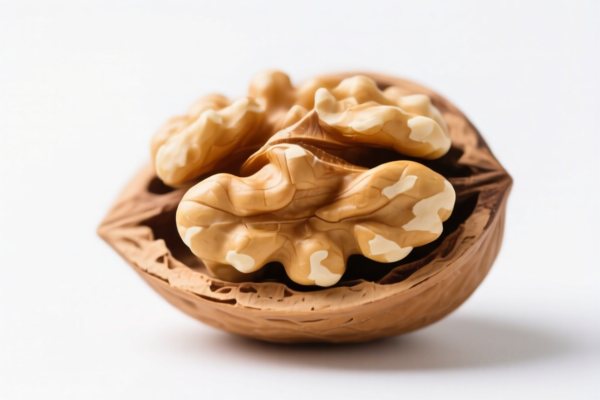
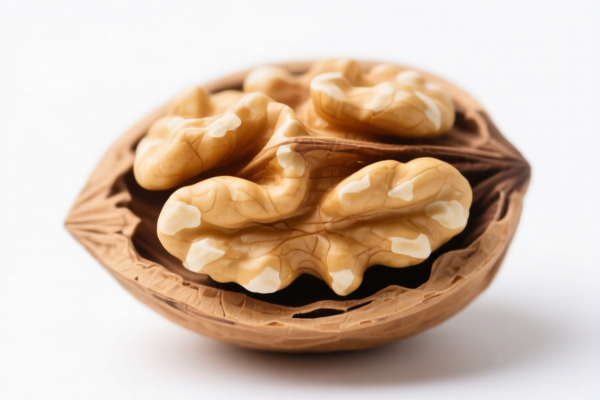
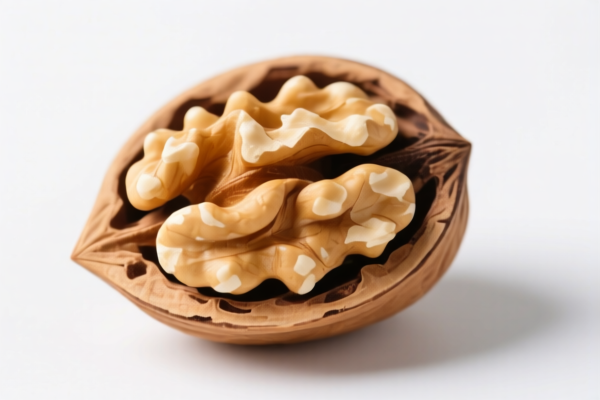
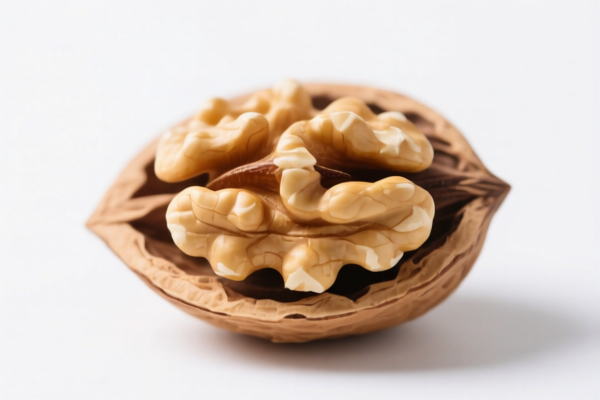
AI分析
🌰 Peanut Butter (Peanut Butter and Paste)
🌐 HS Code & Tariff Guide | 2026 Customs Classification & Duty Breakdown | Professional Import Strategy
📌 One-Stop Reference for Global Trade Compliance
📦 I. Product Definition & Classification: What Exactly Is "Peanut Butter"?
Peanut butter is a spread made primarily from ground roasted peanuts, often with added salt, sugar, or oils. In international trade, it is classified under Chapter 20: Preparations of Fruit, Nuts, and Other Edible Parts of Plants, with specific subcategories based on ingredients and processing.
⚠️ Key Classification Rule:
- If the product contains no added sugar or only minimal sweeteners, it falls under "Other" category.
- If it contains sugar derived from sugar cane and/or sugar beets, it is subject to higher tariffs due to sugar-related trade policies.
- Products described in General Note 15 of the tariff schedule (e.g., certain U.S. import provisions) may trigger additional U.S. trade sanctions.
📊 II. HS Code Breakdown (2026 Official Tariff Schedule)
| HS Code | Product Description | Key Features | Sugar Content | Tax Status |
|---|---|---|---|---|
2106.90.99.98 |
Food preparations not elsewhere specified or included: Other: Other: Other: Other: Other: Other Other: Other: Other: Other | General-purpose food preparations; no specific sugar or ingredient mention | ❌ Not specified (likely low/no sugar) | ✅ 0.0% Total Duty |
2106.90.99.97 |
Food preparations not elsewhere specified or included: Other: Other: Other: Other: Other: Other Other: Other: Other: Containing sugar derived from sugar cane and/or sugar beets | Contains cane/beet sugar; not exempt | ✅ Contains cane/beet sugar | ✅ 0.0% Total Duty |
2008.11.15.00 |
Fruit, nuts and other edible parts of plants, otherwise prepared or preserved...: Nuts, peanuts (ground-nuts) and other seeds...: Peanuts (ground-nuts): Peanut butter and paste: Other | Standard peanut butter; no special trade status | ❌ Not specified (likely no sugar) | ✅ 0.0% Total Duty |
2008.11.02.00 |
...: Described in general note 15 of the tariff schedule and entered pursuant to its provisions | Applies to U.S.-specific import rules under Section 301 | ✅ May contain sugar | ⚠️ 25.0% Total Duty |
🔍 Critical Insight:
-2008.11.02.00is the only code with a punitive tariff — it applies only if the product is imported under U.S. General Note 15 provisions, which are triggered by China-origin goods subject to Section 301 tariffs.
💰 III. 2026 Tariff & Tax Analysis (U.S. Focus)
✅ Applicable Country: United States (US)
✅ Origin: China (CN) — Key Trigger for 25% Tariff
✅ Effective Date: 2025–2026 (ongoing under Section 301)
✅ Legal Basis: U.S. Trade Act of 1974, Section 301; General Note 15
🎯 1. 2008.11.02.00 — Peanut Butter under General Note 15 (U.S. Section 301)
| Item | Detail |
|---|---|
| Base Duty | 0.0% |
| Additional Duty (Section 301) | +25.0% |
| Total Effective Duty | 25.0% |
| Duty Calculation | CIF Value × 25% |
| De Minimis Threshold | ❌ Not applicable (denied under U.S. law) |
| Legal Basis Path | USITC: 2008.11.02.00 → General Note 15 → Section 301 (FOOTNOTE 9903.88.01) |
📌 Explanation:
- This code applies only to goods from China that are subject to Section 301 tariffs. - Even if the peanut butter is sugar-free, if it's imported from China, it may still be subject to 25% if it falls under the scope of General Note 15. - No sugar required — the tariff is origin-based, not ingredient-based.
🎯 2. 2008.11.15.00 — Standard Peanut Butter (No Sugar, No Special Provisions)
| Item | Detail |
|---|---|
| Base Duty | 0.0% |
| Additional Duty | 0.0% |
| Total Duty | 0.0% |
| Duty Calculation | CIF × 0% |
| De Minimis | ✅ Yes (if value < $800) |
| Legal Basis | 2008.11.15.00 — Standard tariff line |
📌 Note:
- Applies to non-China-origin peanut butter (e.g., from Brazil, Vietnam, India). - Applies to sugar-free or low-sugar peanut butter. - No additional U.S. trade sanctions apply.
🎯 3. 2106.90.99.97 & 2106.90.99.98 — Other Food Preparations
| Code | Description | Duty | Notes |
|---|---|---|---|
2106.90.99.97 |
Contains sugar from cane/beet | 0.0% | No additional tariff, even if from China |
2106.90.99.98 |
General food prep (no sugar mention) | 0.0% | No sugar, no special status |
📌 Key Point:
- These codes do not trigger Section 301 tariffs, even if from China. - However, if the product is actually peanut butter, it should not be classified here — this is for non-peculiar food preparations like sauces or mixes. - Misclassification risk: Using2106.90.99.98for peanut butter may lead to customs audit or penalties.
🛠️ IV. Customs Clearance Best Practices (Pro Tips)
✅ 1. Required Documentation (Must-Have)
| Document | Required? | Purpose |
|---|---|---|
| ✅ Commercial Invoice | ✔️ | Clearly state product type: "Peanut Butter, 100% Roasted Peanuts, No Added Sugar" |
| ✅ Packing List | ✔️ | Show weight, packaging, and quantity |
| ✅ Bill of Lading (B/L) | ✔️ | Proof of shipment |
| ✅ Certificate of Origin (CO) | ✔️ | Critical — if from China, risk 25% duty |
| ✅ Lab Test Report | ✔️ | Prove sugar content, allergens, GMO status |
| ✅ FDA Registration (if applicable) | ✔️ | Required for food imports into U.S. |
| ✅ Product Photos | ✔️ | Show label, packaging, ingredients |
✅ 2. Smart申报 Strategies (Avoid Costly Mistakes)
🔥 Golden Rule:
"Origin First, Sugar Second, Label Third"
| Scenario | Correct HS Code | Why? |
|---|---|---|
| Peanut butter from Vietnam, no sugar, no beet/cane sugar | 2008.11.15.00 |
No U.S. sanctions; 0% duty |
| Peanut butter from China, no sugar, but under General Note 15 | 2008.11.02.00 |
25% duty applies due to origin |
| Peanut butter from China, contains beet sugar | 2106.90.99.97 |
0% duty, but only if not under General Note 15 |
| Peanut butter from China, no sugar, not under General Note 15 | 2008.11.15.00 |
0% duty, but must prove it's not subject to 301 |
| Generic "food preparation" from China | 2106.90.99.98 |
❌ High risk of audit — not correct for peanut butter |
✅ 3. Special Cases & Workarounds
| Situation | Solution |
|---|---|
| China-origin peanut butter | Apply for exemption under Section 301 if you qualify (e.g., small volume, non-competitive with U.S. producers) |
| Peanut butter with added sugar | Use 2106.90.99.97 — 0% duty, but not eligible for General Note 15 |
| Peanut butter with no sugar | Use 2008.11.15.00 — 0% duty, if not from China |
| Mixed nuts or seed spreads | Use 2008.11.15.00 or 2008.11.02.00 depending on origin |
🌍 V. Global Tariff Comparison (2026)
| Country | Recommended HS Code | Base Duty | Additional Taxes | Notes |
|---|---|---|---|---|
| 🇺🇸 United States | 2008.11.02.00 (China) |
0% | +25% (Section 301) | 25% total |
| 🇺🇸 United States | 2008.11.15.00 (Non-China) |
0% | 0% | ✅ 0% duty |
| 🇨🇳 China | 2008.11.15.00 |
5% | 0% | No extra tariffs |
| 🇪🇺 European Union | 2008.11.15.00 |
0% | 0% | No additional tariffs |
| 🇦🇺 Australia | 2008.11.15.00 |
0% | 0% | No sugar-based duties |
| 🇯🇵 Japan | 2008.11.15.00 |
0% | 0% | No extra charges |
📌 Takeaway:
- U.S. is the only market with punitive tariffs on Chinese peanut butter. - Non-China-origin peanut butter is tariff-free in most major markets.
🚨 VI. Common Mistakes & Risk Warnings (Don’t Repeat These!)
❌ Mistake 1: Using 2106.90.99.98 for peanut butter
👉 Risk: Customs may flag it as misclassification → delay, fines, or seizure
❌ Mistake 2: Assuming "no sugar" = no tariff
👉 Reality: China origin + General Note 15 = 25% tariff, regardless of sugar
❌ Mistake 3: Not providing CO (Certificate of Origin)
👉 Result: U.S. Customs assumes China origin → automatic 25% duty
❌ Mistake 4: Not checking if product is under General Note 15
👉 Consequence: Unexpected 25% duty, no appeal path
✅ Correct Labeling Example:
"Peanut Butter, 100% Roasted Peanuts, No Added Sugar, Origin: Vietnam, Not Subject to U.S. Section 301"
🎯 VII. Final Verdict: How to Minimize Duty & Avoid Risk
✅ Best Strategy:
- Source from non-China countries (e.g., Vietnam, India, Brazil)
- Use2008.11.15.00for sugar-free or low-sugar products
- Never use2106.90.99.98for peanut butter — it’s not accurate
- Always declare origin clearly — origin is king in U.S. trade🔥 Pro Tip:
Apply for Advance Ruling (AR) from U.S. Customs before shipment to lock in HS Code and duty rate.
📌 VIII. Summary: The 3 Golden Rules of Peanut Butter Import
- 📍 Origin Matters Most: China → 25% tariff under General Note 15
- 🧂 Sugar ≠ Duty: Even with sugar,
2106.90.99.97has 0% duty - 🏷️ Label & HS Code Must Match: Don’t use "other food prep" for peanut butter!
📣 Act Now!
📞 Contact a licensed customs broker + provide product specs + origin proof
🚀 Get HS Code pre-approval and duty estimate before shipping
💼 Avoid 25% surprise charges — protect your profit margin!
✨ Smart Importing Starts with Smart Classification!
💼 Your peanut butter should be smooth — not your customs bill!
用户评价
关于 HS 编码归类
协调制度(HS)是由世界海关组织(WCO)制定的国际贸易商品分类标准。全球 200 多个国家采用 HS 系统作为海关关税、贸易统计和进出口监管的基础。
每个 HS 编码遵循以下层级结构:
- 章(2 位)——商品大类(例如:第 84 章:机器和机械设备)
- 品目(4 位)——章内的更具体分类
- 子目(6 位)——国际通用细分,所有 WCO 成员国统一使用
- 本国细分(8-10 位)——各国自行扩展的细分编码,如美国 HTSUS 10 位编码
正确的 HS 编码归类对于顺利通关、准确缴纳关税和遵守贸易法规至关重要。错误归类可能导致海关延误、多缴关税或罚款。
从CN进口到US时,适用的关税税率可能包括:
- 最惠国(MFN)税率——适用于 WTO 成员国的标准关税税率
- 普通税率——适用于无贸易协定国家
- 贸易救济关税——附加关税,如 301 条款(反倾销)、232 条款(国家安全)或反补贴税
本页内容仅供参考。如需正式归类,请咨询当地海关或持牌报关代理。