pearlescent needle
CN → US| HS编码 | 关税税率 | 原产国 | 目的国 | 文档 |
|---|---|---|---|---|
| 7113195095 | 23.0% | CN | US | 官方文档 |
| 7113115000 | 22.5% | CN | US | 官方文档 |
| 7116102500 | 23.0% | CN | US | 官方文档 |
| 9601908000 | 21.2% | CN | US | 官方文档 |
| 7116101000 | 13.3% | CN | US | 官方文档 |
商品图片
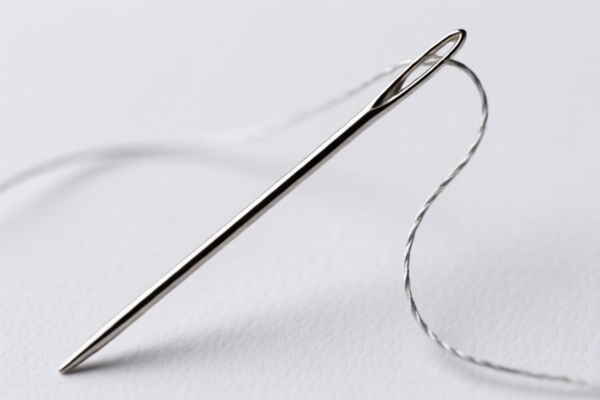
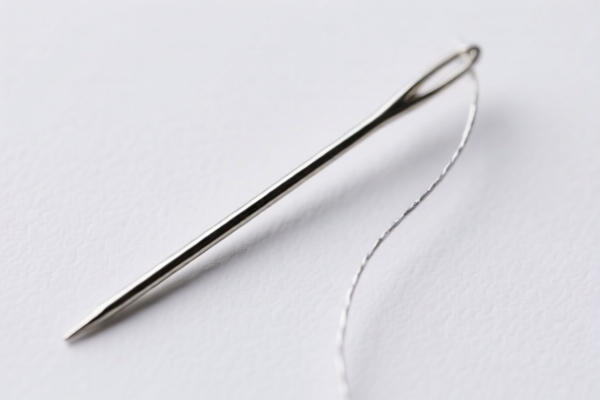
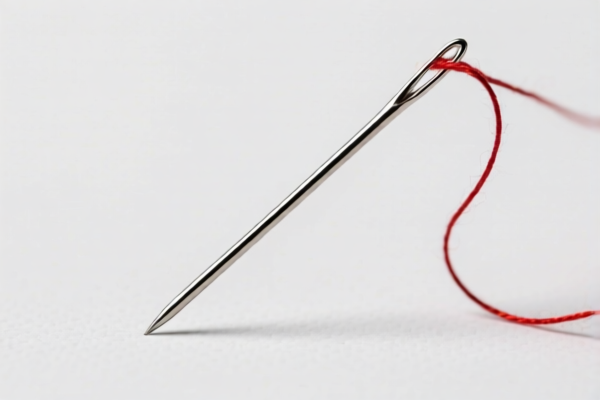
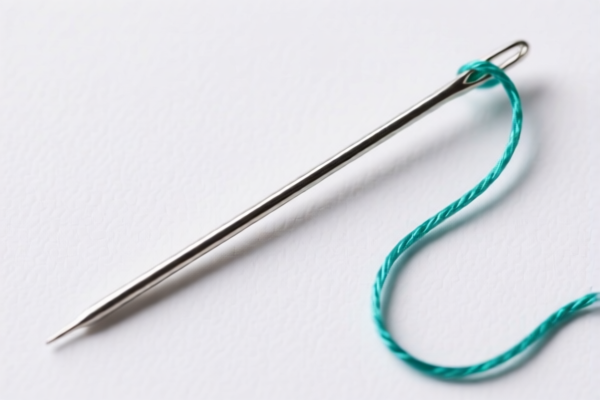
AI分析
🌸 Pearlescent Needle (Pearl Brooch/Pin)
🌐 HS Code Reference & Customs Clearance Guide | 2026 Latest Tariff Analysis | Professional Classification Strategy
📌 I. Product Definition & Classification: Do You Really Understand "Pearlescent Needle"?
A "Pearlescent Needle" is a colloquial or generic term often used in cross-border e-commerce and traditional trade to refer to Pearl Brooches or Pearl Pins. In international trade, these items are classified based on their material composition (precious metal vs. non-precious) and the type of pearl (natural vs. cultured).
The classification is critical because the total tax burden varies significantly depending on whether the item is viewed as a Precious Metal Jewelry accessory or a Pearl Product accessory.
⚠️ Key Distinction Points:
- Precious Metal Base: If the pin mechanism and setting are made of silver, gold, or other precious metals, it generally falls under Chapter 71.13.
- Pearl Material Focus: If classified primarily by the pearl itself (especially if the metal component is minor or considered part of the pearl craft), it may fall under Chapter 71.16.
- Natural vs. Cultured: Natural pearls enjoy lower base tariffs, while cultured pearls face higher standard rates.
📦 II. HS Code Classification Details (2026 Latest Tariff Authority Comparison)
| HS Code | Product Description | Application Scenario | Tax Category Logic |
|---|---|---|---|
7113.19.50.95 |
Other Jewelry of Precious Metals: Pearl pins classified as other precious metal jewelry. Pearls are decorative materials; the pin is a jewelry accessory. | High-end fashion brooches with gold/platinum settings. | Primary: Precious Metal Jewelry |
7113.11.50.00 |
Silver/Precious Metal Jewelry: Pearl pins classified as silver or precious metal jewelry, including pearls and metal bases. | Silver-set pearl brooches. | Primary: Silver/Precious Metal Jewelry |
7116.10.25.00 |
Pearl Products: Pearl pins classified as pearl products. Pearls are cultured pearls; the pin form is the product shape. | Mass-market cultured pearl pins where the pearl is the primary value driver. | Primary: Pearl/Cultured Pearl Product |
9601.90.80.00 |
Carved Materials: Pearl pins classified as other categories in animal carved material products. Pearls are pearl mother/pearl-like materials. | Less Common/Risky Classification: Often used for non-traditional or composite materials mimicking pearls. | Primary: Carved Material/Accessory |
7116.10.10.00 |
Pearl Products: Pearl pins classified as pearl products. Pearls are Natural Pearls. The pin is the product form. | High-value natural pearl brooches. | Primary: Natural Pearl Product |
🔍 Critical Reminder:
- Most Common:7113(Precious Metal) and7116(Pearl Product) are the two dominant categories.
- Natural Pearls: If the pearls are 100% natural,7116.10.10.00is the most advantageous code due to lower base tariffs.
- Cultured Pearls: If the pearls are cultured (most common), they fall under7116.10.25.00or7113series, with higher base tariffs.
💰 III. 2026 Latest Tariff Rate Breakdown (Including Additional Taxes, Policy Add-ons)
✅ Applicable Country: United States (US)
✅ Origin: China (CN)
✅ Effective Date: 2025 November 10 onwards (including subsequent imports)
🎯 1. 7113.19.50.95 —— Other Jewelry of Precious Metals
| Item | Content |
|---|---|
| Base Tariff | 5.5% |
| Additional Tariff (Section 301) | +7.5% |
| 122 Clause Tariff | +10% |
| Total Tariff Rate | 23.0% |
| Tax Calculation | CIF Value × 23.0% |
| De Minimis Eligibility | ❌ No (Deny De Minimis) |
| Legal Basis Path | Base 5.5% + Sec 301 7.5% + 122 Clause 10% |
📌 Explanation:
- This code is for high-end jewelry where the precious metal setting is the primary classification driver.
- The total rate of 23% is standard for precious metal jewelry from China under current trade policies.
🎯 2. 7113.11.50.00 —— Silver/Precious Metal Jewelry
| Item | Content |
|---|---|
| Base Tariff | 5.0% |
| Additional Tariff (Section 301) | +7.5% |
| 122 Clause Tariff | +10% |
| Total Tariff Rate | 22.5% |
| Tax Calculation | CIF Value × 22.5% |
| De Minimis Eligibility | ❌ No (Deny De Minimis) |
| Legal Basis Path | Base 5.0% + Sec 301 7.5% + 122 Clause 10% |
📌 Note:
- Slightly lower than7113.19.50.95due to a lower base tariff (5.0% vs 5.5%).
- Suitable for silver-based pearl brooches.
🎯 3. 7116.10.25.00 —— Pearl Products (Cultured)
| Item | Content |
|---|---|
| Base Tariff | 5.5% |
| Additional Tariff (Section 301) | +7.5% |
| 122 Clause Tariff | +10% |
| Total Tariff Rate | 23.0% |
| Tax Calculation | CIF Value × 23.0% |
| De Minimis Eligibility | ❌ No (Deny De Minimis) |
| Legal Basis Path | Base 5.5% + Sec 301 7.5% + 122 Clause 10% |
📌 Explanation:
- This is the standard code for cultured pearl products.
- The tax structure mirrors the precious metal category, making it cost-competitive if the metal content is low.
🎯 4. 9601.90.80.00 —— Carved Materials (Other)
| Item | Content |
|---|---|
| Base Tariff | 3.7% |
| Additional Tariff (Section 301) | +7.5% |
| 122 Clause Tariff | +10% |
| Total Tariff Rate | 21.2% |
| Tax Calculation | CIF Value × 21.2% |
| De Minimis Eligibility | ❌ No (Deny De Minimis) |
| Legal Basis Path | Base 3.7% + Sec 301 7.5% + 122 Clause 10% |
📌 Warning:
- High Risk of Misclassification: This code is for "other" carved materials. Using this for genuine pearl jewelry may lead to customs audits or penalties if the product is clearly jewelry.
- Only use if the product is a decorative pin made from pearl mother-of-pearl sheets or non-jewelry-grade materials.
🎯 5. 7116.10.10.00 —— Pearl Products (Natural)
| Item | Content |
|---|---|
| Base Tariff | 3.3% |
| Additional Tariff (Section 301) | 0.0% |
| 122 Clause Tariff | +10% |
| Total Tariff Rate | 13.3% |
| Tax Calculation | CIF Value × 13.3% |
| De Minimis Eligibility | ❌ No (Deny De Minimis) |
| Legal Basis Path | Base 3.3% + Sec 301 0.0% + 122 Clause 10% |
🌟 Best Option for Natural Pearls:
- Significantly Lower Tax: Only 13.3% total.
- Zero Section 301: Natural pearls are exempt from the additional 7.5% tariff.
- Verification Required: Must provide proof of natural origin (e.g., gemological certification) to avoid rejection or reclassification.
🛠️ IV. Customs Clearance Practical Suggestions (Battle-Tested Pitfall Avoidance)
✅ 1. Required Documentation Checklist (Missing Items Will Cause Delays)
| Document | Mandatory? | Description |
|---|---|---|
| ✅ Product Specification Sheet | ✔️ | Must include: Material (Silver/Gold/Cultured/Natural Pearl), Size, Weight, Pin Type. |
| ✅ Photos (Front/Back/Clasp) | ✔️ | Clear images of the pin mechanism and pearl setting. |
| ✅ Commercial Invoice | ✔️ | Must clearly state "Pearl Brooch" or "Pearl Pin," not generic "Needle." |
| ✅ Gemological Certificate | ⭐ Recommended | For 7116.10.10.00 (Natural Pearl), a certificate is crucial to claim the 13.3% rate. |
| ✅ Packing List | ✔️ | Detail the number of pieces, gross weight, and net weight. |
| ✅ Origin Certificate | ✔️ | To prove origin is China (if applicable) for tariff calculation. |
✅ 2. Declaration Tips (Key Mnemonics)
🔥 “Name Precise, Material Clear, Avoid ‘Needle’, Declare ‘Brooch’!”
| Scenario | Correct Declaration | Incorrect Practice |
|---|---|---|
| Standard Pearl Pin | Pearl Brooch, Silver Setting, Cultured Pearl |
“Pearlescent Needle” → Vague, likely reclassified. |
| Natural Pearl Pin | Natural Pearl Brooch, Gold Setting |
“Pearl Pin” → Ambiguous, may be taxed at 23%. |
| Mass Production | Cultured Pearl Pin, Alloy Base |
“Jewelry Accessory” → May be flagged for missing material details. |
| Composite Material | Pearl Mother-of-Pearl Decorative Pin |
“Natural Pearl” → If false, leads to fraud penalties. |
✅ 3. Special Situations Handling
| Situation | Handling Advice |
|---|---|
| OEM/Custom Design | Provide design sketches and material composition to avoid misclassification. |
| Mixed Materials | If the pin has a plastic or alloy base with pearls, 7116.10.25.00 is safer than 7113. |
| High-Value Items | For items >$2,500, ensure all documentation is notarized and certified. |
| Dispute on "Natural" vs "Cultured" | If in doubt, declare as Cultured (7116.10.25.00) to avoid penalty for misdeclaring natural pearls. |
🌍 V. Global Market Comparison (2026 Latest)
| Country/Region | Recommended HS Code | Tariff | Certification | Remarks |
|---|---|---|---|---|
| 🇺🇸 USA | 7113.19.50.95 / 7116.10.25.00 |
23.0% | No specific | 122 Clause + Sec 301 apply. |
| 🇺🇸 USA (Natural) | 7116.10.10.00 |
13.3% | Gem Certificate | Best rate if natural. |
| 🇨🇳 China (Export) | 7113.19.50.95 |
0% | None | Export duty is 0%. |
| 🇪🇺 EU | 7113.19.50.95 |
2.7% | CE (if applicable) | No Section 301. |
| 🇬🇧 UK | 7113.19.50.95 |
5.0% | None | Post-Brexit rules. |
📌 Conclusion:
- US Market: Tariffs are high due to trade policies. Natural pearls offer a significant advantage (13.3% vs 23%).
- EU/UK: Tariffs are much lower. The 122 Clause and Section 301 do not apply.
📌 VI. Common Errors & Pitfall Guide (Lessons Learned)
❌ Error 1: Using “Pearlescent Needle” as the product name.
👉 Consequence: Customs may reject the declaration for ambiguity or assign a higher default rate.
✅ Fix: Use “Pearl Brooch” or “Pearl Pin.”
❌ Error 2: Declaring Cultured Pearls as Natural.
👉 Consequence: Penalties, Back Taxes, and Legal Action.
✅ Fix: Be honest about pearl type. Use 7116.10.25.00 for cultured.
❌ Error 3: Missing the 122 Clause Tariff (10%).
👉 Consequence: Underpayment of duties.
✅ Fix: Always include the 10% 122 Clause tariff in cost calculations for US imports from China.
❌ Error 4: Misclassifying as 9601 to save taxes.
👉 Consequence: High risk of audit and reclassification to 7113 or 7116.
✅ Fix: Only use 9601 if the item is genuinely a carved decorative piece, not jewelry.
🎯 VII. Conclusion: Professional Declaration, Cost Savings, Efficiency!
🎯 Remember the Mnemonic:
🔹 “Natural Pearls = 13.3%, Cultured/Metal = 23%, ‘Needle’ Name = Risk!”
🔹 “HS Code Determines Cost, Declaration Determines Speed!”
📌 Tips:
- If your pearls are cultured (most likely), prepare for a 23% total tariff in the US.
- If you can source natural pearls, apply for 7116.10.10.00 to save 9.7% in tariffs.
- Always avoid the term “Needle” in declarations; use “Brooch” or “Pin.”
📣 Immediate Action:
📞 Consult with a licensed customs broker.
📸 Provide clear photos and material descriptions.
📄 Apply for Advance Rulings if importing high volumes to secure classification certainty.
✨ Professional Customs Clearance Starts with Accurate Classification!
💼 Every Cent Saved is a Cent Earned!
用户评价
关于 HS 编码归类
协调制度(HS)是由世界海关组织(WCO)制定的国际贸易商品分类标准。全球 200 多个国家采用 HS 系统作为海关关税、贸易统计和进出口监管的基础。
每个 HS 编码遵循以下层级结构:
- 章(2 位)——商品大类(例如:第 84 章:机器和机械设备)
- 品目(4 位)——章内的更具体分类
- 子目(6 位)——国际通用细分,所有 WCO 成员国统一使用
- 本国细分(8-10 位)——各国自行扩展的细分编码,如美国 HTSUS 10 位编码
正确的 HS 编码归类对于顺利通关、准确缴纳关税和遵守贸易法规至关重要。错误归类可能导致海关延误、多缴关税或罚款。
从CN进口到US时,适用的关税税率可能包括:
- 最惠国(MFN)税率——适用于 WTO 成员国的标准关税税率
- 普通税率——适用于无贸易协定国家
- 贸易救济关税——附加关税,如 301 条款(反倾销)、232 条款(国家安全)或反补贴税
本页内容仅供参考。如需正式归类,请咨询当地海关或持牌报关代理。