pet feeding bag
CN → US| HS编码 | 关税税率 | 原产国 | 目的国 | 文档 |
|---|---|---|---|---|
| 3923210095 | 38.0% | CN | US | 官方文档 |
| 3926901000 | 20.9% | CN | US | 官方文档 |
| 3926909989 | 22.8% | CN | US | 官方文档 |
| 4819504020 | 35.0% | CN | US | 官方文档 |
| 4819504040 | 35.0% | CN | US | 官方文档 |
商品图片
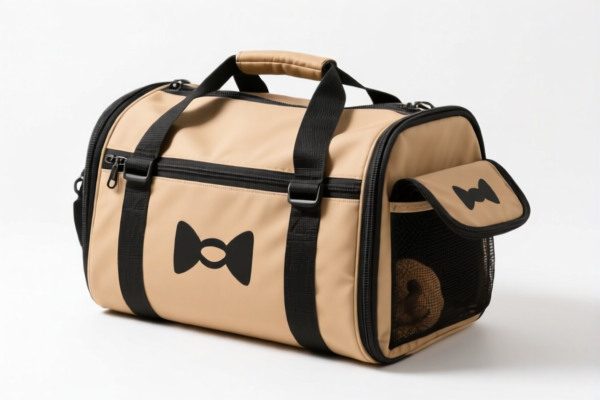
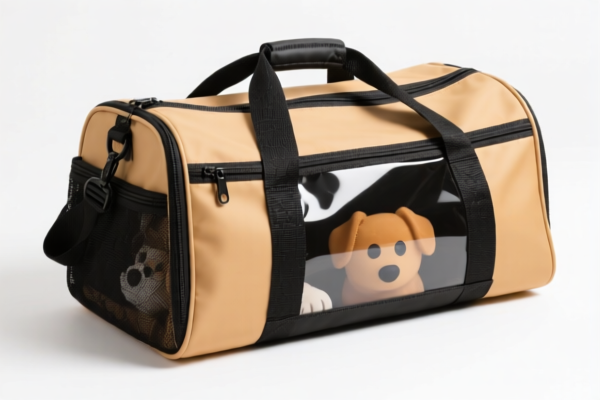
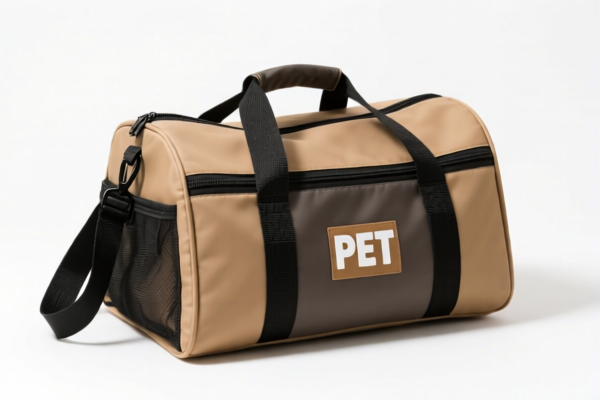
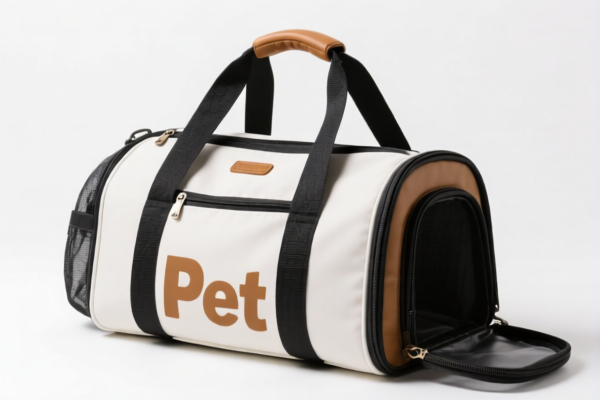
AI分析
🐶 Pet Feeding Bags (Pet Food Packaging & Waste Bags)
🌐 HS Code Reference & Customs Clearance Guide | 2026 Latest Tariff Analysis | Professional Level Strategy
📌 I. Product Definition & Classification: Do You Really Know "Pet Feeding Bags"?
In international trade, "Pet Feeding Bags" is a broad term that encompasses two distinct categories of goods, leading to different HS Code classifications and tax implications. Accurate classification depends entirely on material composition and specific usage.
1. Pet Food Packaging Bags (Sacks/Pouches)
These are bags specifically designed to hold pet food (dry or wet). They are classified as packaging containers for goods.
Key Material: Usually Plastic (Polyethylene/Polypropylene laminates) or Paper.
Function: Containment and protection of food products.
2. Pet Waste/Scat Bags
These are small, thin bags (often on rolls) used for cleaning up pet excrement. They are classified as other plastic/paper articles or packaging containers for waste.
Key Material: Plastic (LDPE/HDPE) or Paper.
Function: Hygiene and waste disposal.
⚠️ Critical Distinction Point:
- If the bag is a sealed pouch/sack for food (e.g., a 15lb bag of kibble) → It is a Packaging Container.
- If the bag is a thin, disposable film for waste (e.g., Poop Bags) → It is often classified as a Plastic Article or Other Packaging.
- Misclassification Risk: Declaring Poop Bags as "Food Packaging" or vice versa can lead to customs delays or incorrect duty calculations.
📦 II. HS Code Classification Details (2026 Latest Tariff Authoritative Comparison)
| HS Code | Product Description | Applicable Scenario | Material Inference |
|---|---|---|---|
3923.21.00.95 |
Pet Food Bags (Plastic) Shape: Bag; Material: Vinyl/Polymer/Plastic Use: Packaging for goods (Food) |
Large sacks or pouches containing dry/wet pet food. | ✅ Plastic (Polymer) |
3926.90.10.00 |
Pet Waste Bag Packs (Plastic) Material: Plastic Shape: Other plastic articles |
Rolls of thin disposable bags for pet waste. | ✅ Plastic |
3926.90.99.89 |
Pet Waste Bag Packs (Plastic) Material: Plastic Shape: Finished consumer goods |
Disposable plastic bags for waste (Fallback category for consumer goods). | ✅ Plastic |
4819.50.40.20 |
Pet Waste Bag Packs (Paper) Material: Paper/Cardboard/Cellulose Shape: Bag Use: Other packaging containers |
Eco-friendly biodegradable waste bags made of paper. | ✅ Paper/Cardboard |
4819.50.40.40 |
Pet Waste Bag Packs (Mixed/General) Material: Plastic or Paper inferred Shape: Container for waste |
General packaging containers for waste, material ambiguous or mixed. | ⚠️ Plastic OR Paper |
🔍 Key Reminder:
- Plastic Food Bags (3923.21...) are treated as Packaging Goods.
- Plastic Waste Bags (3926.90...) are often treated as Plastic Articles/Consumer Goods, which can have different duty structures than dedicated packaging.
- Paper Bags (4819.50...) are classified under paper products, typically subject to different base rates.
💰 III. 2026 Latest Tariff Rate Breakdown (Including Surtaxes & Policy Add-ons)
✅ Applicable Country: United States (US)
✅ Country of Origin: China (CN)
✅ Effective Date: 2025 November 10 onwards (for subsequent imports)
🎯 1. 3923.21.00.95 —— Pet Food Bags (Plastic Packaging)
| Item | Content |
|---|---|
| Base Tariff | 3.0% (ad valorem) |
| Section 301 Surtax | +25.0% (From USITC Footnote 9903.88.01) |
| Section 122 Surtax | +10.0% (Against China/HK products, effective Nov 10, 2025) |
| Total Tax Rate | 38.0% |
| Tax Calculation | CIF Value × 38.0% |
| De Minimis Eligibility | ❌ No (deny_de_minimis) |
| Legal Basis Path | IEEPA:9903.01.25 → IEEPA:9903.01.24 → USITC:3923.21.00.95 → FOOTNOTE:9903.88.01 |
📌 Explanation:
- The 3.0% base rate applies to plastic sacks and bags.
- The 25% Section 301 tariff is the major cost driver for Chinese plastic packaging.
- The 10% Section 122 tariff is a new/additional layer targeting specific categories.
- Total 38% is a high cost for lightweight packaging. Precision in declaration (e.g., specifying "Pet Food" vs. "General Goods") is crucial to avoid being misclassified into higher-bracket consumer plastics.
🎯 2. 3926.90.10.00 —— Pet Waste Bag Packs (Plastic Articles)
| Item | Content |
|---|---|
| Base Tariff | 3.4% (ad valorem) |
| Section 301 Surtax | +7.5% (Specific subheading rate) |
| Section 122 Surtax | +10.0% |
| Total Tax Rate | 20.9% |
| Tax Calculation | CIF Value × 20.9% |
| De Minimis Eligibility | ❌ No (deny_de_minimis) |
| Legal Basis Path | IEEPA:9901.25 → IEEPA:9903.01.24 → USITC:3926.90.10.00 → FOOTNOTE:9903.88.01 |
📌 Note:
- This code classifies waste bags as "Other Plastic Articles" rather than "Packaging."
- The Section 301 rate is lower (7.5% vs 25%), making this a potentially more cost-effective classification if the product fits the definition of "Other Plastic Articles" and not "Packaging for Goods."
- Caution: Customs may challenge this if the bags are marketed specifically as food packaging. It must be clearly for waste/hygiene.
🎯 3. 3926.90.99.89 —— Pet Waste Bag Packs (Plastic Consumer Goods)
| Item | Content |
|---|---|
| Base Tariff | 5.3% (ad valorem) |
| Section 301 Surtax | +7.5% |
| Section 122 Surtax | +10.0% |
| Total Tax Rate | 22.8% |
| Tax Calculation | CIF Value × 22.8% |
| De Minimis Eligibility | ❌ No (deny_de_minimis) |
| Legal Basis Path | IEEPA:9903.01.25 → IEEPA:9903.01.24 → USITC:3926.90.99.89 → FOOTNOTE:9903.88.01 |
📌 Note:
- Similar to above, but a "fallback" category for finished plastic consumer goods.
- Total 22.8% is slightly higher than3926.90.10.00but significantly lower than the 38% for food packaging bags.
- Use this if the product is a finished retail pack of waste bags and doesn't fit the specific "article" definition of the previous code.
🎯 4. 4819.50.40.20 —— Pet Waste Bag Packs (Paper)
| Item | Content |
|---|---|
| Base Tariff | 0.0% (ad valorem) |
| Section 301 Surtax | +25.0% |
| Section 122 Surtax | +10.0% |
| Total Tax Rate | 35.0% |
| Tax Calculation | CIF Value × 35.0% |
| De Minimis Eligibility | ❌ No (deny_de_minimis) |
| Legal Basis Path | IEEPA:9903.01.25 → IEEPA:9903.01.24 → USITC:4819.50.40.20 → FOOTNOTE:9903.88.01 |
📌 Note:
- Even though the base rate is 0%, the 25% Section 301 tariff makes it expensive.
- Total 35% is comparable to plastic food bags (38%) but slightly better.
- Eco-Friendly Trend: If your product is truly biodegradable paper, this is the correct code. Ensure you have certification to prove it is not plastic.
🎯 5. 4819.50.40.40 —— Pet Waste Bag Packs (General Packaging)
| Item | Content |
|---|---|
| Base Tariff | 0.0% (ad valorem) |
| Section 301 Surtax | +25.0% |
| Section 122 Surtax | +10.0% |
| Total Tax Rate | 35.0% |
| Tax Calculation | CIF Value × 35.0% |
| De Minimis Eligibility | ❌ No (deny_de_minimis) |
| Legal Basis Path | IEEPA:9903.01.25 → IEEPA:9903.01.24 → USITC:4819.50.40.40 → FOOTNOTE:9903.88.01 |
📌 Note:
- This is a "catch-all" for packaging containers where material might be ambiguous or mixed (e.g., paper with a thin plastic lining).
- Same tax burden as the pure paper code.
🛠️ IV. Customs Clearance Practical Advice (Battle-Tested Pitfall Guide)
✅ 1. Documentation Checklist (All Required)
| Document | Must Provide | Description |
|---|---|---|
| ✅ Product Specification Sheet | ✔️ | Must specify: Material (Plastic/Paper), Weight per bag, Total quantity, Dimensions. |
| ✅ Product Photos | ✔️ | Clear images of the product, packaging, and any labels (e.g., "Biodegradable," "For Pet Waste Only"). |
| ✅ Commercial Invoice | ✔️ | Must accurately describe the goods: e.g., "Plastic Pet Food Sack" vs. "Disposable Pet Waste Bags." Do not use vague terms like "Bag". |
| ✅ Bill of Lading | ✔️ | Consistent with invoice description. |
| ✅ Material Certificate (for Paper) | ✔️ | If claiming 4819 codes, provide proof of cellulose/paper content to avoid being classified as plastic. |
| ✅ Origin Certificate | ✔️ | To confirm Country of Origin (China) for tariff application. |
✅ 2. Declaration Tips (Critical Keywords)
🔥 "Material Defines Code, Use Defines Rate. Be Specific, Be Safe!"
| Scenario | Correct Declaration | Incorrect Declaration |
|---|---|---|
| Pet Food Pouch | "Plastic Pet Food Packaging Bag, Polyethylene, 15kg Capacity" | "Plastic Bag" (Too vague) |
| Poop Bags | "Disposable Pet Waste Bag, Plastic Film, Roll, 100pcs" | "Pet Toy" or "Food Container" |
| Biodegradable Bags | "Pet Waste Bag, Paper/Cellulose, Biodegradable, Certified" | "Plastic Bag" (If it's paper, this is fraud) |
| Mixed Material | "Composite Packaging Bag, Paper with Plastic Lining" | "Plastic Bag" (Risk of reclassification) |
✅ 3. Special Handling for Specific Situations
| Situation | Recommendation |
|---|---|
| OEM Custom Printed Bags | Include the print design in the declaration if it adds significant value. Ensure the design doesn't trigger "Textile" or "Article of Apparel" classification errors. |
| "Biodegradable" Claims | High Risk. US Customs (CBP) strictly scrutinizes "biodegradable" claims. If it contains more than a negligible amount of plastic, it MUST be classified under 39xx. Mislabeling can lead to seizure. |
| Bulk vs. Retail | If importing bulk rolls of waste bags vs. pre-packaged retail boxes, the HS code might differ. Bulk rolls often fall under 3926 (Articles), while packaged retail kits might be considered "Sets" or specific consumer goods. |
| Food Contact Compliance | For Pet Food Bags (3923), ensure you can prove compliance with FDA food contact standards if requested. Lack of proof can delay clearance. |
🌍 V. Global Market Comparison for Pet Bags (2026 Latest)
| Country/Region | Recommended HS Code | Estimated Total Duty (China Origin) | Key Certification | Notes |
|---|---|---|---|---|
| 🇺🇸 USA | 3923.21.00.95 (Food) / 3926.90 (Waste) |
20.9% - 38.0% | FDA (Food Contact), Prop 65 | Highest Surtaxes. Section 301 & 122 apply. |
| 🇨🇳 China | 3923.21 / 3926.90 |
Low (~3-6%) | None specific for import | No Section 301. Good for domestic sales. |
| 🇪🇺 EU | 3923.21 / 3926.90 |
~6.5% | REACH, RoHS, CE (if applicable) | No Section 301. Stricter environmental laws (Plastic Tax). |
| 🇬🇧 UK | 3923.21 / 3926.90 |
~6.5% | UKCA, REACH | Post-Brexit rules. Similar to EU. |
| 🇦🇺 Australia | 3923.21 / 3926.90 |
~5% | RCM | No Section 301. |
📌 Conclusion:
- The US is the most expensive market for pet bags due to the叠加 (stacking) of Base Tariff + Section 301 + Section 122.
- Cost Optimization: If possible, classify waste bags as3926.90(20.9%) rather than3923.21(38%) if the product definition allows.
- Material Choice: Paper bags (4819) have 0% base but 25% surtax, totaling 35%. This is better than food bags but worse than waste bags. Ensure the material is 100% compliant to use this code.
📌 VI. Common Errors & Pitfalls (Lessons Learned)
❌ Error 1: Declaring "Pet Waste Bags" as "Pet Food Bags"
👉 Consequence: You might underpay duties (if 3923 is 38% and 3926 is 20.9%, this is the opposite risk). Wait, actually:
👉 Correction: If you declare Waste Bags as Food Bags (3923.21.00.95), you pay 38%. If you correctly declare them as Waste Bags (3926.90.10.00), you pay 20.9%.
👉 Risk: If you intentionally misdeclare to save money, you risk fraud penalties. If you mistakenly declare Food Bags as Waste Bags, you pay less but face audit and back-taxes.
👉 Best Practice: Be honest. Use the correct code for the actual use.
❌ Error 2: Calling "Plastic Liner Paper Bags" "Paper Bags"
👉 Consequence: CBP will inspect and find the plastic layer. They will reclassify to 39xx (Plastic) and apply 25% Section 301 on the whole value, plus penalties.
👉 Result: Higher duty and fines.
❌ Error 3: Vague Description "Bag"
👉 Consequence: Customs will assign a default duty rate, often the highest possible, or hold the shipment for further inquiry.
👉 Result: Delays of weeks, demurrage charges.
✅ Correct Approach:
"Pet Waste Bags, 100% Plastic (LDPE), Roll Format, 100 Count per Box, For Use in Pet Hygiene."
vs.
"Pet Food Storage Bag, Multi-Layer Polyethylene, Heat Sealed, 5kg Capacity."
🎯 VII. Conclusion: Precision Classification Saves Money
🎯 Remember the Mantra:
🔹 "Plastic Waste is Cheaper (20.9%), Plastic Food is Expensive (38%). Paper is Middle (35%). Be Specific!"
🔹 "HS Code is Law. Misclassification is Expensive. Declarations must match Reality."
📌 Pro Tip:
If your products are sourced from Vietnam or Thailand, you can claim IEEPA Exemptions, reducing tariffs to 0-5%.
Consider Advance Ruling (APA) from US CBP for large shipments to ensure classification stability.
📣 Immediate Action:
📞 Consult a licensed Customs Broker.
📸 Provide High-Res Photos + Material Specs.
🚀 Classify Correctly, Clear Faster, Protect Margins.
✨ Professional Clearance Starts with Accurate Classification!
💼 Every Percentage Point of Duty is a Point of Profit!
用户评价
关于 HS 编码归类
协调制度(HS)是由世界海关组织(WCO)制定的国际贸易商品分类标准。全球 200 多个国家采用 HS 系统作为海关关税、贸易统计和进出口监管的基础。
每个 HS 编码遵循以下层级结构:
- 章(2 位)——商品大类(例如:第 84 章:机器和机械设备)
- 品目(4 位)——章内的更具体分类
- 子目(6 位)——国际通用细分,所有 WCO 成员国统一使用
- 本国细分(8-10 位)——各国自行扩展的细分编码,如美国 HTSUS 10 位编码
正确的 HS 编码归类对于顺利通关、准确缴纳关税和遵守贸易法规至关重要。错误归类可能导致海关延误、多缴关税或罚款。
从CN进口到US时,适用的关税税率可能包括:
- 最惠国(MFN)税率——适用于 WTO 成员国的标准关税税率
- 普通税率——适用于无贸易协定国家
- 贸易救济关税——附加关税,如 301 条款(反倾销)、232 条款(国家安全)或反补贴税
本页内容仅供参考。如需正式归类,请咨询当地海关或持牌报关代理。