pharmaceutical sludge
CN → US| HS编码 | 关税税率 | 原产国 | 目的国 | 文档 |
|---|---|---|---|---|
| 3825200000 | 17.5% | CN | US | 官方文档 |
| 3825610000 | 35.0% | CN | US | 官方文档 |
| 2530908050 | 10.0% | CN | US | 官方文档 |
| 2530908015 | 10.0% | CN | US | 官方文档 |
| 3101000000 | 35.0% | CN | US | 官方文档 |
商品图片
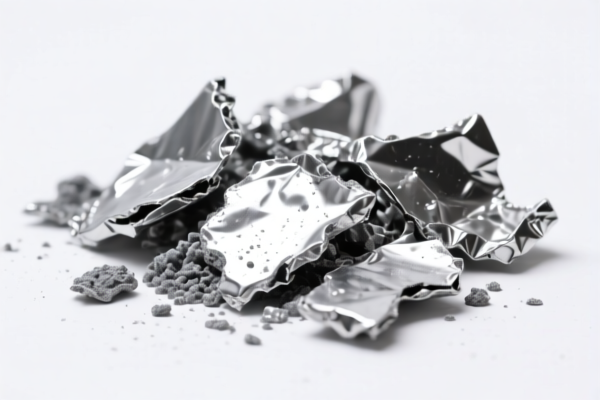
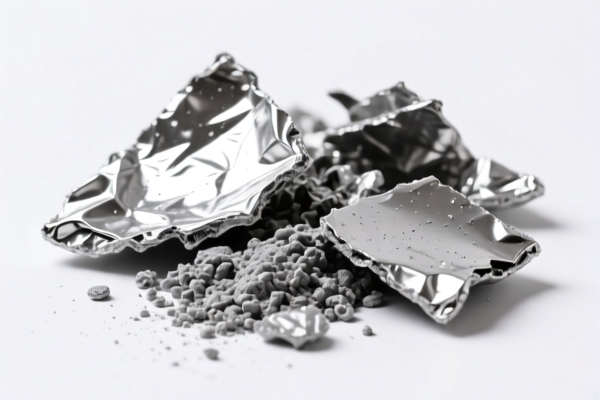
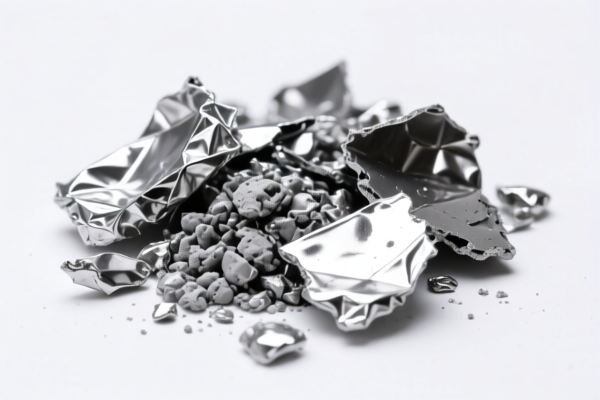
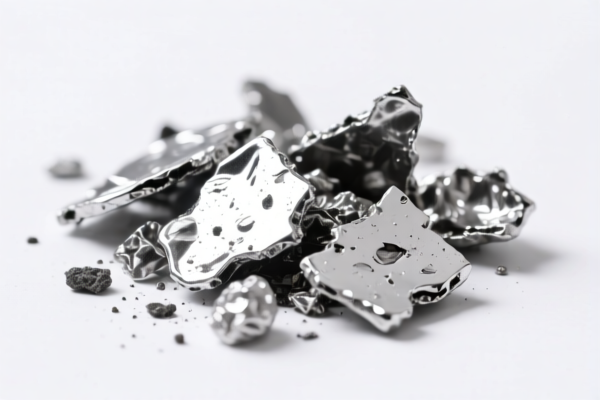
AI分析
💊 Pharmaceutical Sludge: HS Code Classification & Customs Clearance Guide (2026)
🌐 HS Code Reference & Customs Clearance Strategy | 2026 Updated Tariff Analysis | Professional Compliance Guide
📌 I. Product Definition & Classification: What Exactly is "Pharmaceutical Sludge"?
Pharmaceutical Sludge refers to the waste by-products generated during the manufacturing, purification, or formulation processes in the pharmaceutical industry. In international trade, its classification is complex because it straddles the line between chemical waste, organic fertilizer, and mineral residue.
The core challenge lies in its ultimate use and chemical composition. Is it hazardous waste? Is it recyclable as fertilizer? Or is it just a generic mineral residue?
⚠️ Key Classification Points:
- If it is wet sewage sludge from wastewater treatment → Likely 3825.20.00.00
- If it is solid chemical/industrial waste residue → Likely 3825.61.00.00
- If it is dried/mineral-rich organic matter → Likely 2530.90.80.50 or 2530.90.80.15
- If treated specifically as bio-fertilizer → Likely 3101.00.00.00
📦 II. HS Code Classification Details (2026 Latest Tariff Authority Match)
Based on the provided data, here are the five potential HS Code classifications for Pharmaceutical Sludge, along with their specific tax implications.
| HS Code | Product Description & Logic | Total Tax Rate (US) | Tax Breakdown |
|---|---|---|---|
3825.20.00.00 |
Sewage Sludge from Wastewater Treatment Plants Logic: Regarded as sewer sludge, consistent with pharmaceutical waste in nature/usage. |
17.5% | Base: 0% Sec 301: 7.5% Sec 122: 10% |
3825.61.00.00 |
Chemical or Related Industrial Waste Logic: Fits the specific definition of chemical industry waste/residue. |
35.0% | Base: 0% Sec 301: 25.0% Sec 122: 10% |
2530.90.80.50 |
Unspecified Mineral/Organic Residue Logic: Classified as a mineral or organic residue, fitting "unspecified mineral/substance" definitions. |
10.0% | Base: 0% Sec 301: 0% Sec 122: 10% |
2530.90.80.15 |
Other Mineral Substances/Pigments Logic: Falls under the "catch-all" category for mineral or organic残渣 (residues). |
10.0% | Base: 0% Sec 301: 0% Sec 122: 10% |
3101.00.00.00 |
Animal or Vegetable Fertilizers Logic: Treated organic waste, suitable for agricultural use as fertilizer. |
35.0% | Base: 0% Sec 301: 25.0% Sec 122: 10% |
🔍 Critical Note:
- The Tax Rate varies drastically from 10% to 35% depending on the interpretation of the sludge's physical state (wet vs. dry) and chemical nature (hazardous waste vs. fertilizer).
- Sec 122 Tariff (10%) applies to ALL categories listed above.
- Sec 301 Tariff (US Trade Act) is the main differentiator: 7.5% for sewage sludge, 25% for chemical waste/fertilizer, and 0% for mineral residues.
💰 III. Detailed Tax Rate Breakdown (2026 Latest Policy)
✅ Applicable Country: United States (US)
✅ Origin: China (CN)
✅ Effective Date: Current policies including Sec 301 and Sec 122 additions
🎯 1. 3825.20.00.00 —— Sewage Sludge from Wastewater Treatment Plants
| Item | Content |
|---|---|
| Base Rate | 0% (ad valorem) |
| USITC Additional Duty (Sec 301) | +7.5% |
| Sec 122 Duty | +10% |
| Total Rate | 17.5% |
| Calculation | CIF Value × 17.5% |
| De Minimis Exemption | ❌ No (High risk of scrutiny for waste products) |
📌 Explanation:
- This is the most favorable classification if the sludge is clearly identified as wet sewage sludge from wastewater treatment.
- The Sec 301 rate is only 7.5%, significantly lower than other waste categories.
🎯 2. 3825.61.00.00 —— Chemical or Related Industrial Waste
| Item | Content |
|---|---|
| Base Rate | 0% |
| USITC Additional Duty (Sec 301) | +25% |
| Sec 122 Duty | +10% |
| Total Rate | 35.0% |
| Calculation | CIF Value × 35.0% |
| De Minimis Exemption | ❌ No |
📌 Explanation:
- This is the standard classification for most pharmaceutical manufacturing waste.
- High tax burden due to 25% Sec 301 tariff on chemical waste.
🎯 3. 2530.90.80.50 & 2530.90.80.15 —— Mineral/Organic Residue (Catch-All)
| Item | Content |
|---|---|
| Base Rate | 0% |
| USITC Additional Duty (Sec 301) | 0% |
| Sec 122 Duty | +10% |
| Total Rate | 10.0% |
| Calculation | CIF Value × 10.0% |
| De Minimis Exemption | ❌ No (High risk of rejection for "waste" appearance) |
📌 Explanation:
- Lowest Tax Rate (10%).
- High Risk: Requires proof that the sludge is mineral-rich or organic residue suitable for industrial/mineral applications, NOT just "pharmaceutical waste."
- Must avoid being classified as "hazardous waste" under 3825.
🎯 4. 3101.00.00.00 —— Animal or Vegetable Fertilizers
| Item | Content |
|---|---|
| Base Rate | 0% |
| USITC Additional Duty (Sec 301) | +25% |
| Sec 122 Duty | +10% |
| Total Rate | 35.0% |
| Calculation | CIF Value × 35.0% |
| De Minimis Exemption | ❌ No |
📌 Explanation:
- Only applicable if the sludge is processed, dried, and certified as an organic fertilizer.
- High tax rate (35%) makes this economically unviable unless the product value is very high or subsidized.
🛠️ IV. Customs Clearance Practical Advice (Pitfall Avoidance Guide)
✅ 1. Required Documentation Checklist
| Document | Mandatory? | Notes |
|---|---|---|
| ✅ Product Specification Sheet | ✔️ | Must detail composition, moisture content, and processing method. |
| ✅ Chemical Analysis Report | ✔️ | Critical to prove if it's "mineral residue" (for 10% rate) or "chemical waste" (for 35%). |
| ✅ MSDS (Material Safety Data Sheet) | ✔️ | To determine if it's hazardous. Hazardous waste faces stricter scrutiny. |
| ✅ Environmental Impact Report | ✔️ | Proves if the sludge is non-toxic and safe for disposal/recycling. |
| ✅ Commercial Invoice | ✔️ | Clearly describe as "Pharmaceutical Organic Residue" or "Sewage Sludge," avoid vague terms like "Waste." |
| ✅ Certificate of Origin | ✔️ | Required for Sec 301 application. |
✅ 2. Declaration Strategy (Key Tips)
🔥 "Character Determines Code, Code Determines Cost!"
| Scenario | Correct HS Code | Wrong Approach | Consequence |
|---|---|---|---|
| Wet Sludge from WWTP | 3825.20.00.00 |
Declared as "Chemical Waste" | Pay 35% instead of 17.5% |
| Dry, Mineral-Rich Residue | 2530.90.80.50/15 |
Declared as "Fertilizer" | Pay 35% instead of 10% |
| Standard Pharma Waste | 3825.61.00.00 |
Declared as "Mineral" (without proof) | Customs seizure + fines for misclassification |
| Certified Organic Fertilizer | 3101.00.00.00 |
Declared as "Sludge" | High tax (35%), regulatory delays |
📌 Key Advice:
- Do NOT use the word "Waste" in the commercial invoice if possible. Use terms like "Organic Residue," "Processed Sludge," or "Industrial By-Product."
- Do NOT declare as "Fertilizer" unless you have full certification. If rejected, it will be reclassified as waste (35% tax).
- Do NOT under-declare value. Customs audits for pharmaceutical waste are common.
✅ 3. Special Cases & Handling
| Case | Handling Suggestion |
|---|---|
| Mixed Composition | Provide detailed lab reports. If >50% is organic, argue for 2530 category. |
| Hazardous Waste | If classified as hazardous, additional EPA regulations apply. Ensure all permits are in place. |
| Small Quantity Samples | Even small quantities are subject to full tariffs. De Minimis (800 USD) exemption does NOT apply to waste/residue categories in most cases. |
| Re-export | If the sludge is for re-export, consider transshipment options, but US import tax still applies at entry. |
🌍 V. Global Customs Comparison (2026 Update)
| Country/Region | Recommended HS Code | Tax Rate | Key Requirement | Notes |
|---|---|---|---|---|
| 🇺🇸 USA | 3825.20.00.00 (Best Case) |
17.5% | MSDS, Environmental Report | High scrutiny on "Waste" classification. |
| 🇨🇳 China | 3825.61.00.00 |
Varies | Import License for Waste | Strict restrictions on imported waste. |
| 🇪🇺 EU | 3825.61.00.00 |
Varies | EWC Code + TIR Carnet | Basel Convention applies. Strict environmental controls. |
| 🇯🇵 Japan | 3825.61.00.00 |
0-5% | PSIA Permit | Requires pre-import notification. |
📌 Conclusion:
- USA is the most cost-sensitive market due to Sec 301 tariffs.
- Choosing the right HS Code (e.g., 3825.20 vs 3825.61) saves 17.5% in taxes.
- EU and Japan focus more on environmental compliance than just tariff rates.
📌 VI. Common Mistakes & Pitfalls (Lessons Learned)
❌ Mistake 1: Declaring all sludge as 3101.00.00.00 (Fertilizer)
👉 Result: Customs rejects it as "unqualified fertilizer," reclassifies to 3825.61.00.00 (35% tax) + fines.
❌ Mistake 2: Not providing MSDS
👉 Result: Cargo held at port for hazardous material testing, causing storage fees and delays.
❌ Mistake 3: Using "Waste" in the invoice
👉 Result: Triggers anti-dumping or environmental inspections. Use "Organic Residue" instead.
❌ Mistake 4: Assuming De Minimis applies
👉 Result: Even samples of sludge/residue are fully taxable and not exempt under Section 321 (De Minimis).
✅ Correct Approach:
"Pharmaceutical Organic Residue (Dry), Processed, Non-Hazardous, For Industrial Reuse, Model XYZ, Certified by Lab ABC"
🎯 VII. Conclusion: Professional Classification, Cost Optimization!
🎯 Remember This Rule:
🔹 "Wet Sludge = 17.5%, Dry Waste = 35%, Mineral Residue = 10% (Riskier)"
🔹 "HS Code is Life or Death for Pharma Waste, a 25% difference changes the profit margin!"
📌 Pro Tip:
If your pharmaceutical sludge is mineral-rich, strive to prove its classification under 2530.90.80.50/15 for the 10% tax rate.
If it is standard organic waste, stick to 3825.20.00.00 (17.5%) if it can be argued as sewage sludge, otherwise 3825.61.00.00 (35%).
Always get a Pre-Ruling (Advance Ruling) from US CBP before shipping large volumes to avoid costly reclassification penalties.
📣 Immediate Action:
📞 Consult with a Customs Broker + Provide Lab Reports + Apply for Pre-Ruling
🚀 Ensure Smooth Clearance, Minimize Tax, Maximize Efficiency!
✨ Professional Customs Compliance Starts with Accurate Classification!
💼 Every Dollar Saved in Tax is Pure Profit!
用户评价
关于 HS 编码归类
协调制度(HS)是由世界海关组织(WCO)制定的国际贸易商品分类标准。全球 200 多个国家采用 HS 系统作为海关关税、贸易统计和进出口监管的基础。
每个 HS 编码遵循以下层级结构:
- 章(2 位)——商品大类(例如:第 84 章:机器和机械设备)
- 品目(4 位)——章内的更具体分类
- 子目(6 位)——国际通用细分,所有 WCO 成员国统一使用
- 本国细分(8-10 位)——各国自行扩展的细分编码,如美国 HTSUS 10 位编码
正确的 HS 编码归类对于顺利通关、准确缴纳关税和遵守贸易法规至关重要。错误归类可能导致海关延误、多缴关税或罚款。
从CN进口到US时,适用的关税税率可能包括:
- 最惠国(MFN)税率——适用于 WTO 成员国的标准关税税率
- 普通税率——适用于无贸易协定国家
- 贸易救济关税——附加关税,如 301 条款(反倾销)、232 条款(国家安全)或反补贴税
本页内容仅供参考。如需正式归类,请咨询当地海关或持牌报关代理。