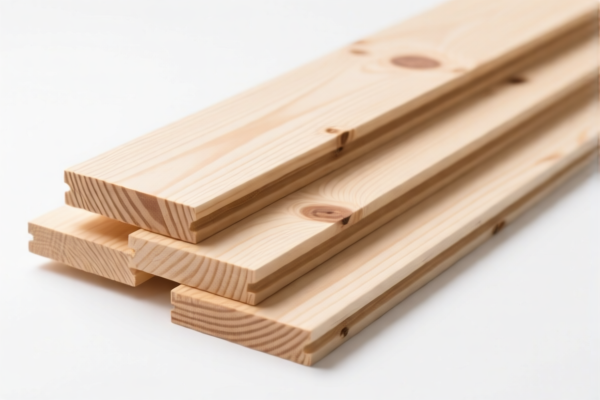
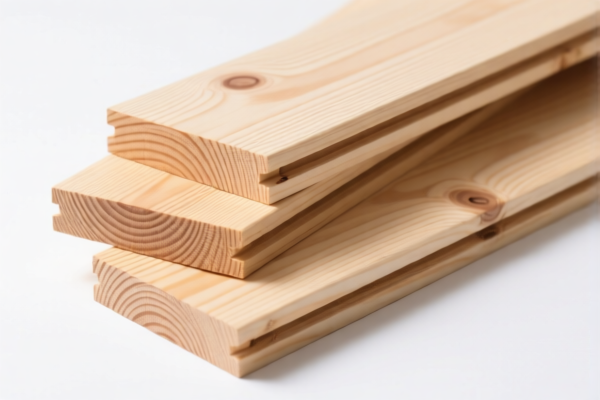
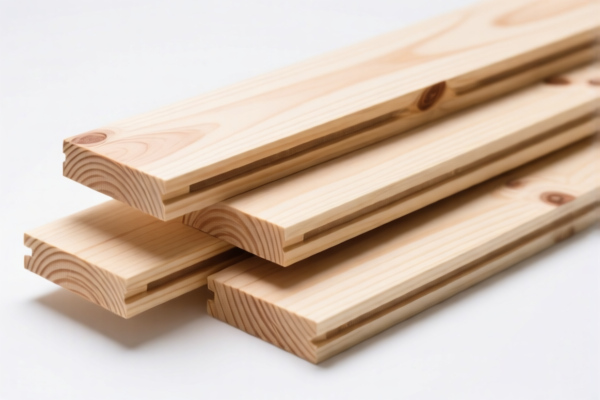
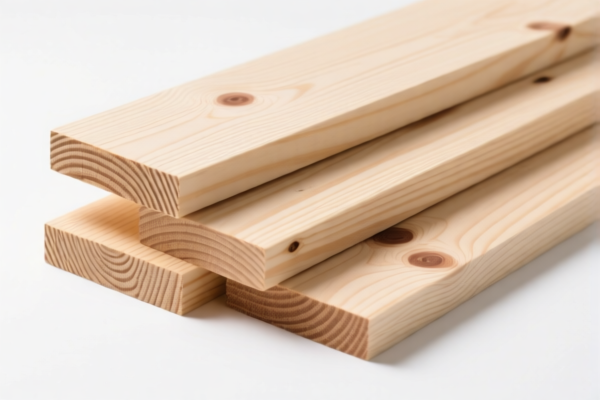
pine finger jointed board
CN → US| HS编码 | 关税税率 | 原产国 | 目的国 | 文档 |
|---|---|---|---|---|
| 4409290655 | 38.2% | CN | US | 官方文档 |
| 9403910080 | 35.0% | CN | US | 官方文档 |
| 4409100500 | 38.2% | CN | US | 官方文档 |
| 4407190001 | 35.0% | CN | US | 官方文档 |
| 4407110001 | 35.0% | CN | US | 官方文档 |
商品图片
AI分析
🪵 Pine Finger Jointed Board (FJB)
🌐 HS Code Reference & Customs Clearance Guide | 2026 Latest Tariff Analysis | Strategic Clearance Strategy
📌 1. Product Definition and Classification: Do You Really Understand "Pine Finger Jointed Board"?
Pine Finger Jointed Board (FJB), also known as Finger-Jointed Lumber, is a type of engineered wood product made by cutting the ends of short pieces of pine wood into interlocking "finger" shapes and gluing them together to form longer boards. This process minimizes waste and utilizes smaller diameter trees efficiently.
In international trade, the classification of FJB depends heavily on three critical factors: 1. Wood Species: Is it Coniferous (Softwood/Pine) or Non-Coniferous (Hardwood)? Note: The data provided in includes both Pine (Coniferous) and Non-Pine (Non-Coniferous) classifications for strategic comparison, although the input specifically asks for "Pine." 2. Processing State: Is it merely sawn (Chapter 44.07) or profiled/jointed (Chapter 44.09)? 3. End Use: Is it for pallets, flooring, or furniture parts?
⚠️ Key Distinction:
- If the board is sawn longitudinally but not finger-jointed (straight grain, no joints), it may fall under 4407.19 or 4407.11.
- If the board is finger-jointed (profiled at ends), it generally falls under 4409 (Continuously Shaped along its Length).
- Crucial Note on the Provided Data: The content provided includes HS codes for Non-Coniferous (4409.29) and Coniferous (4409.10) woods, as well as some Sawn boards (4407.xx) and Furniture Parts (9403.91). This implies that while the user input is "Pine" (Coniferous), the provided dataset serves as a comparative risk assessment, showing how misclassification between Pine/Non-Pine or Sawn/Jointed leads to different tax outcomes.
📦 2. HS Code Classification Details (Based on Provided )
The following table maps the "Pine Finger Jointed Board" scenarios to the specific HS codes and tax rates found in the input. Please note that Pine is a Coniferous Wood, so codes under 4409.10 and 4407.1x are the most technically accurate for Pine, while 4409.29 applies if the wood is not Pine (e.g., Oak, Maple).
| HS Code | Product Description (From Data) | Applicable Scenario | Wood Type | Processing State |
|---|---|---|---|---|
4409.10.05.00 |
Finger Jointed Board for Pallets, Matching Coniferous Wood End-Continuous Forming Features | Primary Match for Pine | Coniferous (Pine) | Finger-Jointed (Profiled) |
4409.29.06.55 |
Finger Jointed Board for Pallets, Matching Non-Coniferous Wood Material | Non-Coniferous (e.g., Hardwood) | Non-Coniferous | Finger-Jointed (Profiled) |
4407.19.00.01 |
Finger Jointed Board, Matching Wood Material and Form, Consistent Use | Sawn Pine Boards (Non-Jointed) | Coniferous | Sawn Only |
4407.11.00.01 |
Finger Jointed Board, Corresponding to Finger-Joint Form and Longitudinal Sawing | Sawn Pine Boards (Non-Jointed) | Coniferous | Sawn Only |
9403.91.00.80 |
Finger Jointed Board, As a Component of Wooden Furniture Parts | Furniture Components | Any Wood | Finished Part |
🔍 Critical Analysis of the Data: - 4409.10.05.00 is the most accurate HS code for Pine finger-jointed boards because Pine is a coniferous wood (softwood), and 4409 covers wood shaped continuously along its length (including finger joints). - 4409.29.06.55 applies to Non-Coniferous wood. If you misdeclare Pine as Non-Coniferous, you risk a customs valuation error, but the tax rate is similar (38.2%). - 4407.19/11 codes suggest the board might be classified as "Sawn" rather than "Jointed" if the finger joints are not considered "continuous shaping" by certain customs authorities, or if the description emphasizes the longitudinal sawing. However, finger-jointing typically falls under 4409. - 9403.91 is for parts of furniture. If the FJB is already cut and glued into a finished furniture part (e.g., a table leg or chair frame), it falls here, not under raw lumber.
💰 3. 2026 Latest Tariff Rate Details (Including Surcharges)
✅ Applicable Country: United States (US)
✅ Country of Origin: China (CN) (Implied by the specific tax structure)
✅ Effective Date: Current rates as per
🎯 1. 4409.10.05.00 — Pine Finger Jointed Board (Coniferous)
| Item | Content |
|---|---|
| Base Tariff | 3.2% (ad valorem) |
| Additional Tariff (Section 301) | +25.0% |
| Section 122 Tariff | +10.0% |
| Total Tariff Rate | 38.2% |
| Tax Calculation | CIF Value × 38.2% |
| De Minimis Eligibility | ❌ No |
| Legal Basis Path | HTSUS:4409.10.05.00 → Section 301: 25% → Section 122: 10% |
📌 Explanation:
- Base Rate (3.2%): Standard Most Favored Nation (MFN) rate for shaped softwood lumber. - Section 301 (25%): Additional duty imposed on Chinese-origin goods. - Section 122 (10%): Specific additional duty mentioned in the data, likely related to recent trade measures or specific product exclusions. - Total (38.2%): This is the standard rate for Pine Finger Jointed Boards if correctly classified as shaped softwood.
🎯 2. 4409.29.06.55 — Non-Coniferous Finger Jointed Board
| Item | Content |
|---|---|
| Base Tariff | 3.2% |
| Additional Tariff (Section 301) | +25.0% |
| Section 122 Tariff | +10.0% |
| Total Tariff Rate | 38.2% |
| Tax Calculation | CIF Value × 38.2% |
| De Minimis Eligibility | ❌ No |
📌 Note: The tax rate is identical to Pine. However, misclassifying Pine as Non-Coniferous could lead to inspection issues if the wood species is verified.
🎯 3. 4407.19.00.01 & 4407.11.00.01 — Sawn Pine Boards (Non-Jointed or Misclassified)
| Item | Content |
|---|---|
| Base Tariff | 0.0% |
| Additional Tariff (Section 301) | +25.0% |
| Section 122 Tariff | +10.0% |
| Total Tariff Rate | 35.0% |
| Tax Calculation | CIF Value × 35.0% |
| De Minimis Eligibility | ❌ No |
📌 Comparison:
- If the board is classified as Sawn (4407) instead of Shaped/Jointed (4409), the base tariff drops from 3.2% to 0%.
- Total Savings: 3.2% difference.
- Risk: If the product is truly finger-jointed, classifying it as 4407 (Sawn) is incorrect and may lead to penalties, seizure, or forced reclassification with back-taxes.
🎯 4. 9403.91.00.80 — Wooden Furniture Parts
| Item | Content |
|---|---|
| Base Tariff | 0.0% |
| Additional Tariff (Section 301) | +25.0% |
| Section 122 Tariff | +10.0% |
| Total Tariff Rate | 35.0% |
| Tax Calculation | CIF Value × 35.0% |
| De Minimis Eligibility | ❌ No |
📌 Strategy: If the FJB is sold as a finished furniture part (e.g., a pre-assembled shelf unit or chair component), it may qualify for the lower 35.0% rate. However, if it is sold as raw lumber (long planks ready for assembly), it must be classified under 4409 (38.2%).
🛠️ 4. Customs Clearance Practical Advice (Avoid Pitfalls)
✅ 1. Required Documentation Checklist
| Document | Mandatory | Description |
|---|---|---|
| ✅ Product Specification Sheet | ✔️ | Must clearly state: "Finger Jointed Lumber," Wood Species (e.g., Pinus sylvestris), Dimensions, Moisture Content. |
| ✅ Photos of Joints | ✔️ | Clear images showing the interlocking finger joints. This proves classification under 4409 (Shaped) vs. 4407 (Sawn). |
| ✅ Commercial Invoice | ✔️ | Description must match HS Code. Use "Pine Finger Jointed Board" not just "Wood Planks." |
| ✅ Bill of Lading | ✔️ | Ensure weight and volume are accurate. |
| ✅ Certificate of Origin | ✔️ | Required for Section 301 and Section 122 assessments. |
✅ 2. Classification Strategy & Warnings
🔥 Golden Rule:
"Joints Define 4409, Sawn is 4407, Furniture Parts are 9403."
| Scenario | Correct HS Code | Tax Rate | Risk |
|---|---|---|---|
| Raw Pine Planks with Finger Joints | 4409.10.05.00 |
38.2% | Low Risk if correctly declared. |
| Pine Planks WITHOUT Joints | 4407.19.00.01 |
35.0% | Low Risk, but must ensure NO joints exist. |
| Furniture Parts Made from FJB | 9403.91.00.80 |
35.0% | Must be finished/assembly-ready, not raw lumber. |
| Non-Pine FJB (e.g., Oak) | 4409.29.06.55 |
38.2% | Do not use for Pine products. |
✅ 3. Special Case Handling
| Situation | Advice |
|---|---|
| Mixed Shipments | If a container has both Sawn (4407) and Jointed (4409) wood, declare separately. Misdeclaration can void the entire shipment's duty preference. |
| Moisture Content | Ensure moisture content is below 20% for lumber classification. High moisture may affect classification or incur additional fees. |
| Pre-Assembly | If the "Finger Jointed Board" is already part of a larger structure (e.g., a pallet base that is fully assembled), consider if 4415 (Wooden pallets) or 9403 (Furniture) might apply, but raw FJB is typically 4409. |
🌍 5. Global Market Comparison (2026)
| Country/Region | Recommended HS Code for Pine FJB | Base Tariff | Additional Taxes | Total Est. |
|---|---|---|---|---|
| 🇺🇸 USA | 4409.10.05.00 |
3.2% | 35% (301 + 122) | 38.2% |
| 🇨🇳 China | 4409.10.00.00 |
Varies | None | Low (Preferential) |
| 🇪🇺 EU | 4409.10.00 |
0-10% | None | 0-10% |
| 🇬🇧 UK | 4409.10.00 |
0-12% | None | 0-12% |
| 🇯🇵 Japan | 4409.10.00 |
5-8% | None | 5-8% |
📌 Conclusion:
- The USA imposes the highest tariffs on Chinese-origin wood products due to Section 301 and Section 122 measures.
- Pine (Coniferous) FJB is taxed at 38.2% in the US.
- Strategic Suggestion: If possible, source wood from countries with US Free Trade Agreements (FTAs) to avoid the 35% surcharge.
📌 6. Common Errors & Pitfalls (Lessons Learned)
❌ Error 1: Declaring Finger-Jointed Boards as Sawn Lumber (4407) to save 3.2%.
👉 Consequence: Customs inspection will reveal finger joints. Penalty for misclassification + back-taxes + potential seizure.
👉 Cost: Loss of 3.2% is not worth the legal risk.
❌ Error 2: Confusing Pine (Coniferous) with Non-Coniferous (4409.29).
👉 Consequence: While the tax rate is the same (38.2%), incorrect species declaration can lead to phytosanitary issues or quota violations if the wood is subject to specific species bans.
❌ Error 3: Declaring Furniture Parts (9403) when the product is Raw Lumber (4409).
👉 Consequence: If the goods are raw planks, they are NOT furniture parts. This is a clear misclassification. If the goods are pre-assembled frames, use 9403.
✅ Correct Declaration Example:
"PINE FINGER JOINTED BOARD, CONIFEROUS WOOD, SHAPED ALONG LENGTH, FOR PALLET CONSTRUCTION, MOISTURE CONTENT <20%, MODEL PFB-001"
🎯 7. Conclusion: Professional Declaration Saves Money!
🎯 Remember the Formula:
🔹 Finger Joints = 4409 (38.2% in US)
🔹 Sawn No Joints = 4407 (35.0% in US)
🔹 Furniture Parts = 9403 (35.0% in US)
🔹 Misclassification = Penalties + Delays
📌 Pro Tip:
If your shipment is Pine FJB, use 4409.10.05.00.
If you are unsure if it's "Sawn" or "Jointed," provide Photos of the Ends to your customs broker.
The 3.2% difference between 35% and 38.2% is small compared to the risk of a customs audit.
📣 Immediate Action:
📞 Confirm Wood Species (Pine vs. Non-Pine).
📷 Verify Jointing Type (Finger Joint vs. Straight).
📝 Declare accurately under 4409.10.05.00 for Pine FJB.
🚀 Ensure smooth customs clearance with 38.2% total duty.
✨ Professional Customs Clearance Starts with Accurate Classification!
💼 Every Percent of Duty Counts!
用户评价
关于 HS 编码归类
协调制度(HS)是由世界海关组织(WCO)制定的国际贸易商品分类标准。全球 200 多个国家采用 HS 系统作为海关关税、贸易统计和进出口监管的基础。
每个 HS 编码遵循以下层级结构:
- 章(2 位)——商品大类(例如:第 84 章:机器和机械设备)
- 品目(4 位)——章内的更具体分类
- 子目(6 位)——国际通用细分,所有 WCO 成员国统一使用
- 本国细分(8-10 位)——各国自行扩展的细分编码,如美国 HTSUS 10 位编码
正确的 HS 编码归类对于顺利通关、准确缴纳关税和遵守贸易法规至关重要。错误归类可能导致海关延误、多缴关税或罚款。
从CN进口到US时,适用的关税税率可能包括:
- 最惠国(MFN)税率——适用于 WTO 成员国的标准关税税率
- 普通税率——适用于无贸易协定国家
- 贸易救济关税——附加关税,如 301 条款(反倾销)、232 条款(国家安全)或反补贴税
本页内容仅供参考。如需正式归类,请咨询当地海关或持牌报关代理。