pipette stopper
CN → US| HS编码 | 关税税率 | 原产国 | 目的国 | 文档 |
|---|---|---|---|---|
| 7017200000 | 41.7% | CN | US | 官方文档 |
| 3926909989 | 22.8% | CN | US | 官方文档 |
| 7017905000 | 41.7% | CN | US | 官方文档 |
| 3926909910 | 22.8% | CN | US | 官方文档 |
| 3917290090 | 38.1% | CN | US | 官方文档 |
商品图片
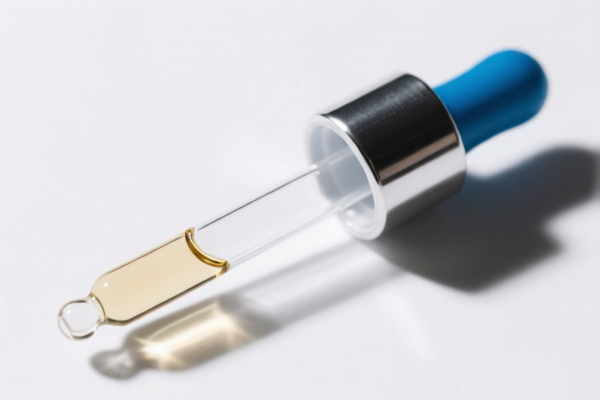
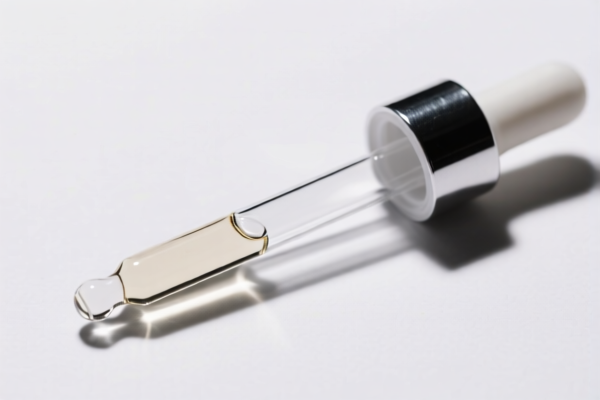
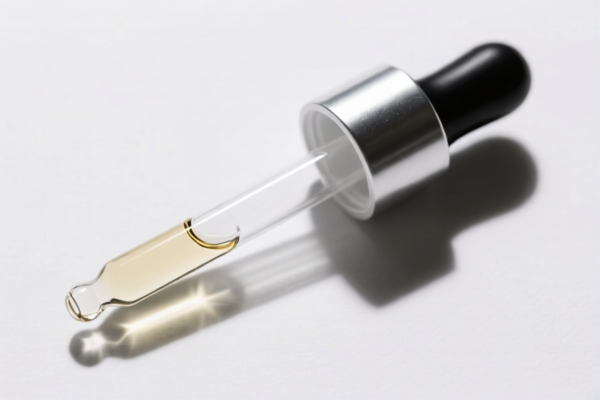
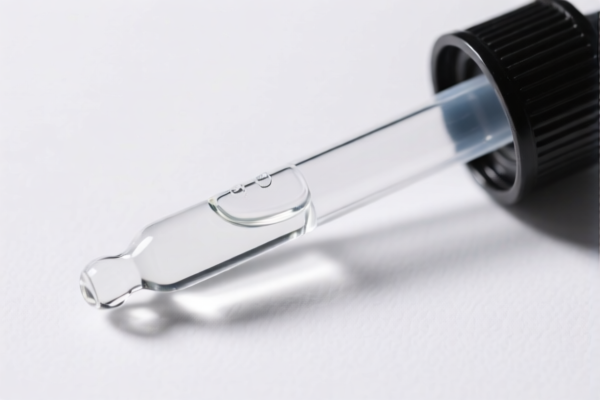
AI分析
🧪 Pipette Stopper (Pipette Bulb/Blower)
🌐 HS Code Reference & Customs Clearance Guide | 2026 Latest Tariff Analysis | Professional Clearance Strategy
📌 I. Product Definition & Classification: What Exactly is a "Pipette Stopper"?
In the laboratory supply industry, a "Pipette Stopper" (often referred to as a Pipette Bulb, Pipette Blower, or Rubber Bulb for pipettes) is a small device used to draw liquid into a pipette by suction. It is critical to distinguish whether the product is: 1. Lab Glassware Accessories (used with glass pipettes): Typically made of glass or hard plastic, designed for precise volumetric measurement tools. 2. Plastic Laboratory Implements: Made of polymers like Polypropylene (PP), often disposable or reusable plastic bulbs.
⚠️ Key Distinction Point:
- If the item is glass or intended for use with volumetric glassware → It may fall under Chapter 70 (Glassware).
- If the item is plastic (e.g., polypropylene bulb) → It falls under Chapter 39 (Plastics).
- Crucial Note: Many "pipettes" (the tubes themselves) are also subject to these codes depending on material. The "Stopper" is often traded in conjunction with the pipette. The data below reflects the classification logic for pipettes and their associated plastic/glass components as per the provided dataset.
📦 II. HS Code Classification Details (2026 Latest Tariff Authority Comparison)
| HS Code | Product Description | Applicable Scenario | Material Type |
|---|---|---|---|
7017.20.00.00 |
Laboratory glassware, including pipettes | Glass pipettes and associated glass stoppers | ✅ Glass |
7017.90.50.00 |
Other laboratory, hygienic, or pharmaceutical glassware | General lab glass components | ✅ Glass |
3926.90.99.89 |
Other articles of plastics | Plastic pipettes or plastic stoppers/bulbs | ✅ Plastic |
3926.90.99.10 |
Laboratory plastic ware (e.g., polypropylene pipettes) | Disposable or reusable plastic lab vessels | ✅ Plastic |
3917.29.00.90 |
Hard tubes, pipes, and hoses | Plastic pipette tubes classified as "hard tubes" | ✅ Plastic |
🔍 Critical Reminder:
- Glass Pipettes/Stopppers: Classified under 7017. Higher duties apply due to "122 Clause" and Section 301 tariffs.
- Plastic Pipettes/Stopppers: Classified under 3926 or 3917. Duties vary significantly based on whether it's considered "general plastic" (3926) or "hard tubes" (3917).
💰 III. 2026 Latest Tariff Rate Breakdown (Including Additional Taxes & Policy Surcharges)
✅ Applicable Country: USA (US)
✅ Origin: China (CN)
✅ Effective Date: From November 10, 2025 (including subsequent imports)
🎯 1. 7017.20.00.00 & 7017.90.50.00 —— Laboratory Glassware (Glass Pipettes/Stoppers)
| Item | Detail |
|---|---|
| Base Tariff Rate | 6.7% (Ad Valorem) |
| Section 301 Additional Tariff | +25.0% |
| 122 Clause Tariff | +10.0% |
| Total Effective Rate | 41.7% |
| Tax Calculation | CIF Value × 41.7% |
| De Minimis Exemption | ❌ Not Eligible |
| Legal Basis Path | Base: 6.7% → Section 301: 25.0% → 122 Clause: 10.0% |
📌 Explanation:
- Glass pipettes and glass stoppers are classified as laboratory glassware.
- The total tariff of 41.7% includes the base rate, the heavy Section 301 surcharge (25%), and the specific "122 Clause" tariff (10%).
- High Cost Alert: Glass items from China face significantly higher duties than general plastics in some categories due to these layered taxes.
🎯 2. 3926.90.99.89 & 3926.90.99.10 —— Other Plastic Articles (Plastic Pipettes/Stopppers)
| Item | Detail |
|---|---|
| Base Tariff Rate | 5.3% (Ad Valorem) |
| Section 301 Additional Tariff | +7.5% |
| 122 Clause Tariff | +10.0% |
| Total Effective Rate | 22.8% |
| Tax Calculation | CIF Value × 22.8% |
| De Minimis Exemption | ❌ Not Eligible |
| Legal Basis Path | Base: 5.3% → Section 301: 7.5% → 122 Clause: 10.0% |
📌 Note:
- Plastic pipettes and plastic bulbs (stoppers) made of PP/PE are often classified under 3926.
- The total tariff is 22.8%, which is lower than the glass equivalent (41.7%) because the Section 301 additional tariff is only 7.5% (vs. 25% for glass).
- 3926.90.99.10 specifically mentions "laboratory plastic ware," while 3926.90.99.89 is for "other plastics." Both carry the same total rate in this dataset.
🎯 3. 3917.29.00.90 —— Hard Tubes, Pipes, and Hoses (Plastic Pipette Tubes)
| Item | Detail |
|---|---|
| Base Tariff Rate | 3.1% (Ad Valorem) |
| Section 301 Additional Tariff | +25.0% |
| 122 Clause Tariff | +10.0% |
| Total Effective Rate | 38.1% |
| Tax Calculation | CIF Value × 38.1% |
| De Minimis Exemption | ❌ Not Eligible |
| Legal Basis Path | Base: 3.1% → Section 301: 25.0% → 122 Clause: 10.0% |
📌 Warning:
- If the plastic pipette/stopper is classified as a "hard tube" under 3917.29, the Section 301 tariff jumps back to 25%, resulting in a 38.1% total rate.
- This is much higher than the 22.8% rate for general plastic lab ware (3926).
- Strategic Importance: Classification between 3926 (22.8%) and 3917 (38.1%) can save 15.3% in tariffs. Ensure your product description matches the "laboratory use" aspect to qualify for the lower 3926 rate if possible.
🛠️ IV. Customs Clearance Practical Advice (Battle-Tested Pitfall Avoidance)
✅ 1. Required Documentation Checklist (All Mandatory)
| Document | Must Provide | Description |
|---|---|---|
| ✅ Product Specification Sheet | ✔️ | Detail material (Glass vs. Plastic), usage (Lab pipette), and dimensions. |
| ✅ Material Composition Certificate | ✔️ | Explicitly state if it is Borosilicate Glass or Polypropylene/PE. |
| ✅ Product Photos (Clear) | ✔️ | Show the item alone and in use with a pipette. Label as "Pipette Bulb/Stopper." |
| ✅ Commercial Invoice | ✔️ | Clearly state "Laboratory Glassware" or "Plastic Laboratory Articles." Avoid vague terms like "Rubber Parts." |
| ✅ Packing List | ✔️ | Itemize glass vs. plastic components if shipped together. |
✅ 2. Declaration Tips (Critical Mnemonic)
🔥 "Material Matters, Use Defines, 3926 Saves, 3917 Raises!"
| Scenario | Correct Declaration Strategy | Error to Avoid |
|---|---|---|
| Glass Pipette Stopper | HS: 7017.20.00.00 / 7017.90.50.00Rate: 41.7% |
Do NOT classify as plastic to avoid duties → Will be penalized. |
| Plastic Pipette Bulb (Lab Use) | HS: 3926.90.99.10 / 3926.90.99.89Rate: 22.8% |
Do NOT classify as "Hard Tubes" (3917) → Rate jumps to 38.1%. |
| Plastic Pipette Tube | HS: 3917.29.00.90Rate: 38.1% |
If it's a rigid tube, it may fall here. Ensure it's not misdeclared as general plastic. |
✅ 3. Special Case Handling
| Scenario | Handling Advice |
|---|---|
| Mixed Shipment (Glass + Plastic) | Separate Lines: Declare glass items under 7017 and plastic under 3926/3917 on separate invoice lines. Do not lump them. |
| OEM Custom Lab Ware | Provide design specs showing "Laboratory Use" to justify 3926.90.99.10 over general plastics. |
| Small Quantity Samples | Even for samples, the 122 Clause (10%) and Section 301 apply. De Minimis (800 USD) does NOT exempt these specific lab items from additional tariffs. |
🌍 V. Global Market Clearance Comparison (2026 Latest)
| Country/Region | Recommended HS Code (Example) | Tariff Rate | Certification | Note |
|---|---|---|---|---|
| 🇺🇸 USA | 3926.90.99.89 (Plastic) |
22.8% | N/A | High tariffs due to Section 301 & 122 Clause. |
| 🇨🇳 China | 3926.90.99.89 |
5.3% (Base) | None | Low duty, but export restrictions may apply. |
| 🇪🇺 EU | 9026.80.00 (Flow/Level Meters) or 3926 |
0-2% | CE, RoHS | Lower barriers than US. |
| 🇬🇧 UK | 9026.80.00 |
0-2% | UKCA | Post-Brexit rules may differ. |
📌 Conclusion:
- USA is the most expensive market for pipette stoppers due to the 25% Section 301 and 10% 122 Clause taxes.
- Plastic items (3926) are more tariff-efficient than Glass (7017) or Hard Tubes (3917).
- Strategic Advice: If possible, source or classify plastic lab ware under 3926 to minimize costs. Avoid 3917 unless structurally mandatory.
📌 VI. Common Errors & Pitfalls (Lessons from Experience)
❌ Error 1: Classifying all pipette accessories as "Laboratory Apparatus" without specifying material.
👉 Result: Customs may default to higher duty rates or delay clearance for material verification.
❌ Error 2: Claiming "De Minimis" for plastic pipettes under $800.
👉 Result: Incorrect. The 122 Clause and Section 301 apply regardless of value. You will still owe 22.8% + 38.1% tax.
❌ Error 3: Misdeclaring "Plastic Pipette" as "Rubber Part" to avoid Section 301.
👉 Result: Penalties & Audits. Polypropylene is plastic (39), not rubber (40). False declaration leads to fines.
❌ Error 4: Using 3917 for soft plastic bulbs.
👉 Result: 3917 is for hard tubes/ pipes. Soft bulbs should be 3926. Misclassification leads to 38.1% tax instead of 22.8%.
✅ Correct Approach:
"Polypropylene Pipette Bulb, Laboratory Use, Reusable, Model XYZ" → HS 3926.90.99.10 → 22.8% Total Tax.
🎯 VII. Conclusion: Precise Classification Saves Money!
🎯 Remember the Mnemonic:
🔹 "Glass is 41.7%, Plastic is 22.8%, Tubes are 38.1%. Choose 3926 to Save!"
🔹 "No De Minimis for Lab Items. 122 Clause Always Applies!"
📌 Pro Tip:
If your Pipette Stopper is part of a larger set, ensure the principal use and material are clearly documented.
For USA imports, calculate the 38.1% vs. 22.8% difference carefully. A $10,000 shipment could save $1,530 by correct classification under 3926 vs 3917.
📣 Immediate Action:
📞 Verify Material (Glass vs. Plastic)
📄 Choose Correct HS Code (7017for Glass,3926for Plastic)
🚀 Clear Customs Smoothly, Reduce Costs, Boost Profit Margins!
✨ Professional Clearance Starts with Accurate Classification!
💼 Every Percent Saved is Pure Profit!
用户评价
关于 HS 编码归类
协调制度(HS)是由世界海关组织(WCO)制定的国际贸易商品分类标准。全球 200 多个国家采用 HS 系统作为海关关税、贸易统计和进出口监管的基础。
每个 HS 编码遵循以下层级结构:
- 章(2 位)——商品大类(例如:第 84 章:机器和机械设备)
- 品目(4 位)——章内的更具体分类
- 子目(6 位)——国际通用细分,所有 WCO 成员国统一使用
- 本国细分(8-10 位)——各国自行扩展的细分编码,如美国 HTSUS 10 位编码
正确的 HS 编码归类对于顺利通关、准确缴纳关税和遵守贸易法规至关重要。错误归类可能导致海关延误、多缴关税或罚款。
从CN进口到US时,适用的关税税率可能包括:
- 最惠国(MFN)税率——适用于 WTO 成员国的标准关税税率
- 普通税率——适用于无贸易协定国家
- 贸易救济关税——附加关税,如 301 条款(反倾销)、232 条款(国家安全)或反补贴税
本页内容仅供参考。如需正式归类,请咨询当地海关或持牌报关代理。