plain cotton woven fabric
CN → US| HS编码 | 关税税率 | 原产国 | 目的国 | 文档 |
|---|---|---|---|---|
| 5208112020 | 42.0% | CN | US | 官方文档 |
| 5208114020 | 44.0% | CN | US | 官方文档 |
| 5209110050 | 41.5% | CN | US | 官方文档 |
| 5209210050 | 42.7% | CN | US | 官方文档 |
商品图片
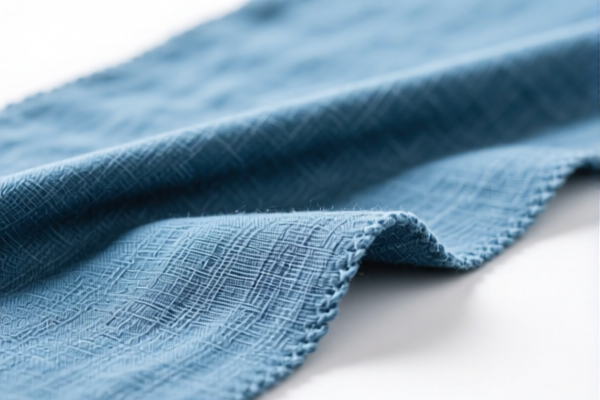
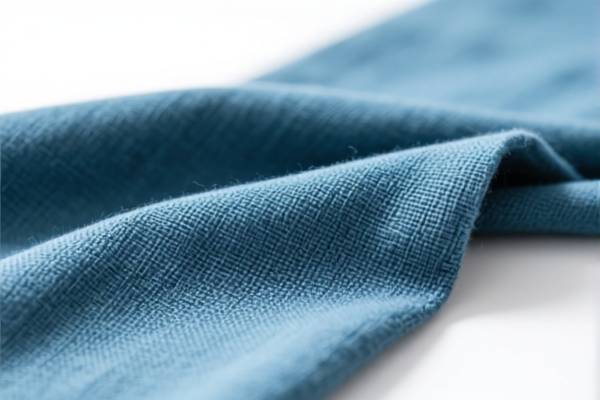
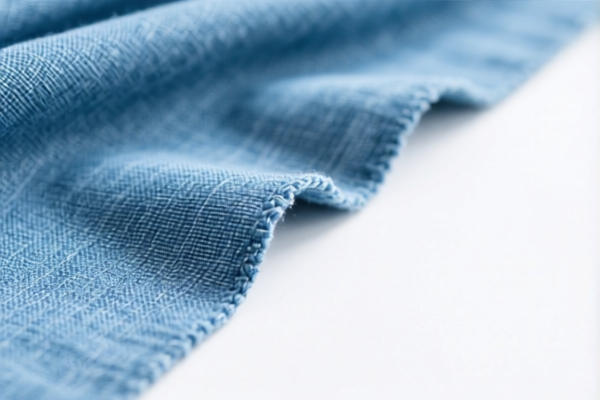
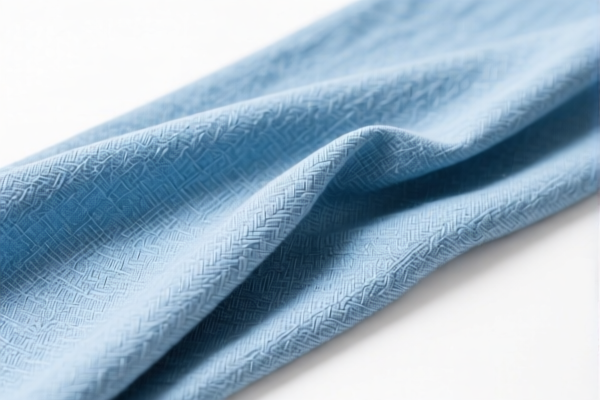
AI分析
🧵 Plain Cotton Woven Fabric (100% Cotton)
🌐 HS Code Reference & Customs Clearance Guide | 2026 Latest Tariff Analysis | Professional Entry Strategy
📌 I. Product Definition & Classification: Do You Really Understand "Cotton Fabric"?
Plain Cotton Woven Fabric is a fundamental textile material used in apparel, home textiles, and industrial applications. In international trade, classification depends heavily on the cotton content, weave structure, and weight/density. For US customs purposes (particularly with current Section 301 and 122 tariffs), the precise 10-digit HS code determines your landed cost significantly.
⚠️ Key Distinction:
- Cotton Content ≥ 85%: Classified under Chapter 52 (Cotton Textiles).
- Cotton Content < 85%: May fall under blended fabric categories (e.g., 5208.x.x, 5209.x.x, etc., but with different subheadings not listed in our target data).
- Woven vs. Knitted: This guide strictly covers Woven fabrics. Knitted fabrics fall under Chapter 60.
📦 II. HS Code Classification Details (2026 Latest Tariff Authority对照)
Based on the provided <DATA>, all items are Plain Cotton Woven Fabric with Cotton Content ≥ 85%. The differences lie in the specific sub-category (likely based on weight, thread count, or finishing process, though the summary is generic).
| HS Code | Product Description | Cotton Content | Weave Type | Total Tax Rate (US Origin: China) |
|---|---|---|---|---|
5208.11.20.20 |
Plain Cotton Woven Fabric | ≥ 85% | Woven | 42.0% |
5208.11.40.20 |
Plain Cotton Woven Fabric | ≥ 85% | Woven | 44.0% |
5209.11.00.50 |
Plain Cotton Woven Fabric | ≥ 85% | Woven | 41.5% |
5209.21.00.50 |
Plain Cotton Woven Fabric | ≥ 85% | Woven | 42.7% |
🔍 Critical Note:
- All four codes apply to 100% or near-100% cotton (≥85%).
- The slight variation in total tax (41.5% to 44.0%) is due to different Base Duties (6.5% to 9.0%), while the Add-on Tariffs remain constant.
- Do not mix these codes. Misclassification can lead to severe penalties, seizures, or underpayment notices.
💰 III. 2026 Latest Tariff Rate Breakdown (Including Surcharges & Policy Add-ons)
✅ Applicable Country: United States (US)
✅ Origin: China (CN)
✅ Effective Time: Current enforcement (Section 301 & Section 122)
🎯 1. 5208.11.20.20 & 5208.11.40.20 —— Cotton Woven Fabric (Section 5208 Group)
| Item | Content |
|---|---|
| Base Duty Rate | 7.0% (for .20.20) / 9.0% (for .40.20) |
| Section 301 Surcharge | +25.0% (Additional duties under USTR Section 301) |
| Section 122 Surcharge | +10.0% (Additional duties under USTR Section 122 for certain textile/apparel products) |
| Total Effective Rate | 42.0% (.20.20) / 44.0% (.40.20) |
| Tax Calculation | CIF Value × Total Rate |
| De Minimis Eligibility | ❌ NO (Section 301 and 122 duties do NOT apply to de minimis shipments < $800) |
| Legal Basis Path | HTSUS:5208.11.20.20 → USITC Footnote:301 → USTR:Section122 |
📌 Explanation:
- Section 301 (25%): Applied to "textiles and apparel" from China as part of broader trade restrictions.
- Section 122 (10%): Specifically targets certain cotton fabrics and apparel, adding an extra layer of duty.
- Base Duty: Varies by specific weave characteristics (e.g., weight per square meter, yarn diameter) which differentiate5208.11.20.20from5208.11.40.20.
🎯 2. 5209.11.00.50 & 5209.21.00.50 —— Cotton Woven Fabric (Section 5209 Group)
| Item | Content |
|---|---|
| Base Duty Rate | 6.5% (for .11.00.50) / 7.7% (for .21.00.50) |
| Section 301 Surcharge | +25.0% |
| Section 122 Surcharge | +10.0% |
| Total Effective Rate | 41.5% (.11.00.50) / 42.7% (.21.00.50) |
| Tax Calculation | CIF Value × Total Rate |
| De Minimis Eligibility | ❌ NO |
| Legal Basis Path | HTSUS:5209.11.00.50 → USITC Footnote:301 → USTR:Section122 |
📌 Note:
-5209generally covers heavier cotton fabrics (≥ 200g/m²) compared to5208(which often covers lighter weights or specific weaves like muslin/chintz).
- The tax structure is identical in surcharges but differs in base duty, leading to a slightly lower total rate for.11.00.50(41.5%) compared to the5208group.
🛠️ IV. Customs Clearance Practical Advice (Pitfall Avoidance Guide)
✅ 1. Documentation Checklist (Non-negotiable)
| Document | Required | Notes |
|---|---|---|
| ✅ Commercial Invoice | ✔️ | Must clearly state "Cotton Woven Fabric," material composition (≥85% Cotton), and HS Code. |
| ✅ Packing List | ✔️ | Detail roll lengths, weights, and dimensions. |
| ✅ Bill of Lading/Air Waybill | ✔️ | Standard shipping document. |
| ✅ Fiber Content Certification | ✔️ | Third-party lab report proving ≥85% cotton content. |
| ✅ Country of Origin Certificate | ✔️ | To confirm Chinese origin (subject to tariffs). |
| ✅ Section 301/122 Exemption Claim (if applicable) | ❌ | Generally not eligible for these specific codes unless a specific exclusion applies (check USTR list annually). |
✅ 2. Classification Tips (Key Mantra)
🔥 "Cotton ≥85% is King, 301 + 122 Make the Cost Sing!"
| Scenario | Correct HS Code Approach | Common Mistake |
|---|---|---|
| Fabric is 85% Cotton, 15% Polyester | Must still classify under 5208/5209 if cotton is >85%, but verify specific subheading rules. | Misclassifying as blended fabric (e.g., 5513) → Wrong base duty! |
| Fabric is <85% Cotton | Cannot use the codes in <DATA>. Must use other Chapter 52 headings. |
Forcing use of 5208/5209 → Customs rejection. |
| Knitted Cotton Fabric | Not applicable. Use Chapter 60 (e.g., 6006.xx). | Using Woven codes for Knits → Seizure. |
| Dyed vs. Printed | Ensure the description matches the finish. Base duties may vary slightly within subheadings. | Ignoring finish → Potential misclassification. |
✅ 3. Special Handling
| Situation | Recommendation |
|---|---|
| Sample Shipments | NOT ELIGIBLE for de minimis ($800 exemption). You MUST pay the 41.5%-44.0% duty even for small samples. |
| OEM Private Label | Ensure the supplier provides accurate fiber composition reports. |
| Re-export from Third Country | If re-shipped from Vietnam/Mexico, ensure Origin Rules are met. If processed significantly, you might avoid Section 301/122, but this is complex and requires advance ruling. |
| Tariff Engineering | Consider if a slight change in fabric weight or weave could shift it to a different 8-digit subheading with a lower Base Duty (saving 0.5-1%), though the 35% surcharge remains. |
🌍 V. Global Market Comparison (2026 Latest)
| Country/Region | Recommended HS Code | Base Duty | Add-ons (China Origin) | Total Effective Rate | Notes |
|---|---|---|---|---|---|
| 🇺🇸 USA | 5208.11.20.20 etc. |
6.5%-9.0% | +35% (25% Sec 301 + 10% Sec 122) | 41.5% - 44.0% | Highest Cost Market |
| 🇨🇳 China | 5208.11.20.20 etc. | Varies | 0% | ~0% - 5% | Import duty applies if importing into China. |
| 🇪🇺 EU | 5208.11.xx | 4.5% - 8.5% | 0% (General) | ~5% - 10% | No Section 301/122 equivalents. |
| 🇬🇧 UK | 5208.11.xx | 4.5% - 8.5% | 0% | ~5% - 10% | Post-Brexit tariffs. |
| 🇯🇵 Japan | 5208.11.xx | 3.5% - 6.0% | 0% | ~4% - 7% | EPA benefits may apply. |
📌 Conclusion:
- The USA is uniquely punitive on Chinese cotton fabrics due to the combination of Section 301 and Section 122.
- For other markets, the duty burden is significantly lower.
- Strategy: If exporting to the US, consider supply chain diversification (e.g., sourcing from Southeast Asia if rules of origin allow) or absorbing the cost in pricing models.
📌 VI. Common Errors & Pitfalls (Blood Lessons)
❌ Error 1: Claiming de minimis for cotton fabric shipments.
👉 Consequence: Customs will assess 41.5%-44.0% duty on the entire value, plus penalties. The $800 exemption does not apply to Section 301/122 goods.
❌ Error 2: Misstating cotton content (e.g., claiming 90% when it's 84%).
👉 Consequence: If cotton is <85%, the HS code changes entirely. This is considered fraudulent misdeclaration, leading to seizure and fines.
❌ Error 3: Ignoring Section 122.
👉 Consequence: Many importers know about Section 301 (25%) but forget Section 122 (10%). This results in underpayment by 10% and subsequent audit/penalties.
❌ Error 4: Using vague descriptions like "Cotton Cloth."
👉 Consequence: CBP (US Customs) may assign their own HS code, often the highest duty one, or demand detailed technical documentation before release, causing delays.
✅ Correct Practice:
"Plain Weave Cotton Fabric, 100% Cotton, White, 150 GSM, Width 58-60", HS Code 5208.11.20.20, Origin: China"
🎯 VII. Conclusion: Precision in Classification Saves Money!
🎯 Remember the Mantra:
🔹 "Cotton ≥85%, Woven Fabric, 301+122 equals ~35% Surcharge!"
🔹 "Base Duty varies, but Add-ons are fixed. Check your GSM and Weave!"
🔹 "No De Minimis! Pay Up or Re-route!"
📌 Pro Tip:
- If your fabric is < 85% cotton, do NOT use these codes.
- If you are shipping samples, budget for the full duty.
- Always verify the specific 10-digit subheading based on fabric weight and weave density with a licensed customs broker.
📣 Immediate Action:
📞 Contact a Licensed Customs Broker + Provide Fabric Swatch & Lab Report + Verify HS Code Pre-Ruling
🚀 Ensure Smooth Customs Clearance, Avoid Seizure, and Optimize Landed Costs!
✨ Professional Clearance Starts with Accurate Classification!
💼 Every Percentage Point of Duty Counts!
用户评价
关于 HS 编码归类
协调制度(HS)是由世界海关组织(WCO)制定的国际贸易商品分类标准。全球 200 多个国家采用 HS 系统作为海关关税、贸易统计和进出口监管的基础。
每个 HS 编码遵循以下层级结构:
- 章(2 位)——商品大类(例如:第 84 章:机器和机械设备)
- 品目(4 位)——章内的更具体分类
- 子目(6 位)——国际通用细分,所有 WCO 成员国统一使用
- 本国细分(8-10 位)——各国自行扩展的细分编码,如美国 HTSUS 10 位编码
正确的 HS 编码归类对于顺利通关、准确缴纳关税和遵守贸易法规至关重要。错误归类可能导致海关延误、多缴关税或罚款。
从CN进口到US时,适用的关税税率可能包括:
- 最惠国(MFN)税率——适用于 WTO 成员国的标准关税税率
- 普通税率——适用于无贸易协定国家
- 贸易救济关税——附加关税,如 301 条款(反倾销)、232 条款(国家安全)或反补贴税
本页内容仅供参考。如需正式归类,请咨询当地海关或持牌报关代理。