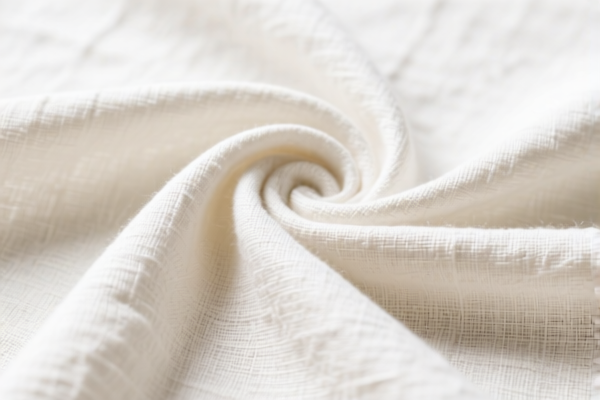
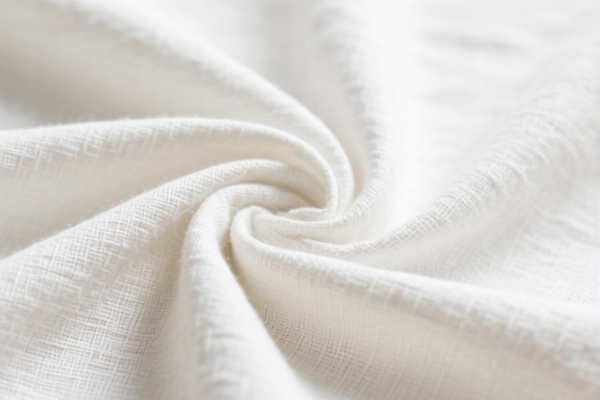
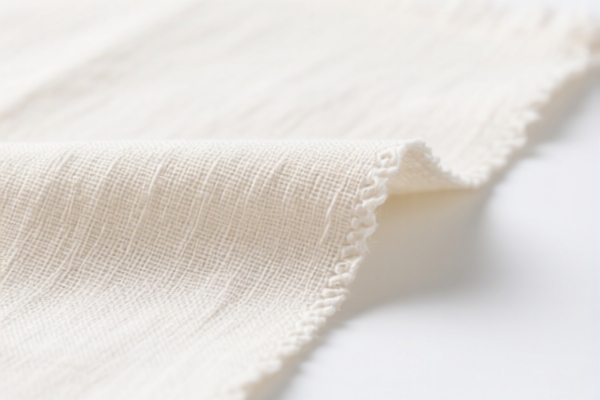
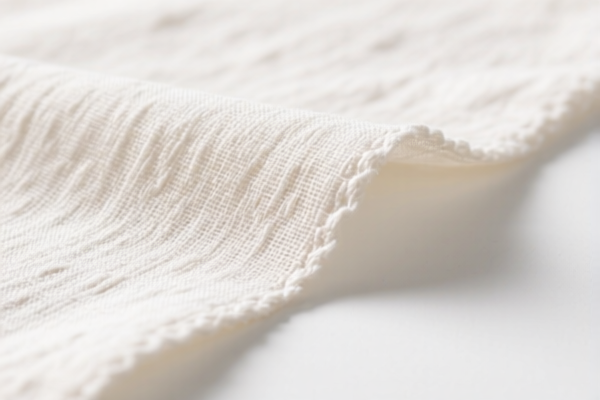
plain weave fabric 43/68 count
CN → US| HS编码 | 关税税率 | 原产国 | 目的国 | 文档 |
|---|---|---|---|---|
| 5210316020 | 47.2% | CN | US | 官方文档 |
| 5210116020 | 27.7% | CN | US | 官方文档 |
| 5208114020 | 44.0% | CN | US | 官方文档 |
| 5208114040 | 44.0% | CN | US | 官方文档 |
| 5407731000 | 35.0% | CN | US | 官方文档 |
商品图片
AI分析
🧵 Plain Weave Fabric (43/68 Count)
🌐 HS Code Reference & Customs Clearance Guide | 2026 Latest Tariff Analysis | Professional Strategy for Textile Importers
📌 Part 1: Product Definition & Classification: Do You Really Understand "43/68 Count Fabric"?
Plain Weave Fabric (43/68 Count) is a fundamental textile product used in apparel, home textiles, and industrial applications. In international trade, "43/68" typically refers to the yarn count (singles count), where 43 and 68 represent the fineness/thickness of the warp and weft yarns respectively.
Key Distinctions Based on Material: * Cotton Plain Weave: If made entirely or primarily of cotton (≥85% cotton by weight). * Synthetic Staple Fiber: If made of synthetic fibers spun into yarns (e.g., polyester-cotton blends, though specific HS codes may vary if the blend is not pure). * Woven Fabrics (General): The structure is a simple over-under interlacing (plain weave).
⚠️ Critical Classification Point:
- The material composition is the decisive factor for HS Code selection.
- The count (43/68) helps confirm it falls under specific subheadings for "woven fabrics of cotton" or "other woven fabrics."
- High Tariff Alert: All items below are subject to significant US tariffs (Section 301 + Section 122/IEEPA), totaling 27.7% to 47.2% for Chinese-origin goods.
📦 Part 2: HS Code Classification Details (2026 Latest Tariff Authority)
| HS Code | Product Description | Application Scenario | Material Basis | Total Tax Rate (China Origin) |
|---|---|---|---|---|
5210.31.60.20 |
Woven cotton fabric, weighing <200g/m², plain weave, yarn count 43-68 | Lightweight cotton shirts, dresses, quilts | Cotton (Primary) | 47.2% |
5210.11.60.20 |
Woven cotton fabric, plain weave (broadcloth), yarn count 43-68 | Broadcloth, shirting, lining | Cotton (Primary) | 27.7% |
5208.11.40.20 |
Woven cotton fabric, plain weave, yarn count 43-68 (inferred) | General cotton textiles, apparel | Cotton (Inferred) | 44.0% |
5208.11.40.40 |
Woven cotton fabric, plain weave, no material conflict | General cotton textiles, apparel | Cotton (No Conflict) | 44.0% |
5407.73.10.00 |
Synthetic filament woven fabric, warp 43, weft 68 | Synthetic blends, outdoor gear, technical textiles | Synthetic Filament | 35.0% |
🔍 Key Insight:
- HS 52xx series applies to Cotton. The difference in tax rates (27.7% vs. 44-47.2%) depends on the specific subheading definition (e.g., weight per square meter, exact weave type like "broadcloth," or specific yarn count ranges).
- HS 5407 applies to Synthetic Filament yarns. If your fabric is made of polyester or nylon filaments (not spun yarns), this code may apply, resulting in a lower base tariff but still high total duty.
- "43/68 Count": This specific range matches the descriptions in5210.31.60.20,5210.11.60.20,5208.11.40.20, and5208.11.40.40. Ensure your yarn count is within the 43-68 range for these codes.
💰 Part 3: 2026 Latest Tariff Rate Breakdown (Including Surcharges & Policy Add-ons)
✅ Applicable Country: United States (US)
✅ Origin: China (CN)
✅ Effective Date: From November 10, 2025 (and subsequent imports)
🎯 1. 5210.31.60.20 —— Cotton Fabric, Plain Weave, Count 43-68
| Item | Content |
|---|---|
| Base Tariff | 12.2% (ad valorem) |
| Section 301 Surcharge | +25.0% (USITC Footnote 9903.88.01) |
| Section 122/IEEPA Surcharge | +10.0% (China-specific, IEEPA) |
| Total Tax Rate | 47.2% |
| Tax Calculation | CIF Value × 47.2% |
| De Minimis Exemption | ❌ NOT APPLICABLE (deny_de_minimis) |
| Legal Path | IEEPA:9903.01.25 → IEEPA:9903.01.24 → USITC:5210.31.60.20 → FOOTNOTE:9903.88.01 |
📌 Explanation:
- This is the highest tax rate among the provided codes.
- The 25% Section 301 duty is mandatory for Chinese textile imports in this category.
- The 10% IEEPA duty is an additional layer for China-origin goods.
- Total 47.2% significantly impacts profit margins. Must be factored into pricing.
🎯 2. 5210.11.60.20 —— Cotton Broadcloth, Plain Weave, Count 43-68
| Item | Content |
|---|---|
| Base Tariff | 10.2% |
| Section 301 Surcharge | +7.5% |
| Section 122/IEEPA Surcharge | +10.0% |
| Total Tax Rate | 27.7% |
| Tax Calculation | CIF Value × 27.7% |
| De Minimis Exemption | ❌ NOT APPLICABLE |
| Legal Path | IEEPA:9901.25 → IEEPA:9903.01.24 → USITC:5210.11.60.20 → FOOTNOTE:9903.88.01 |
📌 Note:
- This code offers a lower total tax rate (27.7%) compared to other cotton codes.
- The Section 301 surcharge is only 7.5% (not 25%), which is a significant saving.
- Eligibility: Must be classified as "broadcloth" with yarn count in the 43-68 range. Proper product description is critical.
🎯 3. 5208.11.40.20 & 5208.11.40.40 —— Cotton Fabric, Plain Weave
| Item | Content |
|---|---|
| Base Tariff | 9.0% |
| Section 301 Surcharge | +25.0% |
| Section 122/IEEPA Surcharge | +10.0% |
| Total Tax Rate | 44.0% |
| Tax Calculation | CIF Value × 44.0% |
| De Minimis Exemption | ❌ NOT APPLICABLE |
| Legal Path | IEEPA:9903.01.25 → IEEPA:9903.01.24 → USITC:5208.11.40.x0 → FOOTNOTE:9903.88.01 |
📌 Note:
- These two codes have the same tax rate (44.0%).
- The distinction between.20and.40may relate to specific weave types, weights, or other minor descriptors not detailed in the summary.
- Ensure your fabric matches the specific subheading requirements to avoid misclassification.
🎯 4. 5407.73.10.00 —— Synthetic Filament Fabric, Warp 43, Weft 68
| Item | Content |
|---|---|
| Base Tariff | 0.0% |
| Section 301 Surcharge | +25.0% |
| Section 122/IEEPA Surcharge | +10.0% |
| Total Tax Rate | 35.0% |
| Tax Calculation | CIF Value × 35.0% |
| De Minimis Exemption | ❌ NOT APPLICABLE |
| Legal Path | IEEPA:9903.01.25 → IEEPA:9903.01.24 → USITC:5407.73.10.00 → FOOTNOTE:9903.88.01 |
📌 Note:
- Base tariff is 0%, which makes this the second-lowest total tax rate (35.0%).
- Crucial Requirement: The fabric must be made of synthetic filaments (e.g., polyester filaments), NOT spun yarns.
- If your fabric is made of spun synthetic fibers (e.g., polyester-cotton blend or pure spun polyester), it may NOT qualify for this code.
🛠️ Part 4: Customs Clearance Practical Advice (Real-World Pitfall Avoidance)
✅ 1. Required Documentation Checklist (Mandatory)
| Document | Must Provide | Description |
|---|---|---|
| ✅ Product Specification Sheet | ✔️ | Must include: Fiber content (%), Weight (g/m²), Weave Type (Plain), Yarn Count (43/68), Width |
| ✅ Fabric Swatch/Photo | ✔️ | Clear image showing the plain weave structure. Close-up of yarn detail. |
| ✅ Commercial Invoice | ✔️ | Clearly state: "Woven Cotton Fabric, Plain Weave, Count 43/68, China Origin" |
| ✅ Packing List | ✔️ | Include roll length, weight, and dimensions. |
| ✅ Certificate of Origin (CO) | ✔️ | Required to confirm Chinese origin for tariff calculation. |
| ✅ Test Report | ✔️ | Optional but recommended: Fiber content test from a third-party lab (e.g., SGS, Intertek). |
✅ 2. Declaration Tips (Key Mantra)
🔥 “Fiber Content is King, Count is Queen, Description Must Match, Tariff Can Be Clever!”
| Scenario | Correct Declaration | Wrong Practice |
|---|---|---|
| Cotton Broadcloth | 5210.11.60.20 (27.7%) |
Misdeclare as 5210.31.60.20 (47.2%) → Overpay 20% |
| Synthetic Filament | 5407.73.10.00 (35.0%) |
Declare as "Cotton Fabric" → Misclassification Risk |
| Cotton Fabric | 5208.11.40.20 (44.0%) |
Omit yarn count → Customs May Assess Higher Rate |
| General Cotton | 5210.31.60.20 (47.2%) |
Use vague description "Fabric" → Delays & Penalties |
✅ 3. Special Case Handling
| Scenario | Handling Advice |
|---|---|
| Cotton vs. Synthetic Confusion | Provide a fiber content test report. If it’s 100% cotton, use HS 52xx. If it’s synthetic filaments, use HS 5407. |
| Blend Fabrics | If it’s a blend (e.g., 65% Polyester/35% Cotton), it may NOT qualify for HS 52xx or 5407 directly. Check HS 55xx or 52xx subheadings for blends. This data does not cover blends. |
| Yarn Count Dispute | Ensure your yarn count is accurately labeled. If it’s outside the 43-68 range, these codes may not apply. |
| Small Shipment (< $800) | Do not rely on De Minimis. All listed HS codes have deny_de_minimis status for Chinese origin. Taxes apply even for small shipments. |
🌍 Part 5: Global Main Market Comparison (2026 Latest)
| Country/Region | Recommended HS Code | Tariff (China Origin) | Certification Requirements | Notes |
|---|---|---|---|---|
| 🇺🇸 USA | 5210.11.60.20 |
27.7% (Lowest for Cotton) | No special certs needed | Highest risk due to Section 301 + IEEPA |
| 🇨🇳 China | 5210.11.60.20 |
~5-10% (Import Duty) | CCC (if applicable) | No additional surcharges |
| 🇪🇺 EU | 5208.11.40.20 |
~9-12% | REACH, Oeko-Tex | No Section 301/IEEPA |
| 🇬🇧 UK | 5210.11.60.20 |
~9-12% | UKCA (if applicable) | Post-Brexit rules apply |
| 🇦🇺 Australia | 5210.11.60.20 |
~5-10% | No special certs | Free Trade Agreement benefits may apply |
📌 Conclusion:
- USA has the highest total tax burden for these fabrics due to multiple layers of surcharges.
- EU/UK/Australia have significantly lower tariffs but may require environmental/safety certifications (REACH, Oeko-Tex).
- China Origin is the key driver of high tariffs in the US market.
📌 Part 6: Common Mistakes & Pitfall Avoidance (Lessons Learned)
❌ Mistake 1: Declaring "Plain Weave Fabric" without specifying fiber content.
👉 Consequence: Customs may assume the worst-case scenario (highest tariff) or reject the declaration.
✅ Fix: Always specify "100% Cotton Woven Fabric" or "100% Polyester Filament Woven Fabric."
❌ Mistake 2: Using HS Code 5210.31.60.20 (47.2%) when 5210.11.60.20 (27.7%) is applicable.
👉 Consequence: Overpayment of 20% in duties.
✅ Fix: Confirm if your fabric qualifies as "broadcloth" or meets the specific criteria for the lower tax code.
❌ Mistake 3: Assuming small shipments (<$800) are tax-free.
👉 Consequence: Package held at customs, delays, and retroactive tax collection.
✅ Fix: All listed HS codes are subject to deny_de_minimis. Taxes apply regardless of value.
❌ Mistake 4: Confusing "filament" with "spun yarn."
👉 Consequence: Misclassification under HS 5407 (35.0%) vs. HS 52xx (27.7%-47.2%).
✅ Fix: Provide a clear definition: "Filament" means continuous threads; "Spun" means short fibers twisted together.
🎯 Part 7: Conclusion: Professional Declaration, Save Costs, Ensure Smooth Clearance!
🎯 Remember the Mantra:
🔹 "Fiber Content Determines Code, Count Determines Subheading, Tariff is High, Strategy is Key!"
🔹 "HS Code Saves Money, Misclassification Costs Thousands, Small Shipments Are NOT Tax-Free!"
📌 Pro Tip:
If your fabric is made from cotton blends or synthetic spun yarns, these specific HS codes may not apply. Consult a customs broker for HS 55xx or other subheadings.
For USA imports, consider Advance Ruling (Pre-Determination) to confirm the correct HS Code and tax rate before shipment.
📣 Immediate Action:
📞 Contact a licensed customs broker + Provide Fiber Content Test Report + Apply for Advance Ruling
🚀 Ensure your plain weave fabric, smoothly cleared, efficiently exported, cost-effectively delivered!
✨ Professional Customs Clearance Starts with Accurate Classification!
💼 Every cent of your cost deserves precise calculation!
用户评价
关于 HS 编码归类
协调制度(HS)是由世界海关组织(WCO)制定的国际贸易商品分类标准。全球 200 多个国家采用 HS 系统作为海关关税、贸易统计和进出口监管的基础。
每个 HS 编码遵循以下层级结构:
- 章(2 位)——商品大类(例如:第 84 章:机器和机械设备)
- 品目(4 位)——章内的更具体分类
- 子目(6 位)——国际通用细分,所有 WCO 成员国统一使用
- 本国细分(8-10 位)——各国自行扩展的细分编码,如美国 HTSUS 10 位编码
正确的 HS 编码归类对于顺利通关、准确缴纳关税和遵守贸易法规至关重要。错误归类可能导致海关延误、多缴关税或罚款。
从CN进口到US时,适用的关税税率可能包括:
- 最惠国(MFN)税率——适用于 WTO 成员国的标准关税税率
- 普通税率——适用于无贸易协定国家
- 贸易救济关税——附加关税,如 301 条款(反倾销)、232 条款(国家安全)或反补贴税
本页内容仅供参考。如需正式归类,请咨询当地海关或持牌报关代理。