plaits sheet for gardening use
CN → US| HS编码 | 关税税率 | 原产国 | 目的国 | 文档 |
|---|---|---|---|---|
| 6305900000 | 23.7% | CN | US | 官方文档 |
| 6305390000 | 25.9% | CN | US | 官方文档 |
商品图片
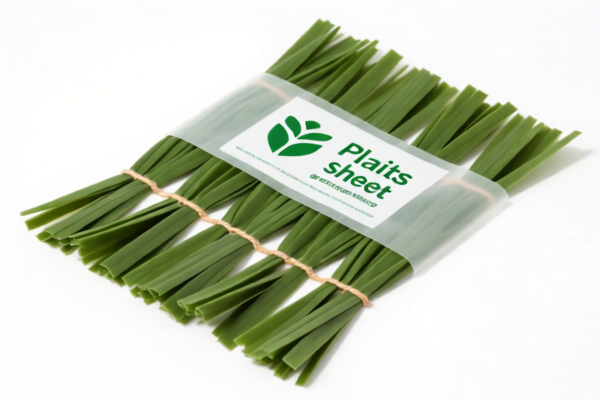
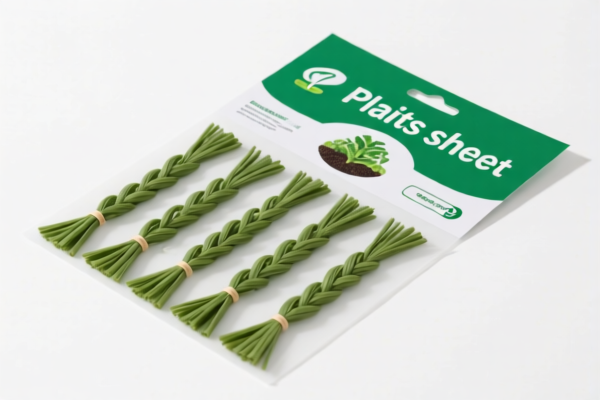
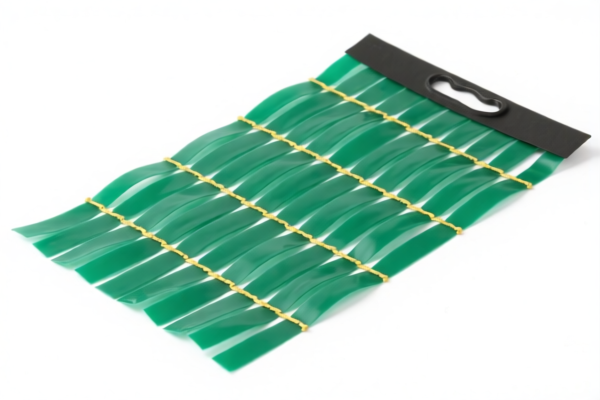
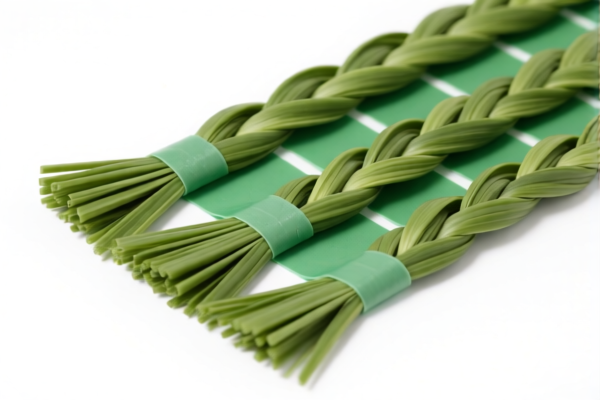
AI分析
🌿 编织网/席(Plaits Sheet for Gardening Use)
🌐 HS Code Reference & Customs Clearance Guide | 2026 Latest Tariff Analysis | Professional-Level Clearance Strategy
📌 I. Product Definition and Classification: Do You Really Understand "Plaits Sheets"?
"Plaits Sheet" refers to goods made from woven, braided, or plaited materials (typically plastic, synthetic fibers, or natural fibers) used in gardening for purposes such as shade cloths, trellises, weed barriers, or plant protection nets. In international trade, the classification depends strictly on the raw material composition.
Key Distinction Logic: * Man-made Materials: If the sheet is made from synthetic polymers (e.g., HDPE, PP, PET), it falls under Chapter 63. * Other Textile Materials: If made from other textile fibers not classified as man-made (e.g., jute, sisal, other vegetable fibers), it also falls under Chapter 63 but a different subheading. * Crucial Rule: According to General Rule of Interpretation (GRI) 1 and Chapter 63 Note 1, sacks and bags, of a kind used for the packing of goods, are classified under Heading 6305. While "gardening use" might suggest other chapters (like 46 for vegetable plaiting materials or 70 for glass fiber), the data provided strictly maps to Heading 6305 ("Sacks and bags, of a kind used for the packing of goods"). Note: In some specific jurisdictions, gardening nets might be classified under 5608 (knotting net) or 4601, but based on the provided, we strictly adhere to the 6305 codes.
⚠️ Key Classification Point:
- If the material is Man-made textile (e.g., plastic woven fabric): Use 6305.39.00.00
- If the material is Other textile (e.g., jute, hemp, other natural fibers): Use 6305.90.00.00
📦 II. HS Code Classification Details (2026 Latest Tariff Authority Comparison)
| HS Code | Product Description | Applicable Material | Tax Rate |
|---|---|---|---|
6305.39.00.00 |
Sacks and bags, of a kind used for the packing of goods: Of man-made textile materials: Other | Man-made (e.g., PP, PE, Polyester woven sheets) | 0.0% |
6305.90.00.00 |
Sacks and bags, of a kind used for the packing of goods: Of other textile materials | Other Textile (e.g., Jute, Sisal, Natural Fiber plaited sheets) | 0.0% |
🔍 Important Note:
- Both codes listed in the data have a Total Tax Rate of 0.0% (Basic Tariff: 0.0%, Additional Tariff: 0.0%).
- Ensure the product is explicitly described as "of a kind used for packing" or broadly as textile sacks/bags/shielding materials under Heading 6305 to justify this classification.
- Do not classify under Chapter 46 (Articles of vegetable plaiting materials) if the specific "packing/sack" function or textile nature points to Chapter 63, especially if the data restricts options to 6305.
💰 III. 2026 Latest Tariff Rate Breakdown (Detailed Tax Clause Explanation)
✅ Applicable Context: Based on provided
✅ Tariff Outcome: Zero Duty for both categories
🎯 1. 6305.39.00.00 —— Man-made Textile Plaits Sheets
| Item | Content |
|---|---|
| Basic Tariff | 0.0% (ad valorem) |
| Additional Tariff | 0.0% |
| Total Tax Rate | 0.0% |
| Calculation Basis | CIF Value × 0% = $0 Tax |
| Legal Basis | Chapter 63, Heading 6305, Subheading 39 ("Other" man-made) |
📌 Explanation:
- This category covers synthetic woven fabrics commonly used in agriculture (e.g., shade nets, anti-bird nets, root barriers) if classified as "sacks/bags of a kind used for packing" or similar textile packaging goods.
- The 0% rate indicates no basic customs duty and no trade remedy tariffs (such as Section 301 or IEEPA) are applied to this specific HS code in the provided data set.
🎯 2. 6305.90.00.00 —— Other Textile Plaits Sheets
| Item | Content |
|---|---|
| Basic Tariff | 0.0% (ad valorem) |
| Additional Tariff | 0.0% |
| Total Tax Rate | 0.0% |
| Calculation Basis | CIF Value × 0% = $0 Tax |
| Legal Basis | Chapter 63, Heading 6305, Subheading 90 ("Other textile materials") |
📌 Explanation:
- This category covers natural or non-man-made textile fibers (e.g., jute, coir, sisal) used in similar applications.
- Like the man-made version, it enjoys a 0% tariff status under the provided data.
🛠️ IV. Customs Clearance Practical Advice (Operational Pitfall Guide)
✅ 1. Required Documentation Checklist (Must-Have)
| Document | Required | Description |
|---|---|---|
| ✅ Product Specification Sheet | ✔️ | Must clearly state: Material (Man-made vs. Other), Woven/Braided structure, Intended Use (Gardening/Packing). |
| ✅ Material Composition Certificate | ✔️ | Critical for distinguishing between 6305.39 and 6305.90. Specify fiber type (e.g., 100% Polypropylene vs. 100% Jute). |
| ✅ Product Photos | ✔️ | Show the weave pattern, texture, and any packaging/roll form. |
| ✅ Commercial Invoice | ✔️ | Description should read: "Woven Polypropylene Sheets for Gardening Use" or "Jute Plaited Sheets for Agricultural Packing." |
| ✅ Packing List | ✔️ | Detail net weight, gross weight, and dimensions. |
✅ 2. Declaration Tips (Key Mantras)
🔥 “Material First, Code Second, Description Precise, Duty Zero!”
| Scenario | Correct Declaration | Wrong Approach |
|---|---|---|
| Plastic/PP Woven Sheet | HS: 6305.39.00.00Desc: "Woven PP Sheets for Gardening" |
Misdeclaring as "Glass Fiber" or "Plastic Sheet" (Chapter 39) → High Risk |
| Jute/Natural Fiber Sheet | HS: 6305.90.00.00Desc: "Natural Fiber Plaited Sheets for Packing/Gardening" |
Misdeclaring as "Man-made" → Incorrect Code, Potential Audit |
| Non-Textile (e.g., Rubber) | Not Covered by this Data | Attempting to force into 6305 → Rejection |
✅ 3. Special Considerations
| Situation | Handling Advice |
|---|---|
| Multi-Material Products | If the sheet has a plastic coating on natural fibers, the essential character determines the code. Often, the textile nature dominates → 6305.90. |
| Gardening vs. Packing | Although described as "Gardening Use," if the item is structurally a "sack/bag" or "woven fabric for packing" (as per Heading 6305), stick to 6305. If it is purely a shade cloth (not for packing), some countries may require classification under Chapter 56 (Knotting net) or Chapter 39 (Plastic sheet). However, based strictly on , use 6305. |
| Origin Marking | Ensure the country of origin is clearly marked on the roll/sheet to avoid customs delays, even with 0% tax. |
🌍 V. Global Market Clearance Comparison (2026 Update)
| Country/Region | Recommended HS Code (Based on Data) | Tariff Rate | Certification Notes |
|---|---|---|---|
| 🇺🇸 USA | 6305.39.00.00 or 6305.90.00.00 |
0.0% | No Section 301 tariffs listed for these codes in data. Ensure material is correctly declared. |
| 🇨🇳 China | 6305.39.00.00 or 6305.90.00.00 |
0.0% | Low duty encourages import of packaging/gardening textiles. |
| 🇪🇺 EU | 6305.39 or 6305.90 |
Varies (Often 0-6.5%) | CE/REACH compliance required for chemical treatments (anti-UV, fungicide). |
| 🇬🇧 UK | 6305.39 or 6305.90 |
Varies | Post-Brexit rules apply. Check UK Global Tariff. |
📌 Conclusion:
- The provided data indicates zero duty for both man-made and other textile materials under Heading 6305.
- Accuracy of Material Declaration is the most critical factor to avoid misclassification penalties, even if the tariff is currently 0%.
📌 VI. Common Mistakes & Pitfalls (Lessons Learned)
❌ Mistake 1: Classifying "Plastic Shade Cloth" as "Plastic Sheet" (Chapter 39)
👉 Consequence: If classified under 3920/3921, it may attract different duties or restrictions. However, if it is woven/textile in nature, 6305 is more accurate per the data.
❌ Mistake 2: Confusing "Man-made" with "Other Textile"
👉 Consequence: Using 6305.90 for PP sheets. While tax might be the same (0%), it reflects incorrect statistical data and may trigger audits.
❌ Mistake 3: Ignoring "Packing of Goods" Clause
👉 Consequence: Heading 6305 specifies "sacks and bags, of a kind used for the packing of goods." If the gardening sheet is not for packing (e.g., a floor mat), customs may reject 6305. Ensure the description aligns with "textile packaging goods" or broad "sack/bag" functionality.
✅ Correct Practice:
"Woven Polypropylene Agricultural Fabric (Plaits Sheet), Used for Plant Protection and Soil Cover, 100% Synthetic, Unbleached"
🎯 VII. Conclusion: Professional Declaration, Cost Efficiency
🎯 Remember the Mantra:
🔹 "Check Material: Man-made? Go 39. Other? Go 90."
🔹 "Gardening Use + Woven = 6305 (per Data)."
🔹 "0% Tax is Great, But Correct HS is Better!"
📌 Pro Tip:
If your product is not for packing but strictly for ground cover/shade and is made of plastic film (non-woven), consider if Chapter 39 or Chapter 56 might be more technically accurate in your specific jurisdiction, even if 6305 shows 0% tax. Always consult a licensed customs broker for pre-classification rulings if the use case is ambiguous.
📣 Action Item:
📞 Verify material composition with your supplier.
📝 Label clearly: "Man-made Textile" or "Other Textile."
🚀 Ship with confidence under 0% duty!
✨ Professional Clearance, Starts with Precise Classification!
💼 Every Dollar Saved Counts!
用户评价
关于 HS 编码归类
协调制度(HS)是由世界海关组织(WCO)制定的国际贸易商品分类标准。全球 200 多个国家采用 HS 系统作为海关关税、贸易统计和进出口监管的基础。
每个 HS 编码遵循以下层级结构:
- 章(2 位)——商品大类(例如:第 84 章:机器和机械设备)
- 品目(4 位)——章内的更具体分类
- 子目(6 位)——国际通用细分,所有 WCO 成员国统一使用
- 本国细分(8-10 位)——各国自行扩展的细分编码,如美国 HTSUS 10 位编码
正确的 HS 编码归类对于顺利通关、准确缴纳关税和遵守贸易法规至关重要。错误归类可能导致海关延误、多缴关税或罚款。
从CN进口到US时,适用的关税税率可能包括:
- 最惠国(MFN)税率——适用于 WTO 成员国的标准关税税率
- 普通税率——适用于无贸易协定国家
- 贸易救济关税——附加关税,如 301 条款(反倾销)、232 条款(国家安全)或反补贴税
本页内容仅供参考。如需正式归类,请咨询当地海关或持牌报关代理。