plant bag
CN → US| HS编码 | 关税税率 | 原产国 | 目的国 | 文档 |
|---|---|---|---|---|
| 6305390000 | 25.9% | CN | US | 官方文档 |
| 3923210095 | 38.0% | CN | US | 官方文档 |
| 3923290000 | 38.0% | CN | US | 官方文档 |
| 6305330080 | 25.9% | CN | US | 官方文档 |
| 6914908000 | 40.6% | CN | US | 官方文档 |
商品图片
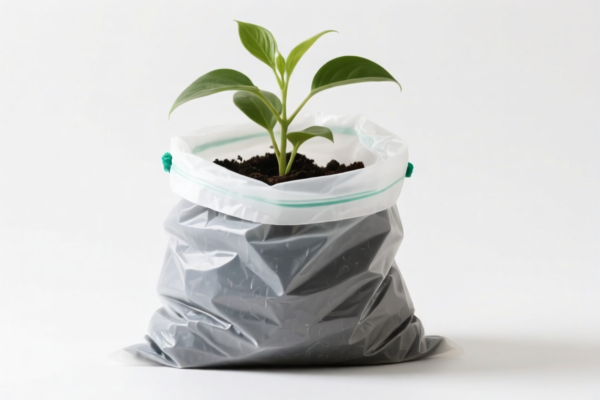
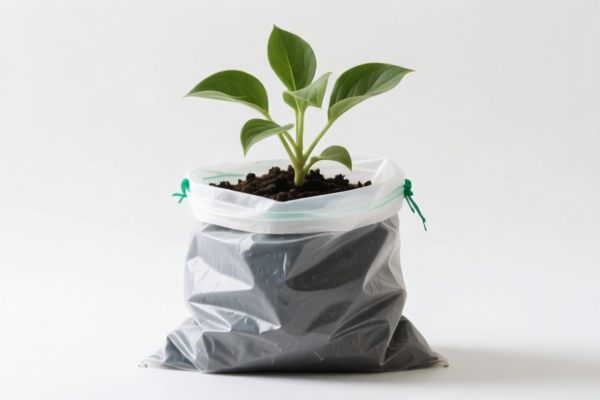
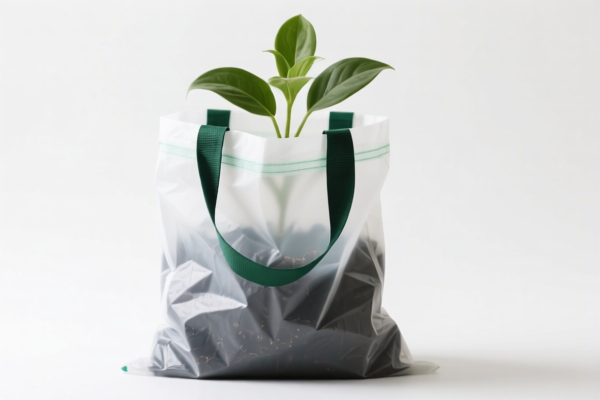
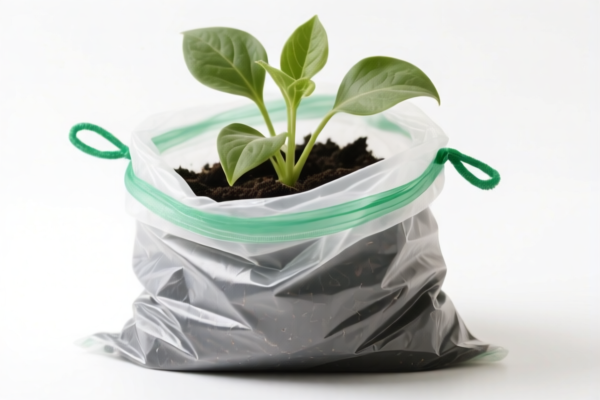
AI分析
🌱 Plant Bags & Grow Baskets: The Ultimate HS Code & Duty Guide for US Imports
🌐 HS Code Reference & Clearance Guide | 2026 Latest Tariff Analysis | Professional Customs Strategy
📌 I. Product Definition: What Exactly Is a "Plant Bag"?
In international trade, "Plant Bags" are not a single homogeneous category. They are strictly classified based on Material and Form. Misclassification leads to massive duty discrepancies (from ~26% to 40%+).
The Two Main Categories: 1. Plastic Grow Bags: Made from polymers (PE, PP). Used for hydroponics, nursery stock, or soil cultivation. 2. Textile/Non-Woven Grow Bags: Made from spunbond polypropylene (PP) or other textile materials. Breathable, reusable, and popular in eco-friendly gardening. 3. Ceramic Planters/Baskets: Hard, rigid vessels made of ceramic material.
⚠️ Critical Distinction:
- If it is flexible plastic, it falls under Chapter 39.
- If it is breathable textile/non-woven, it falls under Chapter 63.
- If it is rigid ceramic, it falls under Chapter 69.
- Do not mix these up. The duty rates differ significantly.
📦 II. HS Code Classification Matrix (2026 Latest Tariff Authority)
Based on the provided data, here is the precise breakdown for US imports from China.
| HS Code | Product Description | Material/Form | Key Logic |
|---|---|---|---|
3923.29.00.00 |
Plastic Plant Bags (Pouches/Sacks) | Plastic (General) | "Plastic sacks and bags" for goods packaging. |
3923.21.00.95 |
Plastic Plant Bags (Specific) | Ethylene Polymers | Specific sub-category for ethylene-based plastic sacks. |
6305.33.00.80 |
Textile Grow Bags | Polypropylene/Polyethylene Textile | "Sacks and bags" of polyethylene or polypropylene textile materials. |
6305.39.00.00 |
Other Textile Bags | Other Polyethylene Textiles | "Other" textile sacks/bags (fallback for non-standard textile compositions). |
6914.90.80.00 |
Ceramic Plant Baskets | Ceramic | "Ceramic articles" other than headwear (rigid vessels). |
🔍 Classification Key:
- Chapter 39 (Plastic): If the bag is a continuous plastic film or solid plastic pouch.
- Chapter 63 (Textile): If the bag is made from woven, non-woven, or felt textile materials (even if made of plastic fibers like PP, if it has textile properties, it goes here).
- Chapter 69 (Ceramic): If it is a hard, fired clay vessel.
💰 III. 2026 Tariff Rate Breakdown (Detailed Tax Analysis)
✅ Applicable Country: United States (US)
✅ Origin: China (CN)
✅ Effective Date: Current rates include Section 301 and IEEPA additions.
🎯 1. Plastic Bags (3923.29.00.00 & 3923.21.00.95)
These codes attract the highest total duty rate due to a higher base duty.
| Item | Detail |
|---|---|
| Base Duty Rate | 3.0% (Standard MFN) |
| Section 301 Duty | +25.0% (Trade Enforcement) |
| IEEPA 122 Clause | +10.0% (Additional US Levy) |
| Total Effective Duty | 38.0% |
| Calculation | CIF Value × 38.0% |
| De Minimis Exemption? | ❌ No. Denied for Section 301/IEEPA goods. |
| Legal Pathway | Base:3923 → Sec301:25% → IEEPA:10% |
📌 Explanation:
- Plastic bags are considered "packaging materials" under Chapter 39.
- The 38% rate is punishing. Even though the base is low (3%), the additions are high.
- Note: Both3923.29.00.00and3923.21.00.95share this 38% total rate.
🎯 2. Textile/Non-Woven Bags (6305.33.00.80 & 6305.39.00.00)
These codes benefit from a lower base duty, resulting in a lower total rate.
| Item | Detail |
|---|---|
| Base Duty Rate | 8.4% (Standard MFN) |
| Section 301 Duty | +7.5% (Trade Enforcement) |
| IEEPA 122 Clause | +10.0% (Additional US Levy) |
| Total Effective Duty | 25.9% |
| Calculation | CIF Value × 25.9% |
| De Minimis Exemption? | ❌ No. Denied for Section 301/IEEPA goods. |
| Legal Pathway | Base:6305 → Sec301:7.5% → IEEPA:10% |
📌 Explanation:
- Textile bags (6305.33or6305.39) have a higher base (8.4%) but a much lower Section 301 addition (7.5%) compared to plastic bags (25%).
- Savings: Choosing the correct textile classification can save 12.1% in total duties (38% vs 25.9%).
🎯 3. Ceramic Plant Baskets (6914.90.80.00)
| Item | Detail |
|---|---|
| Base Duty Rate | 5.6% |
| Section 301 Duty | +25.0% |
| IEEPA 122 Clause | +10.0% |
| Total Effective Duty | 40.6% |
| Calculation | CIF Value × 40.6% |
| De Minimis Exemption? | ❌ No. |
📌 Explanation:
- Ceramic items are heavy and bulky, often incurring higher freight costs.
- The 40.6% rate is the highest of all categories due to the high Section 301 addition (25%).
🛠️ IV. Practical Clearance Advice (Avoiding Pitfalls)
✅ 1. Material Verification is Key
海关 (Customs) will inspect the physical product. - Test for Porosity: If water/air passes through easily, it is likely Textile/Non-woven (6305.33/6305.39). This is your cheapest option (25.9%). - Test for Seam Type: Heat-sealed edges usually indicate Plastic (3923). Cold-sealed or woven edges indicate Textile (6305). - Hardness Check: If it cannot be bent and rings when tapped, it is Ceramic (6914) (Most Expensive: 40.6%).
✅ 2. Description Accuracy in Commercial Invoice
Do not just write "Plant Bag." Use specific descriptions to support your HS Code:
| HS Code | Recommended Description |
|---|---|
3923.29.00.00 |
"Plastic Pouch/Sack, Polyethylene, for Nursery Plants, Heat-Sealed" |
6305.33.00.80 |
"Grow Bag, Spunbond Polypropylene (Non-Woven Textile), Breathable, Reusable" |
6305.39.00.00 |
"Textile Sack, Polypropylene Fabric, for Agricultural Planting" |
6914.90.80.00 |
"Ceramic Plant Pot/Basket, Fired Clay, Glazed" |
✅ 3. Cost-Saving Strategy
- Switch Material: If your product is currently a plastic bag (38%), can you switch to Non-Woven Polypropylene (6305)?
- Savings: 12.1% duty reduction.
- Benefit: Non-woven bags are often perceived as more "eco-friendly" and breathable, adding marketing value.
- Avoid Ceramic for Volume: Unless it is a high-value decorative item, the 40.6% duty + high shipping weight makes ceramic less competitive for bulk planting bags.
🌍 V. Global Market Comparison (2026)
| Destination | HS Code (Example) | Total Duty (China Origin) | Key Requirement |
|---|---|---|---|
| 🇺🇸 USA | 6305.33.00.80 |
25.9% | Detailed Material Breakdown |
| 🇺🇸 USA | 3923.29.00.00 |
38.0% | Plastic Classification Proof |
| 🇪🇺 EU | 6305.33 |
~12-14% | No IEEPA, but CE/REACH apply |
| 🇨🇦 Canada | 6305.33 |
~10-12% | CUSMA eligibility check |
📌 Conclusion:
- The US market is highly sensitive to Section 301 and IEEPA tariffs.
- Textile bags (6305.33/6305.39) offer the best balance of duty (25.9%) and functionality.
- Plastic bags (3923) are acceptable but carry a high tax burden (38%).
- Ceramic (6914) is the most expensive and should be avoided for commodity-grade plant bags.
📌 VI. Common Mistakes & Warnings
❌ Mistake 1: Misclassifying Non-Woven as Plastic
- Error: Declaring Non-Woven PP bags under 3923.29.00.00.
- Consequence: You pay 38% instead of 25.9%. You overpay by 12.1% on every shipment.
- Correction: Ensure your invoice states "Non-Woven Textile" and provide material specs.
❌ Mistake 2: Ignoring IEEPA 122 Clause - Error: Assuming Section 301 (25% or 7.5%) is the only extra tax. - Consequence: Missing the additional 10% IEEPA tax leads to underpayment and penalties. - Correction: Always add +10% to your cost model for US imports from China.
❌ Mistake 3: Combining Different Materials in One Shipment - Error: Mixing ceramic pots and plastic bags in one HS Code. - Consequence: Customs may reject the entire shipment or audit at the highest rate. - Correction: Separate shipments or clearly declare separate line items with distinct HS Codes.
🎯 VII. Final Recommendation
🏆 Best Choice for Cost Efficiency:
HS Code
6305.33.00.80(Textile/Non-Woven Bags) - Total Duty: 25.9% - Why: Lowest total duty rate, high demand, eco-friendly perception.
🥈 Second Choice:
HS Code
3923.29.00.00(Plastic Bags) - Total Duty: 38.0% - Why: Higher duty, but suitable for watertight/hydroponic specific uses where textile fails.
❌ Avoid for Commodity:
HS Code
6914.90.80.00(Ceramic) - Total Duty: 40.6% - Why: Highest duty and freight costs. Only for premium decorative items.
✨ Professional Clearance Starts with Accurate Classification!
💼 Your Profit Margin Depends on the Right HS Code!
用户评价
关于 HS 编码归类
协调制度(HS)是由世界海关组织(WCO)制定的国际贸易商品分类标准。全球 200 多个国家采用 HS 系统作为海关关税、贸易统计和进出口监管的基础。
每个 HS 编码遵循以下层级结构:
- 章(2 位)——商品大类(例如:第 84 章:机器和机械设备)
- 品目(4 位)——章内的更具体分类
- 子目(6 位)——国际通用细分,所有 WCO 成员国统一使用
- 本国细分(8-10 位)——各国自行扩展的细分编码,如美国 HTSUS 10 位编码
正确的 HS 编码归类对于顺利通关、准确缴纳关税和遵守贸易法规至关重要。错误归类可能导致海关延误、多缴关税或罚款。
从CN进口到US时,适用的关税税率可能包括:
- 最惠国(MFN)税率——适用于 WTO 成员国的标准关税税率
- 普通税率——适用于无贸易协定国家
- 贸易救济关税——附加关税,如 301 条款(反倾销)、232 条款(国家安全)或反补贴税
本页内容仅供参考。如需正式归类,请咨询当地海关或持牌报关代理。