plant growth regulator dwarfing agent
CN → US| HS编码 | 关税税率 | 原产国 | 目的国 | 文档 |
|---|---|---|---|---|
| 2934991500 | 16.5% | CN | US | 官方文档 |
| 3808935040 | 40.0% | CN | US | 官方文档 |
| 2933998290 | 16.5% | CN | US | 官方文档 |
| 2933999701 | 16.5% | CN | US | 官方文档 |
| 2934991800 | 16.5% | CN | US | 官方文档 |
商品图片
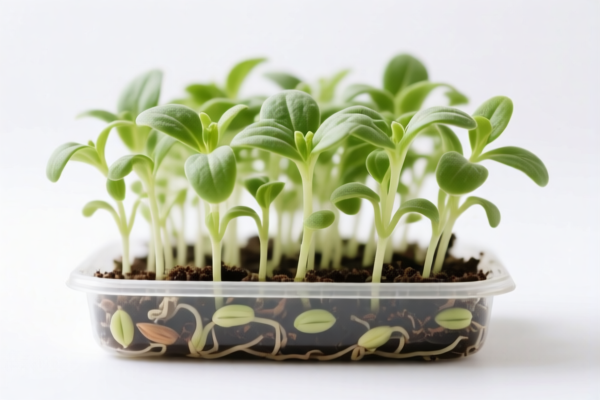
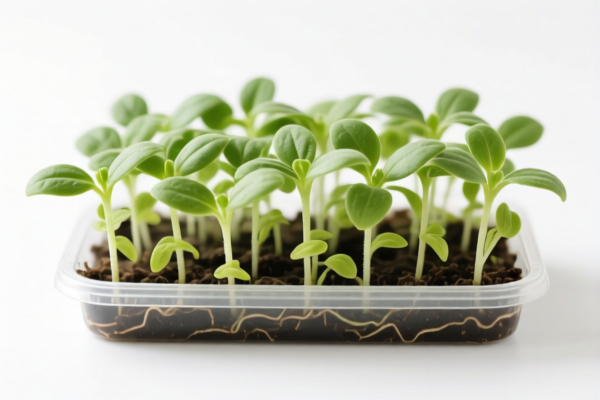
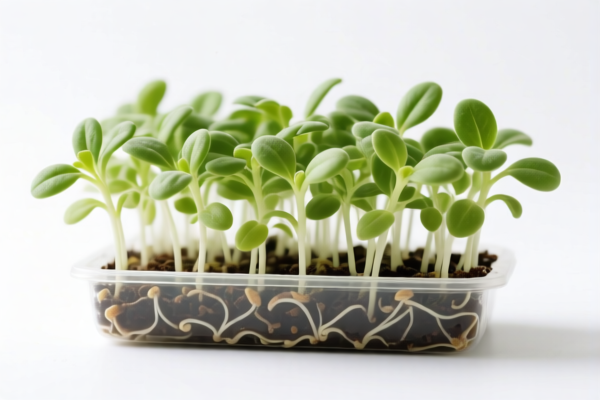
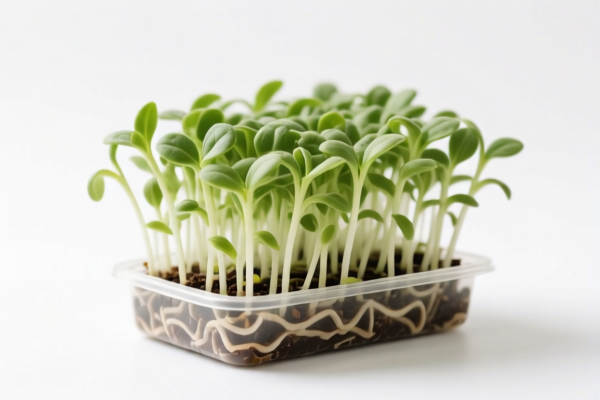
AI分析
🌱 Plant Growth Regulator / Dwarfing Agent
🌐 HS Code Reference & Customs Clearance Guide | 2026 Latest Tariff Analysis | Professional通关Strategy for U.S. Imports from China
📌 Part 1: Product Definition & Classification: What is a "Dwarfing Agent"?
A Plant Growth Regulator (PGR), specifically a Dwarfing Agent, is a chemical substance used to control the size, shape, or development of plants. In international trade, these are primarily classified under two broad categories: 1. Chemicals (Chapter 29/33): If the active ingredient is a defined organic chemical compound (e.g., specific heterocyclic compounds). 2. Pesticides/Plant Protection Products (Chapter 38): If the product is formulated as a finished pesticide or plant growth regulator intended for direct agricultural use.
⚠️ Key Distinction Point:
- If the product is a pure chemical intermediate or raw material with a specific chemical structure (e.g., nitrogen-containing heterocycles) → It often falls under Chapter 29 (Organic Chemicals).
- If the product is a finished formulation intended for application as a plant growth regulator/pesticide → It falls under Chapter 38 (Pesticides).
- Critical Risk: The U.S. imposes significantly different "Section 301" and "IEEPA" additional tariffs on Chapter 38 products compared to Chapter 29. Misclassification can lead to massive tariff shocks.
📦 Part 2: HS Code Classification Details (2026 Latest Tariff Authority Cross-Reference)
Based on the provided data, there are 5 potential HS Codes for "Plant Growth Regulator Dwarfing Agent." They are split into Chemical Categories (Lower Tax) and Pesticide Categories (Higher Tax).
| HS Code | Category Summary | Key Classification Logic | Material/Nature |
|---|---|---|---|
2934.99.15.00 |
Other Heterocyclic Compounds | Classified as a pesticide/herbicide regulator within the scope of "Other Heterocyclic Compounds." | Chemical synthetic substance; Logic: Pesticide use within heterocyclic category. |
3808.93.50.40 |
Pesticides / Plant Growth Regulators | Classified directly as a "Plant Growth Regulator" under Pesticides (Ch 38). | Formulated product; No material conflict with general pesticide category. |
2933.99.82.90 |
Nitrogen Heterocyclic Compounds | Classified as an organic compound containing nitrogen heteroatoms. | Chemical nature: Nitrogen-containing heterocyclic/aromatic compound. |
2933.99.97.01 |
Only Nitrogen Heterocyclic | Classified as an organic compound with only nitrogen heteroatoms in the ring. | Chemical nature: Nitrogen-only heterocyclic structure; No use conflict. |
2934.99.18.00 |
Other Heterocyclic Compounds | Classified under "Other Heterocyclic Compounds" based on pesticide application attributes. | Chemical nature: Application form of heterocyclic compounds consistent with pesticide use. |
🔍 Critical Insight:
- Chapter 38 (3808...) is the Pesticide Category. It carries a 40% Total Tax.
- Chapter 29/33 (2934...,2933...) are Chemical Categories. They carry a 16.5% Total Tax.
- Why the difference? Customs may view the same physical product differently based on how it is presented (raw chemical vs. formulated pesticide). Accurate documentation is vital.
💰 Part 3: 2026 Latest Tariff Rate Breakdown (Including Surcharges & Policy Add-ons)
✅ Applicable Country: United States (US)
✅ Origin: China (CN)
✅ Effective Time: Ongoing (Section 301 & IEEPA tariffs apply)
🎯 1. High-Tax Scenario: Chapter 38 (Pesticide Classification)
HS Code: 3808.93.50.40
Classification: Plant Growth Regulator (Finished Pesticide/Product)
| Item | Content |
|---|---|
| Base Tariff | 5.0% |
| Section 301 Surcharge | +25.0% |
| IEEPA Section 122 Surcharge | +10.0% |
| Total Tax Rate | 40.0% |
| Tax Calculation | CIF Value × 40% |
| De Minimis Exemption | ❌ Not Eligible (High-value chemical/p pesticide imports are excluded from de minimis) |
| Legal Basis Path | USITC:3808.93.50.40 → FOOTNOTE:Section301 → IEEPA:122 |
📌 Explanation:
- The 25% Section 301 tariff is standard for many chemical/pesticide imports from China.
- The 10% IEEPA (Section 122) tariff is specifically applied to agricultural chemicals/plant growth regulators in some contexts, or as an additional layer depending on current enforcement.
- Total 40% is a very high cost burden. This classification is risky if the product can be argued as a raw chemical.
🎯 2. Low-Tax Scenario: Chapter 29/33 (Chemical Classification)
HS Codes: 2934.99.15.00, 2933.99.82.90, 2933.99.97.01, 2934.99.18.00
Classification: Pure Chemicals / Organic Compounds
| Item | Content |
|---|---|
| Base Tariff | 6.5% |
| Section 301 Surcharge | 0.0% |
| IEEPA Section 122 Surcharge | +10.0% |
| Total Tax Rate | 16.5% |
| Tax Calculation | CIF Value × 16.5% |
| De Minimis Exemption | ❌ Not Eligible (Generally, bulk chemicals are not exempt) |
| Legal Basis Path | USITC:2934.99.15.00 (or others) → IEEPA:122 |
📌 Explanation:
- The 0% Section 301 surcharge on these specific chemical subheadings represents a significant savings (23.5% lower than Chapter 38).
- The 10% IEEPA surcharge still applies, which is why the total is 16.5% (6.5% + 10%).
- Strategic Importance: If your product is a pure chemical intermediate or can be legally described as such (rather than a "pesticide" or "plant protection product"), you should aim for these HS Codes.
🛠️ Part 4: Customs Clearance Practical Advice (Real-World Pitfall Avoidance)
✅ 1. Documentation Checklist (Non-Negotiable)
| Document | Required | Explanation |
|---|---|---|
| ✅ COA (Certificate of Analysis) | ✔️ | Must show Chemical Structure and Purity. Proves it is a raw chemical, not a formulated pesticide. |
| ✅ Technical Data Sheet (TDS) | ✔️ | Describes the chemical identity (e.g., CAS number, molecular formula). |
| ✅ Product Photo (Label/Packaging) | ✔️ | Crucial: If the label says "Pesticide," "Insecticide," or "Plant Growth Regulator," Customs will likely classify it under 3808.93.50.40 (40%). Avoid "Pesticide" terms on primary packaging for Chapter 29 classification. |
| ✅ Composition Statement | ✔️ | Clearly state if the product is 100% active ingredient or contains solvents/adjuvants. |
| ✅ Commercial Invoice | ✔️ | Use neutral terms like "Organic Chemical Compound" or "Heterocyclic Compound" instead of "Dwarfing Agent" if claiming Chapter 29. |
| ✅ CAS Number | ✔️ | Provide the specific CAS registry number for the active ingredient. |
✅ 2. Declaration Strategy (Key Mantra)
🔥 "Raw Chemical = Low Tax (16.5%), Formulated Product = High Tax (40%)!"
| Scenario | Correct Declaration | Incorrect Action |
|---|---|---|
| Pure Active Ingredient (Powder/Crystal) | HS Code: 2934.99.15.00 or 2933.99.82.90Description: "N-(...) Heterocyclic Compound" |
Use term "Plant Growth Regulator" or "Pesticide" |
| Finished Formulation (Liquid/Solution for Spraying) | HS Code: 3808.93.50.40Description: "Plant Growth Regulator Formulation" |
Claiming it is a raw chemical |
| Intermediates for Further Manufacturing | HS Code: 2933.99.97.01 |
Failing to prove it is not for direct agricultural use |
📌 Warning:
- If you declare2934.99.15.00but Customs inspects the product and finds it is a formulated pesticide (with solvents, emulsifiers, etc.), they will reclassify it to3808.93.50.40.
- Result: You will owe the difference in tax (23.5% of CIF value) + penalties.
✅ 3. Special Case Handling
| Situation | Handling Advice |
|---|---|
| Product has "Pesticide" on Label | You must use HS Code 3808.93.50.40 (40%). Do not attempt to reclassify as chemical to avoid severe penalties. |
| White Label / Private Label | If you are selling to a farmer/brander, ensure the shipper declares it as the raw chemical. The final end-user's label is not your declaration responsibility, but the product description in the invoice must be chemically accurate. |
| Mixed Shipments | Do not mix Chapter 29 and Chapter 38 products in one shipment if possible. Separate bills of lading help avoid cross-contamination of classification reviews. |
| IEEPA Section 122 Exemption? | Currently, no broad exemption. The 10% IEEPA tariff applies to all these HS codes for Chinese origin. |
🌍 Part 5: Global Market Comparison (2026 Latest)
| Country/Region | Recommended HS Code | Tariff Rate | Certification Requirements | Notes |
|---|---|---|---|---|
| 🇺🇸 United States | 2934.99.15.00 (Chemical)3808.93.50.40 (Pesticide) |
16.5% (Chemical) 40.0% (Pesticide) |
EPA Registration (if Pesticide) TSDF Compliance |
High Risk: EPA registration is mandatory if marketed as a PGR/Pesticide in the US. |
| 🇨🇳 China | 2933 or 3808 |
6.5% - 9% | N/A | Lower tariffs, no Section 301/IEEPA. |
| 🇪🇺 EU | 3808 or 2933 |
~6.5% | REACH Registration | No Section 301 tariffs. REACH compliance is the main barrier. |
| 🇦🇺 Australia | 3808 |
~5-10% | APVMA Approval | Similar to US but without Section 301. |
📌 Conclusion:
- The US market is the most expensive due to Section 301 and IEEPA tariffs.
- Chemical classification (16.5%) is a strategic advantage if legally justifiable.
- EPA Registration is a critical non-tariff barrier for plant growth regulators in the US.
📌 Part 6: Common Errors & Pitfall Guide (Blood-Lesson Summary)
❌ Error 1: Declaring a Formulated Pesticide as a Raw Chemical (2934...) to save tax.
👉 Consequence: Customs inspection reveals emulsifiers/solvents. Reclassified to 3808.... Back taxes + 23.5% penalty.
❌ Error 2: Using "Plant Growth Regulator" as the product name in the invoice for Chapter 29 codes.
👉 Consequence: Triggers automatic review for Pesticide classification (3808...). Delays + 40% Tax.
❌ Error 3: Ignoring IEEPA Section 122.
👉 Consequence: Even if Section 301 is 0%, the 10% IEEPA tariff is still applied. Total 16.5%, not 6.5%.
✅ Correct Practice:
"N-(...) Heterocyclic Organic Compound, Purity 98%, CAS No. XXXXX, for Industrial/Synthesis Use"
(Avoid "Dwarfing Agent" or "Pesticide" in the description if claiming Chapter 29)
🎯 Part 7: Conclusion: Professional Classification Saves Millions
🎯 Remember the Mantra:
🔹 "Raw Chemical = 16.5%, Formulated Pesticide = 40%. Name Matters, Label Matters, EPA Matters!"
🔹 "Don't call it a 'Dwarfing Agent' in the invoice if you want 16.5% Tax. Call it a 'Heterocyclic Compound'."
📌 Pro Tip:
If your product is already EPA-registered in the US, you must classify it under 3808.93.50.40 (40%).
If it is not registered and is a raw chemical for further processing, aim for 2934.99.15.00 (16.5%).
📣 Immediate Action:
📞 Consult a Customs Broker before shipping.
📄 Provide COA and TDS to confirm Chapter 29 eligibility.
🚀 Save 23.5% in tariffs by classifying correctly!
✨ Professional Classification Starts with Accurate Data!
💼 Every Percentage Point of Tariff is Pure Profit!
用户评价
关于 HS 编码归类
协调制度(HS)是由世界海关组织(WCO)制定的国际贸易商品分类标准。全球 200 多个国家采用 HS 系统作为海关关税、贸易统计和进出口监管的基础。
每个 HS 编码遵循以下层级结构:
- 章(2 位)——商品大类(例如:第 84 章:机器和机械设备)
- 品目(4 位)——章内的更具体分类
- 子目(6 位)——国际通用细分,所有 WCO 成员国统一使用
- 本国细分(8-10 位)——各国自行扩展的细分编码,如美国 HTSUS 10 位编码
正确的 HS 编码归类对于顺利通关、准确缴纳关税和遵守贸易法规至关重要。错误归类可能导致海关延误、多缴关税或罚款。
从CN进口到US时,适用的关税税率可能包括:
- 最惠国(MFN)税率——适用于 WTO 成员国的标准关税税率
- 普通税率——适用于无贸易协定国家
- 贸易救济关税——附加关税,如 301 条款(反倾销)、232 条款(国家安全)或反补贴税
本页内容仅供参考。如需正式归类,请咨询当地海关或持牌报关代理。