plastic casual slippers
CN → US| HS编码 | 关税税率 | 原产国 | 目的国 | 文档 |
|---|---|---|---|---|
| 6405209015 | 22.5% | CN | US | 官方文档 |
| 6405909060 | 22.5% | CN | US | 官方文档 |
| 6402996915 | 58.0% | CN | US | 官方文档 |
| 6402993110 | 16.0% | CN | US | 官方文档 |
| 6404198990 | 0.0% | CN | US | 官方文档 |
商品图片
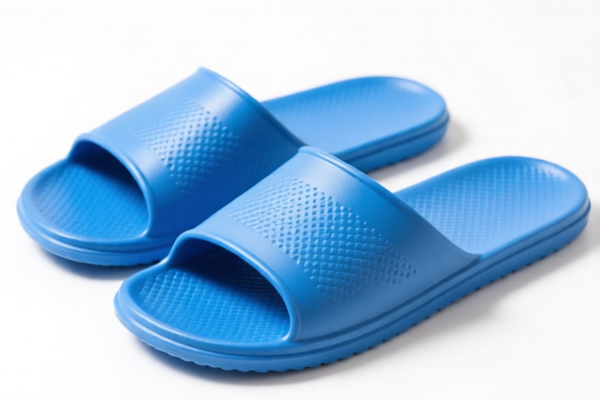
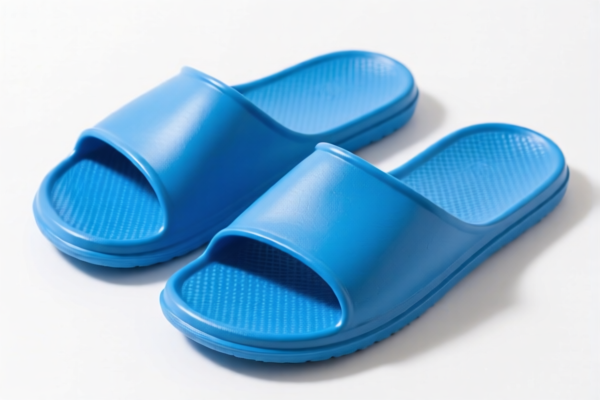
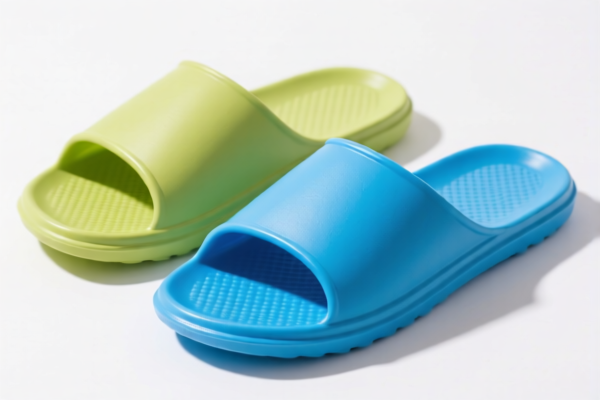
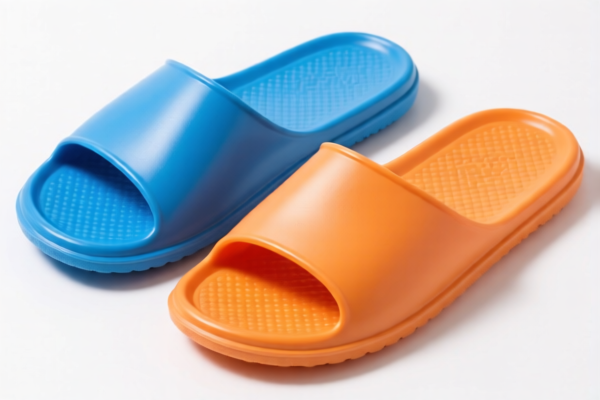
AI分析
🩴 Plastic Casual Slippers: Complete HS Code Guide & 2026 Tariff Strategy
🌐 Global Trade Compliance & Customs Clearance Strategy | 2026 Tariff Edition | Expert Breakdown
📌 One, Product Definition & Classification: What Exactly Are "Plastic Casual Slippers"?
Plastic Casual Slippers are versatile, low-cut footwear primarily designed for indoor or casual outdoor use. In international trade, the critical distinction lies in the sole material and the upper (vamp) material.
While "Plastic" is a broad term, the Harmonized System (HS) categorizes them based on: 1. Sole Composition: Is it strictly Plastic, or does it fall under Rubber/Plastic composites? 2. Upper Material: Is the upper made of Textile (fabric), Plastic, or Rubber? 3. Usage: Strictly for indoor leisure (Casual) vs. Safety/Protective gear.
⚠️ Key Classification Triggers: - Sole is Plastic + Upper is Textile → Often falls under 6405 (Other footwear) due to material conflict rules, unless specific rules dictate otherwise. - Sole is Plastic + Upper is Plastic/Rubber → Falls under 6402 (Rubber/Plastic footwear). - Specific Sub-codes: The last two digits (e.g.,
.15,.31,.90) determine the exact tax burden (16% vs. 22.5% vs. 58%).
📦 Two. Detailed HS Code Breakdown (2026 Tariff Reference)
Based on current trade data for Plastic Casual Slippers, here is the authoritative classification matrix.
| HS Code | Product Description & Logic | Applicable Scenario | Material Logic |
|---|---|---|---|
6405.20.90.15 |
Plastic Sole Slippers: Upper may be textile, but follows "Other Categories" matching rules. | Casual slippers where the sole is plastic, but the upper creates a "mismatch" requiring this specific fallback code. | Sole: Plastic Upper: Textile (Mixed) |
6405.90.90.60 |
Plastic Sole Slippers: Other footwear category, not for infants, no material conflict. | Standard casual slippers with plastic soles, not baby shoes, no specific protective function. | Sole: Plastic Upper: Generic |
6402.99.69.15 |
Plastic Sole Slippers: Strictly Plastic material, Indoor use. | High-Compliance category for slippers where all main materials (sole & upper) are plastic/resin. | Sole: Plastic Upper: Plastic |
6402.99.31.10 |
Plastic Sole Slippers: Rubber or Plastic attribute, consistent shape & use. | Slippers with rubber/plastic mix that aligns perfectly with functional use. | Sole: Rubber/Plastic Upper: Rubber/Plastic |
6402.99.31.45 |
Plastic Sole Slippers: Rubber/Plastic upper, Other category, No specific protection. | Casual slippers lacking specific safety gear (non-safety). | Sole: Rubber/Plastic Upper: Rubber/Plastic |
🔍 Critical Insight: - Codes starting with
6405often carry lower base tariffs (12.5%) but are subject to specific "Other" rules. - Codes starting with6402are the standard for "Rubber/Plastic Footwear."6402.99.69.15is the most common for 100% plastic molds but carries the highest base tariff (48%). - The .10 and .45 sub-codes within 6402 offer a sweet spot with a lower base tariff (6%).
💰 Three. 2026 Tariff Rate Breakdown (Deep Dive)
✅ Target Market: USA (High-risk zone for 122-section tariffs)
✅ Origin: China (CN)
✅ Effective Date: Current 2026 Policy Context
🎯 1. Low-Mid Risk Category: 6405.20.90.15 & 6405.90.90.60
The "Textile-Upper / Plastic-Sole" Hybrid Zone
| Tax Component | Rate | Details |
|---|---|---|
| Base Tariff | 12.5% | Standard Most-Favored-Nation (MFN) rate for "Other footwear." |
| Section 301 / "Add-on" | 0.0% | No additional Section 301 tariff applied to these specific sub-codes. |
| "122 Section" Tariff | 10% | Crucial: Additional tariff applied for specific Chinese imports under current Section 122 rules. |
| Total Effective Rate | 22.5% | 12.5% + 0% + 10% |
| Legal Path | 6405.20 + 122-Section-10% |
📌 Explanation: These slippers benefit from a lower base rate (12.5%). However, the 10% "122 Section" tariff acts as a heavy surcharge, bringing the total to 22.5%. This is significantly cheaper than the 100% plastic category!
🎯 2. High-Risk Category: 6402.99.69.15
The "100% Plastic" High-Tax Trap
| Tax Component | Rate | Details |
|---|---|---|
| Base Tariff | 48.0% | Extremely High. Standard MFN rate for specific plastic footwear. |
| Section 301 / "Add-on" | 0.0% | No additional Section 301 tariff. |
| "122 Section" Tariff | 10% | The same 10% surcharge applies. |
| Total Effective Rate | 58.0% | 48.0% + 0% + 10% |
| Legal Path | 6402.99.69 + 122-Section-10% |
📌 Explanation: If your slippers are 100% plastic (both sole and upper), you hit the 48% base tariff cliff. Even with the 10% surcharge, the total hits 58%. This is nearly 3x the cost of the
6405category. Avoid this code if possible!
🎯 3. The "Sweet Spot" Category: 6402.99.31.10 & 6402.99.31.45
The Rubber/Plastic Composite Zone
| Tax Component | Rate | Details |
|---|---|---|
| Base Tariff | 6.0% | Lowest Base Rate for this category. |
| Section 301 / "Add-on" | 0.0% | No additional Section 301 tariff. |
| "122 Section" Tariff | 10% | The mandatory 10% surcharge. |
| Total Effective Rate | 16.0% | 6.0% + 0% + 10% |
| Legal Path | 6402.99.31 + 122-Section-10% |
📌 Explanation: If you can design your slipper with a Rubber/Plastic mix or classify it under the specific
.31sub-category, you save a fortune. The base drops to 6%, making the Total 16%. This is the most cost-effective classification for plastic-sole slippers.
🛠️ Four. Customs Clearance Action Plan (Avoiding Pitfalls)
✅ 1. Pre-Shipment Documentation Checklist
| Document | Requirement | Why it Matters |
|---|---|---|
| ✅ Product Specs (BOM) | Explicitly list Upper Material vs. Sole Material | Crucial for distinguishing between 6405 (Textile/Plastic mix) and 6402 (All Plastic). |
| ✅ Material Composition Chart | Percentages of Rubber vs. Plastic vs. Textile | Determines if it falls into the 16% or 58% bracket. |
| ✅ Photos (Side/Bottom) | Clear view of sole texture and upper material | Customs officers need to verify "Plastic Sole" vs. "Fabric Upper." |
| ✅ 122 Section Declaration | Explicit statement on Country of Origin (China) | Required to calculate the mandatory +10% surcharge accurately. |
| ✅ Commercial Invoice | Must state "Plastic Casual Slippers" accurately | Vague descriptions lead to re-classification and delays. |
✅ 2. Smart Declaration Strategy (The "16% vs 58%" Trick)
🔥 Golden Rule: "Don't just say 'Plastic'. Say 'Plastic Sole + Rubber/Plastic Upper' or 'Plastic Sole + Textile Upper' to qualify for lower rates."
| Scenario | Recommended HS Code | Strategy |
|---|---|---|
| Pure Plastic Mold (Both parts) | 6402.99.69.15 |
High Risk: High tax (58%). Only use if unavoidable. |
| Plastic Sole + Textile Upper | 6405.20.90.15 |
Good: Moderate tax (22.5%). Easier to classify. |
| Plastic Sole + Rubber/Plastic Mix | 6402.99.31.10 |
Best: Lowest tax (16%). Optimize design! |
| Baby Slippers (Under 2 yrs) | Avoid All Above | Different category, potentially different tax. |
✅ 3. Special Handling for "122 Section" Tariffs
- The 10% Surcharge: This is a non-negotiable add-on for specific Chinese footwear imports. It is applied on top of the base tariff.
- Exemptions: Currently, there are no de minimis exemptions for footwear of this nature.
- Mitigation: Focus on Sub-category
.31(6% base) rather than fighting the 48% base of pure plastic codes.
🌍 Five. Global Market Comparison (2026)
| Market | Best HS Code for Plastic Slippers | Est. Total Tariff | Key Requirement |
|---|---|---|---|
| 🇺🇸 USA | 6402.99.31.10 |
16.0% (Best) | Strict "122 Section" compliance |
| 🇺🇸 USA (Pure Plastic) | 6402.99.69.15 |
58.0% (Avoid) | Heavy tariff penalty |
| 🇪🇺 EU | 6405 |
~8-15% | CE Mark + REACH compliance |
| 🇯🇵 Japan | 6405 |
~5-10% | PSE Certification (if applicable) |
| 🇦🇺 Australia | 6402 |
~10-15% | ATEX/RM (Regional) |
📌 Conclusion: The USA market presents the highest volatility due to the 122 Section 10% surcharge. The difference between a 16% and 58% tariff is the difference between profit and loss.
📌 Six. Common Mistakes & "Blood & Tears" Lessons
❌ Mistake 1: Calling all slippers "Plastic Shoes"
👉 Result: Customs defaults to the "Worst Case" (58% tax) because they assume 100% plastic.
✅ Fix: Specify "Plastic Sole, Textile Upper" or "Rubber/Plastic Upper" to trigger 6405 or 6402.31.
❌ Mistake 2: Ignoring the "122 Section" 👉 Result: Underpricing the product, leading to massive back-taxes + penalties upon audit. ✅ Fix: Always add +10% to your landed cost calculation for Chinese-origin footwear.
❌ Mistake 3: Confusing "Casual" with "Safety" 👉 Result: Misclassification as safety boots (higher tax) or vice versa. ✅ Fix: Ensure marketing materials clearly state "Casual/Indoor Use" only, not "Industrial Safety."
🎯 Seven. Final Verdict & Pro Tips
🔹 Pro Tip: If you have control over the design, do not make 100% plastic slippers. Add a rubberized upper or textile lining to push the classification to
6405or6402.99.31.🔹 Cost Saving Math: - Current Strategy (Pure Plastic): 58% Tax = $580 tax on $1000 goods. - Optimized Strategy (Mix): 16% Tax = $160 tax on $1000 goods. - Savings: $420 per shipment!
🔹 Action Item: Request a Pre-Ruling (Advance Ruling) from US Customs (CBP) before shipping large batches. Provide photos of the sole and upper separately to lock in the 16% or 22.5% rate.
✨ Smart Logistics, Precision Classification. 💼 Your Bottom Line Depends on the Last Two Digits!
用户评价
关于 HS 编码归类
协调制度(HS)是由世界海关组织(WCO)制定的国际贸易商品分类标准。全球 200 多个国家采用 HS 系统作为海关关税、贸易统计和进出口监管的基础。
每个 HS 编码遵循以下层级结构:
- 章(2 位)——商品大类(例如:第 84 章:机器和机械设备)
- 品目(4 位)——章内的更具体分类
- 子目(6 位)——国际通用细分,所有 WCO 成员国统一使用
- 本国细分(8-10 位)——各国自行扩展的细分编码,如美国 HTSUS 10 位编码
正确的 HS 编码归类对于顺利通关、准确缴纳关税和遵守贸易法规至关重要。错误归类可能导致海关延误、多缴关税或罚款。
从CN进口到US时,适用的关税税率可能包括:
- 最惠国(MFN)税率——适用于 WTO 成员国的标准关税税率
- 普通税率——适用于无贸易协定国家
- 贸易救济关税——附加关税,如 301 条款(反倾销)、232 条款(国家安全)或反补贴税
本页内容仅供参考。如需正式归类,请咨询当地海关或持牌报关代理。