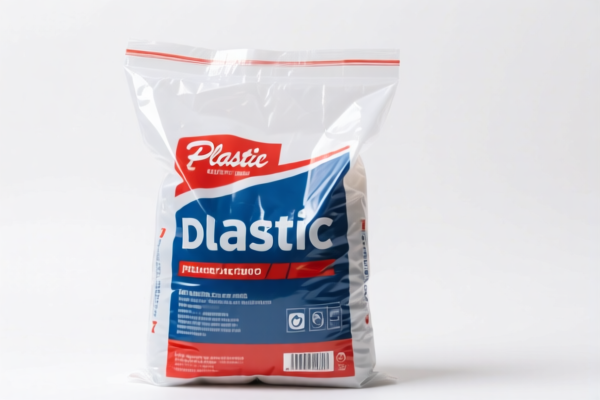
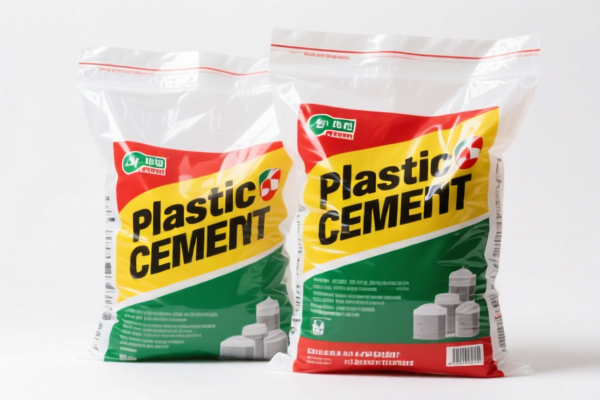
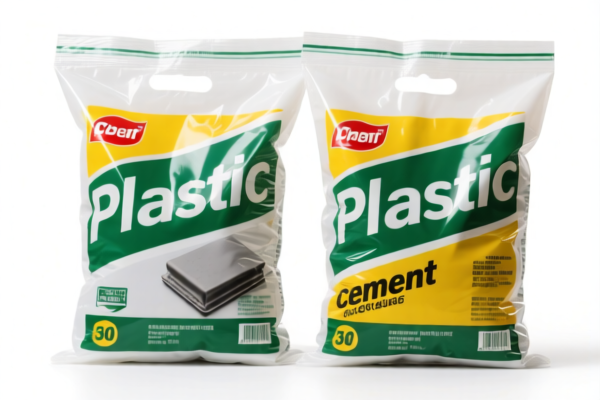
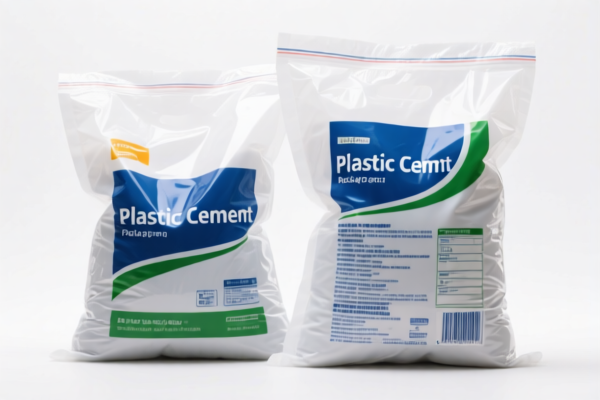
plastic cement bag
CN → US| HS编码 | 关税税率 | 原产国 | 目的国 | 文档 |
|---|---|---|---|---|
| 3923210030 | 38.0% | CN | US | 官方文档 |
| 4202929700 | 52.6% | CN | US | 官方文档 |
| 4202221500 | 51.0% | CN | US | 官方文档 |
商品图片
AI分析
🎒 Plastic Cement Bag (Packaging Bags for Industrial Use)
🌐 HS Code Reference & Clearance Guide | 2026 Latest Tariff Analysis | Professional Customs Strategy
📌 Part 1: Product Definition & Classification: Do You Really Understand "Plastic Cement Bags"?
Plastic cement bags are industrial packaging solutions primarily designed to hold and transport cement, powder chemicals, or granular materials. In international trade, they are classified based on two critical factors: 1. Material Composition: Specifically Plastic/Polymers (e.g., PP woven, LDPE, HDPE). 2. Form/Function: Specifically Sacks, Bags, or Containers (e.g., sacks, pouches, similar containers).
⚠️ Key Classification Logic: - If the item is a general-purpose plastic sack (like a shopping bag or generic sack) without specific features of a textile bag → It falls under Chapter 39 (Plastics). - If the item has features typical of textile bags but with a plastic outer surface → It may fall under Chapter 42 (Articles of leather; similar materials). - Crucial Distinction: The presence of a "plastic sheet" outer surface vs. pure plastic material changes the HS Code from
3923to4202.
📦 Part 2: HS Code Classification Details (2026 Latest Tariff Authority Comparison)
| HS Code | Product Description | Key Matching Criteria | Total Tax Rate (US-China) |
|---|---|---|---|
3923.21.00.30 |
Sacks and bags (including cones), of plastics, for the packing of goods | Material: Plastic/Polyvinyl polymers. Form: Bags/Sacks. Logic: Classified under "Others" as a fallback for generic plastic packaging. |
38.0% |
4202.92.97.00 |
Sacks and bags, with outer surface of plastics or of textile materials | Material: Outer surface is plastic sheets. Form: Shopping bags, bottle bags, and similar containers. Logic: Fits the description of "bags" made with plastic sheeting. |
52.6% |
4202.22.15.00 |
Handbags, shopping bags, and similar containers | Material: Outer surface is plastic sheets. Form: Handbags/Containers. Logic: Explicitly matches "plastic sheet" outer surface and bag usage attributes. |
51.0% |
🔍 Critical Reminder: -
3923.21.00.30is the most common classification for standard plastic woven sacks used for cement because it treats the item as a pure plastic packing container. -4202codes are used if the bag is marketed or structured more like a "shopping bag" or has a distinct "plastic sheet" finish rather than woven plastic. - Do NOT mix these codes. Misclassification can lead to significant duty discrepancies (38% vs. 52.6%).
💰 Part 3: 2026 Latest Tariff Rate Breakdown (Including Surtaxes & Policy Add-ons)
✅ Applicable Country: United States (US)
✅ Origin: China (CN)
✅ Effective Date: November 10, 2025 (and subsequent imports)
🎯 1. 3923.21.00.30 —— Plastic Sacks and Bags (For Packing Goods)
| Item | Detail |
|---|---|
| Base Tariff | 3.0% (Ad Valorem) |
| Section 301 Surtax | +25.0% |
| Section 122 Tariff | +10.0% |
| Total Tax Rate | 38.0% |
| Calculation Basis | CIF Value × 38.0% |
| De Minimis Eligibility | ❌ No (Deny De Minimis) |
| Legal Authority Path | USITC:3923.21.00.30 → 301:Footnote 9903.02 → 122:Section 122 |
📌 Explanation: - This code is considered "general plastic packaging." - The 25% Section 301 tax applies to most Chinese plastic products. - The 10% Section 122 tax applies to imports that undermine domestic manufacturing (often applies to plastic sacks). - Total Cost Impact: High. Importers must budget for nearly 40% duty.
🎯 2. 4202.92.97.00 —— Sacks and Bags (Plastic/Textile Outer Surface)
| Item | Detail |
|---|---|
| Base Tariff | 17.6% (Ad Valorem) |
| Section 301 Surtax | +25.0% |
| Section 122 Tariff | +10.0% |
| Total Tax Rate | 52.6% |
| Calculation Basis | CIF Value × 52.6% |
| De Minimis Eligibility | ❌ No (Deny De Minimis) |
| Legal Authority Path | USITC:4202.92.97.00 → 301:Footnote 9903.02 → 122:Section 122 |
📌 Explanation: - The higher base tariff (17.6%) reflects its classification under Chapter 42 (Articles of leather/plastic sheeting), which is taxed more heavily than pure plastic packaging (Chapter 39). - This rate is 14.6% higher than the
3923classification. - Risk: If customs determines your "cement bag" is actually a "plastic sheet bag" (shopping-style), this higher rate applies.
🎯 3. 4202.22.15.00 —— Handbags/Shopping Bags (Plastic Sheet Outer)
| Item | Detail |
|---|---|
| Base Tariff | 16.0% (Ad Valorem) |
| Section 301 Surtax | +25.0% |
| Section 122 Tariff | +10.0% |
| Total Tax Rate | 51.0% |
| Calculation Basis | CIF Value × 51.0% |
| De Minimis Eligibility | ❌ No (Deny De Minimis) |
| Legal Authority Path | USITC:4202.22.15.00 → 301:Footnote 9903.02 → 122:Section 122 |
📌 Explanation: - Slightly lower base tariff (16.0%) than
4202.92.97.00, but still significantly higher than3923. - Applies if the bag is explicitly designed as a "handbag" or "shopping bag" style, even if used for industrial bulk goods.
🛠️ Part 4: Customs Clearance Practical Advice (Real-World Pitfall Guide)
✅ 1. Documentation Checklist (Must-Have)
| Document | Required | Explanation |
|---|---|---|
| ✅ Product Specification Sheet | ✔️ | Must specify: Material (PP/PE), Weave Density, Lamination Type, Dimensions. |
| ✅ Product Photos | ✔️ | Clear images showing the bag structure (woven vs. sheet). |
| ✅ Commercial Invoice | ✔️ | Description must be precise: "Plastic Woven Sack for Cement" vs. "Plastic Bag." |
| ✅ Packing List | ✔️ | Weight per bag, bags per pallet. |
| ✅ Certificate of Origin | ✔️ | To prove CN origin (critical for surtax application). |
✅ 2. Declaration Strategy (Key Tips)
🔥 “Material Matters: Woven vs. Sheet, Code Changes Everything!”
| Scenario | Recommended HS Code | Reason |
|---|---|---|
| Standard Cement Sack (Woven PP/PE, no plastic coating or simple lamination) | 3923.21.00.30 |
Classified as pure plastic packaging. Lowest base tax. |
| Bag with Plastic Sheet Outer (Non-woven, film-coated, looks like a shopping bag) | 4202.92.97.00 |
Classified as "articles of plastic sheet." Higher base tax. |
| Retail-Style Plastic Bag (Even if used for bulk) | 4202.22.15.00 |
Classified as shopping/handbag type. High base tax. |
📌 Warning: - Do NOT declare a cement bag as "Plastic Bag" (
3923) if it has a visible plastic sheet structure. Customs may reclassify it to4202, resulting in a 14-15% duty increase + penalties. - Do NOT declare a woven sack as4202if it is clearly a plastic packing sack. You will overpay duties unnecessarily.
✅ 3. Special Cases
| Situation | Handling Advice |
|---|---|
| Reusable Plastic Bags | If marketed as "reusable," customs may lean toward 4202. Be cautious. |
| Bags with Printing | Printing does not change HS Code. Focus on material and form. |
| Mixed Shipments | If shipping both 3923 and 4202 items, declare separately. Do not blend. |
🌍 Part 5: Global Market Clearance Comparison (2026)
| Country/Region | Recommended HS Code | Tariff (China Origin) | Certification Req. | Notes |
|---|---|---|---|---|
| 🇺🇸 USA | 3923.21.00.30 |
38.0% | N/A | High surtax (301+122). |
| 🇨🇳 China | 3923.21.00.30 |
5.0% | N/A | Low entry tax. |
| 🇪🇺 EU | 3923.29 |
6.5% | REACH | Standard packaging duty. |
| 🇬🇧 UK | 3923.29 |
5.0% | UKCA | Post-Brexit rules. |
| 🇦🇺 Australia | 3923.29 |
5.0% | N/A | Low duty. |
📌 Conclusion: - USA is the most expensive market due to Section 301 and Section 122 tariffs. - Correct classification is critical: A 14.6% difference between
3923and4202can wipe out profit margins.
📌 Part 6: Common Mistakes & Pitfalls (Lessons Learned)
❌ Mistake 1: Calling a woven plastic sack a "Plastic Bag" without specifying "Woven."
👉 Consequence: Customs may classify it as 4202 (plastic sheet article) → +14.6% higher duty.
❌ Mistake 2: Using "Shopping Bag" description for industrial cement sacks. 👉 Consequence: Misleading declaration → Customs Audit/Delay.
❌ Mistake 3: Ignoring Section 122 Tariff. 👉 Consequence: Budgeting only for 25% (301) but paying 38% total → Unexpected Cost Overrun.
✅ Correct Practice:
"Polypropylene Woven Sack, 50kg Capacity, Unlined, for Industrial Cement Packing, Made in China"
🎯 Part 7: Conclusion: Professional Declaration Saves Money!
🎯 Remember:
🔹 "Woven Plastic = 3923 (38%) | Plastic Sheet = 4202 (51-52%)" 🔹 "One percentage point difference can cost thousands. Define material accurately!"
📌 Tips:
- If your bags are exported to non-US markets, the duty is much lower (5-6%).
- For US imports, consider applying for an Exclude (if applicable) or exploring Supply Chain Diversification (Vietnam/Mexico) to mitigate 301+122 tariffs.
📣 Immediate Action:
📞 Consult a licensed customs broker. 📤 Provide clear product specs. 🚀 Ensure your invoice matches the HS Code logic (Material + Form).
✨ Professional clearance starts with precise classification! 💼 Your profit margin depends on accurate duty calculation!
用户评价
关于 HS 编码归类
协调制度(HS)是由世界海关组织(WCO)制定的国际贸易商品分类标准。全球 200 多个国家采用 HS 系统作为海关关税、贸易统计和进出口监管的基础。
每个 HS 编码遵循以下层级结构:
- 章(2 位)——商品大类(例如:第 84 章:机器和机械设备)
- 品目(4 位)——章内的更具体分类
- 子目(6 位)——国际通用细分,所有 WCO 成员国统一使用
- 本国细分(8-10 位)——各国自行扩展的细分编码,如美国 HTSUS 10 位编码
正确的 HS 编码归类对于顺利通关、准确缴纳关税和遵守贸易法规至关重要。错误归类可能导致海关延误、多缴关税或罚款。
从CN进口到US时,适用的关税税率可能包括:
- 最惠国(MFN)税率——适用于 WTO 成员国的标准关税税率
- 普通税率——适用于无贸易协定国家
- 贸易救济关税——附加关税,如 301 条款(反倾销)、232 条款(国家安全)或反补贴税
本页内容仅供参考。如需正式归类,请咨询当地海关或持牌报关代理。