plastic cutting mat
CN → US| HS编码 | 关税税率 | 原产国 | 目的国 | 文档 |
|---|---|---|---|---|
| 5903102010 | 35.0% | CN | US | 官方文档 |
| 4016996050 | 37.5% | CN | US | 官方文档 |
| 4016990500 | 20.9% | CN | US | 官方文档 |
| 5903102090 | 35.0% | CN | US | 官方文档 |
| 3921190090 | 41.5% | CN | US | 官方文档 |
商品图片
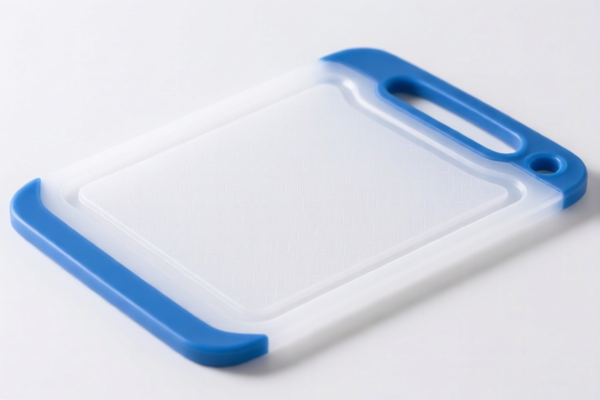
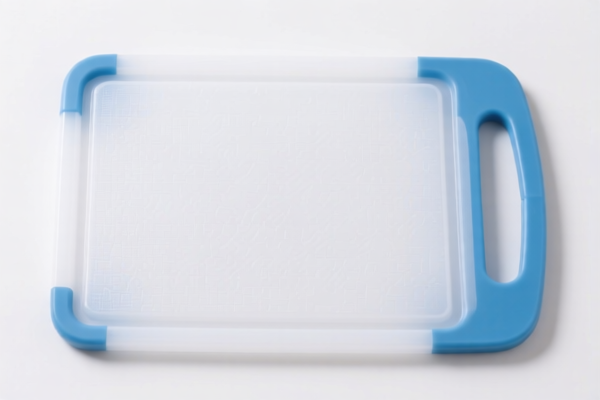
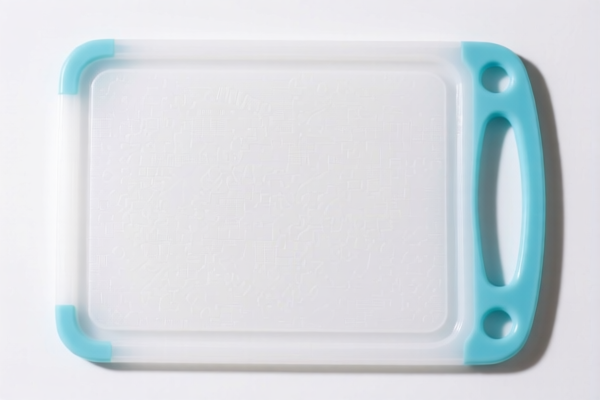

AI分析
✂️ Plastic Cutting Mat (The Ultimate Guide to Customs Clearance)
🌐 HS Code Reference & Customs Clearance Strategy | 2026 Latest Tariff Analysis | Professional Grade Compliance
📌 I. Product Definition & Classification: Do You Really Know "Cutting Mat"?
Plastic Cutting Mats are essential tools for crafts, sewing, engineering, and industrial applications. In international trade, they are not classified as a single generic item. Instead, they are divided based on their material composition and manufacturing process. Misclassification leads to severe penalties and delays.
Vinyl Coated Fabrics (PVC): Mats made from fabric impregnated or coated with polyvinyl chloride. Often marketed as "heavy-duty" or "industrial" mats. Solid Plastic Sheets/Mats: Mats made from molded or extruded plastic sheets (e.g., polyethylene, PVC sheets). Rubber Products: Mats made from vulcanized rubber or similar rubber materials.
⚠️ Key Distinction Point:
- If the mat is a fabric base coated with plastic (PVC) →归入 5903.10 (Textile + Plastic)
- If the mat is a solid rubber piece → 归入 4016.99 (Rubber Articles)
- If the mat is a solid plastic sheet/board → 归入 3921.19 (Plastic Plates/Sheets)
📦 II. HS Code Classification Details (2026 Latest Tariff Authority Comparison)
Based on the provided data, here are the specific classifications for different types of cutting mats:
| HS Code | Product Description | Application Scenario | Material Type | Total Tax Rate |
|---|---|---|---|---|
5903.10.20.10 |
Polyvinyl chloride (PVC) coated fabrics, suitable for multi-purpose consumable cutting mats | Craft mats, graphic design mats, self-healing mats (fabric base) | PVC Coated Fabric | 35.0% |
4016.99.60.50 |
Other vulcanized rubber products, suitable for non-specific use rubber cutting mats | Industrial rubber mats, heavy-duty studio mats | Vulcanized Rubber | 37.5% |
4016.99.05.00 |
Other household items, suitable for vulcanized rubber or similar rubber material cutting mats | Home craft rubber mats, specific household use | Rubber/Similar Rubber | 20.9% |
5903.10.20.90 |
Other PVC coated fabrics, suitable for plastic-impregnated/coated material cutting mats | Industrial PVC mats, general purpose coated mats | PVC Coated Fabric | 35.0% |
3921.19.00.90 |
Plates, sheets, film, foil of plastics, suitable for plastic material cutting boards | Solid plastic boards, acrylic-like cutting mats | Solid Plastic | 41.5% |
🔍 Critical Reminder:
- Material is King: Customs officers will strip-test or request material composition certificates. If you claim "Plastic" but it's "Rubber," you face fraud charges. - "Coated" vs. "Solid": A mat that feels like fabric but has a plastic coating falls under 5903 (Textile Chapter), NOT 39 (Plastics Chapter). This is the most common error. - Use Case Matters: For rubber mats, "Household" (4016.99.05.00) has a lower tax rate (20.9%) than "Non-specific" (4016.99.60.50, 37.5%). Ensure marketing materials emphasize household use if applicable.
💰 III. 2026 Latest Tariff Rate Breakdown (Including Surcharges & Policy Add-ons)
✅ Applicable Country: United States (US)
✅ Origin: China (CN)
✅ Effective Date: Includes imports after recent tariff adjustments (Base + Section 301 + Section 122/IEEPA)
🎯 1. 5903.10.20.10 & 5903.10.20.90 —— PVC Coated Fabric Cutting Mats
| Item | Details |
|---|---|
| Base Duty Rate | 0.0% (ad valorem) |
| Section 301 Surcharge | +25.0% (USITC Footnote associated with HTS 5903) |
| Section 122 / IEEPA Surcharge | +10.0% (Targeted Chinese goods) |
| Total Duty Rate | 35.0% |
| Tax Calculation | CIF Value × 35% |
| De Minimis Exemption | ❌ Not Eligible (deny_de_minimis) |
| Legal Basis Path | Base: 5903.10 → Sec301: +25% → Sec122: +10% |
📌 Explanation:
- These mats are classified as textile-based composites. - Although the base duty is 0%, the 35% total effective rate is high due to trade war tariffs. - Common Error: Importing as "Plastic Sheets" to avoid textile tariffs will fail if the fabric base is detected.
🎯 2. 4016.99.60.50 —— Non-Specific Rubber Cutting Mats
| Item | Details |
|---|---|
| Base Duty Rate | 2.5% (ad valorem) |
| Section 301 Surcharge | +25.0% |
| Section 122 / IEEPA Surcharge | +10.0% |
| Total Duty Rate | 37.5% |
| Tax Calculation | CIF Value × 37.5% |
| De Minimis Exemption | ❌ Not Eligible (deny_de_minimis) |
| Legal Basis Path | Base: 4016.99 → Sec301: +25% → Sec122: +10% |
📌 Note:
- This is the highest tax bracket in the dataset. - Only use this code if the mat is clearly rubber and not intended for specific household labeling. - Cost Impact: This rate is 16.6 percentage points higher than the household rubber option.
🎯 3. 4016.99.05.00 —— Household Rubber Cutting Mats
| Item | Details |
|---|---|
| Base Duty Rate | 3.4% (ad valorem) |
| Section 301 Surcharge | +7.5% (Reduced surcharge for specific household items) |
| Section 122 / IEEPA Surcharge | +10.0% |
| Total Duty Rate | 20.9% |
| Tax Calculation | CIF Value × 20.9% |
| De Minimis Exemption | ❌ Not Eligible (deny_de_minimis) |
| Legal Basis Path | Base: 4016.99.05 → Sec301: +7.5% → Sec122: +10% |
📌 Optimization Tip:
- This is the MOST COST-EFFECTIVE option for rubber mats. - Condition: The product MUST be marketed, labeled, and sold as a Household Item. - If you sell it to industrial buyers, customs may reclassify it to4016.99.60.50(37.5%) and assess back-duties.
🎯 4. 3921.19.00.90 —— Solid Plastic Cutting Boards
| Item | Details |
|---|---|
| Base Duty Rate | 6.5% (ad valorem) |
| Section 301 Surcharge | +25.0% |
| Section 122 / IEEPA Surcharge | +10.0% |
| Total Duty Rate | 41.5% |
| Tax Calculation | CIF Value × 41.5% |
| De Minimis Exemption | ❌ Not Eligible (deny_de_minimis) |
| Legal Basis Path | Base: 3921.19 → Sec301: +25% → Sec122: +10% |
📌 Warning:
- This is the HIGHEST TAX RATE in the dataset. - Only use if the mat is a solid, non-textile, non-rubber plastic sheet. - Do not use for "cutting mats" that have any fabric or rubber component.
🛠️ IV. Customs Clearance Practical Advice (Battle-Tested Pitfall Avoidance)
✅ 1. Required Documentation Checklist (Non-Negotiable)
| Document | Mandatory? | Description |
|---|---|---|
| ✅ Product Specification Sheet | ✔️ | Must explicitly state: Material Composition (e.g., "60% Polyester Fabric, 40% PVC Coating") |
| ✅ Material Safety Data Sheet (MSDS) | ✔️ | Required for chemical clearance, especially for PVC and Rubber. |
| ✅ Product Photos (Front/Back/Edge) | ✔️ | Must show texture. If it looks like fabric, declare as 5903. If smooth solid, declare as 3921. |
| ✅ Commercial Invoice | ✔️ | Must use precise description: "PVC Coated Fabric Cutting Mat" or "Household Rubber Cutting Mat". Avoid generic "Plastic Mat". |
| ✅ Packaging Label | ✔️ | Label should indicate intended use (e.g., "For Home Craft Use") if claiming the lower 20.9% rate for rubber. |
✅ 2. Declaration Strategies (Key Mantras)
🔥 “Material First, Use Second, Name Precise, Tax Minimized!”
| Scenario | Correct Declaration | Incorrect Declaration | Consequence |
|---|---|---|---|
| Fabric-based PVC mat | 5903.10.20.10 |
"Plastic Sheet" | 41.5% (Wrong, plus potential fraud) |
| Solid Plastic Board | 3921.19.00.90 |
"Rubber Mat" | 37.5% (Wrong, mismatched material) |
| Rubber Mat (Home Use) | 4016.99.05.00 |
"Industrial Rubber Pad" | 37.5% (Lost savings of ~16.6%) |
| Rubber Mat (Industrial) | 4016.99.60.50 |
"Household Mat" | 20.9% → Audited & Back-duties |
✅ 3. Special Case Handling
| Situation | Handling Advice |
|---|---|
| Hybrid Mats (Rubber + Fabric) | Declare as Rubber (4016) if rubber is the essential character. Provide composition % in invoice. |
| "Self-Healing" Mats | Usually PVC-coated fabric (5903). Ensure the "self-healing" property doesn't trigger chemical restrictions. |
| OEM Private Label | If the buyer is a craft store, label as "Household" to qualify for 4016.99.05.00 (20.9%). |
| Industrial/Studio Grade | Must declare as "Non-specific" or "Industrial" to avoid misrepresentation. Use 5903 or 4016.99.60.50. |
🌍 V. Global Market Clearance Comparison (2026 Latest)
| Country/Region | Recommended HS Code | Duty Rate | Certification | Notes |
|---|---|---|---|---|
| 🇺🇸 USA | 4016.99.05.00 (Rubber/Household) |
20.9% | None | Best rate for rubber. 5903 is 35%. 3921 is 41.5%. |
| 🇨🇳 China | 4016.99.05.00 |
~5-10% | CCC (if applicable) | Lower base rates, no Section 301. |
| 🇪🇺 EU | 4016.99 / 5903 |
0-4% | REACH (Chemicals) | Check REACH compliance for PVC/Rubber. |
| 🇬🇧 UK | 4016.99 / 5903 |
0-4% | UKCA | Post-Brexit rules similar to EU for duty. |
📌 Conclusion:
- USA is the most punitive market for cutting mats due to Section 301 and Section 122 tariffs. - Strategy: If selling to the US, maximize the "Household" classification for rubber mats (4016.99.05.00) to save 16.6% vs. the industrial rate. - Avoid3921.19.00.90(Plastic Sheets) unless necessary, as it carries the highest tax burden (41.5%).
📌 VI. Common Errors & Pitfall Guide (Blood & Tears Lessons)
❌ Error 1: Calling a "Fabric-Covered PVC Mat" a "Plastic Sheet"
👉 Result: Customs opens the package, sees fabric lining, reclassifies to 5903. If you declared 3921 (41.5%) but it should be 5903 (35%), you might think you saved money, but you face penalties for misdeclaration. If you declared 3921 and they find rubber, they reclassify to 4016.99.60.50 (37.5%) + fines.
❌ Error 2: Labeling Industrial Rubber Mats as "Household" to get 20.9%
👉 Result: Customs sees "Industrial Grade" in the description or buyer is a factory. Reclassified to 37.5% + Back Duties + Penalties.
❌ Error 3: Ignoring Material Composition
👉 Result: No MSDS → Detention at Border. PVC emits specific chemicals; customs requires safety data.
❌ Error 4: Using Generic "Cutting Mat" in Invoice
👉 Result: CBP (US Customs) uses discretion. If they guess wrong, you pay the highest applicable rate or face inspection delays.
✅ Correct Practice:
"Rubber Cutting Mat, 18x24 inch, Black, For Home Craft Use, Model XYZ, Vulcanized Rubber"
OR
"PVC Coated Fabric Cutting Mat, Self-Healing, Polyester Base with PVC Coating, Model ABC"
🎯 VII. Conclusion: Precise Classification Saves Profit!
🎯 Remember the Mantra:
🔹 "Rubber Household? 20.9%! Rubber Industrial? 37.5%! PVC Fabric? 35%! Solid Plastic? 41.5%!"
🔹 "Material Truths Save Dollars, Mislabeling Costs Thousands!"
📌 Pro Tip:
If your cutting mats are originally manufactured in Vietnam, Thailand, or Malaysia, you may be eligible to bypass Section 301/122 tariffs.
💡 Action:
📞 Consult a customs broker for Substantial Transformation documentation.
🚀 Legitimate Supply Chain Diversification is the only legal way to reduce these tariffs significantly.
📣 Immediate Action Required:
📝 Review your product labels today.
📝 Update your Commercial Invoices with specific material descriptions.
📝 Choose the correct HS Code based on Material + Use.
🚀 Clear Customs Smoothly, Protect Your Margins!
✨ Professional Customs Clearance Starts with Accurate Classification!
💼 Every Percentage Point Matters!
用户评价
关于 HS 编码归类
协调制度(HS)是由世界海关组织(WCO)制定的国际贸易商品分类标准。全球 200 多个国家采用 HS 系统作为海关关税、贸易统计和进出口监管的基础。
每个 HS 编码遵循以下层级结构:
- 章(2 位)——商品大类(例如:第 84 章:机器和机械设备)
- 品目(4 位)——章内的更具体分类
- 子目(6 位)——国际通用细分,所有 WCO 成员国统一使用
- 本国细分(8-10 位)——各国自行扩展的细分编码,如美国 HTSUS 10 位编码
正确的 HS 编码归类对于顺利通关、准确缴纳关税和遵守贸易法规至关重要。错误归类可能导致海关延误、多缴关税或罚款。
从CN进口到US时,适用的关税税率可能包括:
- 最惠国(MFN)税率——适用于 WTO 成员国的标准关税税率
- 普通税率——适用于无贸易协定国家
- 贸易救济关税——附加关税,如 301 条款(反倾销)、232 条款(国家安全)或反补贴税
本页内容仅供参考。如需正式归类,请咨询当地海关或持牌报关代理。