plastic drying clothespins
CN → US| HS编码 | 关税税率 | 原产国 | 目的国 | 文档 |
|---|---|---|---|---|
| 3926907000 | 22.8% | CN | US | 官方文档 |
| 3926906510 | 14.2% | CN | US | 官方文档 |
| 3926902500 | 24.0% | CN | US | 官方文档 |
| 3926908500 | 24.0% | CN | US | 官方文档 |
| 7326200020 | 88.9% | CN | US | 官方文档 |
商品图片
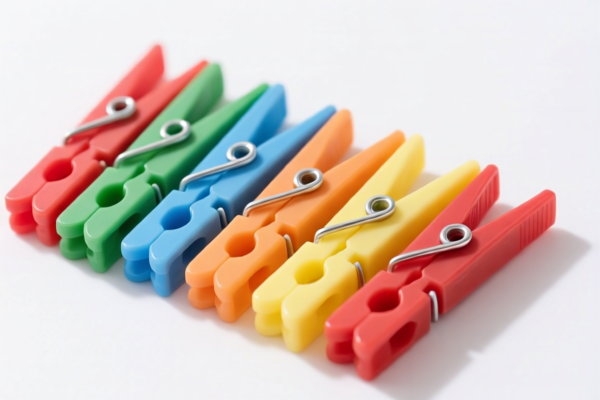
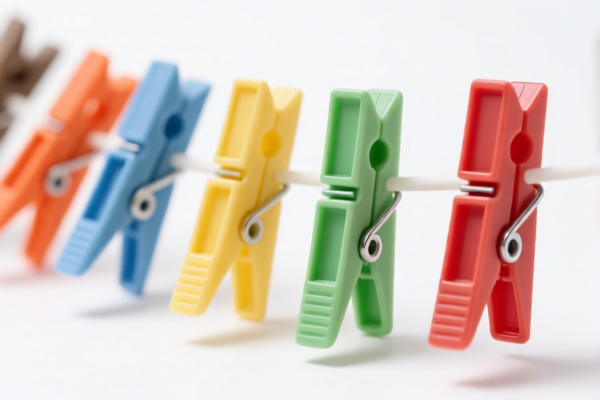
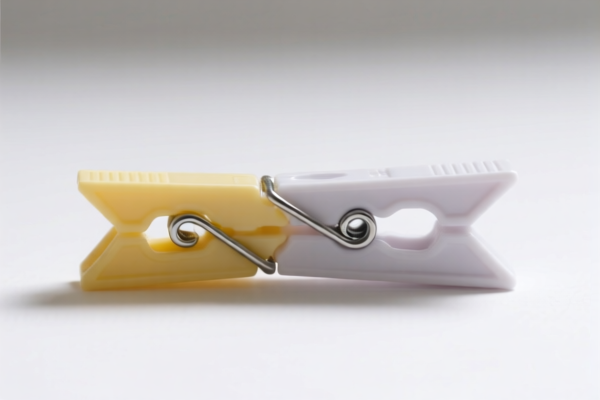
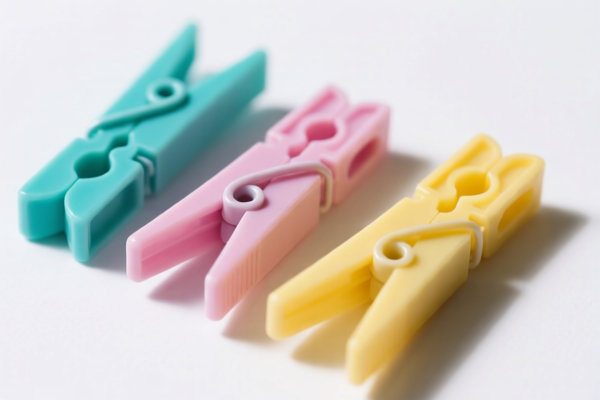
AI分析
🧺 Plastic Drying Clothespins (Clothes Pegs)
🌐 HS Code Reference & Customs Clearance Guide | 2024-2025 Tariff Breakdown | Professional Compliance Strategy
📌 I. Product Definition & Classification: What Exactly Are "Plastic Clothespins"?
Plastic drying clothespins are simple mechanical fasteners made primarily of polymer materials (typically Polypropylene PP or Acrylonitrile Butadiene Styrene ABS), designed to secure laundry to lines using spring tension or friction. In international trade, classification is critical because material composition and specific utility determine whether they are treated as generic plastic articles or specialized metal/plastic hybrids.
⚠️ Key Distinction:
- If the item is 100% plastic (including springs if integrated/molded) → Classified under Chapter 39 (Plastics).
- If the item contains metal springs or metal wires and is predominantly metal → Classified under Chapter 73 (Iron/Steel).
- Note: The provided data focuses on plastic-dominant items, with one outlier for metal-integrated items.
📦 II. HS Code Classification Matrix (Based on Provided Data)
| HS Code | Product Description | Material/Form | Total Tax Rate | Key Determinants |
|---|---|---|---|---|
3926.90.70.00 |
Plastic Clothespins (Matching Use/Form) | Plastic | 22.8% | Base 5.3% + Section 301 (7.5%) + Section 122 (10%) |
3926.90.65.10 |
Plastic Clothespins (General Plastic) | Plastic | 14.2% | Base 4.2% + No Section 301 + Section 122 (10%) |
3926.90.25.00 |
Plastic Clips/Clamps | Plastic | 24.0% | Base 6.5% + Section 301 (7.5%) + Section 122 (10%) |
3926.90.85.00 |
Plastic Clips/Fasteners | Plastic | 24.0% | Base 6.5% + Section 301 (7.5%) + Section 122 (10%) |
7326.20.00.20 |
Metal/Steel Clothespins (Outlier) | Steel/Iron | 88.9% | Base 3.9% + Section 301 (25%) + Section 122 (10%) + Aluminum/Copper/Steel Surcharge (50%) |
🔍 Critical Insight:
- The vast majority of plastic clothespins fall under HS 3926.90 (Other articles of plastics).
- The specific sub-code (65.10vs25.00vs70.00vs85.00) depends on precise manufacturing specifications and duty exemption status.
- HS 7326.20.00.20 is a high-risk classification. If your product has even minor metal components (like a standard metal spring), this code applies, leading to a catastrophic 88.9% tariff.
💰 III. Tariff Structure Breakdown (US Market Focus)
✅ Applicable Country: United States (US)
✅ Origin: China (CN)
✅ Effective Time: Current Trade Policies (Section 301 & 122)
🎯 1. The "Best Case" Scenario: HS 3926.90.65.10
Rate: 14.2%
| Component | Rate | Explanation |
|---|---|---|
| Base Duty | 4.2% | Standard USMF Most Favored Nation (MFN) rate for other plastic articles. |
| Section 301 (Trade War) | 0.0% | Exempt! This specific sub-code may be excluded from the 25% tariff list or listed under a lower bracket (7.5% is listed in other codes, but this one shows 0.0% for Section 301 in the data). Note: Data specifies "7.5%" for other codes, but 0.0% for this specific one. This discrepancy highlights the importance of precise classification. |
| Section 122 (Bicentennial/Specific) | 10.0% | Additional surcharge applied to specific plastic products from China. |
| Total Effective Rate | 14.2% |
📌 Why it matters: This is the lowest risk category. If you can prove your product fits this specific sub-heading, you save ~10-15% in duties compared to other plastic classifications.
🎯 2. The "Standard High-Tax" Scenario: HS 3926.90.70.00, .25.00, .85.00
Rate: 22.8% – 24.0%
| Component | Rate | Explanation |
|---|---|---|
| Base Duty | 5.3% - 6.5% | Varies by specific plastic article definition. |
| Section 301 (Trade War) | 7.5% | Partial or full application of the 25% tariff (often reduced to 7.5% for certain consumer goods in specific lists). |
| Section 122 | 10.0% | Mandatory surcharge. |
| Total Effective Rate | 22.8% - 24.0% |
📌 Risk: These codes are broader. If the customs officer deems your clothespin to be a "clip" or "fastener" rather than a general plastic article, the higher rate applies.
🎯 3. The "Trap" Scenario: HS 7326.20.00.20
Rate: 88.9%
| Component | Rate | Explanation |
|---|---|---|
| Base Duty | 3.9% | Low base for metal articles. |
| Section 301 | 25.0% | Full tariff for steel/iron articles. |
| Section 122 | 10.0% | Additional surcharge. |
| Steel/Aluminum/Copper Surcharge | 50.0% | CATASTROPHIC: Additional tax on specific metal products. |
| Total Effective Rate | 88.9% |
📌 WARNING: Do NOT classify plastic clothespins with metal springs under this code. If the product is >50% metal by weight or value, this may apply. For pure plastic, this is a misclassification error.
🛠️ IV. Customs Clearance Strategy & Recommendations
✅ 1. Material Verification (The #1 Priority)
| Scenario | Classification | Action |
|---|---|---|
| 100% Plastic (Molded spring or friction-fit) | 3926.90.65.10 (Preferred) |
Ensure no metal parts are used. Highlight "100% PP/ABS" on invoice. |
| Plastic Body + Plastic Spring | 3926.90.25.00 or .85.00 |
Standard plastic clip classification. |
| Plastic Body + Metal Spring/Wire | AVOID HS 7326 if possible, but be aware of risk | If metal content is significant, consult a broker. May require HTS 3926 if plastic is the essential character, OR face the 88.9% if classified as metal. |
💡 Pro Tip: Use all-plastic clothespins (with molded elastic cores) to stay firmly within Chapter 39 and avoid the 88.9% metal tax trap.
✅ 2. Documentation Checklist
| Document | Requirement | Purpose |
|---|---|---|
| Commercial Invoice | Clearly state: "100% Plastic Clothespins, No Metal Components" | Prevents customs from assuming metal content. |
| Product Specification Sheet | Detail material composition (% Plastic, % Metal if any) | Proves eligibility for Chapter 39. |
| Photos | Show close-ups of the spring/clip mechanism | Visual proof of plastic construction. |
| Customs Ruling (Optional) | Pre-classification ruling | Legal protection against retrospective tax changes. |
✅ 3. Declaration Keywords (For US CBP)
- ✅ Correct: "Plastic Drying Clothespins, 100% Polypropylene, Non-Metal"
- ✅ Correct: "Plastic Laundry Clips, Molded, No Metal Springs"
- ❌ Incorrect: "Laundry Clips" (Too vague, may trigger metal inquiry)
- ❌ Incorrect: "Metal Clothespins" (If false, leads to fraud penalties)
🌍 V. Market Comparison & Cost Impact
| Destination | HS Code (Plastic) | Approx. Tax Rate | Note |
|---|---|---|---|
| 🇺🇸 USA | 3926.90.65.10 |
14.2% | Best case with Section 122. |
| 🇺🇸 USA | 3926.90.25.00 |
24.0% | Standard plastic article tax. |
| 🇺🇸 USA | 7326.20.00.20 |
88.9% | Metal classification (Avoid!). |
| 🇨🇳 China | 3926.90 | ~5-6% | Low duty, no Section 301/122. |
| 🇪🇺 EU | 3926.90 | ~4.5% | Lower base duties, no US-style surcharges. |
📌 Conclusion:
The US market is the most challenging due to Section 122 and Section 301 tariffs. The difference between 14.2% and 88.9% is life-changing for margins. Strict material separation is key.
📌 VI. Common Pitfalls & Solutions
❌ Pitfall 1: Using mixed-material clothespins (Plastic + Metal Spring)
👉 Risk: Customs may classify under HS 7326 → 88.9% Tax.
✅ Solution: Switch to all-plastic designs or ensure the plastic component is the "essential character" (hard to prove with metal springs).
❌ Pitfall 2: Vague Description on Invoice ("Clothespins")
👉 Risk: Manual review, delays, potential misclassification.
✅ Solution: Use specific language: "100% Plastic, No Metal."
❌ Pitfall 3: Ignoring Section 122
👉 Risk: Underestimating landed cost.
✅ Solution: Budget for 10-25% additional duties beyond base MFN rates.
🎯 VII. Final Checklist for Exporters
- [ ] Confirm 100% Plastic construction (including springs).
- [ ] Use HS Code
3926.90.65.10if eligible (Lowest Tax). - [ ] Avoid HS
7326.20.00.20at all costs. - [ ] Label invoices clearly: "100% PLASTIC CLOTHESPINS".
- [ ] Calculate landed cost with 14.2% - 24.0% duty + Section 122.
📣 Action Item:
🚀 Contact your freight forwarder to confirm if
3926.90.65.10is currently open for your specific supplier.
📉 Optimize for 14.2%, not 88.9%.
💼 Precision in classification = Profit in your pocket.
✨ Classify Correctly, Import Confidently.
📦 Your Supply Chain, Optimized.
用户评价
关于 HS 编码归类
协调制度(HS)是由世界海关组织(WCO)制定的国际贸易商品分类标准。全球 200 多个国家采用 HS 系统作为海关关税、贸易统计和进出口监管的基础。
每个 HS 编码遵循以下层级结构:
- 章(2 位)——商品大类(例如:第 84 章:机器和机械设备)
- 品目(4 位)——章内的更具体分类
- 子目(6 位)——国际通用细分,所有 WCO 成员国统一使用
- 本国细分(8-10 位)——各国自行扩展的细分编码,如美国 HTSUS 10 位编码
正确的 HS 编码归类对于顺利通关、准确缴纳关税和遵守贸易法规至关重要。错误归类可能导致海关延误、多缴关税或罚款。
从CN进口到US时,适用的关税税率可能包括:
- 最惠国(MFN)税率——适用于 WTO 成员国的标准关税税率
- 普通税率——适用于无贸易协定国家
- 贸易救济关税——附加关税,如 301 条款(反倾销)、232 条款(国家安全)或反补贴税
本页内容仅供参考。如需正式归类,请咨询当地海关或持牌报关代理。