plastic eco friendly tablecloth
CN → US| HS编码 | 关税税率 | 原产国 | 目的国 | 文档 |
|---|---|---|---|---|
| 5903102010 | 35.0% | CN | US | 官方文档 |
| 5903102090 | 35.0% | CN | US | 官方文档 |
| 3920100000 | 39.2% | CN | US | 官方文档 |
| 3920200055 | 39.2% | CN | US | 官方文档 |
商品图片
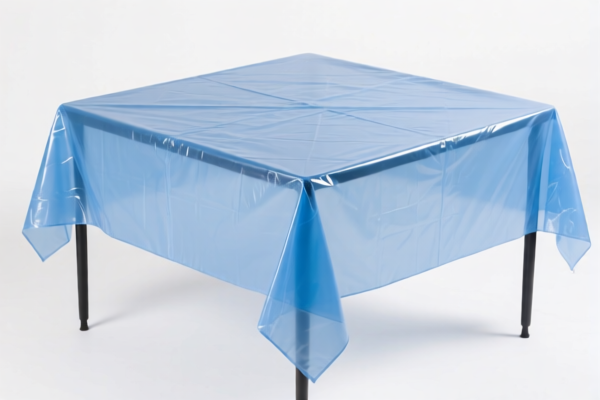
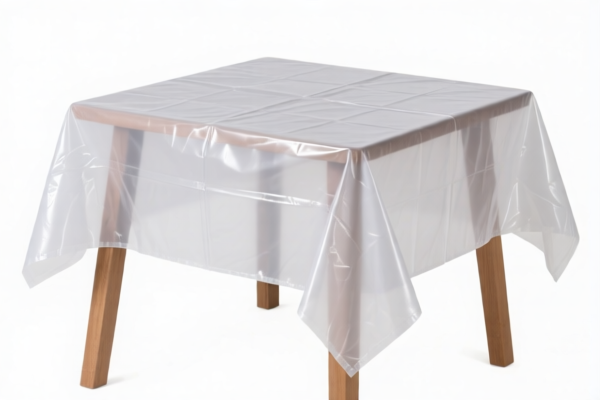
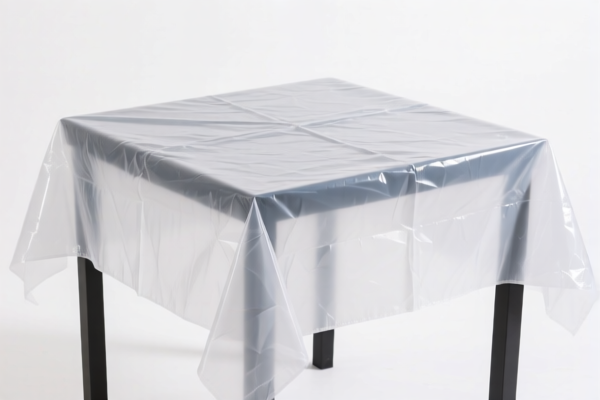
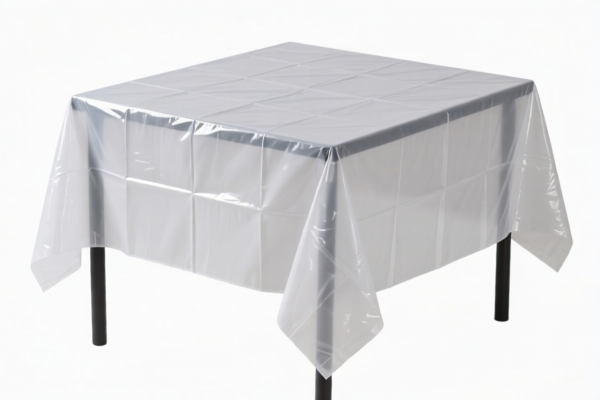
AI分析
🌱 Plastic Eco-friendly Tablecloth
🌐 HS Code Reference & Customs Clearance Guide | 2026 Latest Tariff Breakdown | Professional Logistics Strategy
📌 I. Product Definition & Classification: Do You Really Understand "Eco-friendly Plastic Tablecloths"?
The term "Plastic Eco-friendly Tablecloth" is a marketing description, not a technical classification. In international trade, customs authorities ignore the word "eco-friendly" unless certified biodegradability is proven. The classification depends strictly on the material composition (PVC vs. PP vs. Polymer) and the form (Textile-backed vs. Pure Plastic Film).
Critical Distinction: 1. Coated Textiles: If the tablecloth is a fabric (cloth) that has been impregnated, coated, covered, or laminated with plastic → It falls under Chapter 59. 2. Pure Plastic Sheets: If the tablecloth is made entirely of plastic polymers (no fabric base) in the form of sheets/films → It falls under Chapter 39.
⚠️ Key Warning:
- "Eco-friendly" Claim: If it is traditional PVC/PP, it is taxed at standard rates.
- Classification Risk: Misdeclaring a coated textile as a pure plastic sheet (or vice versa) leads to misclassification penalties.
📦 II. HS Code Classification Details (2026 Latest Tariff Concordance)
Based on the provided product data, here are the exact classifications and their tax implications.
| HS Code | Product Description (Technical Summary) | Material/Form Logic | Total Tax Rate |
|---|---|---|---|
| 5903.10.20.10 | Plastic Tablecloth: Textile fabric impregnated/coated/laminated with plastic. | Base: Textile (Cloth/Fabric) Coating: Any Plastic (PVC, etc.) |
35.0% |
| 5903.10.20.90 | Plastic Tablecloth: Textile fabric impregnated/coated with Polyvinyl Chloride (PVC) or similar plastics. | Base: Textile (Cloth/Fabric) Coating: Specifically PVC |
35.0% |
| 3920.10.00.00 | Plastic Tablecloth: Polymerized Plastic/Vinyl Polymer, in sheets, films, or strips. | Base: Pure Plastic (No fabric) Form: Sheet/Film/Strip |
39.2% |
| 3920.20.00.55 | Plastic Tablecloth: Polypropylene (PP) material, in sheets, films, foils, or strips. | Base: Pure Plastic (PP) Form: Sheet/Film/Foil/Strip |
39.2% |
🔍 Critical Analysis:
- Chapter 59 Codes (35.0%): Apply only if the product is a cloth that was dipped or coated. This is common for "heavy-duty" reusable tablecloths. - Chapter 39 Codes (39.2%): Apply if the product is a thin plastic sheet (like disposable or semi-durable plastic wrap) with no fabric backing. - Why the "Eco-friendly" tag matters: If it is a biodegradable plastic (e.g., PLA), it may still fall under Chapter 39 unless it is a textile blend. The "eco" label does not automatically reduce the tariff.
💰 III. 2026 Tariff Rate Breakdown (Detailed Policy Analysis)
✅ Applicable Country: United States (US)
✅ Origin: China (CN) (Assumed based on 122 Clause context)
✅ Effective Date: Current 2026 Trade Regime
🎯 Scenario A: Textile-Backed Plastics (HS 5903.10.20.10 / 5903.10.20.90)
Total Tax: 35.0%
| Tax Component | Rate | Legal Source / Description |
|---|---|---|
| Base Tariff | 0.0% | Standard Most-Favored-Nation (MFN) rate for these textile/plastic composites. |
| Section 301 "Additional" Tariff | +25.0% | Imposed under US Trade Law Section 301 (China-specific punitive measures). |
| Section 122 Tariff | +10.0% | Specific "122 Clause" tariff (often related to strategic materials or retaliatory measures). |
| 🔴 Grand Total | 35.0% | Calculated on CIF Value. |
📌 Explanation:
Even though the "Base Tariff" is 0%, the 25% Section 301 and 10% 122 Clause tariffs stack up immediately. The term "Eco-friendly" does not exempt you from these punitive duties.
🎯 Scenario B: Pure Plastic Sheets (HS 3920.10.00.00 / 3920.20.00.55)
Total Tax: 39.2%
| Tax Component | Rate | Legal Source / Description |
|---|---|---|
| Base Tariff | 4.2% | Standard MFN rate for plastic plates/sheets/films (Polymers). |
| Section 301 "Additional" Tariff | +25.0% | Standard Section 301 surcharge on plastic goods from China. |
| Section 122 Tariff | +10.0% | Additional 10% surcharge on these specific plastic polymer codes. |
| 🔴 Grand Total | 39.2% | Calculated on CIF Value. |
📌 Comparison:
Pure plastic sheets (39.2%) are taxed slightly higher than coated textiles (35.0%) because the Base Tariff (4.2%) is non-zero.
🛠️ IV. Customs Clearance Practical Advice (Step-by-Step)
✅ 1. Material Verification (The Most Critical Step)
Before shipping, you must determine if the tablecloth has a fabric base. * Test: Tear the tablecloth. * If you see threads/fibers and the plastic feels like a coating → HS 5903 (Lower tax: 35%). * If it tears cleanly with no fibers, looking like a plastic bag → HS 3920 (Higher tax: 39.2%).
✅ 2. Documentation Checklist
| Document | Requirement | Why? |
|---|---|---|
| Commercial Invoice | Must specify "Plastic Coated Textile" OR "Polymer Sheet". | Must match HS Code. Do not just write "Eco-friendly Tablecloth". |
| Material Certificate | Must list % of Fiber vs. % of Plastic. | To prove it is "Coated Textile" (5903) and not "Pure Plastic" (3920). |
| Photos | Close-up of texture (fabric weave vs. smooth plastic). | Visual proof for Customs (CBP) to verify classification. |
| Declaration of Origin | China (CN) declared clearly. | To calculate the 25% + 10% surcharges correctly. |
✅ 3. Strategic Declaration Tips
- Avoid the "Eco-friendly" Trap: If the product is PVC (common plastic), do not claim it is biodegradable unless you have a lab report. False claims lead to seizure.
- Optimize Classification: If the product is both (e.g., woven fabric + plastic coating), try to justify 5903.10.20.10 to save 4.2% in base duty compared to the pure plastic option.
- Packaging: Ensure the packaging describes the product technically (e.g., "PVC Coated Poly-cotton Tablecloth") rather than just "Eco-friendly".
✅ 4. Special Consideration for "Eco-friendly" (Biodegradable)
If the tablecloth is made of PLA (Polylactic Acid) or Starch-based plastics: * It is often classified under 3920.20.00 (Plastics) but may require a Certificate of Biodegradability (e.g., ASTM D6400). * Warning: Unless the product is from a country with a Free Trade Agreement (FTA), the Section 301 (25%) + 122 (10%) duties still apply. There is currently no tax break for "biodegradable" imports from China to the US under these specific clauses.
🚨 V. Common Pitfalls & Risk Mitigation
| ❌ Common Mistake | ✅ Consequence | ✅ Solution |
|---|---|---|
| Declaring "Plastic Tablecloth" as "Textile" only | Rejection or Audit. | Specify "Impregnated/Coated Textile". |
| Ignoring the "122 Clause" | Underpayment → Fine + Interest. | Always include the 10% 122 Clause in cost calculation. |
| Assuming "Eco-friendly" = 0% Tax | Shipment held at customs. | No exemption exists for Chinese-origin plastics under Section 301/122. |
| Using generic "Plastic" in description | CBP asks for material spec. | Use precise terms: "PVC Coated", "Polypropylene Film". |
🌍 VI. Summary of Costs
| HS Code | Category | Base Duty | Sec 301 | 122 Clause | Total Duty | Best For |
|---|---|---|---|---|---|---|
| 5903.10.20.10 | Coated Textile | 0.0% | 25.0% | 10.0% | 35.0% | Reusable Tablecloths (Fabric base) |
| 5903.10.20.90 | PVC Coated Textile | 0.0% | 25.0% | 10.0% | 35.0% | PVC Tablecloths (Fabric base) |
| 3920.10.00.00 | Pure Vinyl Sheet | 4.2% | 25.0% | 10.0% | 39.2% | Disposable/Thin Sheets |
| 3920.20.00.55 | Pure PP Sheet | 4.2% | 25.0% | 10.0% | 39.2% | Polypropylene Mats/Sheets |
🎯 VII. Final Verdict: How to Ship Smoothly
- Identify the Base: If it has cloth fibers, declare 5903.10.20.10 or 5903.10.20.90. This saves you 4.2% on the base rate.
- Prepare for High Duties: Do not budget for 0%. Budget for 35% or 39.2% total landed cost duty.
- Documentation is Key: Your invoice must explicitly state the technical composition (e.g., "60% Cotton / 40% PVC Coating").
- No "Eco" Tax Break: Unless you are shipping from Vietnam/Mexico/Thailand (which may avoid Section 301), "Eco-friendly" is a marketing term, not a tax exemption.
🔥 Pro Tip: If you can source this product from a non-China origin (e.g., Vietnam), you might avoid the 25% Section 301, reducing your total tax significantly. Always verify the Country of Origin before shipping!
✨ Clear Customs, Maximize Profit!
💼 Your logistics strategy starts with the right HS Code.
用户评价
关于 HS 编码归类
协调制度(HS)是由世界海关组织(WCO)制定的国际贸易商品分类标准。全球 200 多个国家采用 HS 系统作为海关关税、贸易统计和进出口监管的基础。
每个 HS 编码遵循以下层级结构:
- 章(2 位)——商品大类(例如:第 84 章:机器和机械设备)
- 品目(4 位)——章内的更具体分类
- 子目(6 位)——国际通用细分,所有 WCO 成员国统一使用
- 本国细分(8-10 位)——各国自行扩展的细分编码,如美国 HTSUS 10 位编码
正确的 HS 编码归类对于顺利通关、准确缴纳关税和遵守贸易法规至关重要。错误归类可能导致海关延误、多缴关税或罚款。
从CN进口到US时,适用的关税税率可能包括:
- 最惠国(MFN)税率——适用于 WTO 成员国的标准关税税率
- 普通税率——适用于无贸易协定国家
- 贸易救济关税——附加关税,如 301 条款(反倾销)、232 条款(国家安全)或反补贴税
本页内容仅供参考。如需正式归类,请咨询当地海关或持牌报关代理。