plastic folder
CN → US| HS编码 | 关税税率 | 原产国 | 目的国 | 文档 |
|---|---|---|---|---|
| 3926909989 | 22.8% | CN | US | 官方文档 |
| 4820300040 | 35.0% | CN | US | 官方文档 |
| 3926908700 | 40.3% | CN | US | 官方文档 |
| 3923109000 | 38.0% | CN | US | 官方文档 |
| 3923900080 | 38.0% | CN | US | 官方文档 |
商品图片
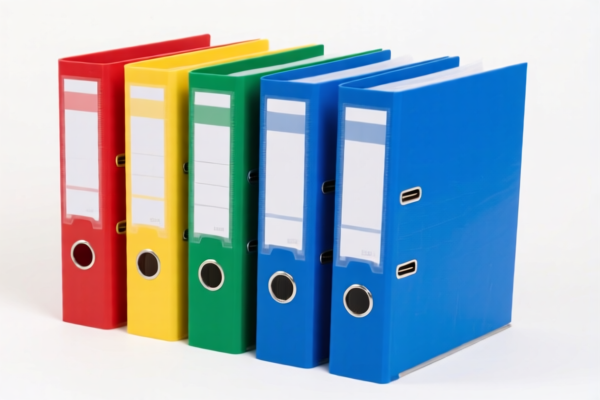
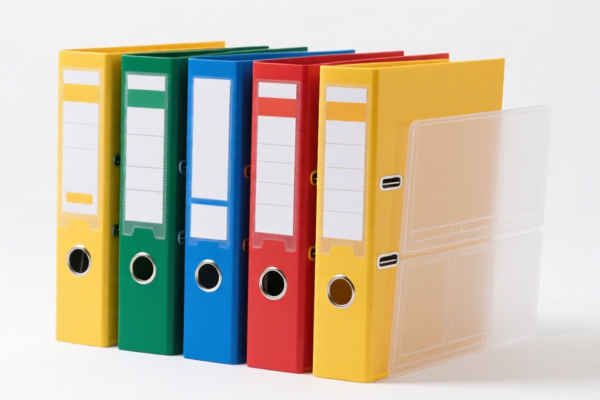
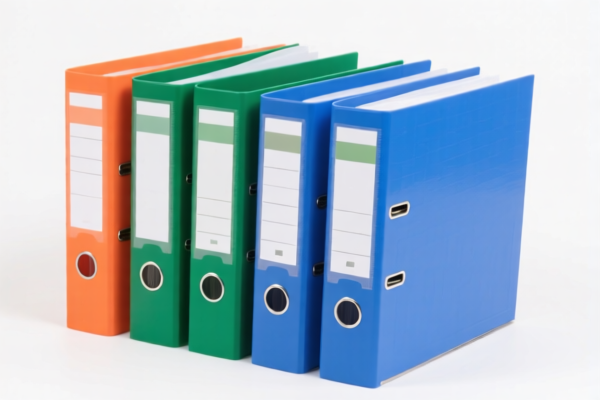
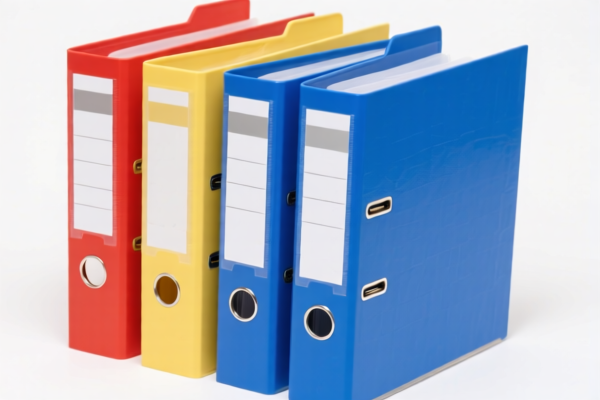
AI分析
📂 Plastic Folders: The Ultimate HS Code & Taxation Breakdown (2026 Edition)
🌐 HS Code Reference & Customs Clearance Guide | 2026 Latest Tariff Analysis | Professional Clearance Strategy
📌 Part 1: Product Definition & Classification – What Exactly Is a "Plastic Folder"?
A Plastic Folder is a versatile stationery or packaging item made primarily from polymer materials (PVC, PE, PP, etc.). In international trade, it is not a single entity but falls into different categories based on its structure, function, and specific design features. Misclassification here can lead to massive tariff discrepancies (from 22.8% to 40.3%+).
Key Distinction Points: * Is it a standard stationery folder? (Loose-leaf, document holding) → Likely Chapter 48 or Chapter 39 (Other Articles). * Is it a packaging sleeve/case? (Used for enclosing goods, protection) → Likely Chapter 39 (Packaging Articles). * Is it "flexible" or "rigid"? → Impacts the specific subheading in Chapter 39.
⚠️ Critical Warning:
- Do NOT assume all plastic folders are the same.
- Stationery vs. Packaging is the biggest differentiator.
- Chapter 48 (Paper-based) vs. Chapter 39 (Plastic) must be strictly distinguished by material composition.
📦 Part 2: HS Code Classification Details (2026 Latest Tariff Authority Mapping)
Based on the provided data, here are the five most likely HS Codes for "Plastic Folder" and their precise descriptions.
| HS Code | Product Description & Logic | Why This Code? | Total Tax Rate |
|---|---|---|---|
3926.90.99.89 |
Other Plastic Articles | Generic plastic folder not specified elsewhere. Classified as "Other plastic articles" under Chapter 39. | 22.8% |
4820.30.00.40 |
Other Folders (Non-Binder) | Plastic folder treated as a "folder" analog to paper folders. Specifically excludes binders. | 35.0% |
3926.90.87.00 |
Other Flexible Plastic Articles | Classified as a "flexible plastic article." Often used for thin, soft plastic sleeves. | 40.3% |
3923.10.90.00 |
Boxes, Cases, Clamps for Packing | If the folder is thick/rigid and used primarily for packaging/containing goods (not just documents). | 38.0% |
3923.90.00.80 |
Other Pack/Conveyance Articles | Extension of packaging supplies. For plastic folders used in industrial/commercial packaging contexts. | 38.0% |
🔍 Deep Dive Analysis:
-3926.90.99.89(22.8%): The "cheapest" option. Use this if the folder is a general-purpose plastic accessory that doesn't fit the "packaging" or "paper-folder-analog" definitions.
-4820.30.00.40(35.0%): High risk. Even though it's plastic, if customs classifies it as a "folder" under Chapter 48 (which covers paper/paperboard), the base duty is 0%, but the Section 301 (25%) and 122 (10%) penalties hit hard.
-3926.90.87.00(40.3%): The "expensive" plastic article. This applies if the folder is considered a "flexible" plastic good. The high base duty (5.3%) + 25% + 10% makes this the highest tax bracket.
-3923.10/3923.90(38.0%): The "Packaging" trap. If you declare it as a "document holder" but it's actually used to ship/products protect items, customs may reclassify it as packaging, triggering the 3% base + 25% + 10% structure.
💰 Part 3: 2026 Latest Tariff Rate Breakdown (Including Surcharges)
✅ Applicable Country: United States (US)
✅ Origin: China (CN)
✅ Effective Date: November 10, 2025 (including subsequent imports)
🎯 1. 3926.90.99.89 —— Other Plastic Articles (Lowest Risk/Rate)
| Item | Detail |
|---|---|
| Base Duty | 5.3% (Ad Valorem) |
| Section 301 Surcharge | +7.5% |
| Section 122 Duty | +10% |
| Total Effective Rate | 22.8% |
| Calculation | CIF Value × 22.8% |
| De Minimis Eligible? | ❌ No (Denied for China origin under current trade policies) |
| Legal Basis | Base Tariff → USITC Footnote → IEEPA 10% → Sec 301 7.5% |
📌 Explanation:
- This is the most favorable classification for a generic plastic folder.
- The Section 301 rate is only 7.5%, not the typical 25%. This suggests it may be on an exclusion list or a lower-priority item in this specific subheading.
- Strategy: Always aim for this code if the product is a standard, non-packaging plastic folder.
🎯 2. 4820.30.00.40 —— Other Folders (High Rate)
| Item | Detail |
|---|---|
| Base Duty | 0.0% |
| Section 301 Surcharge | +25.0% |
| Section 122 Duty | +10% |
| Total Effective Rate | 35.0% |
| Calculation | CIF Value × 35.0% |
| De Minimis Eligible? | ❌ No |
| Legal Basis | IEEPA 10% → USITC 8524/4820 logic → Sec 301 25% |
📌 Warning:
- Even though the Base Duty is 0%, the 25% Section 301 penalty applies because "folders" (even plastic ones classified analogously to paper) are often targeted.
- Result: 12.2% higher than3926.90.99.89. Avoid this unless the product is explicitly a "document organizer" and cannot be classified as "other plastic articles."
🎯 3. 3926.90.87.00 —— Other Flexible Plastic Articles (Highest Rate)
| Item | Detail |
|---|---|
| Base Duty | 5.3% |
| Section 301 Surcharge | +25.0% |
| Section 122 Duty | +10% |
| Total Effective Rate | 40.3% |
| Calculation | CIF Value × 40.3% |
| De Minimis Eligible? | ❌ No |
| Legal Basis | Base Tariff → Sec 301 25% → IEEPA 10% |
📌 Critical Alert:
- This is the most expensive option.
- It applies if your folder is thin, flexible, and not considered a "box" or "case."
- Avoid this classification if possible. Re-evaluate product design or description to fit3926.90.99.89or3923.xxxxxx.
🎯 4 & 5. 3923.10.90.00 & 3923.90.00.80 —— Packaging Articles
| Item | Detail |
|---|---|
| Base Duty | 3.0% |
| Section 301 Surcharge | +25.0% |
| Section 122 Duty | +10% |
| Total Effective Rate | 38.0% |
| Calculation | CIF Value × 38.0% |
| De Minimis Eligible? | ❌ No |
📌 Note:
- If the folder is used for shipping protection (e.g., a plastic sleeve for a product), it falls here.
- The base duty is lower (3.0%), but the 25% Section 301 penalty makes it more expensive than3926.90.99.89.
🛠️ Part 4: Customs Clearance Practical Advice (Real-World Pitfall Avoidance)
✅ 1. Documentation Checklist (Non-Negotiable)
| Document | Required | Purpose |
|---|---|---|
| Product Specification Sheet | ✔️ | Must specify material (e.g., "100% Polypropylene"), thickness, and dimensions. |
| High-Resolution Photos | ✔️ | Must show structure: Is it a simple sleeve? Does it have holes? Is it rigid or flexible? |
| Commercial Invoice | ✔️ | Description must match HS Code logic. - For 3926.90.99.89: "Plastic Stationery Folder, General Use"- For 3923.10.90.00: "Plastic Packaging Sleeve for Product Protection" |
| Material Safety Data Sheet (MSDS) | ✔️ | Required for plastic imports to verify chemical composition. |
| Certificate of Origin (CO) | ✔️ | Essential for proving Chinese origin (triggers Section 301/122). |
✅ 2. Declaration Strategy (Key Mantras)
🔥 "Material First, Function Second! Don't Call It a Folder if It's a Sleeve!"
| Scenario | Correct Declaration | Incorrect Declaration | Risk |
|---|---|---|---|
| Thin, flexible plastic sheet | "Plastic Sleeve, Flexible, Chapter 39" | "Plastic Folder" | Customs may assign 3926.90.87.00 (40.3%) |
| Rigid plastic document holder | "Plastic Office Organizer, Other Article" | "Folder" (Chapter 48 analog) | Customs may assign 4820.30.00.40 (35.0%) |
| Thick, protective casing | "Plastic Packaging Case, Chapter 39" | "Folder" | Customs may assign 3923.10.90.00 (38.0%) |
| Generic, multi-use plastic item | "Other Plastic Article, Not Elsewhere Specified" | Vague "Plastic Good" | Best case: 3926.90.99.89 (22.8%) |
📌 Pro Tip:
- Use "Other Plastic Article" in your description to aim for3926.90.99.89.
- Avoid the word "Folder" in the detailed description if you want to avoid Chapter 48 classification (4820.30.00.40).
- If you use "Folder," be prepared to justify why it's not paper-based or why it doesn't fit Chapter 48.
✅ 3. Special Case Handling
| Situation | Advice |
|---|---|
| Customs Questions "Is it Paper or Plastic?" | Provide a material composition statement (e.g., "100% PVC, 0% Cellulose"). |
| Customs Questions "Is it for Packing or Writing?" | If for packing, declare as 3923. If for writing, declare as 3926. Be consistent. |
| Is it a "Binder"? | If it has rings/mechanisms, it might be a binder. If not, it's a folder. Binders have different codes. |
| De Minimis (Section 321) | ❌ Not Eligible. Even for low-value shipments, Chinese plastic folders are subject to full duty collection due to Section 301/122. |
🌍 Part 5: Global Market Comparison (2026)
| Country/Region | Recommended HS Code | Estimated Total Tax | Notes |
|---|---|---|---|
| 🇺🇸 USA | 3926.90.99.89 |
22.8% | Best option. Includes Sec 301 (7.5%) + IEEPA (10%). |
| 🇪🇺 EU | 3926.90.99 |
~6.5% | Lower base duty, no Section 301 equivalent. |
| 🇨🇳 China (Import) | 3926.90.99 |
~6.5% | Standard MFN rate. |
| 🇬🇧 UK | 3926.90.99 |
~6.5% | Post-Brexit tariff aligned with WTO rates. |
| 🇯🇵 Japan | 3926.90.99 |
~6.0% | Low tariff environment. |
📌 Conclusion:
- USA is the most expensive market due to Section 301 and Section 122 duties.
- Optimization Goal: Always aim for3926.90.99.89(22.8%) for the US market.
- Risk: Misclassification as4820or3926.90.87can add 12-17% to your cost.
📌 Part 6: Common Mistakes & Pitfalls (Blood & Tears Lessons)
❌ Mistake 1: Calling every plastic document holder a "Folder"
👉 Consequence: Customs may classify it under Chapter 48 (4820.30.00.40), adding 12.2% to your tax.
👉 Fix: Describe as "Plastic Article" or "Plastic Sleeve" to aim for Chapter 39 (3926.90.99.89).
❌ Mistake 2: Ignoring the "Flexible" vs. "Rigid" distinction
👉 Consequence: Thin, flexible sleeves are often deemed "Other Flexible Plastic Articles" (3926.90.87.00), incurring the highest tax (40.3%).
👉 Fix: If possible, design the product to be slightly more rigid or market it as a "Case" or "Organizer" rather than a "Sleeve."
❌ Mistake 3: Assuming De Minimis Applies
👉 Consequence: Shipments under $800 from China are NOT exempt from Section 301/122 duties for plastic goods.
👉 Fix: Plan for full duty payment from Day 1.
❌ Mistake 4: Inconsistent Product Descriptions
👉 Consequence: Invoice says "Folder," Packing List says "Packaging Sleeve." Customs may reclassify as Packaging (3923), adding 15.2% to tax.
👉 Fix: Ensure all documents use the same functional description.
🎯 Part 7: Conclusion: Professional Declaration, Cost Savings!
🎯 Remember the Mantra:
🔹 "Plastic Article > Folder > Sleeve"
🔹 "Aim for 3926.90.99.89 (22.8%) - Avoid 3926.90.87.00 (40.3%)!"
🔹 "HS Code is King, Tax Difference is $2.50 per $10!"
📌 Pro Tip:
If your plastic folder has unique features (e.g., integrated pockets, reinforced edges, specialized closures), document these features! They may help argue for a more favorable classification under "Other Articles" (3926.90.99.89) rather than generic sleeves or folders.
📣 Immediate Action:
📞 Consult a Customs Broker: Provide product samples and photos.
📝 Request Advance Ruling (PAR): If shipping high volumes, apply for a Pre-Arrival Ruling to lock in3926.90.99.89.
🚀 Optimize Packaging: Ensure your product is clearly a "Plastic Article" and not a "Packaging Material" or "Paper Analog."
✨ Professional Clearance Starts with Precise Classification!
💼 Every Percent Matters in International Trade!
用户评价
关于 HS 编码归类
协调制度(HS)是由世界海关组织(WCO)制定的国际贸易商品分类标准。全球 200 多个国家采用 HS 系统作为海关关税、贸易统计和进出口监管的基础。
每个 HS 编码遵循以下层级结构:
- 章(2 位)——商品大类(例如:第 84 章:机器和机械设备)
- 品目(4 位)——章内的更具体分类
- 子目(6 位)——国际通用细分,所有 WCO 成员国统一使用
- 本国细分(8-10 位)——各国自行扩展的细分编码,如美国 HTSUS 10 位编码
正确的 HS 编码归类对于顺利通关、准确缴纳关税和遵守贸易法规至关重要。错误归类可能导致海关延误、多缴关税或罚款。
从CN进口到US时,适用的关税税率可能包括:
- 最惠国(MFN)税率——适用于 WTO 成员国的标准关税税率
- 普通税率——适用于无贸易协定国家
- 贸易救济关税——附加关税,如 301 条款(反倾销)、232 条款(国家安全)或反补贴税
本页内容仅供参考。如需正式归类,请咨询当地海关或持牌报关代理。