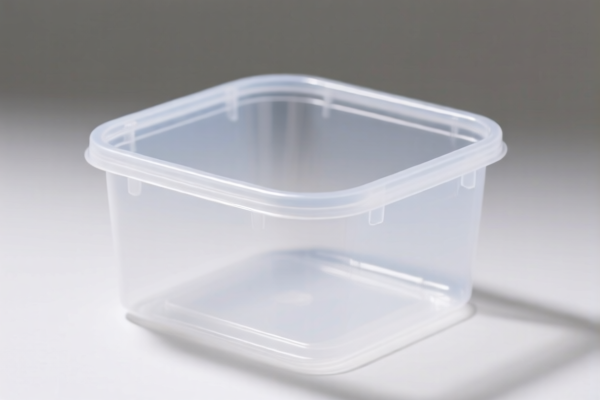
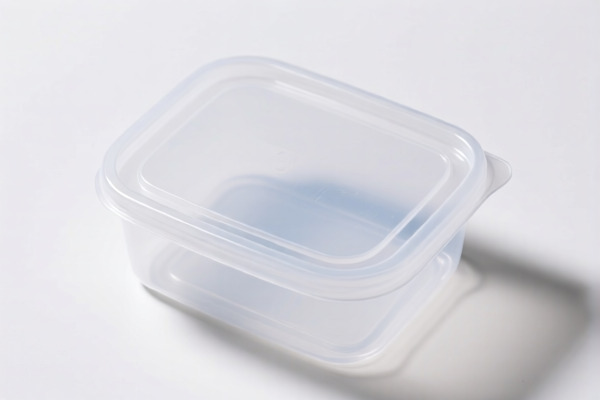
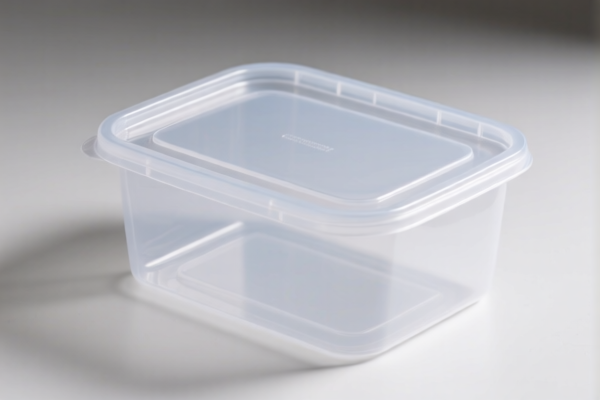
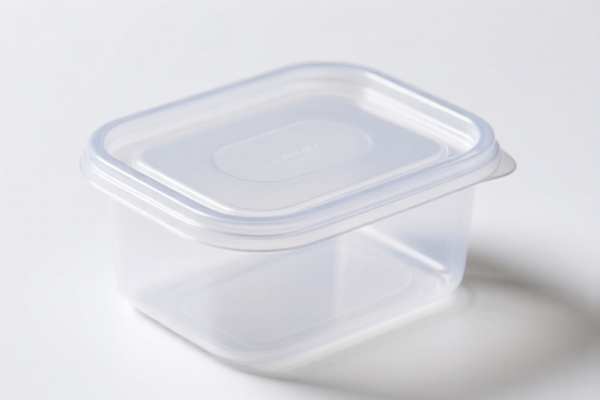
plastic food container
CN → US| HS编码 | 关税税率 | 原产国 | 目的国 | 文档 |
|---|---|---|---|---|
| 3924104000 | 13.4% | CN | US | 官方文档 |
| 3924102000 | 24.0% | CN | US | 官方文档 |
| 6911108090 | 38.3% | CN | US | 官方文档 |
| 7323999030 | 88.4% | CN | US | 官方文档 |
| 7323995030 | 60.0% | CN | US | 官方文档 |
商品图片
AI分析
🥗 Plastic Food Container (Plastic Tableware & Kitchen Utensils)
🌐 HS Code Reference & Customs Clearance Guide | 2024/2025 Latest Tariff Analysis | Strategic Entry for US Market
📌 I. Product Definition & Classification: What Exactly Is "Plastic Food Container"?
A Plastic Food Container is a broad category encompassing items designed for storing, serving, or preparing food and beverages, manufactured primarily from plastic materials. In international trade, classification depends heavily on the specific shape, usage, and material composition.
These items generally fall into two main buckets: 1. Tableware (Cutlery, Plates, Bowls): Items intended for immediate consumption (e.g., plates, cups, forks). 2. Kitchen Utensils/Containers: Items used for storage, preparation, or cooking support (e.g., lids, trays, storage boxes).
⚠️ Key Distinction Point:
- If the item is a plate, bowl, cup, or saucer, it typically falls under Heading 3924.10 (Tableware & Kitchen Utensils).
- If the item is a storage box, bottle, or jar (even if plastic), it may fall under different sub-headings like 3923 or 3924 depending on specific design.
- Material is Key: All HS codes below assume Plastic. If the container is ceramic (HS 6911) or steel (HS 7323), the tariffs and codes change drastically.
📦 II. HS Code Classification Details (Latest Tariff Schedule)
| HS Code | Product Description | Applicable Scenario | Material |
|---|---|---|---|
3924.10.40.00 |
Plastic tableware, plates, bowls, cups, saucers, etc. | Basic plastic dinnerware; Inferred as Plastic Tableware | Plastic |
3924.10.20.00 |
Plastic tableware, other than plates/bowls/cups/saucers (e.g., trays, serving dishes) | Plastic kitchen utensils, serving trays, complex plastic items | Plastic |
6911.10.80.90 |
Ceramic tableware, other | NOT PLASTIC. Includes porcelain or earthenware containers. Misclassification Risk! | Ceramic/Porcelain |
7323.99.90.30 |
Articles of table, kitchen or other household iron/steel articles | NOT PLASTIC. Stainless steel or iron food containers. Misclassification Risk! | Steel/Iron |
7323.99.50.30 |
Articles of table, kitchen or other household iron/steel articles (Special Sub-heading) | Specific steel/iron items with lower base duty but high punitive tariffs | Steel/Iron |
🔍 Critical Note:
- Do not mix materials! A "plastic-looking" container that is actually ceramic will trigger fraud alerts.
- Plastic vs. Steel: Even if both are "food containers," HS3924(Plastic) and7323(Steel) have vastly different tax structures due to Section 301 and Section 232 tariffs.
💰 III. 2024/2025 Latest Tariff Rate Breakdown (China Origin → US)
✅ Applicable Country: United States (US)
✅ Origin: China (CN)
✅ Effective Time: Current rates apply under Section 301 & Section 122/301 expansions.
🎯 1. 3924.10.40.00 – Plastic Tableware (Standard)
| Item | Detail |
|---|---|
| Base Duty Rate | 3.4% (Ad Valorem) |
| Section 301 Additional Duty | 0.0% (Note: Some earlier lists had higher rates, but current specific sub-heading may be exempt or low; verify latest USTR list) |
| Section 122/Other Surcharges | +10% (Specific surcharge mentioned in data, likely related to recent trade actions) |
| Total Effective Rate | 13.4% |
| Tax Calculation | CIF Value × 13.4% |
| De Minimis Exemption | ❌ NO (Section 301/122 goods typically denied de minimis exemption) |
| Legal Path | HTSUS:3924.10.40 → USTR:Section 301 List 4B → Surcharge: 10% |
📌 Explanation:
- This is the most favorable plastic option among the data provided.
- Base duty is low (3.4%).
- However, the 10% surcharge significantly impacts margins.
- Total 13.4% is manageable but must be calculated into FOB pricing.
🎯 2. 3924.10.20.00 – Plastic Tableware/Kitchen Utensils (Non-Standard)
| Item | Detail |
|---|---|
| Base Duty Rate | 6.5% (Ad Valorem) |
| Section 301 Additional Duty | 7.5% (Standard Section 301 rate for many plastics) |
| Section 122/Other Surcharges | +10% |
| Total Effective Rate | 24.0% |
| Tax Calculation | CIF Value × 24.0% |
| De Minimis Exemption | ❌ NO |
| Legal Path | HTSUS:3924.10.20 → USTR:Section 301 → Surcharge: 10% |
📌 Explanation:
- Higher base duty (6.5%) compared to3924.10.40.
- Plus a 7.5% Section 301 tariff.
- Plus 10% surcharge.
- Total 24.0% is nearly double the first option.
- Strategy: Ensure your product description matches "tableware" (plates/bowls) to potentially qualify for3924.10.40if structurally similar. If it's a complex tray or utensil, it may be forced into3924.10.20.
⚠️ NON-PLASTIC OPTIONS (For Comparison/Misclassification Warning)
| HS Code | Material | Total Rate | Why It Matters |
|---|---|---|---|
6911.10.80.90 |
Ceramic/Porcelain | 38.3% | High base duty (20.8%) + 7.5% Sec 301 + 10% Surcharge. Avoid if plastic is an option. |
7323.99.90.30 |
Steel/Iron | 88.4% | EXTREMELY HIGH. Base 3.4% + 25% Sec 301 + 10% Surcharge + 50% Section 232 Steel Tariff. Do not misclassify plastic as steel. |
7323.99.50.30 |
Steel/Iron (Specific) | 60.0% | Base 0% + 0% Sec 301 + 10% Surcharge + 50% Section 232 Steel Tariff. Still very high due to steel-specific tariff. |
📌 Warning:
- Never declare a plastic container as7323(Steel) or6911(Ceramic) to "save" on base duty. The Section 232 steel tariff (50%) and Section 301 ceramic tariffs make it exponentially more expensive.
- Customs brokers may reject this misdeclaration, leading to fines and delays.
🛠️ IV. Customs Clearance Practical Advice (Avoiding Pitfalls)
✅ 1. Essential Documentation Checklist
| Document | Required? | Purpose |
|---|---|---|
| ✅ Product Spec Sheet | ✔️ | Details material (100% Plastic? PP? PET?), capacity, dimensions. |
| ✅ Photos (Inside/Outside) | ✔️ | Prove it's plastic, not ceramic coating over metal. |
| ✅ Invoice | ✔️ | Must state "Plastic Food Container" and accurate HS Code. |
| ✅ Bill of Lading | ✔️ | Ensure description matches invoice. |
| ✅ Certificate of Origin | ✔️ | If claiming any preferential treatment (unlikely for CN). |
✅ 2. Declaration Strategy (Key Tips)
🔥 "Be Precise, Be Plastic, Avoid Steel Traps!"
| Scenario | Correct HS Code | Incorrect HS Code | Consequence of Error |
|---|---|---|---|
| Plastic Plate/Bowl | 3924.10.40.00 |
6911.10.80.90 (Ceramic) |
38.3% vs 13.4% → Overpayment or fraud suspicion. |
| Plastic Tray/Serving Dish | 3924.10.20.00 |
7323.99.90.30 (Steel) |
24% vs 88.4% → Massive penalty risk. |
| Plastic Container with Metal Lid | 3924.10.x0 (Plastic prevails) |
7323.99.90.30 |
88.4% → If declared as steel due to lid. Always declare by predominant material. |
✅ 3. Special Considerations
| Situation | Advice |
|---|---|
| Mixed Materials | If container is plastic with a stainless steel rim, the plastic character usually prevails for classification under Heading 39, unless the steel component gives it essential character. Provide photos! |
| Food Contact Safety | Ensure product meets FDA standards. While not a tariff issue, lack of compliance can lead to detention at port. |
| Section 301 Lists | Always verify the latest USTR list. Plastic tableware is generally on List 4B or exempted, but rates change. |
| Section 232 (Steel) | If any part is metal, ensure the primary material is clearly plastic. If it's a "steel container with plastic liner," it may still be classified as steel. |
🌍 V. Global Market Comparison (2024/2025)
| Country/Region | Recommended HS Code | Tariff (China Origin) | Notes |
|---|---|---|---|
| 🇺🇸 USA | 3924.10.40.00 |
13.4% | Highest complexity due to Section 301 & 232 spillover risks. |
| 🇪🇺 EU | 3924.10.40.00 |
6.5% | No Section 301 equivalent. Lower tariffs, but strict CE/FDA-like food contact rules. |
| 🇨🇳 China | 3924.10.40.00 |
6.5% | Standard MFN rate. No punitive tariffs. |
| 🇯🇵 Japan | 3924.10.40.00 |
3.8% | Low tariff, but high regulatory compliance for food contact. |
| 🇦🇺 Australia | 3924.10.40.00 |
5.0% | Moderate tariff, standard import declaration. |
📌 Conclusion:
- The US market is the most challenging due to additive tariffs (13.4% total for standard plastic).
- Avoid misclassification as steel/ceramic – the penalties (88.4% or 38.3%) are devastating.
- Plastic is the most cost-effective material for food containers in the US trade environment.
📌 VI. Common Errors & Pitfalls (Lessons Learned)
❌ Error 1: Declaring a plastic container as 7323 (Steel) to "save" on base duty.
👉 Result: 88.4% tariff due to Section 232 steel tariff. Loss of profit.
❌ Error 2: Using vague terms like "Container" without specifying material.
👉 Result: Customs may assign a default higher tariff code or request additional documentation, causing delays.
❌ Error 3: Ignoring the "Plastic vs. Ceramic" distinction.
👉 Result: If you send a plastic item but the invoice says "Porcelain," you face fraud allegations.
❌ Error 4: Assuming all plastic items have the same HS code.
👉 Result: 3924.10.40 (13.4%) vs. 3924.10.20 (24.0%). 10.6% difference can kill margins.
✅ Correct Approach:
"Plastic Food Container, PP Material, Microwave Safe, Model XYZ, HS 3924.10.40.00"
🎯 VII. Conclusion: Smart Classification, Maximum Profit!
🎯 Remember the Golden Rules:
🔹 "Plastic is King, Steel is Expensive!"
🔹 "Be Specific: Plate vs. Tray matters for the 0% vs 7.5% Sec 301 difference."
🔹 "Always declare the primary material – never hide steel in plastic!"
📌 Pro Tip:
If your product is 100% Plastic, aim for 3924.10.40.00 if it's tableware (plates/bowls). If it's a serving tray, expect 3924.10.20.00 and the 24% rate.
Pre-clearance Ruling is highly recommended for mixed-material containers.
📣 Take Action Now:
📞 Consult a licensed customs broker with product photos.
📄 Ensure your Commercial Invoice explicitly states "100% Plastic" and the correct HS Code.
🚀 Minimize tariff risk, maximize profit!
✨ Professional Clearance, Accurate Classification, Sustainable Growth!
💼 Every percentage point of tariff is a point of profit lost!
用户评价
关于 HS 编码归类
协调制度(HS)是由世界海关组织(WCO)制定的国际贸易商品分类标准。全球 200 多个国家采用 HS 系统作为海关关税、贸易统计和进出口监管的基础。
每个 HS 编码遵循以下层级结构:
- 章(2 位)——商品大类(例如:第 84 章:机器和机械设备)
- 品目(4 位)——章内的更具体分类
- 子目(6 位)——国际通用细分,所有 WCO 成员国统一使用
- 本国细分(8-10 位)——各国自行扩展的细分编码,如美国 HTSUS 10 位编码
正确的 HS 编码归类对于顺利通关、准确缴纳关税和遵守贸易法规至关重要。错误归类可能导致海关延误、多缴关税或罚款。
从CN进口到US时,适用的关税税率可能包括:
- 最惠国(MFN)税率——适用于 WTO 成员国的标准关税税率
- 普通税率——适用于无贸易协定国家
- 贸易救济关税——附加关税,如 301 条款(反倾销)、232 条款(国家安全)或反补贴税
本页内容仅供参考。如需正式归类,请咨询当地海关或持牌报关代理。