plastic paper laminated portable bag
CN → US| HS编码 | 关税税率 | 原产国 | 目的国 | 文档 |
|---|---|---|---|---|
| 3923210095 | 38.0% | CN | US | 官方文档 |
| 3923210085 | 38.0% | CN | US | 官方文档 |
| 3923210011 | 38.0% | CN | US | 官方文档 |
| 3923210030 | 38.0% | CN | US | 官方文档 |
| 4202929700 | 52.6% | CN | US | 官方文档 |
商品图片
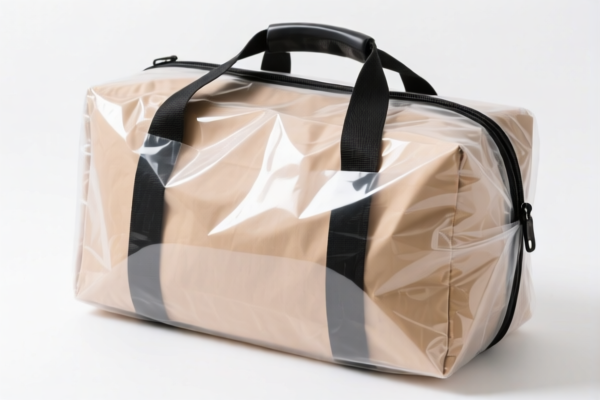
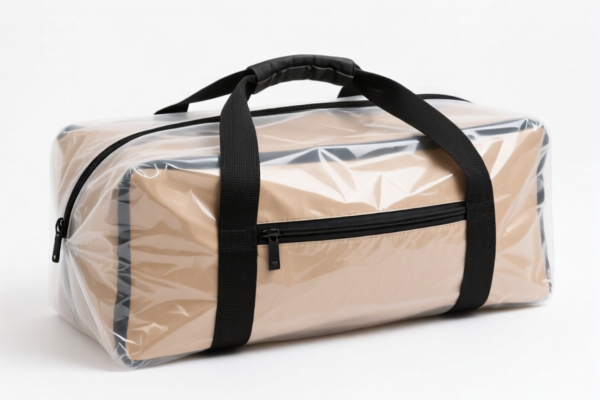
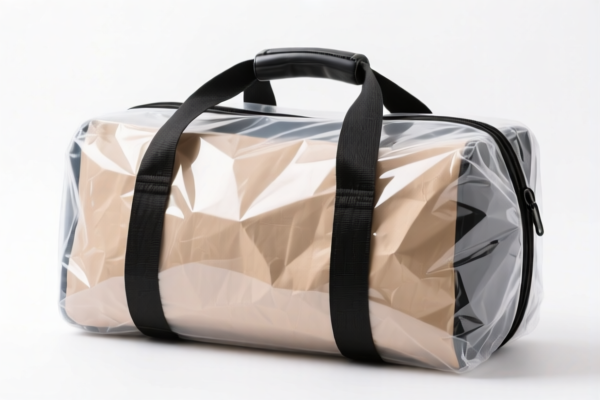
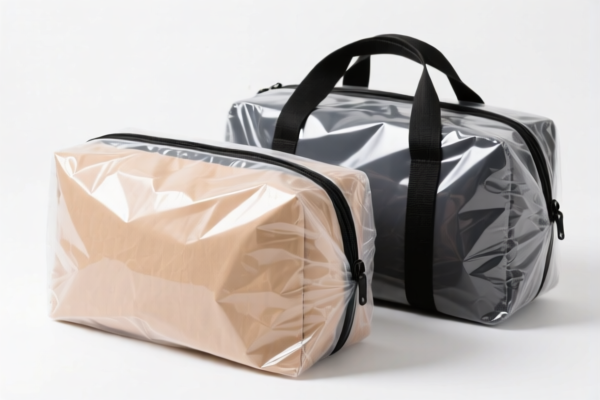
AI分析
🛍️ Plastic Paper Laminated Portable Bag (Promotional/Retail Handbags)
🌐 HS Code Reference & Clearance Guide | 2026 Latest Tariff Analysis | Professional Customs Strategy
📌 I. Product Definition & Classification: Is It Just a "Bag"?
The "Plastic Paper Laminated Portable Bag" is a hybrid packaging item combining the aesthetic appeal of paper with the durability of plastic. In international trade, its classification hinges on the primary material and structural form.
- Plastic-Primary Bags: If the bag is made of sheets/film of plastics (e.g., Polyethylene, Polypropylene) and is laminated with paper for printing/presentation, it generally falls under Chapter 39 (Plastics).
- Article-Other Bags: If the structure is more complex, involving specific handles, closures, or being classified as "other" articles of plastic, it may fall under Chapter 42 (Articles of Leather/Plastics).
⚠️ Key Distinction Point:
- If it is a simple polymer film/sheet bag (even with paper lamination) → Classify under 3923.21 (Sacks and Bags).
- If it is considered an article/container made of plastic sheeting with specific fittings → Classify under 4202.92 (Other articles of plastics).
📦 II. HS Code Classification Details (2026 Latest Tariff Matrix)
| HS Code | Product Description | Application Scenario | Material Structure |
|---|---|---|---|
3923.21.00.95 |
Plastic paper laminated promotional tote bags; Plastic material; Form: Bag type; Matches ethylene polymer bag classification. | Promotional events, general retail carry-outs | ✅ Plastic/Ethylene Polymer |
3923.21.00.85 |
Plastic paper laminated promotional tote bags; Material: Plastic/Polyethylene; Form: Handbag; Use: Retail packaging. | Supermarket bags, branded retail shopping bags | ✅ Polyethylene |
3923.21.00.11 |
Plastic paper laminated multi-functional bags; Material: Ethylene polymer; Form: Bag-like object; Use matches form. | Versatile storage, general-purpose polymer bags | ✅ Ethylene Polymer |
3923.21.00.30 |
Plastic paper laminated multi-functional bags; Material: Ethylene polymer; Form: Bag; Use: Multi-functional packaging. | Industrial packaging, bulk light goods | ✅ Ethylene Polymer |
4202.92.97.00 |
Plastic paper laminated multi-functional bags; Material: Plastic sheet; Form: Multi-functional bag; Fits bag container use. | Premium fashion-style plastic totes, complex structures | ✅ Plastic Sheet (Article) |
🔍 Critical Reminder:
- The vast majority of "Plastic Paper Laminated Bags" are classified under 3923.21 because they are essentially plastic sacks/bags with decorative lamination.
-4202.92.97.00is reserved for bags that are structurally more akin to "articles" (e.g., rigid handles, complex closures) rather than simple sacks. Misclassifying a simple bag as a "4202 article" can lead to higher duties and customs scrutiny.
💰 III. 2026 Latest Tariff Rate Breakdown (Including Surcharges & Policy Add-ons)
✅ Applicable Country: United States (US)
✅ Origin: China (CN)
✅ Effective Time: 2025 onwards (Current Enforcement)
🎯 1. HS Code 3923.21.xxxx (Most Common: Promotional/Retail Bags)
| Item | Content |
|---|---|
| Base Tariff (MFN) | 3.0% (Ad Valorem) |
| Section 301 Surcharge | +25.0% (Trump-era tariffs retained under Biden admin for many plastic goods) |
| Section 122 Tariff | +10.0% (Specific surcharge for certain plastic/packaging items from China) |
| Total Effective Rate | 38.0% |
| Tax Calculation | CIF Value × 38% |
| De Minimis Exemption | ❌ NOT Eligible (High tariffs exclude small parcel relief) |
| Legal Basis Path | Section 301: 9903.88.01 → Section 122 → USITC: 3923.21.xxxx |
📌 Explanation:
- "Base 3%": Standard Most Favored Nation (MFN) duty for plastic sacks and bags.
- "Section 301 25%": Applies to "Plastics and Articles Thereof" from China. This is a massive cost driver.
- "Section 122 10%": Additional tariff targeting specific packaging materials to protect domestic plastic manufacturing.
- Total 38%: This is a high-duty item. Profit margins for low-cost plastic bags can be easily wiped out by this 38% charge.
🎯 2. HS Code 4202.92.97.00 (Premium/Article-Type Bags)
| Item | Content |
|---|---|
| Base Tariff (MFN) | 17.6% (Higher base for "Other articles of plastics") |
| Section 301 Surcharge | +25.0% |
| Section 122 Tariff | +10.0% |
| Total Effective Rate | 52.6% |
| Tax Calculation | CIF Value × 52.6% |
| De Minimis Exemption | ❌ NOT Eligible |
| Legal Basis Path | Section 301: 9903.88.01 → Section 122 → USITC: 4202.92.97.00 |
📌 Warning:
- If your bag is deemed a "4202 article," the total tax jumps to 52.6%.
- Never voluntarily classify a simple laminated bag as4202unless it has complex hardware, rigid structures, or specific fashion-grade fittings that clearly distinguish it from a standard "sack or bag" in 3923.
🛠️ IV. Customs Clearance Practical Advice (Real-World Pitfall Guide)
✅ 1. Documentation Checklist (Non-Negotiable)
| Document | Required | Notes |
|---|---|---|
| ✅ Commercial Invoice | ✔️ | Must clearly state "Plastic Paper Laminated Bag" and HS Code. |
| ✅ Product Photo | ✔️ | Show lamination, handles, and material texture. |
| ✅ Material Composition Statement | ✔️ | Confirm % of Plastic vs. Paper. If Plastic > 50% by weight/volume, 3923 is likely correct. |
| ✅ Certificate of Origin | ✔️ | Proves Chinese origin (triggering the 35% surcharges). |
| ✅ Packaging List | ✔️ | Ensure weight and dimensions match the invoice. |
✅ 2. Declaration Strategy (Key Mantras)
🔥 "Clarify Material, Specify Form, Avoid 'Article' Trap!"
| Scenario | Correct Declaration | Wrong Approach |
|---|---|---|
| Standard Retail Bag (Laminated) | 3923.21.00.85 or .95 |
Use generic term "Bag" only → Risk of reclassification |
| Premium Fashion Tote (Complex Handle) | 4202.92.97.00 |
Call it "Shopping Bag" → May be rejected if too complex |
| Bulk Industrial Sacks | 3923.21.00.11 |
Use "Packaging Material" → Vague, leads to audits |
📌 Tip:
- Emphasize "Sacks and Bags" in the description to anchor classification in Chapter 39.
- Avoid words like "Case," "Container," or "Article" unless legally justified.
✅ 3. Cost Optimization & Risk Mitigation
| Situation | Recommendation |
|---|---|
| High Volume, Low Value | Consider Section 301 Exclusion (if applicable). Check current USITC exclusion lists for plastic packaging. Some specific plastic bag types may have been excluded or have lower rates. |
| Complex Structure | If the bag has metal hinges, leather straps, or rigid frames, 4202.92.97.00 might be the only legal option, despite the 52.6% tax. Do not misclassify to save 14.6%. |
| Third-Country Transshipment | DO NOT simply route through Vietnam/Malaysia without substantial transformation. US Customs enforces strict Rules of Origin. Substantial transformation (e.g., converting raw resin into bags) is required. |
🌍 V. Global Market Clearance Comparison (2026)
| Country/Region | Recommended HS Code | Estimated Duty (China Origin) | Certification Required | Notes |
|---|---|---|---|---|
| 🇺🇸 USA | 3923.21.00.85/95 |
38.0% (High Risk) | None specific for bag | Section 301 + 122 make it expensive. |
| 🇺🇸 USA | 4202.92.97.00 |
52.6% (Very High) | None | Avoid unless structurally complex. |
| 🇪🇺 EU | 3923.21 |
~6-10% (Varies by country) | CE (if applicable) | No Section 301 tariffs. Much cheaper entry. |
| 🇨🇳 China | 3923.21 |
5-10% | CCC (if plastic toys) | Low import duty. |
| 🇬🇧 UK | 3923.21 |
~4-6% | UKCA | Post-Brexit standard rates. |
📌 Conclusion:
- USA is the most expensive market for plastic bags due to the 35%+ in surcharges.
- EU/UK offer better margin opportunities if you can diversify your sales channels.
📌 VI. Common Mistakes & Pitfalls (Lessons Learned)
❌ Mistake 1: Classifying a plastic-laminated bag as 3923.21 when it has rigid plastic handles and a zipper.
👉 Consequence: Customs may reclassify to 4202.92.97.00 → Back taxes of 14.6% + Penalties!
✅ Fix: If it has complex fittings, declare as 4202 and accept the higher tax, or simplify the design.
❌ Mistake 2: Declaring "Paper Bag" when it is Plastic-Laminated.
👉 Consequence: Incorrect classification (4819 vs 3923). Plastic content usually dictates Chapter 39.
✅ Fix: Be transparent. "Plastic Paper Laminated" is the correct descriptor.
❌ Mistake 3: Ignoring Section 122 Tariffs.
👉 Consequence: Missing the 10% surcharge leads to underpayment and port holds.
✅ Fix: Always include 3% + 25% + 10% in cost calculations for US-bound plastic goods.
🎯 VII. Conclusion: Precision is Profit
🎯 Remember the Mantra:
🔹 "Laminated Bag? Check Plastic First!"
🔹 "3923 is the King for Bags (38% Tax)."
🔹 "4202 is the Trap for Complex Bags (52.6% Tax)."
🔹 "Section 301 + 122 = 35% Surcharge. Plan Your Pricing!"
📌 Pro Tip:
If you are a large importer, apply for an Advance Ruling from US CBP for your specific bag design. This provides legal certainty and protects you from post-audit penalties. For US-bound plastic bags, cost modeling must include the full 38-52% duty burden.
📣 Immediate Action:
📞 Consult your customs broker with photos of the bag.
📉 Recalculate your FOB price to absorb the 38% US duty.
🚀 Ensure your Invoice Description is precise: "Plastic Paper Laminated Polyethylene Shopping Bag, HS 3923.21.00.85".
✨ Professional clearance starts with accurate classification!
💼 Your profit margin depends on the last digit of the HS Code!
用户评价
关于 HS 编码归类
协调制度(HS)是由世界海关组织(WCO)制定的国际贸易商品分类标准。全球 200 多个国家采用 HS 系统作为海关关税、贸易统计和进出口监管的基础。
每个 HS 编码遵循以下层级结构:
- 章(2 位)——商品大类(例如:第 84 章:机器和机械设备)
- 品目(4 位)——章内的更具体分类
- 子目(6 位)——国际通用细分,所有 WCO 成员国统一使用
- 本国细分(8-10 位)——各国自行扩展的细分编码,如美国 HTSUS 10 位编码
正确的 HS 编码归类对于顺利通关、准确缴纳关税和遵守贸易法规至关重要。错误归类可能导致海关延误、多缴关税或罚款。
从CN进口到US时,适用的关税税率可能包括:
- 最惠国(MFN)税率——适用于 WTO 成员国的标准关税税率
- 普通税率——适用于无贸易协定国家
- 贸易救济关税——附加关税,如 301 条款(反倾销)、232 条款(国家安全)或反补贴税
本页内容仅供参考。如需正式归类,请咨询当地海关或持牌报关代理。