plastic picnic mat
CN → US| HS编码 | 关税税率 | 原产国 | 目的国 | 文档 |
|---|---|---|---|---|
| 6304996040 | 20.7% | CN | US | 官方文档 |
| 3924901050 | 13.3% | CN | US | 官方文档 |
| 6304920000 | 23.8% | CN | US | 官方文档 |
| 3924905650 | 20.9% | CN | US | 官方文档 |
| 4202923900 | 52.6% | CN | US | 官方文档 |
商品图片
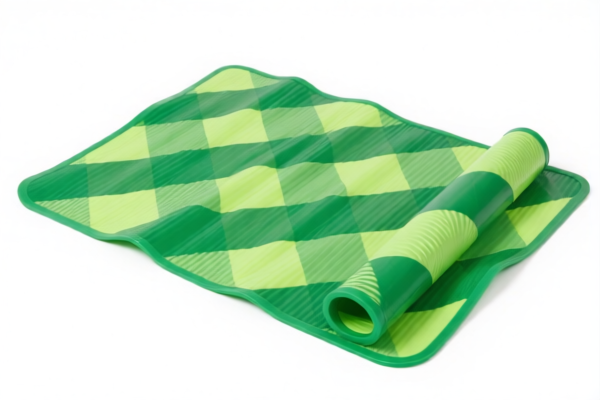
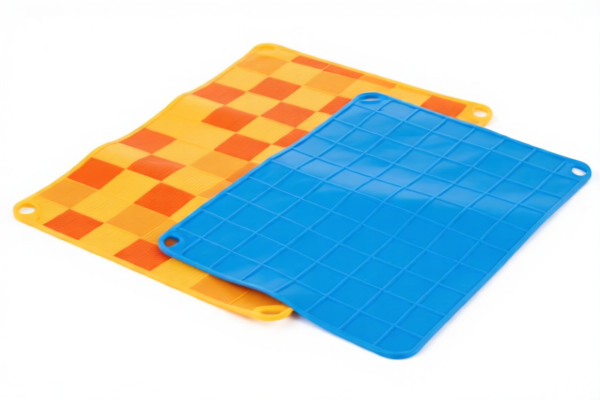
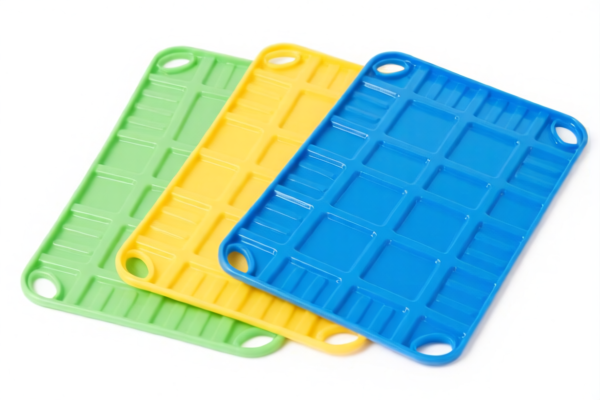
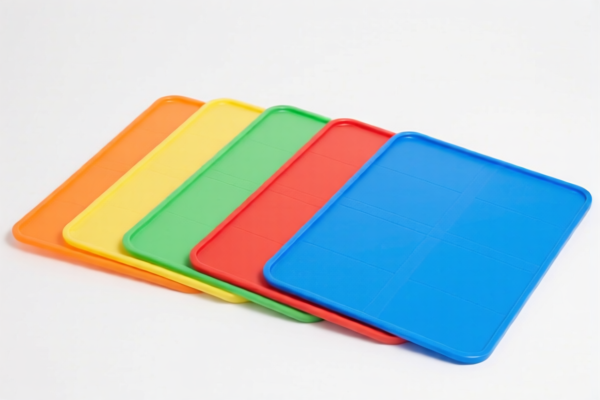
AI分析
🧺 Plastic Picnic Mat: The Ultimate HS Code & Duty Breakdown for 2026
🌐 HS Code Reference & Customs Clearance Guide | 2026 Latest Tariff Analysis | Professional Logistics Strategy
📌 I. Product Definition & Classification: What Exactly is a "Plastic Picnic Mat"?
In international trade, a "Plastic Picnic Mat" is not a single, uniform commodity. Its classification depends entirely on its material composition and manufacturing process. Misclassification here is the #1 cause of customs delays and unexpected duties in the US market.
We distinguish between two main categories: 1. Textile-Based Mats (Non-Silk/Non-Wool): Fabric-like mats (polyester, nylon, cotton blends) that look and feel like textiles. 2. Plastic/Synthetic Mats: Solid sheets of PE, EVA, PVC, or synthetic fibers molded into mats.
⚠️ Key Distinction Point:
- If the surface is woven, knitted, or non-woven fabric (even if coated with plastic) → It falls under Chapter 63 (Other Made-Up Textile Articles).
- If the material is a solid sheet, film, or molded plastic/rubber (like a yoga mat or foam pad) → It falls under Chapter 39 (Plastics) or Chapter 42 (Articles of Leather/Plastic Sheets).
📦 II. HS Code Classification Details (2026 Latest Tariff Authoritative Mapping)
Based on the provided data, here are the precise HS Codes for Plastic Picnic Mats, categorized by material and usage:
| HS Code | Product Description | Material Type | Applicable Scenario |
|--------|--------------------------|-------------------|
| 6304.99.60.40 | Non-silk/Non-wool textile home textile picnic mats | Non-silk/Non-wool Textiles (e.g., Polyester/Nylon blends) | Outdoor camping, beach use, where the base is woven/non-woven fabric. |
| 3924.90.10.50 | Plastic/synthetic fiber picnic mats, classified as household goods | Plastic or Synthetic Fibers | Home use, garden parties, easy-clean plastic surfaces. |
| 6304.92.00.00 | Home decoration/flooring items of non-knitted cotton or other fabrics | Non-knitted Cotton or Other Fabrics | Cotton-heavy mats, decorative indoor/outdoor rugs. |
| 3924.90.56.50 | Outdoor household items made of plastic (e.g., PE/EVA) | Plastic (PE, EVA, PVC) | Foam mats, inflatable mats, solid plastic sheets. |
| 4202.92.39.00 | Portable equipment for sports/travel with textile or plastic sheet surface | Textile or Plastic Sheets (Outer Surface) | Premium travel gear, branded backpacks, foldable outdoor kits. |
🔍 Critical Reminder:
- Don't confuse "Textile" with "Plastic": A mat with a plastic coating on a cotton base is still often classified as textile (Chapter 63), whereas a pure PE foam mat is Chapter 39.
- "Home Use" vs. "Travel Gear": If the mat is part of a larger portable kit (with a bag, straps, etc.), it may fall under 4202.92.39.00 (Travel Goods), which has significantly different duty rates.
💰 III. 2026 Latest Tariff Rate Breakdown (Including Additional Duties & Policy Surcharges)
✅ Applicable Country: United States (US)
✅ Origin: China (CN)
✅ Effective Time: Ongoing (Including 2025-2026 imports)
🎯 1. 6304.99.60.40 —— Non-Silk/Non-Wool Textile Picnic Mats
| Item | Content |
|---|---|
| Base Tariff | 3.2% (ad valorem) |
| Section 301 Surcharge | +7.5% |
| Section 122 Surcharge | +10% |
| Total Tariff | 20.7% |
| Tax Calculation | CIF Value × 20.7% |
| De Minimis Eligibility | ❌ No (High tariff rate triggers scrutiny) |
| Legal Basis Path | Base: 6304.99.60.40 → Section 301: 7.5% → Section 122: 10% |
📌 Explanation:
- This code applies to fabric-based mats.
- The 20.7% rate is moderate but significantly higher than the base 3.2%.
- Section 122 (often related to specific trade remedy or anti-dumping actions) adds a flat 10%, making cost prediction critical.
🎯 2. 3924.90.10.50 —— Plastic/Synthetic Fiber Household Picnic Mats
| Item | Content |
|---|---|
| Base Tariff | 3.3% (ad valorem) |
| Section 301 Surcharge | +0.0% (Exempt from this specific 301 bracket) |
| Section 122 Surcharge | +10% |
| Total Tariff | 13.3% |
| Tax Calculation | CIF Value × 13.3% |
| De Minimis Eligibility | ❌ No (Section 122 applies) |
| Legal Basis Path | Base: 3924.90.10.50 → Section 301: 0% → Section 122: 10% |
📌 Explanation:
- This is a cost-effective option if your product is strictly plastic/synthetic household goods.
- The absence of the 7.5% Section 301 surcharge makes this 7.4% cheaper than the textile alternative.
- Key Advantage: Lower total duty burden compared to textile mats.
🎯 3. 6304.92.00.00 —— Non-Knitted Cotton/Other Fabric Mats
| Item | Content |
|---|---|
| Base Tariff | 6.3% (ad valorem) |
| Section 301 Surcharge | +7.5% |
| Section 122 Surcharge | +10% |
| Total Tariff | 23.8% |
| Tax Calculation | CIF Value × 23.8% |
| De Minimis Eligibility | ❌ No |
| Legal Basis Path | Base: 6304.92.00.00 → Section 301: 7.5% → Section 122: 10% |
📌 Explanation:
- Higher base tariff due to cotton content.
- Highest duty among textile options.
- Avoid this code unless the product is distinctly cotton-based; otherwise, use6304.99.60.40for cost savings.
🎯 4. 3924.90.56.50 —— Plastic Outdoor Household Items (PE/EVA)
| Item | Content |
|---|---|
| Base Tariff | 3.4% (ad valorem) |
| Section 301 Surcharge | +7.5% |
| Section 122 Surcharge | +10% |
| Total Tariff | 20.9% |
| Tax Calculation | CIF Value × 20.9% |
| De Minimis Eligibility | ❌ No |
| Legal Basis Path | Base: 3924.90.56.50 → Section 301: 7.5% → Section 122: 10% |
📌 Explanation:
- This code is for solid plastic materials like PE (Polyethylene) or EVA (Ethylene-Vinyl Acetate) foam.
- Total duty is 20.9%, slightly higher than3924.90.10.50due to the higher base rate (3.4% vs 3.3%).
- Ideal for yoga-style picnic mats or thick foam pads.
🎯 5. 4202.92.39.00 —— Portable Travel/Sports Equipment (Textile/Plastic Surface)
| Item | Content |
|---|---|
| Base Tariff | 17.6% (ad valorem) |
| Section 301 Surcharge | +25.0% |
| Section 122 Surcharge | +10% |
| Total Tariff | 52.6% |
| Tax Calculation | CIF Value × 52.6% |
| De Minimis Eligibility | ❌ No |
| Legal Basis Path | Base: 4202.92.39.00 → Section 301: 25.0% → Section 122: 10% |
📌 Explanation:
- ⚠️ HIGH RISK CODE: This code carries a 52.6% total duty rate.
- It applies only if the mat is part of a complete portable kit (e.g., a branded travel mat with a carrying case, straps, and specific "travel gear" designation).
- Do NOT use this code for a simple standalone mat. Misclassifying a basic mat as "travel equipment" will result in massive overpayment or customs penalties.
🛠️ IV. Customs Clearance Practical Advice (Battle-Tested Pitfall Guide)
✅ 1. Documentation Checklist (Non-Negotiable)
| Document | Required | Description |
|---|---|---|
| ✅ Product Specification Sheet | ✔️ | Must clearly state material composition (e.g., "100% Polyester Woven," "EVA Foam," "PVC Sheet"). |
| ✅ Material Breakdown | ✔️ | Specify % of textile vs. plastic. Critical for choosing between Ch. 63 and Ch. 39. |
| ✅ Product Photos (Clear) | ✔️ | Show texture, backing, and any labels. Differentiate between "woven fabric" and "solid plastic." |
| ✅ Commercial Invoice | ✔️ | Description must match HS Code exactly. Use terms like "Picnic Mat, PVC Material" not just "Mat." |
| ✅ Packing List | ✔️ | Ensure weight and dimensions are accurate. |
| ✅ Origin Certificate (CO) | ✔️ | If applicable, to verify origin for Section 301/122 calculations. |
✅ 2. Classification Strategy (Key Formulas)
🔥 “Material First, Then Use. Textile = 63, Plastic = 39, Kit = 42 (Expensive)”
| Scenario | Correct HS Code | Why? |
|---|---|---|
| Polyester woven mat, foldable | 6304.99.60.40 |
Textile material, home textile use. |
| Soft PVC sheet mat, easy to clean | 3924.90.10.50 |
Plastic household good. Lowest duty (13.3%). |
| Thick EVA Foam mat (like yoga mat) | 3924.90.56.50 |
Plastic/foam material, outdoor household. |
| Cotton-heavy decorative rug | 6304.92.00.00 |
Non-knitted cotton, higher base duty. |
| Branded Kit with Bag & Straps | 4202.92.39.00 |
Classified as "Travel/Sports Gear," but 52.6% duty. |
⚠️ Warning:
- If your mat is just a standalone sheet, DO NOT use4202.92.39.00. It will trigger a 52.6% duty.
- Always prioritize Chapter 39 (Plastic) if the product is plastic-based, as it often has lower base tariffs and avoids the 7.5% Section 301 surcharge in the3924.90.10.50case.
✅ 3. Special Case Handling
| Situation | Recommendation |
|---|---|
| Mixed Materials (e.g., Cotton + Plastic Coating) | Consult a customs broker. May still fall under Textile (Ch. 63) if the textile character is predominant. |
| Inflatable Mat | Check if it’s classified as "Rubber/Plastic Articles" (Ch. 39/40) rather than textile. |
| OEM/Custom Designs | Provide design specs to prove it’s not a "travel kit" (which triggers 4202). |
| Samples vs. Bulk | Even samples are subject to the same HS Code rules; declare correctly to avoid delays. |
🌍 V. Global Market Comparison (2026 Update)
| Country/Region | Recommended HS Code | Estimated Duty (China Origin) | Notes |
|---|---|---|---|
| 🇺🇸 USA | 3924.90.10.50 |
13.3% | Best for plastic mats. Avoid 4202 unless necessary. |
| 🇺🇸 USA | 6304.99.60.40 |
20.7% | Standard for textile mats. |
| 🇪🇺 EU | 3924.00 range |
~0-3% | Lower tariffs, but strict CE/RoHS compliance needed. |
| 🇨🇳 China | 6304.99 or 3924.90 |
5-10% | Import duties apply, but no Section 301/122. |
| 🇬🇧 UK | 6304.91 or 3924.00 |
4-12% | Post-Brexit rules apply. Check UK TARIC code. |
📌 Conclusion:
- USA is the most challenging market due to Section 301 (7.5-25%) and Section 122 (10%) surcharges.
- Plastic-based mats (3924.90.10.50) offer the lowest duty rate (13.3%) among the options.
- Textile mats are taxed higher, and Travel Kits are extremely expensive (52.6%).
📌 VI. Common Mistakes & Pitfalls (Blood-Tested Lessons)
❌ Mistake 1: Calling a simple plastic mat "Travel Gear" to look premium.
👉 Consequence: Customs may classify it as 4202.92.39.00 → 52.6% duty instead of 13.3%. Loss: ~39.3% of product value!
❌ Mistake 2: Using "Textile Mat" for a PVC sheet.
👉 Consequence: Misclassification → Delayed release, potential fines, and retroactive duty adjustments.
❌ Mistake 3: Ignoring Section 122 (10%) in cost calculations.
👉 Consequence: Profit margin erosion. Many traders forget this surcharge, assuming only Base + 301.
❌ Mistake 4: Vague descriptions ("Picnic Mat") on invoices.
👉 Consequence: Customs request additional info → Clearance delay (7-14 days).
✅ Correct Approach:
"Picnic Mat, Made of PVC, Waterproof, Foldable, for Home/Garden Use" →
3924.90.10.50
"Picnic Mat, Made of 100% Polyester Woven Fabric, Coated" →6304.99.60.40
🎯 VII. Conclusion: Precision Classification Saves Money!
🎯 Remember the Formula:
🔹 Plastic = Chapter 39 (Lower Duty)
🔹 Textile = Chapter 63 (Moderate Duty)
🔹 Travel Kit = Chapter 42 (HIGHEST Duty - Avoid if possible!)
🔹 Section 122 (10%) is ALWAYS applied → Factor it into your pricing!
📌 Pro Tip:
If your product can be classified as 3924.90.10.50 (13.3%) instead of 6304.99.60.40 (20.7%) or 4202.92.39.00 (52.6%), always choose the plastic-based code if the material allows. The 7.4% savings (Plastic vs. Textile) or 39.3% savings (Plastic vs. Travel Kit) are huge for bulk shipments.
📣 Immediate Action:
📞 Confirm Material Composition with your supplier today.
📝 Update Invoice Descriptions to reflect the exact material (PVC, PE, Polyester, etc.).
🚀 Calculate Landed Cost using the correct HS Code to ensure profitability.
✨ Professional Customs Clearance Starts with Accurate Classification!
💼 Your Bottom Line Depends on Your HS Code!
用户评价
关于 HS 编码归类
协调制度(HS)是由世界海关组织(WCO)制定的国际贸易商品分类标准。全球 200 多个国家采用 HS 系统作为海关关税、贸易统计和进出口监管的基础。
每个 HS 编码遵循以下层级结构:
- 章(2 位)——商品大类(例如:第 84 章:机器和机械设备)
- 品目(4 位)——章内的更具体分类
- 子目(6 位)——国际通用细分,所有 WCO 成员国统一使用
- 本国细分(8-10 位)——各国自行扩展的细分编码,如美国 HTSUS 10 位编码
正确的 HS 编码归类对于顺利通关、准确缴纳关税和遵守贸易法规至关重要。错误归类可能导致海关延误、多缴关税或罚款。
从CN进口到US时,适用的关税税率可能包括:
- 最惠国(MFN)税率——适用于 WTO 成员国的标准关税税率
- 普通税率——适用于无贸易协定国家
- 贸易救济关税——附加关税,如 301 条款(反倾销)、232 条款(国家安全)或反补贴税
本页内容仅供参考。如需正式归类,请咨询当地海关或持牌报关代理。