plastic pipe bender
CN → US| HS编码 | 关税税率 | 原产国 | 目的国 | 文档 |
|---|---|---|---|---|
| 8479899599 | 87.5% | CN | US | 官方文档 |
| 8479810000 | 35.0% | CN | US | 官方文档 |
| 8465940005 | 37.9% | CN | US | 官方文档 |
| 8462904030 | 39.4% | CN | US | 官方文档 |
| 8462908060 | 39.4% | CN | US | 官方文档 |
商品图片
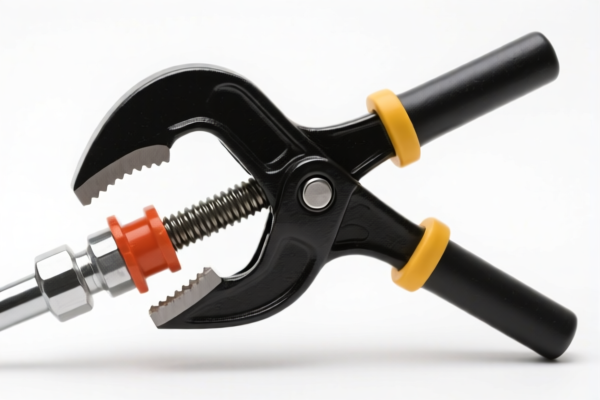
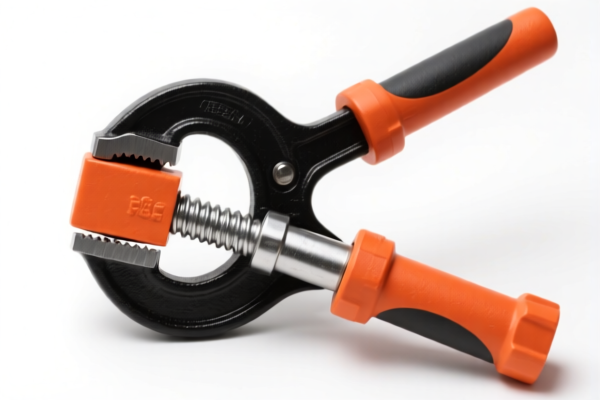
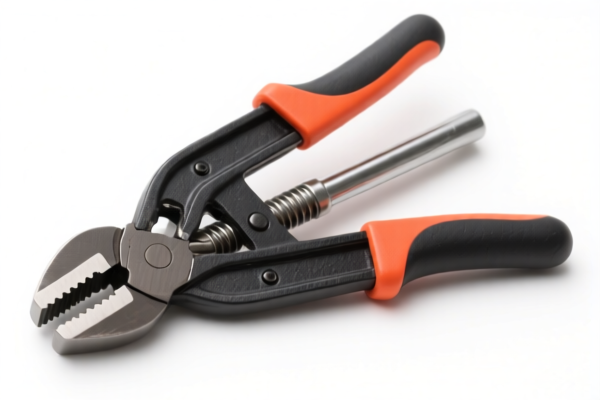
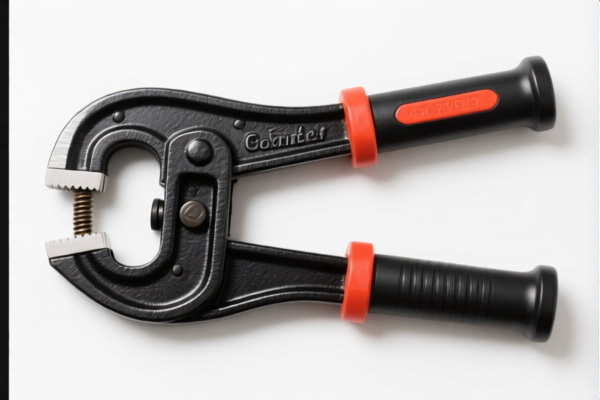
AI分析
🛠️ Plastic Pipe Bender (Plastic Pipe Bending Machine)
🌐 HS Code Reference & Customs Clearance Guide | 2026 Latest Tariff Analysis | Professional Clearance Strategy
📌 I. Product Definition & Classification: Do You Really Understand the "Plastic Pipe Bender"?
A Plastic Pipe Bender is a specialized mechanical device used to bend plastic pipes (such as PPR, PVC, PE, PEX) without crushing or deforming them. In international trade, the classification hinges on two critical factors: 1. Material Processed: Is it processing metal or non-metal (plastic)? 2. Functionality: Is it a generic mechanical apparatus or a specific machine tool for metalworking?
⚠️ Critical Distinction:
- If the machine is explicitly designed for metal pipes (even if it can bend plastic with attachments), it often falls under Metalworking Machine Tools (Chapter 84, Heading 8462).
- If the machine is designed for plastic pipes or is a generic mechanical apparatus not specifically described elsewhere, it may fall under Other Machinery (Heading 8479) or Woodworking/Stone Machinery (Heading 8465) depending on the exact mechanism.
- Note: The provided data contains conflicting summaries (some assume metal, some plastic). We must analyze each HS Code based on the provided logic in .
📦 II. HS Code Classification Details (Based on Provided Data)
| HS Code | Product Description | Logic/Summary from Data | Key Feature |
|---|---|---|---|
8479.89.95.99 |
Other Machinery & Mechanical Appliances (Generic) | "Has independent functions... material inferred as metal." | Generic catch-all; High Tariff Risk |
8479.81.00.00 |
Mechanical Appliances for Metal Processing | "Used for processing metal pipes... fits material/function." | Metal-focused; Moderate Tariff |
8465.94.00.05 |
Machinery for Working Wood/Stone | "Bending machine... material inferred for metal or wood." | Ambiguous; Plastic/Wood overlap |
8462.90.40.30 |
Machine Tools for Working Metal (Bending) | "Bending function falls under 'used for bending' metal machine tools." | Metal-specific; High Precision |
8462.90.80.60 |
Other Machine Tools for Working Metal | "Bending function falls under 'used for bending' metal machine tools." | Metal-specific; Generic Metal Tool |
🔍 Key Insight:
- The term "Plastic Pipe Bender" creates a classification conflict. If the machine is strictly for plastic, codes like8462(Metal Tools) may be incorrect, leading to audits. However, the provided data explicitly links these codes to "metal" or "generic" interpretations.
- For Plastic Pipes: The most defensible code is often 8479.89 (Other Machinery) or 8465.94 (if interpreted as non-metal working), but not 8462 (Metal Tools) unless it is a multi-purpose machine primarily marketed for metal.
- Warning: The data provided includes "122 Clauses" (Section 232) and "301 Clauses" (Section 301), indicating US Import from China. These codes carry high additional tariffs.
💰 III. 2026 Latest Tariff Rate Breakdown (Including Additional Taxes)
✅ Applicable Country: USA (US)
✅ Origin: China (CN)
✅ Effective Date: Post-2025 (Current Trade War Context)
🎯 1. 8479.89.95.99 —— Other Machinery & Mechanical Appliances
| Item | Details |
|---|---|
| Base Tariff | 2.5% |
| Section 301 Tariff | +25.0% |
| Section 232 Tariff | +50% (Steel/Aluminum/Copper Articles) |
| Total Tariff | 87.5% |
| Calculation | CIF Value × 87.5% |
| Legal Basis | Section 232 (National Security) + Section 301 (Trade Imbalance) |
📌 Explanation:
- This is the highest tariff bracket.
- The "25%" is the standard Section 301 tax.
- The "50%" is the Section 232 tax on steel/aluminum components. If the bender is metal-built, it may trigger this.
- Total: 87.5%. This is prohibitive for most commercial imports.
🎯 2. 8479.81.00.00 —— Mechanical Appliances for Metal Processing
| Item | Details |
|---|---|
| Base Tariff | 0.0% |
| Section 301 Tariff | +25.0% |
| Section 232 Tariff | +10% (Note: Data says "10%" in summary, but text implies 122 clause applies. See detail below) |
| Total Tariff | 35.0% |
| Calculation | CIF Value × 35.0% |
| Legal Basis | Section 301 + Partial Section 232 (or specific exclusion) |
📌 Explanation:
- Base tariff is 0%, but 301 adds 25%.
- The data mentions "10% 122 Clause" in the summary but 35% total. This suggests a partial exemption or a different calculation method (e.g., 25% + 10% = 35%).
- Total: 35%. Still high, but significantly lower than 87.5%.
🎯 3. 8465.94.00.05 —— Machinery for Working Wood/Stone
| Item | Details |
|---|---|
| Base Tariff | 2.9% |
| Section 301 Tariff | +25.0% |
| Section 232 Tariff | +10% |
| Total Tariff | 37.9% |
| Calculation | CIF Value × 37.9% |
| Legal Basis | Section 301 + Section 232 |
📌 Explanation:
- Risk: Misclassification. If the machine is for plastic, not wood/stone, this code is incorrect.
- If accepted, the tax is 37.9%.
- Warning: Customs may reject this if the machine is clearly for plastic pipes, leading to reclassification and penalties.
🎯 4. 8462.90.40.30 & 8462.90.80.60 —— Machine Tools for Working Metal (Bending)
| Item | Details |
|---|---|
| Base Tariff | 4.4% |
| Section 301 Tariff | +25.0% |
| Section 232 Tariff | +10% |
| Total Tariff | 39.4% |
| Calculation | CIF Value × 39.4% |
| Legal Basis | Section 301 + Section 232 |
📌 Explanation:
- Major Risk: These codes are for Metalworking. A "Plastic Pipe Bender" does not fit here unless it is a heavy-duty industrial machine primarily for metal.
- If used for plastic, this is a misclassification.
- Total: 39.4%. High, but consistent across both 8462 codes in the data.
🛠️ IV. Customs Clearance Practical Advice (Pitfall Avoidance)
✅ 1. Documentation Checklist (Non-Negotiable)
| Document | Required | Notes |
|---|---|---|
| Product Specification | ✔️ | Clearly state: "For Plastic Pipes Only" or "Multi-Purpose (Metal & Plastic)" |
| Technical Drawing | ✔️ | Show heating elements, mold types (plastic-specific) vs. hydraulic presses (metal) |
| Commercial Invoice | ✔️ | Describe as "Plastic Pipe Bending Machine" – NOT "Metal Press" |
| Material Declaration | ✔️ | Specify if the machine body is steel (triggers 232) |
| Usage Statement | ✔️ | "Mainly used for bending PVC, PPR, PE pipes" |
✅ 2. Classification Strategy (Critical!)
| Scenario | Recommended HS Code | Risk Level | Notes |
|---|---|---|---|
| Strictly Plastic Machine | 8479.89.95.99 | ⚠️ High Tax (87.5%) | Best legal fit if not metal. Avoid 8462. |
| Multi-Purpose (Metal/Plastic) | 8479.81.00.00 | ⚠️ Medium Tax (35%) | If designed for metal, use this. Justify plastic use as secondary. |
| Wood/Plastic Hybrid | 8465.94.00.05 | ⚠️ High Audit Risk | Only if it bends wood and plastic. Not for pure plastic. |
| Metal-Only Machine | 8462.90.40.30 | ✅ Low Risk (Legally) | Do not use for plastic machines. |
🔥 Golden Rule:
"If it bends plastic, do NOT use 8462 (Metal Tools). Use 8479 (Other Machinery)."
Misclassification leads to audits, fines, and cargo detention.
✅ 3. Special Case Handling
| Situation | Action |
|---|---|
| Machine contains Steel Parts | Declare origin of steel. If >25% steel by value, 232 Tax (50%) may apply to 8479.89.95.99. |
| Exclusion Lists | Check if the specific model is on the Section 301 Exclusion List. If yes, you can claim 0% 301 tax. |
| Plastic-Specific Molds | If shipped separately, classify molds under 8480 (Tooling) to lower overall tax burden. |
🌍 V. Global Market Comparison (2026)
| Region | Recommended HS Code | Estimated Tax (China Origin) | Notes |
|---|---|---|---|
| 🇺🇸 USA | 8479.89.95.99 |
87.5% (if plastic) | Highest risk. Check for exclusions. |
| 🇺🇸 USA | 8479.81.00.00 |
35% (if metal) | If marketed as industrial metal tool. |
| 🇨🇳 China | 8479.89.95.99 |
~5-10% | No additional tariffs. |
| 🇪🇺 EU | 8479.89.99 |
~2.7% | No Section 232/301 equivalents. |
| 🇯🇵 Japan | 8479.89.90 |
~2.5% | No major additional tariffs. |
📌 Conclusion:
- US Market is the hardest. Tariffs range from 35% to 87.5%.
- EU/JP/CN are easy. Standard rates apply.
- Strategy: If shipping to US, consider transshipment (e.g., via Vietnam/Malaysia) if legally permissible, or apply for exclusions.
📌 VI. Common Errors & Pitfalls (Blood Lessons)
❌ Error 1: Using 8462 codes for a plastic pipe bender.
👉 Consequence: Customs will reclassify to 8479, but you may face penalties for misdeclaration.
❌ Error 2: Ignoring Section 232 (Steel).
👉 Consequence: If the machine is 50% steel, you may owe 50% additional tax on top of 301.
👉 Fix: Calculate steel content. If high, use 8479.89.95.99 (87.5%) or find exclusion.
❌ Error 3: Vague Description ("Pipe Bender").
👉 Consequence: Customs officer guesses. If they guess "Metal," you get 8462. If "Generic," you get 8479.
👉 Fix: Explicitly state "Plastic" in description and specs.
✅ Correct Declaration Example:
"Plastic Pipe Bending Machine, Model XYZ, for PVC/PPR/PE Pipes, Electric Heating, CNC Control, Made in China"
🎯 VII. Conclusion: Professional Clearance, Cost Optimization!
🎯 Remember:
🔹 "Plastic = 8479, Metal = 8462. Mix them up, pay dearly!"
🔹 "Check Steel Content for 232 Tax. 50% is a killer!"
🔹 "Get Exclusion List Coverage. Save 25-35%!"
📌 Pro Tip:
- Apply for Section 301 Exclusions before shipping.
- Consult a US Customs Broker for pre-classification ruling.
- Consider Transshipment if tariffs exceed 50%.
📣 Immediate Action:
📞 Contact Broker + Provide Specs + Check Exclusions
🚀 Clear Customs Smoothly, Maximize Profit, Minimize Tax!
✨ Professional Clearance Starts with Accurate Classification!
💼 Every Cent Saved is Pure Profit!
用户评价
关于 HS 编码归类
协调制度(HS)是由世界海关组织(WCO)制定的国际贸易商品分类标准。全球 200 多个国家采用 HS 系统作为海关关税、贸易统计和进出口监管的基础。
每个 HS 编码遵循以下层级结构:
- 章(2 位)——商品大类(例如:第 84 章:机器和机械设备)
- 品目(4 位)——章内的更具体分类
- 子目(6 位)——国际通用细分,所有 WCO 成员国统一使用
- 本国细分(8-10 位)——各国自行扩展的细分编码,如美国 HTSUS 10 位编码
正确的 HS 编码归类对于顺利通关、准确缴纳关税和遵守贸易法规至关重要。错误归类可能导致海关延误、多缴关税或罚款。
从CN进口到US时,适用的关税税率可能包括:
- 最惠国(MFN)税率——适用于 WTO 成员国的标准关税税率
- 普通税率——适用于无贸易协定国家
- 贸易救济关税——附加关税,如 301 条款(反倾销)、232 条款(国家安全)或反补贴税
本页内容仅供参考。如需正式归类,请咨询当地海关或持牌报关代理。