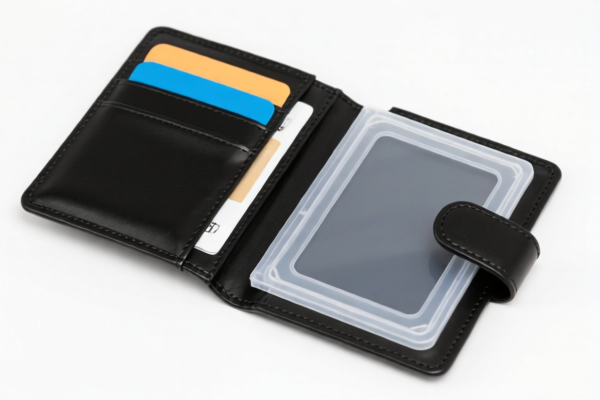
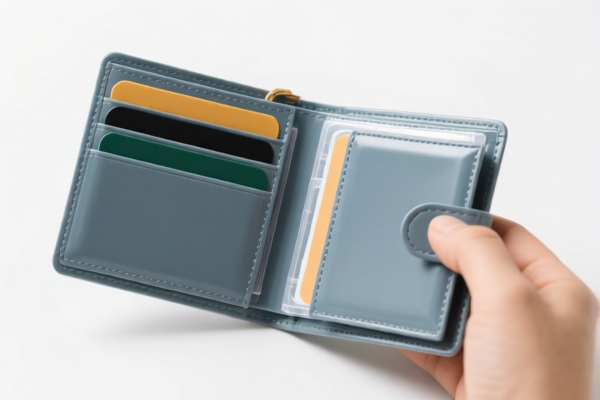
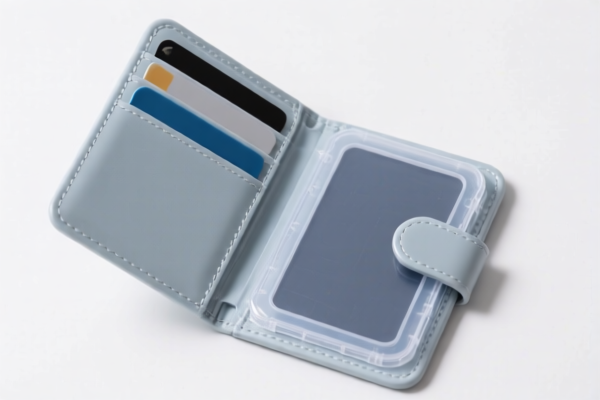
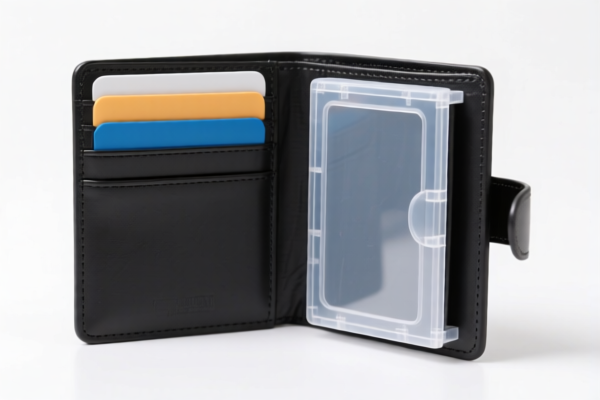
plastic shell multi function wallet
CN → US| HS编码 | 关税税率 | 原产国 | 目的国 | 文档 |
|---|---|---|---|---|
| 3923109000 | 38.0% | CN | US | 官方文档 |
| 4202322000 | 55.0% | CN | US | 官方文档 |
| 4202321000 | 0.0% | CN | US | 官方文档 |
| 3923900080 | 38.0% | CN | US | 官方文档 |
商品图片
AI分析
👛 Plastic Shell Multi-Function Wallet (The "All-in-One" Carry-All)
🌐 HS Code Reference & Customs Clearance Guide | 2026 Latest Tariff Analysis | Strategic Compliance Strategy
📌 1. Product Definition & Classification: What Exactly Is a "Plastic Shell Wallet"?
A "Plastic Shell Multi-Function Wallet" is a broad category often used by suppliers to describe various items ranging from simple coin purses to complex RFID-blocking cardholders. In international trade, the key to classification lies in the material composition, manufacturing method, and specific usage. It is not a single HS Code; it falls into two primary chapters:
Chapter 39 (Plastics): If the item is essentially a plastic container, pouch, or packaging material designed to hold items, it is classified as plastic goods. Chapter 42 (Articles of Leather/Plastics): If the item is a structured personal accessory (like a traditional wallet) where the plastic surface is the primary exterior material, it is classified as an article of leather or of other materials (including plastics).
⚠️ Critical Distinction:
- Is it a packaging item or a personal accessory?
- Is the plastic raw/semi-finished or a finished surface?
- This distinction dictates whether you face 38% or 55% (or a complex hybrid) in tariffs.
📦 2. HS Code Classification Matrix (2026 Latest Tariff Mapping)
Based on the provided data, here are the four possible classifications for "Plastic Shell Multi-Function Wallets":
| HS Code | Product Description | Summary of Classification Logic | Primary Material Structure |
|---|---|---|---|
| 3923.10.90.00 | Plastic Wallet (General Category) | Classified under "Other" plastics for packing/carrying. Used for general storage. | Solid Plastic Shell |
| 4202.32.20.00 | Plastic-Surfaced Wallet | Specifically for wallets carried in pockets/purses. Exterior is plastic sheets. | Plastic Sheet Exterior |
| 4202.32.10.00 | Reinforced/Laminated Wallet | Defined as "carried on person." Plastic is reinforced or laminated. | Laminated/Reinforced Plastic |
| 3923.90.00.80 | Plastic Wallet (Fallback) | "Other" plastics for carrying/packing. Used when no specific plastic article fits elsewhere. | General Plastic Article |
🔍 Key Insight:
- 3923.x.x codes generally treat the wallet as a plastic article/package.
- 4202.x.x codes treat the wallet as a personal accessory with a plastic surface.
- The "Multi-Function" label does not change the HS code; material and construction do.
💰 3. 2026 Tariff Rate Breakdown (Including Surtaxes & Policy Add-ons)
✅ Applicable Country: United States (US)
✅ Origin: China (CN)
✅ Effective Date: Post-2025 policies (Current enforcement)
🎯 1. 3923.10.90.00 & 3923.90.00.80 — The "Plastic Article" Classification
These two codes share the same total tax rate in the provided data. They are often used for simpler, non-leather-look plastic wallets or pouches.
| Item | Detail |
|---|---|
| Base Tariff | 3.0% (Ad Valorem) |
| Section 301 Surtax | +25.0% (25% on top of CIF value) |
| Section 122 Tax | +10.0% (Specific 122 provision surcharge) |
| Total Tax Rate | 38.0% |
| Tax Calculation | CIF Value × 38% |
| De Minimis Exemption | ❌ Not Applicable (High tariff threshold) |
| Legal Path | USITC:3923.10.90.00 / USITC:3923.90.00.80 → Section 301 → Section 122 |
📌 Explanation:
- These wallets are treated as general plastic goods.
- The 38% rate is high but predictable.
- Ideal for: Simple plastic coin purses, card sleeves, or unstructured plastic pouches.
🎯 2. 4202.32.20.00 — The "Plastic Surface" Personal Wallet
This code applies to wallets where the exterior surface is made of plastic sheets and is intended for pocket/handbag carry.
| Item | Detail |
|---|---|
| Base Tariff | 20.0% (Ad Valorem) |
| Section 301 Surtax | +25.0% |
| Section 122 Tax | +10.0% |
| Total Tax Rate | 55.0% |
| Tax Calculation | CIF Value × 55% |
| De Minimis Exemption | ❌ Not Applicable |
| Legal Path | USITC:4202.32.20.00 → Section 301 → Section 122 |
📌 Explanation:
- Highest Tax Burden.
- Applies if the product is clearly marketed as a "Wallet" (personal accessory) with a plastic exterior.
- Risk: If you misclassify a4202item as3923to save 17%, you risk customs audits, back-taxes, and penalties.
🎯 3. 4202.32.10.00 — The "Reinforced/Laminated" Wallet
A specific subtype for wallets where the plastic is reinforced or laminated, often used for durability.
| Item | Detail |
|---|---|
| Base Tariff | 12.1¢/kg + 4.6% (Ad Valorem) |
| Section 301 Surtax | +25.0% |
| Section 122 Tax | +10.0% |
| Total Tax Rate | Hybrid: 12.1¢/kg + 39.6% (approx.) |
| Tax Calculation | (Weight × 0.121) + (CIF Value × 4.6%) + (CIF Value × 25%) + (CIF Value × 10%) |
| De Minimis Exemption | ❌ Not Applicable |
| Legal Path | USITC:4202.32.10.00 → Section 301 → Section 122 |
📌 Explanation:
- Complex Calculation.
- For lightweight items, the per-kg fee is negligible, so the total is ~39.6%.
- For heavy/heavy-duty wallets, the 12.1¢/kg adds up.
- Use this only if the plastic is explicitly laminated/reinforced.
🛠️ 4. Customs Clearance Practical Advice (Avoiding Pitfalls)
✅ 1. Preparation Checklist (Mandatory Documents)
| Document | Required? | Purpose |
|---|---|---|
| ✅ Product Photos | ✔️ | Must show material texture (plastic sheet vs. solid plastic vs. laminated). |
| ✅ Material Specification Sheet | ✔️ | Specify: "PET plastic sheet," "PVC solid," "Laminated plastic." |
| ✅ Commercial Invoice | ✔️ | Clearly state: "Wallet, Plastic Exterior, For Pocket Carry." Avoid vague "Plastic Bag." |
| ✅ Structure Diagram | ✔️ | Show if it’s just a shell or has internal card slots (indicates Chapter 42). |
| ✅ Proof of Reinforcement (if 4202.32.10.00) | ✔️ | Lab test or supplier statement confirming "laminated/reinforced" structure. |
✅ 2. Classification Strategy (The "Golden Rule")
🔥 "Structure Determines Chapter, Material Determines Rate!"
| Scenario | Recommended HS Code | Why? |
|---|---|---|
| Simple Plastic Pouch/Coin Purse (No card slots, just plastic) | 3923.10.90.00 or 3923.90.00.80 | Treated as plastic packaging/article. Lower base rate (3%). |
| Structured Wallet (Card slots, zippered, pocket-sized) with smooth plastic exterior | 4202.32.20.00 | Treated as leather-equivalent accessory. Higher base rate (20%). |
| Rugged/Durable Wallet with laminated/reinforced plastic layers | 4202.32.10.00 | Specific legal definition for reinforced plastics. |
| Ambiguous/Unstructured plastic carry-all | 3923.90.00.80 | Fallback "Other" category. Safer if unsure, but 38% still high. |
⚠️ Warning:
- Do NOT try to misclassify a4202(55%) wallet as3923(38%) just to save money.
- US Customs (CBP) uses Section XI Note 1 and General Rules of Interpretation (GRI) to determine if it’s "wearable" or "packaging."
- If it has card slots, ID windows, or a zipper, it is almost certainly Chapter 42.
✅ 3. Cost-Saving & Compliance Tips
| Strategy | Action |
|---|---|
| Material Optimization | If possible, design the wallet with a fabric or leather exterior (if applicable) to potentially change classification, though plastic is specified. |
| Weight Management | For 4202.32.10.00, keep the wallet lightweight to minimize the 12.1¢/kg charge. |
| Accurate Description | Use precise terms: "Plastic-Exterior Wallet" (for 4202) vs. "Plastic Storage Pouch" (for 3923). |
| Pre-Ruling | If unsure, apply for a CBP Pre-Ruling with sample photos. Cost: ~$300-$500. Potential savings: Thousands in duties/penalties. |
🌍 5. Global Market Comparison (2026 Overview)
| Market | Likely HS Code | Base Rate | Surcharge | Total Est. | Notes |
|---|---|---|---|---|---|
| 🇺🇸 USA | 4202.32.20.00 |
20% | +35% (301+122) | 55% | Highest cost. |
| 🇺🇸 USA | 3923.10.90.00 |
3% | +35% (301+122) | 38% | Lower risk if truly plastic packaging. |
| 🇨🇳 China | 4202.32.20.00 |
20% | 0% | 20% | No Section 301 for exports to China. |
| 🇪🇺 EU | 4202.32.00 |
~6-10% | 0% | ~6-10% | No massive surcharges like US. |
| 🇬🇧 UK | 4202.32.00 |
~6-10% | 0% | ~6-10% | Post-Brexit tariffs are moderate. |
📌 Conclusion:
- The US market is the most expensive for plastic wallets due to Section 301 and 122 tariffs.
- Chapter 42 (55%) is significantly more costly than Chapter 39 (38%).
- Accuracy is critical. Misclassification leads to 100% duty + penalties + potential seizure.
📌 6. Common Mistakes & Pitfalls (Blood & Tears Lessons)
❌ Mistake 1: Calling a "Structured Wallet" a "Plastic Bag" to get 38% instead of 55%.
👉 Result: CBP inspection finds card slots → Back-taxes (17% difference) + 5% penalty.
❌ Mistake 2: Ignoring the "Section 122" 10% surcharge.
👉 Result: Underpaying duties → Customs audit in 2027.
❌ Mistake 3: Not specifying "Laminated" for 4202.32.10.00.
👉 Result: CBP reclassifies to 4202.32.20.00 → You pay 55% instead of ~39.6%.
✅ Best Practice:
"Plastic-Exterior Multi-Function Wallet, Model XYZ, with 8 Card Slots, Zippered Closure, 100% PET Plastic Exterior, For Personal Pocket Carry."
🎯 7. Final Recommendation: How to Proceed?
- Analyze Your Product:
- Is it a pouch/packaging? → Use 3923.10.90.00 (38% Total).
- Is it a wallet with slots? → Use 4202.32.20.00 (55% Total).
-
Is it reinforced/laminated? → Use 4202.32.10.00 (Hybrid ~39.6% Total).
-
Calculate True Landed Cost:
-
Use the 55% rate for 4202 items in your pricing model. Do not assume lower rates.
-
Document Everything:
-
Keep photos, specs, and supplier declarations ready for CBP.
-
Consult a Broker:
- If the product is hybrid (e.g., plastic shell + fabric lining), a broker can help determine if Chapter 42 still applies.
📌 Pro Tip:
For the US market, Chapter 39 (38%) is significantly more competitive than Chapter 42 (55%).
If your product design allows, consider shifting from a "Wallet" (Chapter 42) to a "Plastic Storage Pouch" (Chapter 39) structure to save 17% in duties.
✨ Precise Classification = Maximum Profit.
💼 Don’t let 17% tariffs eat your margin.
🚀 Customs Clarity Today, Profitability Tomorrow.
用户评价
关于 HS 编码归类
协调制度(HS)是由世界海关组织(WCO)制定的国际贸易商品分类标准。全球 200 多个国家采用 HS 系统作为海关关税、贸易统计和进出口监管的基础。
每个 HS 编码遵循以下层级结构:
- 章(2 位)——商品大类(例如:第 84 章:机器和机械设备)
- 品目(4 位)——章内的更具体分类
- 子目(6 位)——国际通用细分,所有 WCO 成员国统一使用
- 本国细分(8-10 位)——各国自行扩展的细分编码,如美国 HTSUS 10 位编码
正确的 HS 编码归类对于顺利通关、准确缴纳关税和遵守贸易法规至关重要。错误归类可能导致海关延误、多缴关税或罚款。
从CN进口到US时,适用的关税税率可能包括:
- 最惠国(MFN)税率——适用于 WTO 成员国的标准关税税率
- 普通税率——适用于无贸易协定国家
- 贸易救济关税——附加关税,如 301 条款(反倾销)、232 条款(国家安全)或反补贴税
本页内容仅供参考。如需正式归类,请咨询当地海关或持牌报关代理。