plastic sole and upper short boots
CN → US| HS编码 | 关税税率 | 原产国 | 目的国 | 文档 |
|---|---|---|---|---|
| 3926909989 | 22.8% | CN | US | 官方文档 |
| 6402914050 | 16.0% | CN | US | 官方文档 |
| 6401929060 | 55.0% | CN | US | 官方文档 |
| 6401929030 | 55.0% | CN | US | 官方文档 |
| 6402914067 | 16.0% | CN | US | 官方文档 |
商品图片
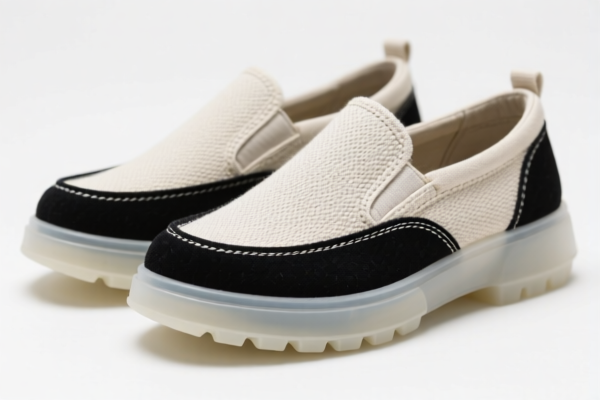
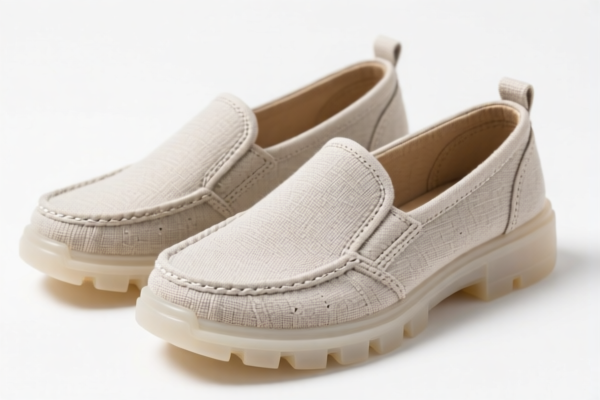
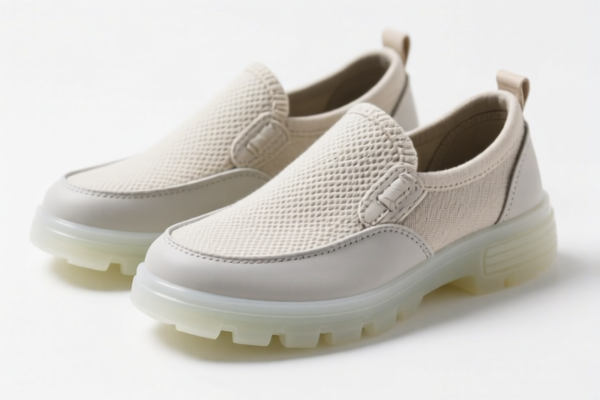
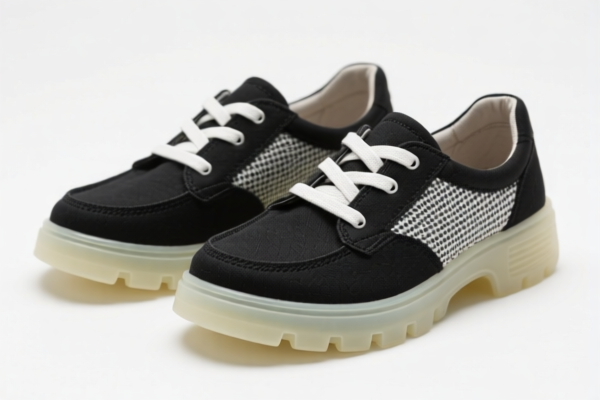
AI分析
👢 Plastic Short Ankle Boots: HS Code Classification & US Customs Clearance Guide
🌐 HS Code Reference & Customs Clearance Guide | 2026 Latest Tariff Analysis | Professional Compliance Strategy
📌 I. Product Definition & Classification: What Are "Plastic Short Ankle Boots"?
Plastic short ankle boots are footwear where both the upper (the part covering the foot and ankle) and the sole (the bottom layer) are primarily made of plastic or rubber-like synthetic materials. They are designed to cover the ankle but not extend significantly above it.
In international trade, the classification depends heavily on: 1. Material Composition: Is it strictly "plastic" (e.g., PVC, EVA) or a mix with rubber? 2. Form & Function: Is it for casual wear, work safety, or general use? 3. Structural Integrity: Is the sole fixed and made of plastic?
⚠️ Critical Distinction:
- If the sole is plastic AND the upper is plastic → Generally falls under Chapter 64 (Footwear).
- If the item is considered a "Plastic Article" rather than footwear (e.g., loose covers, non-wearable fashion items) → May fall under Chapter 39 (Plastics).
📦 II. HS Code Classification Details (Based on Provided Data)
Below is the analysis of the specific HS codes provided in your data, explaining why each applies and its associated tax burden.
| HS Code | Summary & Logic | Total Tax Rate | Tax Breakdown (US Import from China) |
|---|---|---|---|
| 3926.90.99.89 | 归类为塑料制品 (Plastic Articles) Viewed as a finished plastic good rather than footwear. Material: Plastic. Form: Finished boot. |
22.8% | Base: 5.3% + Section 301 (7.5%) + Section 122 (10%) |
| 6402.91.40.50 | 归类为其他鞋类 (Other Footwear) Material: Plastic. Form: Covers ankle. Use: Other footwear. |
16.0% | Base: 6.0% + Section 301 (0.0%) + Section 122 (10%) |
| 6401.92.90.60 | 归类为橡胶/塑料鞋靴 (Rubber/Plastic Footwear) Material: Plastic. Form: Short ankle boot. Use: Other footwear. |
55.0% | Base: 37.5% + Section 301 (7.5%) + Section 122 (10%) |
| 6401.92.90.30 | 归类为工作鞋 (Work Shoes) Material: Plastic. Form: Ankle boot. Use: Meets work shoe attributes. |
55.0% | Base: 37.5% + Section 301 (7.5%) + Section 122 (10%) |
| 6402.91.40.67 | 归类为其他鞋类 (Other Footwear) Upper Material: Rubber or Plastic. Form: Covers ankle. |
16.0% | Base: 6.0% + Section 301 (0.0%) + Section 122 (10%) |
🔍 Key Insight:
- Section 122 Tariff (10%): Appears to be a specific surcharge (possibly related to recent trade measures or specific category tags) applied to all listed codes.
- Section 301 Variance: Notice that 3926 and 6402.91 codes have lower or zero Section 301 duties compared to 6401.92 codes.
- Highest Risk: The 6401.92 series carries a 55% total tax due to a high base rate (37.5%), likely triggered by classification as "waterproof footwear" or "work shoes" under Chapter 64 headings.
💰 III. Detailed Tariff Explanation (2026 Latest)
✅ Applicable Country: United States (US)
✅ Origin: China (CN)
✅ Key Components:
- Base Duty: Standard MFN (Most Favored Nation) rate.
- Section 301 Duty: Additional tariff on Chinese goods (varies by HTS subheading).
- Section 122 Duty: A flat 10% surcharge applied in this dataset.
🎯 1. The "Lowest Cost" Path: 6402.91.40.50 & 6402.91.40.67
- Total Tax: 16.0%
- Why?: These codes fall under "Other footwear" with plastic/rubber uppers.
- Tax Detail:
- Base: 6.0%
- Section 301: 0.0% (Not subject to the highest tier of trade war tariffs)
- Section 122: 10%
- Strategy: If your boots are fashion/casual and not specifically designed as work safety boots, this is the optimal classification.
🎯 2. The "Plastic Article" Path: 3926.90.99.89
- Total Tax: 22.8%
- Why?: Classified under Chapter 39 (Plastics) rather than Chapter 64 (Footwear).
- Tax Detail:
- Base: 5.3%
- Section 301: 7.5%
- Section 122: 10%
- Risk: Customs may reject this if the item is clearly wearable footwear, as Chapter 64 takes precedence for shoes.
🎯 3. The "High Cost" Path: 6401.92.90.60 & 6401.92.90.30
- Total Tax: 55.0%
- Why?: These codes often correspond to waterproof footwear or work shoes with specific protective features.
- Tax Detail:
- Base: 37.5% (Very high base rate for protective footwear)
- Section 301: 7.5%
- Section 122: 10%
- Avoidance Strategy: Do not classify casual plastic boots as "work shoes" unless they have verified safety certifications (e.g., steel toe, anti-slip industrial grade).
🛠️ IV. Customs Clearance Practical Advice
✅ 1. Preparation Checklist (Must-Haves)
| Document | Requirement | Purpose |
|---|---|---|
| Product Photos | ✔️ Clear images of sole, upper, and inside | To prove material (plastic) and style (ankle boot) |
| Material Breakdown | ✔️ % composition of upper & sole | To distinguish between "Plastic" vs. "Rubber" vs. "Textile" |
| Function Statement | ✔️ "Casual Fashion" vs. "Industrial Work" | Critical to avoid 55% tax rate (Work Shoe classification) |
| Commercial Invoice | ✔️ Must describe item as "Plastic Ankle Boots" | Avoid vague terms like "Plastic Goods" unless using 3926 |
| Packaging Info | ✔️ Show unit packaging (per pair) | Prevents per-unit valuation errors |
✅ 2. Classification Strategy (The "How-To")
🔥 Golden Rule:
"Define Use, Then Define Material!"
| Scenario | Recommended HS Code | Total Tax | Reason |
|---|---|---|---|
| Casual/Fashion Plastic Boots | 6402.91.40.50 or 6402.91.40.67 |
16.0% | Not workwear, not waterproof industrial gear. |
| Waterproof/Fishing Boots | 6401.92.90.60 |
55.0% | Falls under "Waterproof footwear" heading. |
| Steel-Toe/Industrial Plastic Boots | 6401.92.90.30 |
55.0% | Classified as "Work Shoes" with protective features. |
| Non-Wearable Plastic Covers | 3926.90.99.89 |
22.8% | Only if NOT designed for walking/wearing. |
✅ 3. Critical Warnings & Pitfalls
❌ Mistake 1: Calling "Fashion Boots" "Work Shoes"
👉 Consequence: Tax jumps from 16% to 55%.
👉 Fix: Use terms like "Casual," "Fashion," "Everyday Wear" in invoice and marketing materials.
❌ Mistake 2: Ignoring the Section 122 10% Surcharge
👉 Consequence: Underpaying duties, leading to penalties upon audit.
👉 Fix: Ensure all calculations include the 10% additional duty.
❌ Mistake 3: Misclassifying as Chapter 39 (3926) for Wearable Boots
👉 Consequence: Customs may reject and reclassify under Chapter 64, causing delays.
👉 Fix: Only use 3926 if the item is not footwear (e.g., plastic shoe covers for rain protection, not boots).
🌍 V. Global Market Comparison (Snapshot)
| Market | Likely HS Code | Estimated Duty (China Origin) | Notes |
|---|---|---|---|
| 🇺🇸 USA | 6402.91.40.50 |
16.0% | Best rate if not "work footwear". |
| 🇪🇺 EU | 6402.91 |
~10% + VAT | No Section 301, but different base rates. |
| 🇨🇳 China | 6402.91 |
~10-15% | Import duty for foreign boots. |
📌 VI. Conclusion & Action Plan
🎯 Final Recommendation:
For Plastic Short Ankle Boots intended for general/casual use, the optimal classification is:
6402.91.40.50or6402.91.40.67
Total Tax: 16.0%
🚀 Action Steps:
- Confirm Design: Ensure boots are not marketed or structured as industrial work gear.
- Labeling: Mark invoices as "Casual Plastic Ankle Boots" not "Work Boots."
- Verify Materials: Ensure the upper is plastic (not textile/mesh) to fit Chapter 64.
- Pre-Arrival Review: Submit samples to a customs broker for HTS Code Pre-Ruling if shipment value is high.
✨ Professional clearance starts with precise classification!
💼 Save 39% in taxes by choosing the right HS Code!
用户评价
关于 HS 编码归类
协调制度(HS)是由世界海关组织(WCO)制定的国际贸易商品分类标准。全球 200 多个国家采用 HS 系统作为海关关税、贸易统计和进出口监管的基础。
每个 HS 编码遵循以下层级结构:
- 章(2 位)——商品大类(例如:第 84 章:机器和机械设备)
- 品目(4 位)——章内的更具体分类
- 子目(6 位)——国际通用细分,所有 WCO 成员国统一使用
- 本国细分(8-10 位)——各国自行扩展的细分编码,如美国 HTSUS 10 位编码
正确的 HS 编码归类对于顺利通关、准确缴纳关税和遵守贸易法规至关重要。错误归类可能导致海关延误、多缴关税或罚款。
从CN进口到US时,适用的关税税率可能包括:
- 最惠国(MFN)税率——适用于 WTO 成员国的标准关税税率
- 普通税率——适用于无贸易协定国家
- 贸易救济关税——附加关税,如 301 条款(反倾销)、232 条款(国家安全)或反补贴税
本页内容仅供参考。如需正式归类,请咨询当地海关或持牌报关代理。