plastic sole and upper work ankle boots
CN → US| HS编码 | 关税税率 | 原产国 | 目的国 | 文档 |
|---|---|---|---|---|
| 6401929060 | 55.0% | CN | US | 官方文档 |
| 6401926000 | 14.6% | CN | US | 官方文档 |
| 3926909989 | 22.8% | CN | US | 官方文档 |
| 6402914050 | 16.0% | CN | US | 官方文档 |
| 6402914067 | 16.0% | CN | US | 官方文档 |
商品图片
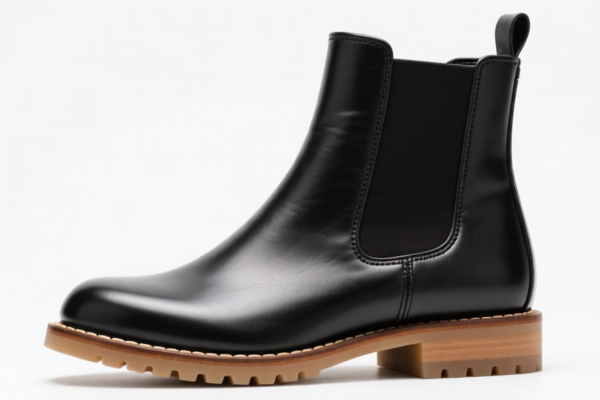
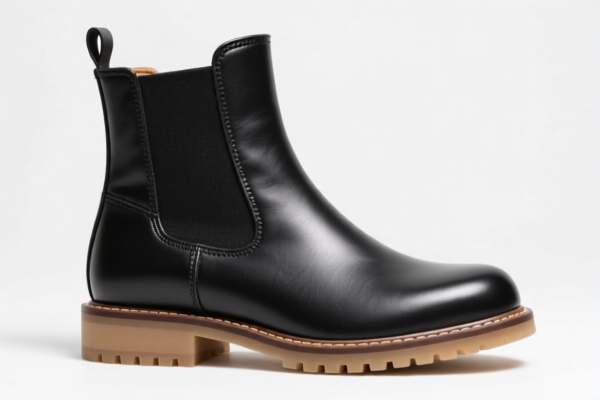
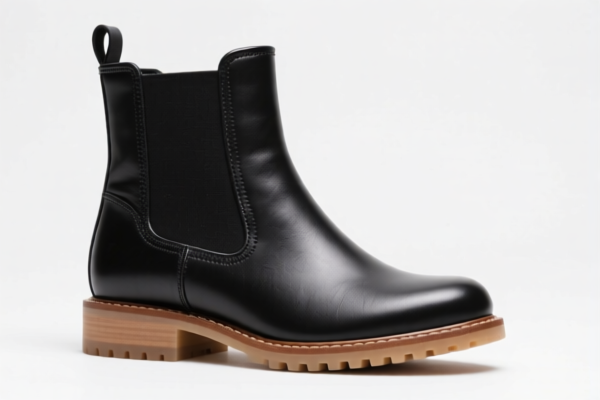
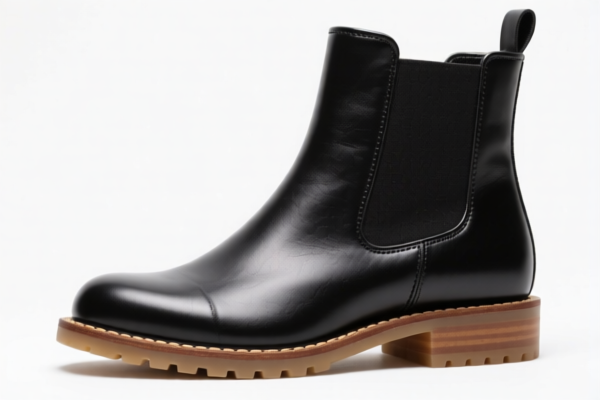
AI分析
👢 Plastic Sole & Upper Work Ankle Boots: The Ultimate HS Code & Tax Guide (US Imports)
🌐 HS Code Reference & Customs Clearance Guide | 2026 Latest Tariff Analysis | Professional Compliance Strategy
📌 Part 1: Product Definition & Classification – Do You Really Know "Plastic Ankle Boots"?
Plastic sole and upper work ankle boots are a specific category of protective footwear. In international trade, they are not simply "shoes." They are strictly defined by their material composition (100% plastic/rubber for both sole and upper) and their coverage area (covering the ankle).
Key Distinction Points: * "Plastic/Rubber Sole AND Upper": If both the outer sole and the upper part are made of rubber or plastics, they fall under Chapter 64 (Footwear). * "Plastic Accessories/Parts Only": If these are merely shoe parts, heels, or insoles not attached to a complete shoe, they fall under Chapter 39 (Articles of Plastic). * "Waterproof" Status: If the boots are designed to be waterproof (covering the ankle and impermeable to water), they have specific subheadings in Chapter 64 that may attract different tariff rates compared to non-waterproof general-purpose plastic footwear.
⚠️ Critical Warning:
- Misclassifying a complete waterproof boot as a general plastic shoe can lead to incorrect duty assessments (e.g., missing the 10% Section 301 tariff nuances).
- Misclassifying a complete boot as a plastic article (Ch 39) is a major compliance error, as Chapter 64 prevails for finished footwear.
📦 Part 2: HS Code Classification Details (2026 Latest Tariff Authority Mapping)
Based on the provided data, here are the precise HS Codes and their corresponding tax implications for Plastic Sole and Upper Work Ankle Boots.
| HS Code | Product Description | Tax Rate (Total) | Tax Breakdown |
|---|---|---|---|
6401.92.90.60 |
Plastic material, ankle-high boots (do not cover the knee), classified as other waterproof footwear. | 55.0% | Base: 37.5% Add'l: 7.5% Sec 301: 10% |
6401.92.60.00 |
Plastic material, ankle-covering, waterproof footwear with outer sole & upper of rubber/plastic. | 14.6% | Base: 4.6% Add'l: 0.0% Sec 301: 10% |
3926.90.99.89 |
Plastic articles (not footwear), classified under "Other plastic articles." | 22.8% | Base: 5.3% Add'l: 7.5% Sec 301: 10% |
6402.91.40.50 |
Plastic material, ankle-covering, other footwear with rubber/plastic sole & upper. | 16.0% | Base: 6.0% Add'l: 0.0% Sec 301: 10% |
6402.91.40.67 |
Plastic material, ankle-covering, unisex/other footwear, non-specific gender category. | 16.0% | Base: 6.0% Add'l: 0.0% Sec 301: 10% |
🔍 Key Insight:
-6401.92.60.00is the lowest tax rate (14.6%) for waterproof plastic ankle boots, but it has a very low base duty (4.6%) and 0% additional duty (likely due to specific trade agreements or product exclusions, though Sec 301 still applies).
-6401.92.90.60is the highest tax rate (55.0%). It applies to "other waterproof" boots that may not meet the specific criteria of6401.92.60.00. The base duty is high (37.5%) plus 7.5% additional duty.
-6402.91.40.50/67are for non-waterproof or general plastic ankle boots. The tax is 16.0%, with a 6% base and 0% additional duty.
-3926.90.99.89should ONLY be used if the item is not a complete shoe (e.g., plastic shoe parts, uppers sold separately, or decorative plastic pieces). Using this for a complete boot is illegal and risky.
💰 Part 3: 2026 Latest Tariff Rate Breakdown (Including Additional Taxes)
✅ Applicable Country: United States (US)
✅ Origin: China (CN)
✅ Effective Time: 2025/2026 Tariff Schedule
🎯 1. 6401.92.90.60 – Other Waterproof Plastic Ankle Boots
| Item | Detail |
|---|---|
| Base Duty | 37.5% |
| Additional Duty | 7.5% (Likely under specific trade remedy or anti-dumping measures) |
| Section 301 (IEEPA) | 10% (Applied to Chinese-origin goods) |
| Total Tax Rate | 55.0% |
| De Minimis Eligible? | ❌ No (High duty rates usually exclude de minimis treatment) |
| Legal Basis | HTSUS:6401.92.90.60 → Section 301 Footnote |
📌 Explanation:
- This code carries a very high tariff burden.
- The 7.5% additional duty is critical; it is not just the standard 10% Section 301.
- Strategy: Only use this code if the product is clearly "waterproof" but does not fit the6401.92.60.00criteria. Verify waterproofing claims with test reports.
🎯 2. 6401.92.60.00 – Waterproof Plastic Ankle Boots (Specific Category)
| Item | Detail |
|---|---|
| Base Duty | 4.6% |
| Additional Duty | 0.0% |
| Section 301 (IEEPA) | 10% |
| Total Tax Rate | 14.6% |
| De Minimis Eligible? | ❌ No (Still subject to high total duty, but much lower than 55%) |
| Legal Basis | HTSUS:6401.92.60.00 → Section 301 Footnote |
📌 Explanation:
- This is the most cost-effective code for waterproof plastic ankle boots.
- Requirement: Must be strictly "waterproof" and meet the specific subheading criteria.
- Strategy: If your boots are waterproof, prioritize this classification. Ensure marketing materials and technical specs explicitly state "Waterproof."
🎯 3. 6402.91.40.50 & 6402.91.40.67 – Non-Waterproof Plastic Ankle Boots
| Item | Detail |
|---|---|
| Base Duty | 6.0% |
| Additional Duty | 0.0% |
| Section 301 (IEEPA) | 10% |
| Total Tax Rate | 16.0% |
| De Minimis Eligible? | ❌ No |
| Legal Basis | HTSUS:6402.91.40.50/67 → Section 301 Footnote |
📌 Explanation:
- For non-waterproof work boots (e.g., rain-resistant but not fully sealed, or industrial plastic shoes not classified as "waterproof").
- Tax Savings: Only 1.4% higher than the best waterproof code (6401.92.60.00), but significantly lower than6401.92.90.60(55%).
- Strategy: If the boots are not certified waterproof, use this code. Do not claim "waterproof" if they are not.
🎯 4. 3926.90.99.89 – Plastic Articles (NOT Footwear)
| Item | Detail |
|---|---|
| Base Duty | 5.3% |
| Additional Duty | 7.5% |
| Section 301 (IEEPA) | 10% |
| Total Tax Rate | 22.8% |
| De Minimis Eligible? | ❌ No |
| Legal Basis | HTSUS:3926.90.99.89 |
📌 Explanation:
- High Risk: This code is for plastic parts, not complete shoes.
- Consequence: If customs determines the item is a complete boot, they will reclassify it to Chapter 64, potentially applying higher duties and penalties.
- Strategy: Only use if importing uppers, soles, or heel caps separately.
🛠️ Part 4: Customs Clearance Practical Advice (Avoiding Pitfalls)
✅ 1. Documentation Checklist (Non-Negotiable)
| Document | Required? | Purpose |
|---|---|---|
| ✅ Product Specifications | ✔️ | Must detail material (100% plastic/rubber), sole thickness, and waterproof status. |
| ✅ Waterproof Test Report | ✔️ | Critical for claiming 6401.92.60.00. Without it, you risk being bumped to 6401.92.90.60 (55% tax). |
| ✅ Product Photos | ✔️ | Show ankle coverage, sole pattern, and any seams indicating waterproofing. |
| ✅ Commercial Invoice | ✔️ | Description must match HS Code (e.g., "Waterproof Plastic Ankle Boots"). |
| ✅ Packing List | ✔️ | Ensure quantities match invoice. |
✅ 2. Declaration Tips (Golden Rules)
🔥 "Waterproof Claims Require Proof! Non-Waterproof is Safer than False Claims!"
| Scenario | Correct Declaration | Risk of Incorrect Declaration |
|---|---|---|
| Waterproof Boots | Use 6401.92.60.00 (14.6%) |
If you claim waterproof but fail test → 55% tax + penalties. |
| Non-Waterproof Boots | Use 6402.91.40.50/67 (16.0%) |
If you falsely claim "waterproof" → Customs audit, back taxes, fines. |
| Plastic Parts Only | Use 3926.90.99.89 (22.8%) |
If you ship complete boots under this code → Seizure, reclassification, penalties. |
| General Ankle Boots | Use 6402.91.40.50/67 |
Always default to Chapter 64 for complete shoes. |
✅ 3. Special Handling Cases
| Situation | Advice |
|---|---|
| OEM Custom Boots | Provide design specs to prove material composition. If mixed materials (e.g., leather upper + plastic sole), do NOT use these codes; use mixed-material footwear codes. |
| Unisex Boots | Use 6402.91.40.67. Gender-neutral design supports this classification. |
| Work Safety Boots | If they meet ASTM/OSHA standards, ensure this is documented. It does not change HS Code but may affect customs scrutiny. |
| Drop-shipping from China | High risk of misclassification. Ensure your supplier provides accurate material composition. If they say "plastic," ask for specific polymer type (e.g., PVC, TPU). |
🌍 Part 5: Global Market Comparison (2026)
| Country | Recommended HS Code | Est. Tariff (China Origin) | Notes |
|---|---|---|---|
| 🇺🇸 USA | 6401.92.60.00 or 6402.91.40.50 |
14.6% - 16.0% | Section 301 (10%) applies. High scrutiny on "waterproof" claims. |
| 🇨🇳 China | 6401.92.60.00 |
~5-10% | No Section 301. Lower base duties. |
| 🇪🇺 EU | 6401.20.00 or 6402.20.00 |
~2.5-15% | Different subheading structure. No Section 301. |
| 🇨🇦 Canada | 6401.92.00 |
~15-20% | CBSA may require detailed material breakdown. |
| 🇲🇽 Mexico | 6401.92.01 |
~10-15% | USMCA may offer duty-free if originating in NA. |
📌 Conclusion:
- USA is the most complex market due to Section 301 tariffs and high additional duties on certain subheadings.
- Waterproof vs. Non-Waterproof is the single biggest factor in US duty rates (14.6% vs. 55%).
- Accuracy in material declaration is paramount to avoid severe penalties.
📌 Part 6: Common Errors & Pitfalls (Lessons Learned)
❌ Error 1: Calling non-waterproof boots "waterproof" to avoid higher duties.
👉 Consequence: Customs may reject the claim, apply the 55% rate, and impose penalties.
❌ Error 2: Shipping complete boots under 3926.90.99.89 (Plastic Articles).
👉 Consequence: Customs will reclassify to Chapter 64, potentially applying higher duties and demurrage fees.
❌ Error 3: Ignoring the "Additional Duty" component in 6401.92.90.60.
👉 Consequence: Budgeting only for 47.5% (37.5+10) when the true cost is 55%.
✅ Correct Approach:
"Waterproof Boots =
6401.92.60.00(14.6%)
Non-Waterproof Boots =6402.91.40.50(16.0%)
Plastic Parts Only =3926.90.99.89(22.8%)"
🎯 Part 7: Conclusion – Professional Declaration Saves Money!
🎯 Key Takeaway:
🔹 Waterproof is Key: If your boots are waterproof, strive for
6401.92.60.00(14.6%).
🔹 Do Not Overclaim: If not waterproof, use6402.91.40.50(16.0%).
🔹 Avoid Chapter 39: Unless you are importing parts, not complete shoes.
📌 Pro Tip:
Before shipping, request a material test report from your supplier. If the boots are waterproof, ensure the report is available for customs inspection. This small step can save you 40% in duties compared to the highest-risk classification.
📣 Immediate Action:
📞 Consult a Customs Broker: Verify if your specific boot model qualifies for
6401.92.60.00.
📄 Prepare Documentation: Waterproof test reports, material specs, and clear photos.
🚀 Optimize Your Supply Chain: Ensure your HS Code declaration matches your product's actual capabilities to avoid costly delays and penalties.
✨ Precision in Classification, Profit in Clearance!
💼 Your Bottom Line Depends on the Right HS Code!
用户评价
关于 HS 编码归类
协调制度(HS)是由世界海关组织(WCO)制定的国际贸易商品分类标准。全球 200 多个国家采用 HS 系统作为海关关税、贸易统计和进出口监管的基础。
每个 HS 编码遵循以下层级结构:
- 章(2 位)——商品大类(例如:第 84 章:机器和机械设备)
- 品目(4 位)——章内的更具体分类
- 子目(6 位)——国际通用细分,所有 WCO 成员国统一使用
- 本国细分(8-10 位)——各国自行扩展的细分编码,如美国 HTSUS 10 位编码
正确的 HS 编码归类对于顺利通关、准确缴纳关税和遵守贸易法规至关重要。错误归类可能导致海关延误、多缴关税或罚款。
从CN进口到US时,适用的关税税率可能包括:
- 最惠国(MFN)税率——适用于 WTO 成员国的标准关税税率
- 普通税率——适用于无贸易协定国家
- 贸易救济关税——附加关税,如 301 条款(反倾销)、232 条款(国家安全)或反补贴税
本页内容仅供参考。如需正式归类,请咨询当地海关或持牌报关代理。