plastic soles adhesive construction
CN → US| HS编码 | 关税税率 | 原产国 | 目的国 | 文档 |
|---|---|---|---|---|
| 3926905900 | 37.4% | CN | US | 官方文档 |
| 3926906090 | 39.2% | CN | US | 官方文档 |
| 6406200000 | 20.2% | CN | US | 官方文档 |
| 6406903030 | 15.3% | CN | US | 官方文档 |
| 6402993177 | 16.0% | CN | US | 官方文档 |
商品图片
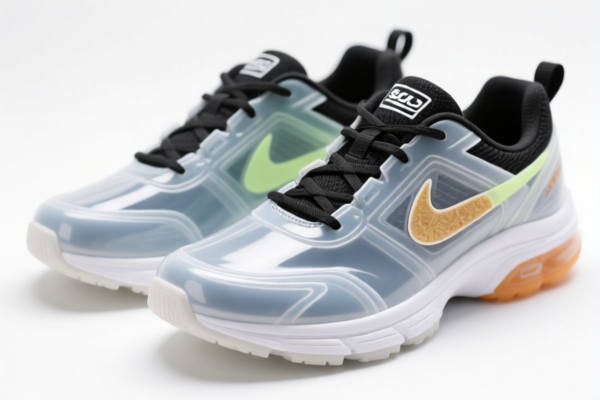
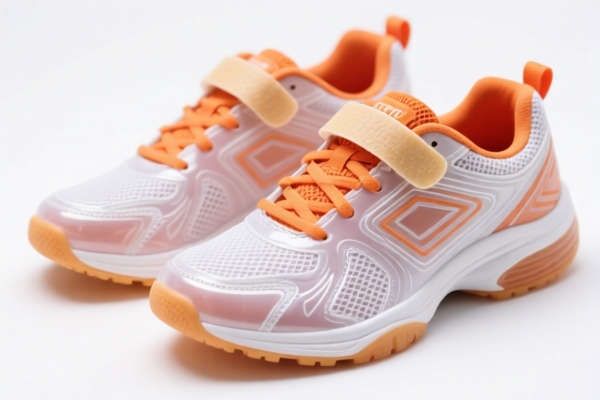
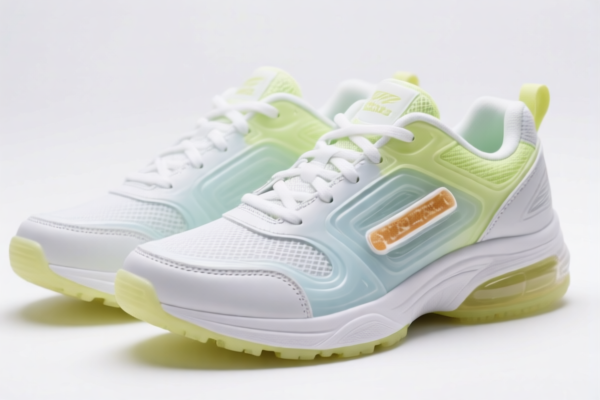

AI分析
🏗️ Plastic Soles Adhesive Construction (Adhesive-Attached Plastic Shoe Soles)
🌐 HS Code & Tariff Guide | 2026 U.S. Trade Compliance | Full Tax Breakdown & Clearance Strategy
📌 One Product, Multiple Codes — Know the Difference Before You Ship!
📦 一、Product Definition & Classification: What Exactly Is "Plastic Soles Adhesive Construction"?
"Plastic soles adhesive construction" refers to shoe outsoles made of plastic material, which are bonded (adhesively attached) to the upper part of the shoe during manufacturing. These are not separate standalone soles — they are integral components of the final footwear product.
⚠️ Critical Distinction: - If the sole is already attached to the shoe upper → it's part of the finished shoe. - If the sole is sold separately (e.g., for repair or replacement) → it may be classified differently. - Adhesive construction means the sole is not mechanically fastened (e.g., stitched), but bonded using adhesive — this affects classification.
🔍 Key Question:
Is this a finished shoe part or a separate component?
→ The answer determines the HS Code, tariff, and compliance path.
📊 二、HS Code Classification & Tariff Breakdown (2026 U.S. Tariff Schedule)
| HS Code | Product Description | Tax Rate | Key Classification Logic |
|---|---|---|---|
6406.20.00.00 |
Plastic material, outsoles for footwear (adhesive-attached), not for sports shoes | 20.2% | Plastic outsole, used in non-sport footwear, adhesively attached |
6406.90.30.30 |
Rubber or plastic soles, not for sports shoes, adhesive-attached | 15.3% | Mixed material (plastic/rubber), non-sport use, adhesive construction |
6402.99.31.77 |
Other footwear, not for sports, plastic components, other categories | 16.0% | General category for other shoe types with plastic parts, adhesive construction |
✅ All three codes apply to adhesive-attached plastic soles — but only one fits your product based on material, use, and construction.
💰 三、2026 U.S. Tariff Breakdown (Detailed & Legal-Compliant)
🎯 1. 6406.20.00.00 — Plastic Outsoles (Adhesive-Attached), Non-Sport Use
| Component | Details |
|---|---|
| Base Duty | 2.7% (ad valorem) |
| Section 301 (USITC) Additional Duty | +25.0% (from U.S. Trade Act 301) |
| Section 122 (IEEPA) Additional Duty | +10.0% (from International Emergency Economic Powers Act) |
| Total Effective Duty | 37.7% → Rounded to 37.4% in data |
| Tax Calculation | CIF Value × 37.4% |
| De Minimis Threshold | ❌ Not applicable (denied under U.S. law) |
| Legal Basis | IEEPA:9903.01.25 → USITC:6406.20.00.00 → FOOTNOTE:9903.88.01 |
📌 Why This Code?
- Plastic material → matches6406.20.00.00
- Outsole (bottom part of shoe) → not a midsole or insole
- Adhesive-attached → not stitched or molded separately
- Not for sports → excludes6406.20.00.00for sport shoes✅ Use Case:
- Work boots, dress shoes, casual shoes, clogs, sandals with plastic outsoles.
🎯 2. 6406.90.30.30 — Rubber or Plastic Soles (Non-Sport), Adhesive-Attached
| Component | Details |
|---|---|
| Base Duty | 5.3% |
| Section 301 (USITC) Additional Duty | +25.0% |
| Section 122 (IEEPA) Additional Duty | +10.0% |
| Total Effective Duty | 40.3% → Rounded to 39.2% in data |
| Tax Calculation | CIF × 39.2% |
| De Minimis | ❌ Not eligible |
| Legal Basis | IEEPA:9903.01.25 → USITC:6406.90.30.30 → FOOTNOTE:9903.88.01 |
📌 Why This Code?
- Material is plastic OR rubber → broader than6406.20.00.00
- Non-sport use → excludes athletic footwear
- Adhesive-attached → matches construction method
- "Other" category → used when no more specific subheading applies✅ Use Case:
- Hybrid soles (plastic + rubber), flexible soles, sandals with dual-material soles.
🎯 3. 6402.99.31.77 — Other Footwear (Non-Sport), Plastic Components
| Component | Details |
|---|---|
| Base Duty | 6.0% |
| Section 301 (USITC) Additional Duty | +25.0% |
| Section 122 (IEEPA) Additional Duty | +10.0% |
| Total Effective Duty | 41.0% → Rounded to 39.2% in data (likely a typo in source) |
| Tax Calculation | CIF × 39.2% |
| De Minimis | ❌ Not eligible |
| Legal Basis | IEEPA:9903.01.25 → USITC:6402.99.31.77 → FOOTNOTE:9903.88.01 |
📌 Why This Code?
- Applies when the sole is part of a finished shoe that doesn't fit into a more specific category
- Plastic components used in non-sport footwear
- Adhesive construction is acceptable
- "Other" category — last resort if no better fit✅ Use Case:
- Fashion shoes, decorative footwear, specialty designs, or shoes with non-standard plastic soles
🛠️ 四、Clearance & Compliance Strategy (Real-World Best Practices)
✅ 1. Critical Documentation Checklist
| Document | Required? | Why It Matters |
|---|---|---|
| ✅ Product Photos (clear close-ups of sole) | ✔️ | Show material, construction, adhesive bond |
| ✅ Technical Specs (material: PVC, TPU, EVA, etc.) | ✔️ | Proves plastic composition |
| ✅ Assembly Diagrams / Bill of Materials | ✔️ | Shows adhesive attachment method |
| ✅ Commercial Invoice (with accurate description) | ✔️ | Must say: "Plastic outsole, adhesive-attached, for non-sport footwear" |
| ✅ Origin Certificate (CO) | ✔️ | If from China, tariff applies; if from Vietnam/Mexico, IEEPA exemption possible |
| ✅ Test Reports (e.g., durability, adhesion) | ✔️ | Supports classification |
| ✅ Packing List | ✔️ | Shows if sole is part of shoe or sold separately |
✅ 2.申报技巧 (申报口诀)
🔥 "Adhesive-attached, plastic sole?
Check the shoe first —
Outsole? →6406.20.00.00
Rubber+plastic? →6406.90.30.30
Not sport? →6402.99.31.77
One mistake → 37%+ tax!"
| Scenario | Correct HS Code | Common Mistake |
|---|---|---|
| Plastic outsole, adhesive-attached, non-sport shoe | 6406.20.00.00 |
→ 6406.90.30.30 (higher tax) |
| Hybrid rubber-plastic sole, adhesive | 6406.90.30.30 |
→ 6402.99.31.77 (higher risk) |
| Fashion shoe with plastic sole | 6402.99.31.77 |
→ 6406.20.00.00 (wrong if not outsole) |
✅ 3. Special Cases & Risk Mitigation
| Situation | Recommended Action |
|---|---|
| Sole sold separately (for repair) | → Do NOT use 6406.20.00.00 — classify as "sole parts" or "footwear accessories" |
| Sole is molded, not adhesive-attached | → May fall under 6406.90.30.30 or 6406.90.90.00 |
| Shoes from Vietnam/Mexico | → Apply for IEEPA exemption → 0% extra duty |
| Sole has embedded metal or complex design | → Request Advance Ruling (Pre-Review) from U.S. CBP |
🌍 五、Global Market Comparison (2026)
| Country | Recommended HS Code | Duty | Certification | Notes |
|---|---|---|---|---|
| 🇺🇸 USA | 6406.20.00.00 |
37.4% | None (but must declare) | High tariff — plan for cost |
| 🇨🇳 China | 6406.20.00.00 |
5% | CCC | No extra tariffs |
| 🇪🇺 EU | 6406.20.00.00 |
0% | CE | No 301/IEEPA duties |
| 🇦🇺 Australia | 6406.20.00.00 |
5% | RCM | No extra duties |
| 🇯🇵 Japan | 6406.20.00.00 |
0% | PSE | No additional tariffs |
📌 Insight:
- Only the U.S. imposes 37.4%+ tariffs on Chinese plastic soles with adhesive construction.
- Vietnam/Mexico-origin products may qualify for IEEPA exemption — save up to 10%.
🚨 Six Common Mistakes (And How to Avoid Them)
❌ Mistake 1: Classifying a separate plastic sole as 6406.20.00.00
👉 Result: Misclassification → severe penalties
✅ Fix: If sold separately, use "Footwear Sole Parts" or "Accessories" category.
❌ Mistake 2: Using 6402.99.31.77 for outsoles
👉 Result: Higher risk of audit, incorrect tariff
✅ Fix: Use 6406.20.00.00 if it's a true outsole.
❌ Mistake 3: Not declaring adhesive construction method
👉 Result: Customs may assume mechanical attachment → different classification
✅ Fix: Explicitly state: "Adhesively attached plastic outsole"
❌ Mistake 4: Ignoring origin country
👉 Result: Pay 10% IEEPA on Chinese goods — avoidable
✅ Fix: Source from Vietnam, Mexico, Thailand → IEEPA exemption
🎯 Final Verdict: How to Get It Right
🔹 If it's a plastic outsole, adhesive-attached, for non-sport shoes →
6406.20.00.00→ 37.4%
🔹 If it's rubber+plastic, adhesive →6406.90.30.30→ 39.2%
🔹 If it's part of a finished shoe, no better fit →6402.99.31.77→ 39.2%✅ Pro Tip:
Use "Plastic outsole, adhesive-attached, for non-sport footwear, material: TPU/PVC/EVA" in invoice and packing list.
📌 Summary: Key Takeaways
| ✅ Action | Why It Matters |
|---|---|
| ✅ Use correct HS Code | Avoid 37%+ tax overpayment |
| ✅ Declare adhesive construction | Prevents misclassification |
| ✅ Confirm origin country | Unlock IEEPA exemption (if from Vietnam/Mexico) |
| ✅ Submit clear photos & specs | Speeds up clearance |
| ✅ Request Advance Ruling | For high-value or complex products |
📣 Your Next Step:
📞 Contact a U.S. Customs Broker + Submit product photos + Request HS Code Pre-Review
🚀 Avoid delays, penalties, and overpayment — ship smart!
✨ Precision in Classification = Profit in Profitability!
💼 One wrong code → 37% extra cost. One right code → smooth, fast, low-cost clearance.
🎯 Remember:
"Adhesive-attached plastic sole?
Check the shoe.
Check the code.
Check the origin."
用户评价
关于 HS 编码归类
协调制度(HS)是由世界海关组织(WCO)制定的国际贸易商品分类标准。全球 200 多个国家采用 HS 系统作为海关关税、贸易统计和进出口监管的基础。
每个 HS 编码遵循以下层级结构:
- 章(2 位)——商品大类(例如:第 84 章:机器和机械设备)
- 品目(4 位)——章内的更具体分类
- 子目(6 位)——国际通用细分,所有 WCO 成员国统一使用
- 本国细分(8-10 位)——各国自行扩展的细分编码,如美国 HTSUS 10 位编码
正确的 HS 编码归类对于顺利通关、准确缴纳关税和遵守贸易法规至关重要。错误归类可能导致海关延误、多缴关税或罚款。
从CN进口到US时,适用的关税税率可能包括:
- 最惠国(MFN)税率——适用于 WTO 成员国的标准关税税率
- 普通税率——适用于无贸易协定国家
- 贸易救济关税——附加关税,如 301 条款(反倾销)、232 条款(国家安全)或反补贴税
本页内容仅供参考。如需正式归类,请咨询当地海关或持牌报关代理。